
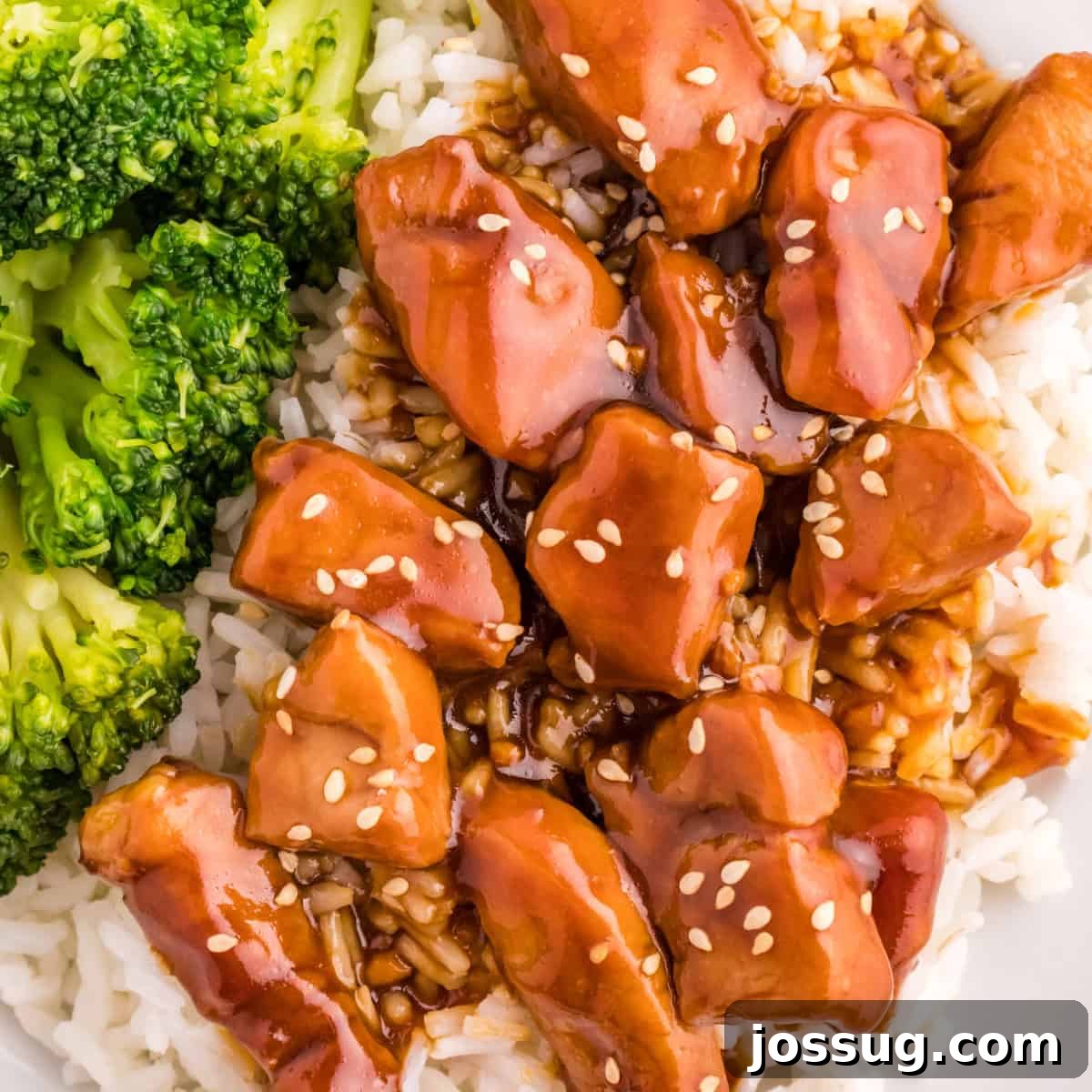
This simple Mongolian Pork is full of tender pork slices coated in a glossy sweet-and-salty sauce made from soy sauce, hoisin, garlic, and fresh ginger. It captures the flavor of restaurant takeout but is easy to make at home in under an hour. Serve it over steamed rice or your favorite noodles for a satisfying weeknight meal the whole family will enjoy.

Table of Contents
- ❤️ Why You’ll Love This Recipe
- What Is Mongolian Pork?
- Why This Recipe Works
- Key Ingredients
- Ingredients & Substitutions
- Variations
- Tips for Best Results
- FAQs
- How to Store, Freeze & Reheat Mongolian Pork
- How to Make Mongolian Pork
- Make Ahead Instructions
- What to Serve with Mongolian Pork
- 📌 Save This Recipe
- Mongolian Pork Recipe
- 🍽️ Other Recipes You May Enjoy
❤️ Why You’ll Love This Recipe
- A delicious takeout-style dinner made with simple pantry ingredients.
- Comforting and ready in under an hour.
- Tender, juicy pork in a thick, glossy sauce that clings to every bite.
- Easy to adapt with vegetables, extra spice, or different proteins.
- Great for meal prep—leftovers reheat well and make a quick lunch.
What Is Mongolian Pork?
Mongolian Pork is an American-Chinese style dish inspired by classics like Mongolian Beef. Thin slices of meat are cooked quickly and coated in a flavorful sauce built from soy, hoisin, garlic, ginger, and brown sugar. While not an authentic Mongolian recipe, this version recreates the bold, familiar flavors using ingredients available at most grocery stores.
Why This Recipe Works
Marinating the pork briefly seasons and tenderizes it, while simmering and thickening the reserved marinade produces a silky sauce that clings to the meat. Cooking the pork quickly over high heat seals in juices and creates a pleasant caramelized finish.
Key Ingredients
NOTE: This section highlights star ingredients used in the recipe. The full, printable ingredient list appears in the recipe card below.
Pork tenderloin
Lean and tender, pork tenderloin cooks quickly and takes on the sauce well. Slice it thinly across the grain for the most tender results.
Low-sodium soy sauce
Low-sodium soy sauce keeps the sauce balanced so it isn’t overly salty. If you need gluten-free, use tamari.
Hoisin sauce
Hoisin adds sweetness and depth for that classic takeout flavor.
Brown sugar
Brown sugar balances the savory elements and helps the sauce develop a glossy sheen.
Fresh garlic and ginger
Fresh aromatics are essential—garlic and ginger provide the bright, savory backbone of the sauce.
Cornstarch slurry
Mixing cornstarch with water thickens the sauce quickly without making it heavy.
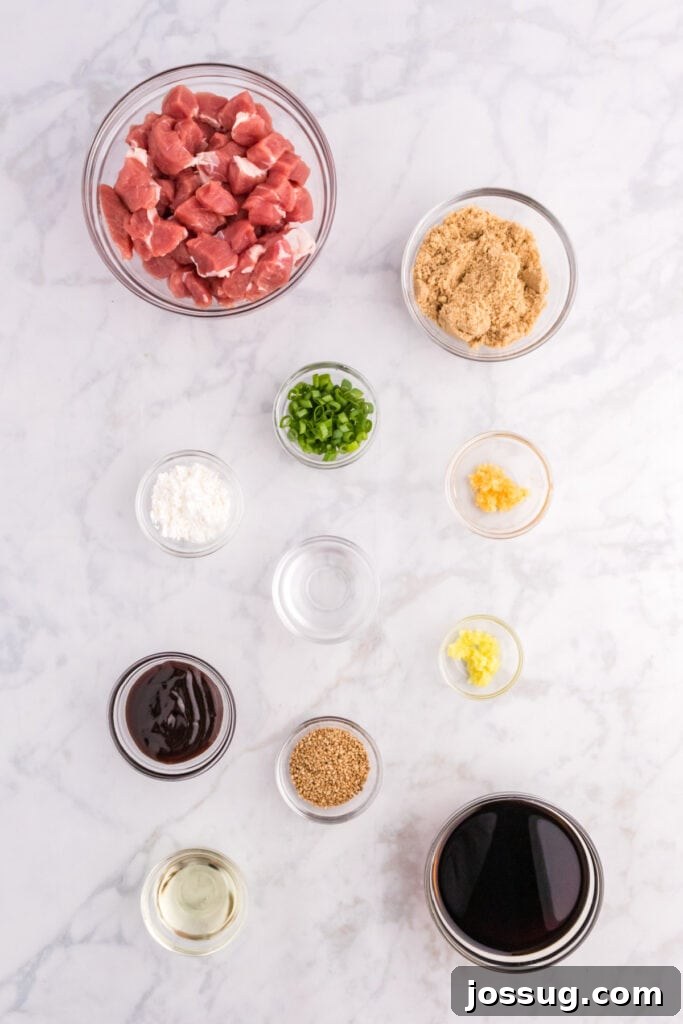
Ingredients & Substitutions
NOTE: Substitutions below make the recipe flexible. The full ingredient amounts are in the recipe card further down.
- Proteins: Swap pork tenderloin for pork loin, boneless chops, chicken breast or thighs, beef flank or sirloin, shrimp, or firm tofu.
- Soy sauce: Low-sodium soy sauce is recommended; use tamari for gluten-free.
- Hoisin: If you don’t have hoisin, try a small amount of oyster sauce or a mix of soy and a touch of honey for sweetness.
- Sweetener: Light or dark brown sugar work; honey can be used in a pinch.
- Oils: Neutral oils like vegetable, canola, avocado, or peanut oil are best for high-heat cooking.
- Thickeners: Arrowroot can replace cornstarch for a clear finish.
- Garnishes: Green onions and sesame seeds add freshness and texture.
Variations
- Vegetable boost: Add broccoli, bell peppers, mushrooms, carrots, snow peas, or onions for color and nutrients.
- Make it spicy: Stir in sriracha, chili garlic sauce, or crushed red pepper.
- Noodles instead of rice: Toss the finished pork with lo mein, ramen, or rice noodles to make a saucy noodle bowl.
- Air fryer or grill: Cook the marinated pork in an air fryer or on a flat-top and make the sauce separately, then combine.

Tips for Best Results
- Freeze the pork for 15–20 minutes before slicing to make thin, even cuts.
- Slice across the grain to keep the pork tender.
- Use medium-high heat for good browning; avoid overcrowding the pan.
- Cook in batches so pieces sear rather than steam.
- Bring the reserved marinade to a full simmer before thickening for food safety.
- Add the cornstarch slurry slowly and stir constantly until the sauce becomes glossy.
- Garnish just before serving for best texture and appearance.
FAQs
Yes. Pork loin works fine when sliced very thin across the grain, though it can be slightly less tender than tenderloin.
Yes. Marinate the pork up to 2 hours in advance. Prepare the sauce earlier in the day and refrigerate until you are ready to cook.
Yes. Use gluten-free tamari and check your hoisin or replace it with a gluten-free alternative.
By default it is sweet and savory, not spicy. Add chili sauce or red pepper flakes to make it hot.
How to Store, Freeze & Reheat Mongolian Pork
Storage
Place cooled leftovers in an airtight container and refrigerate for up to 4 days.
Freezing
Freeze cooled portions in freezer-safe containers for up to 2 months. Thaw overnight in the refrigerator before reheating.
Reheating
Gently reheat in a skillet over medium-low heat, adding a splash of water if the sauce needs loosening. Microwave in 30-second bursts until hot for single portions.
How to Make Mongolian Pork
Below is a concise step-by-step guide. Exact ingredient amounts are listed in the recipe card that follows.
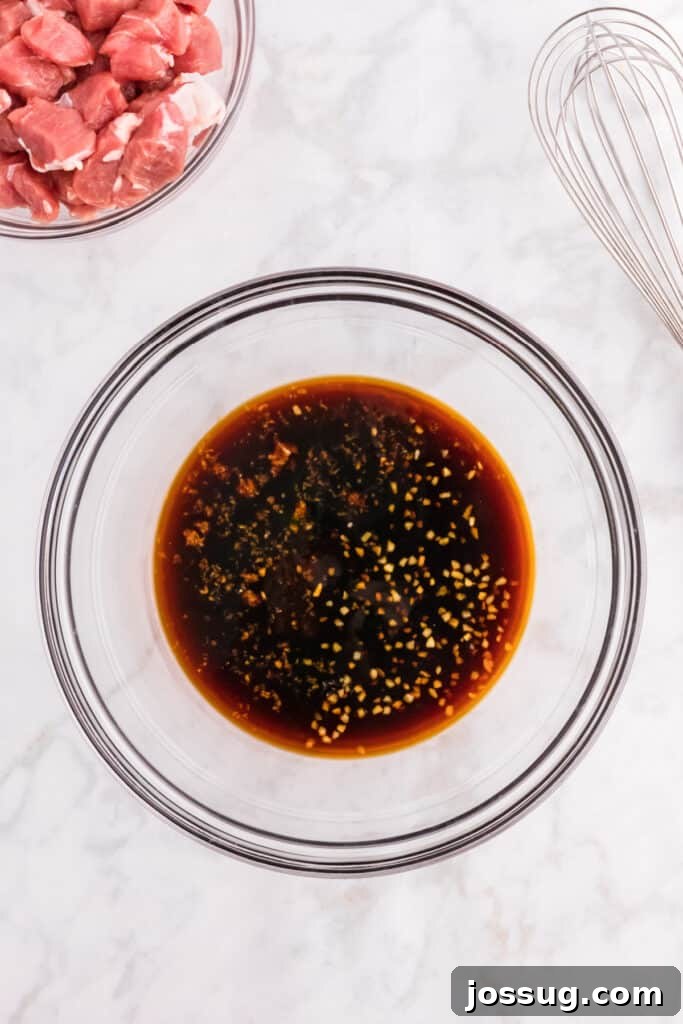
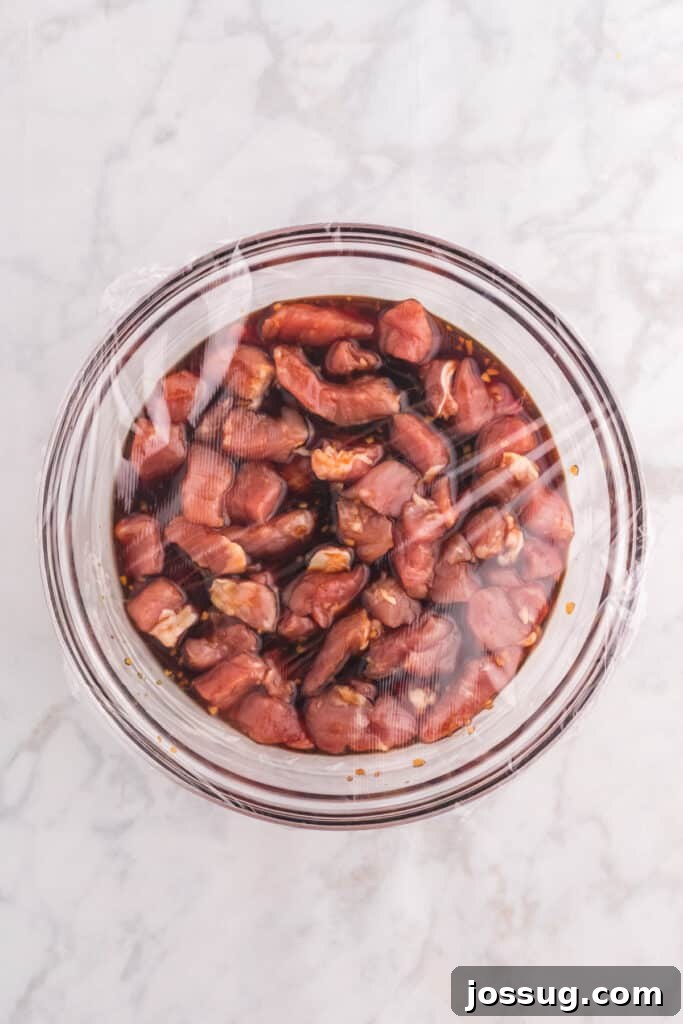
- Whisk together soy sauce, hoisin, brown sugar, minced garlic, and grated ginger until the sugar dissolves.
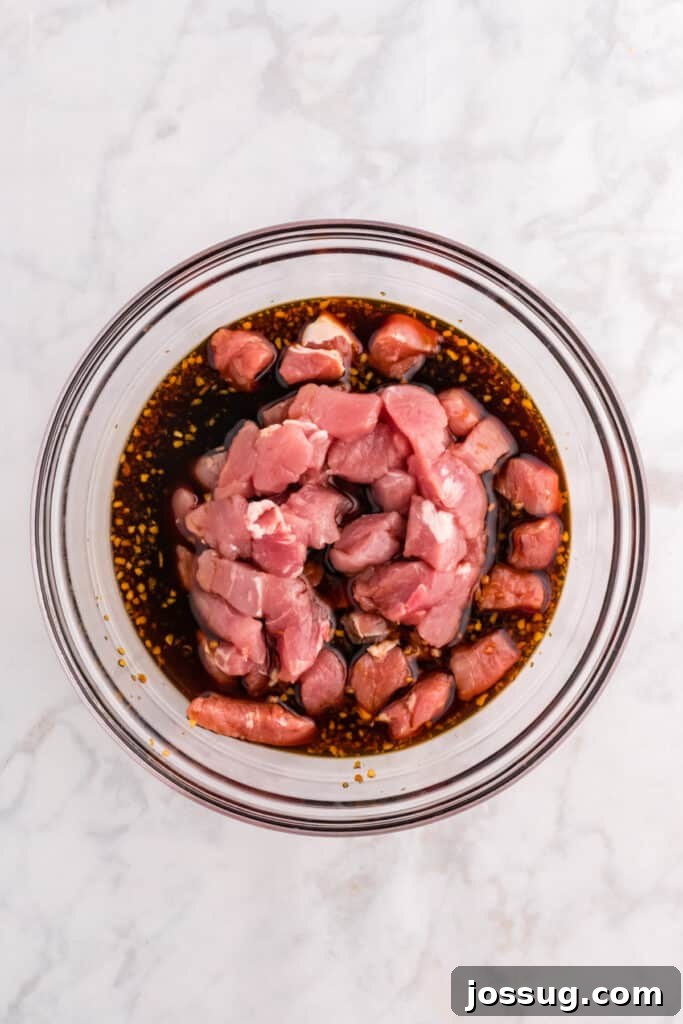
- Add the thinly sliced pork and toss to coat. Marinate at least 20 minutes or up to 2 hours.
- Heat oil in a large skillet or wok over medium-high heat. Remove pork from the marinade, reserving the liquid.
- Cook the pork in batches for 3–4 minutes per side until browned and cooked through. Transfer to a plate.
- Pour the reserved marinade into the hot skillet and bring to a gentle simmer.
- Whisk together cornstarch and water, then slowly add the slurry to the simmering marinade, stirring until the sauce thickens and becomes glossy.
- Return the pork to the skillet, toss to coat, and cook 2–3 minutes to heat through.
- Stir in sliced green onions and serve immediately over steamed rice or noodles. Garnish with sesame seeds if desired.
Make Ahead Instructions
Marinate the pork up to 2 hours before cooking. You can also mix the sauce ahead of time and keep it chilled until you are ready to finish the dish. Cooked leftovers refrigerate well and make a convenient meal prep option.
What to Serve with Mongolian Pork
This dish pairs well with:
- Steamed jasmine rice
- Fried rice or garlic fried rice
- Lo mein or other stir-fried noodles
- Stir-fried broccoli or bok choy
- Sugar snap peas or steamed vegetables
- Light salads such as an Asian cucumber salad
- Egg rolls or dumplings for an indulgent meal
If You Enjoyed Mongolian Pork
If you like this dish, try other sweet-and-savory recipes that use a soy-ginger base, grilled hibachi-style proteins, or quick stir-fries. The same flavor profile works beautifully across poultry, beef, shrimp, and vegetarian options.
📌 Save This Recipe
Save this Mongolian Pork recipe for an easy weeknight dinner that tastes like takeout. Pin or bookmark the page so you can return to it whenever you want a quick Asian-inspired meal at home.


Mongolian Pork
Ingredients
- 1 cup low-sodium soy sauce
- ½ cup hoisin sauce
- ½ cup light brown sugar, packed
- 2 teaspoons minced garlic
- 1 tablespoon freshly grated ginger (about a 1-inch piece)
- 1½ pounds pork tenderloin, sliced into bite-sized pieces
- 2 tablespoons vegetable oil
- 2 tablespoons cornstarch
- 3 tablespoons water
- 2 green onions, sliced, plus more for garnish
- Steamed rice or cooked noodles, for serving
- Sesame seeds, for garnish (optional)
Instructions
- In a large bowl, whisk together soy sauce, hoisin, brown sugar, garlic, and ginger until the sugar dissolves.
- Add the sliced pork and toss to coat. Marinate at least 20 minutes or refrigerate up to 2 hours.
- Heat the oil in a large skillet or wok over medium-high heat.
- Remove pork from the marinade, letting excess drip back into the bowl; reserve the marinade.
- Cook the pork in batches for 3–4 minutes per side until browned and cooked through. Transfer to a plate.
- Pour the reserved marinade into the skillet and bring to a gentle simmer.
- Whisk cornstarch and water until smooth; slowly whisk the slurry into the simmering sauce and stir until glossy and thickened, 1–2 minutes.
- Return the pork to the skillet, toss to coat, and cook 2–3 minutes until heated through. Stir in sliced green onions.
- Serve immediately over steamed rice or noodles and garnish with sesame seeds and additional green onions if desired.
Notes
Storage
- Refrigerate leftovers in an airtight container for up to 4 days.
Reheating
- Reheat gently in a skillet with a splash of water or microwave in short intervals.
Freezing
- Freeze cooled portions for up to 2 months; thaw overnight in the fridge before reheating.
Tips
- Slice pork thin across the grain; freeze 15–20 minutes first for easier slicing.
- Cook in batches so pieces sear and brown rather than steam.
- Bring the marinade to a boil before using to ensure food safety.
Nutrition
Calories: 501 kcal; Carbohydrates: 51 g; Protein: 42 g; Fat: 14 g. Nutrition values are estimates and should be used as a guideline only.
🍽️ Other Recipes You May Enjoy
If you liked this recipe, try other reader favorites that pair well with similar sweet-and-savory flavors.
Main Dish
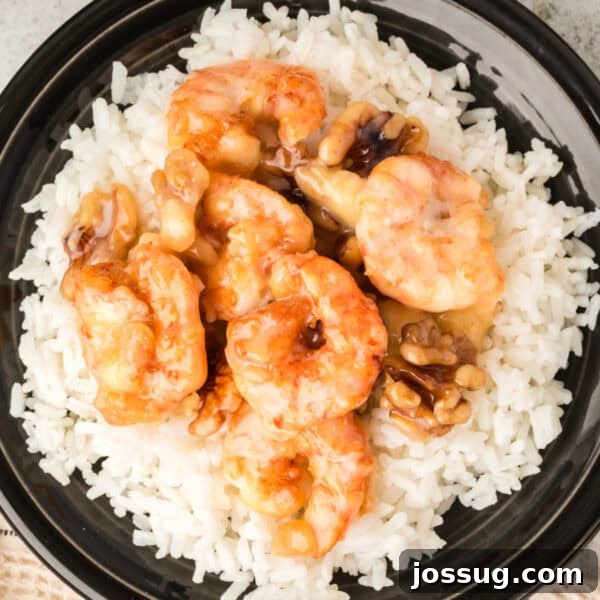
Crispy Honey Walnut Shrimp — Better Than Takeout
Main Dish
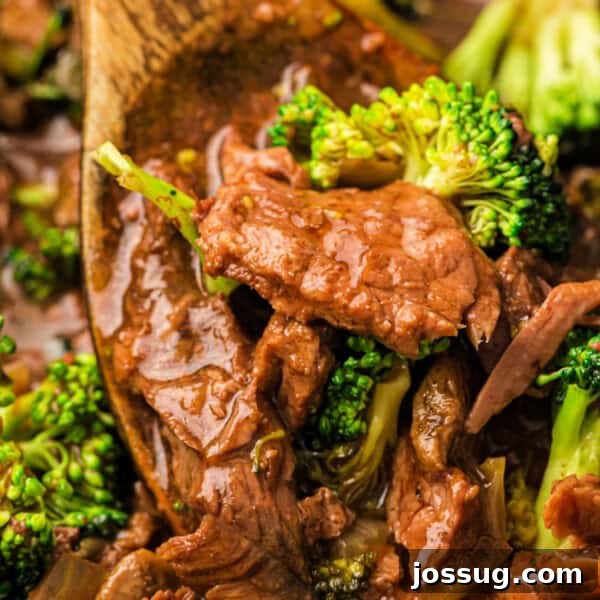
Slow Cooker Beef and Broccoli

Pork
Thai Pork Burritos
Main Dish
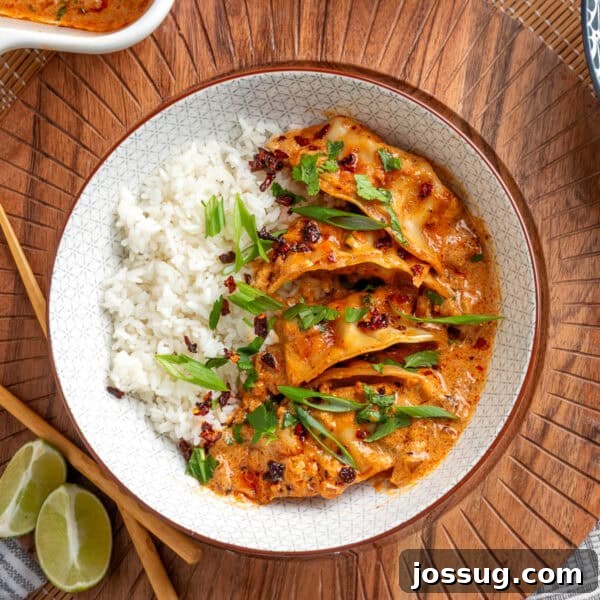
Baked Curry Dumplings — Easy Coconut Curry Bake