
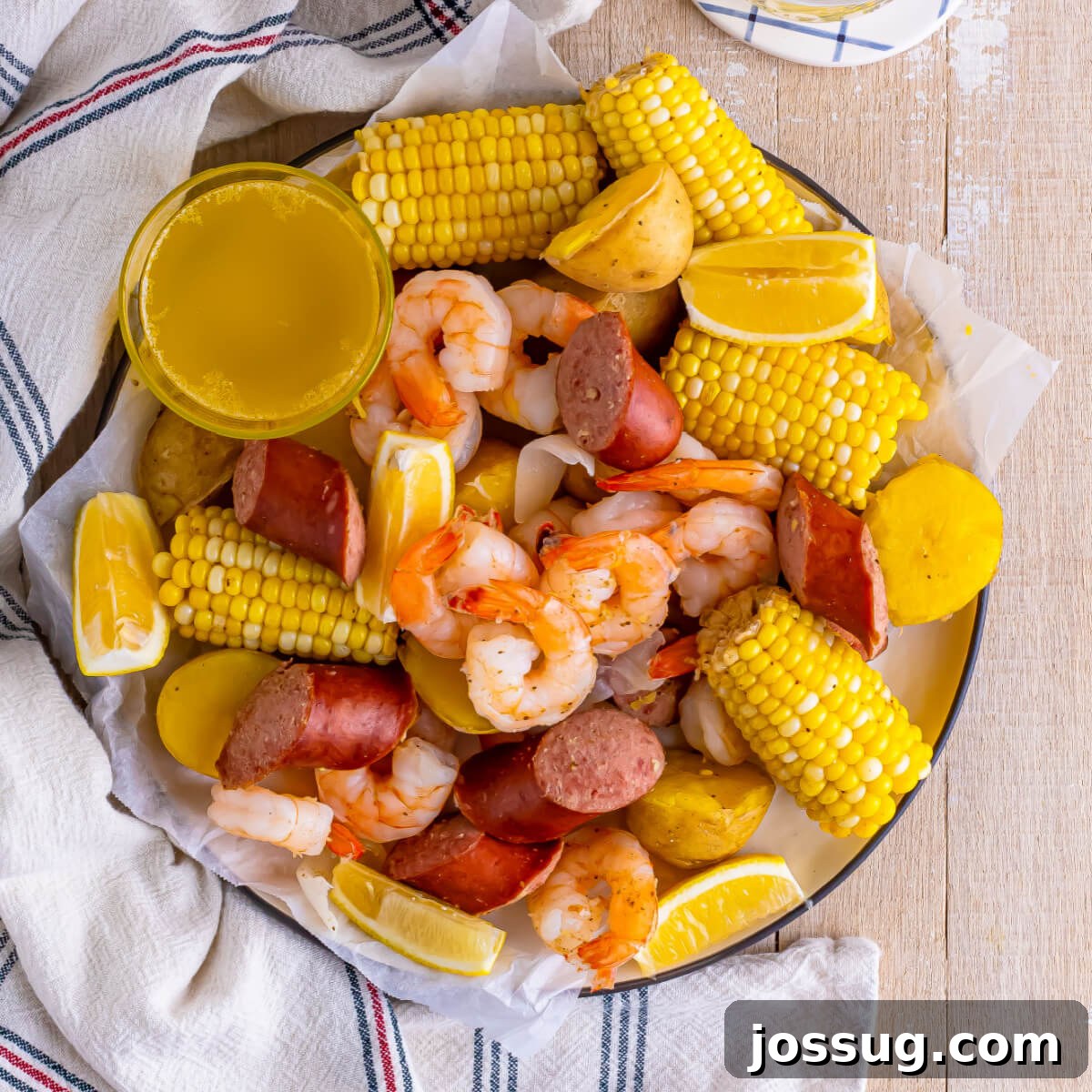
Embark on a culinary journey to the heart of the American South with our comprehensive guide to the **Low Country Boil**. This iconic dish, a true testament to Southern hospitality, is more than just a meal; it’s a vibrant, communal experience packed with rich flavors and lively traditions. Imagine a bountiful spread featuring succulent shrimp, robust smoked sausage, sweet corn on the cob, and tender baby potatoes, all expertly seasoned and boiled to perfection. It’s a feast for the senses, bringing warmth and joy to any table, whether for an intimate family dinner or a grand gathering of friends.
Our detailed recipe and accompanying tips are designed to help you master this delightful Southern tradition. From understanding its historical roots to choosing the freshest ingredients and perfecting the cooking technique, we’ve got you covered. Whether you’re a seasoned chef looking to perfect your technique or a curious newcomer eager to try your hand at this regional delicacy, prepare to fall in love with the unforgettable taste and heartwarming spirit of a classic Low Country Boil.
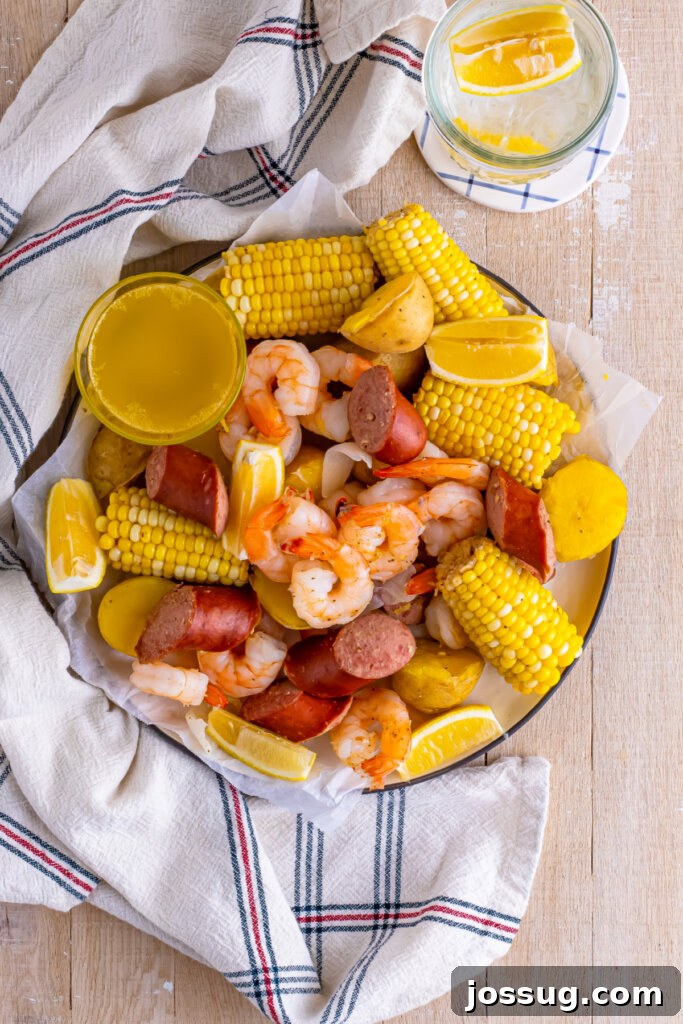
The Essence of Southern Comfort: What is a Low Country Boil?
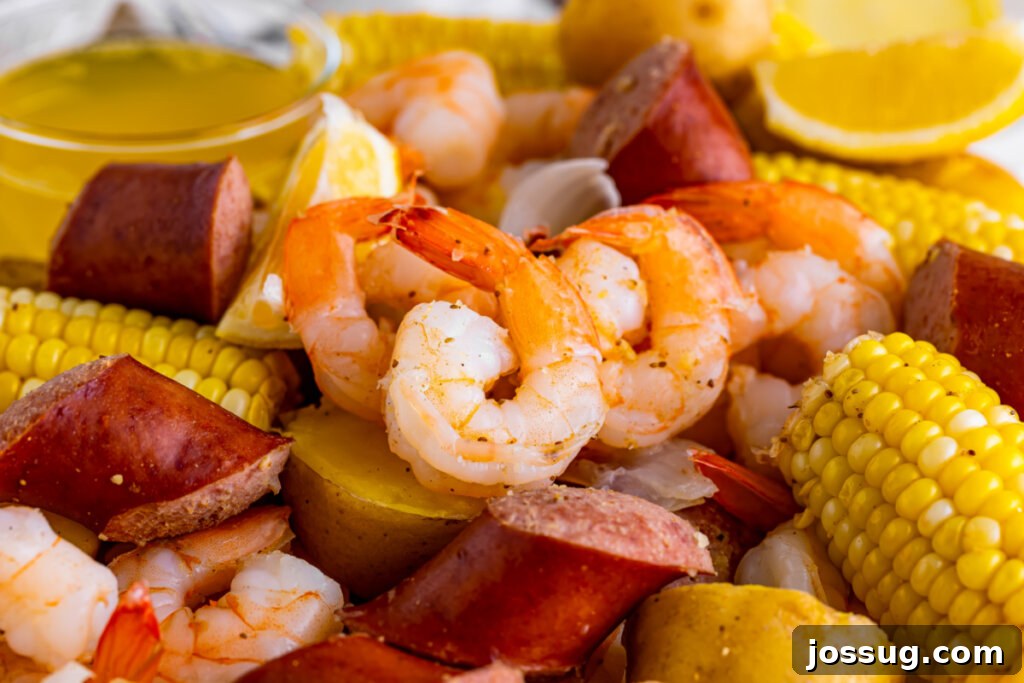
The Low Country Boil is a cherished culinary cornerstone of the American South, particularly prevalent in the coastal regions of South Carolina and Georgia. Often referred to as a Seafood Boil, Frogmore Stew, or Beaufort Stew, this delectable one-pot meal is a celebration of the region’s abundant seafood and laid-back lifestyle. At its core, a Low Country Boil is a harmonious blend of plump, fresh shrimp, savory smoked sausage, sweet yellow corn on the cob, and tender potatoes, all cooked together in a highly seasoned broth.
Historically, the Low Country Boil traces its origins back to the Gullah Geechee community, descendants of enslaved Africans who preserved much of their West African culture in the coastal areas. It evolved as a practical and economical way to feed large groups, utilizing the readily available bounty of the sea and local produce. This communal cooking method quickly became a staple for family reunions, church picnics, beach parties, and outdoor celebrations, embodying the spirit of sharing and togetherness that defines Southern hospitality.
What truly distinguishes a Low Country Boil is its distinctive seasoning. While regional variations exist, the blend typically features concentrated shrimp and crab boil seasoning, often with a generous dash of Old Bay seasoning. Some recipes also incorporate a splash of lager beer into the cooking liquid, adding an extra layer of depth and flavor to the broth. The careful timing of adding each ingredient ensures that every component is cooked to perfection, resulting in a symphony of textures and tastes that tantalizes the palate.
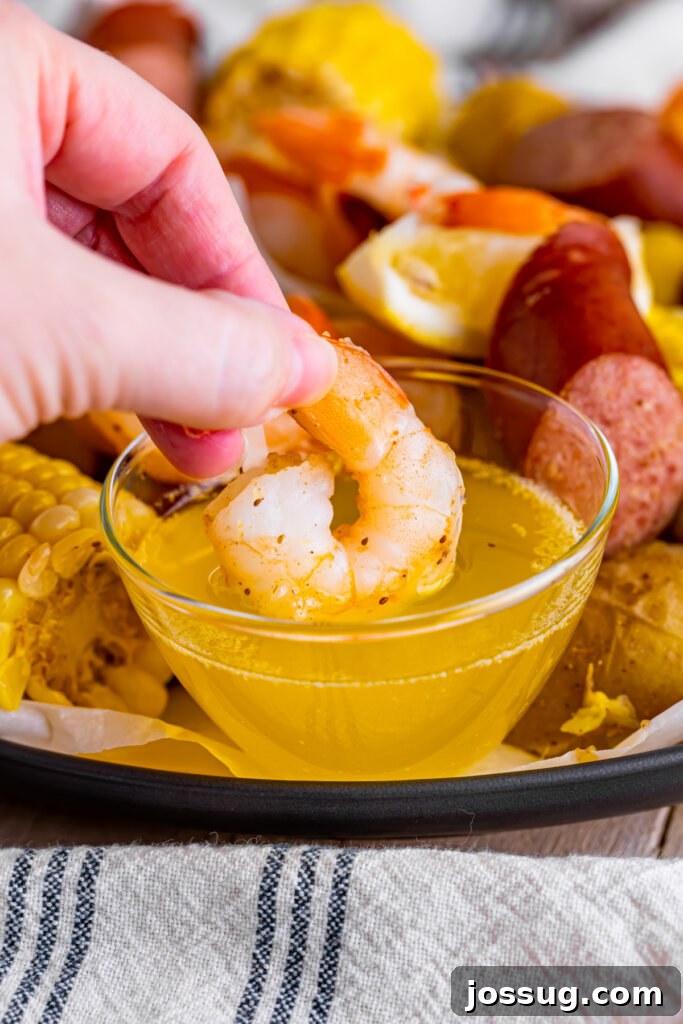
Beyond its delicious flavor, the Low Country Boil is an immersive experience. It’s often served family-style, poured directly onto a newspaper-covered table, encouraging guests to dig in with their hands, fostering a relaxed and engaging atmosphere. Accompanied by sides of melted butter and fresh lemon wedges, it’s a meal that not only satisfies hunger but also creates lasting memories, fills rooms with laughter, and leaves everyone eagerly anticipating their next taste of this iconic Southern gem.
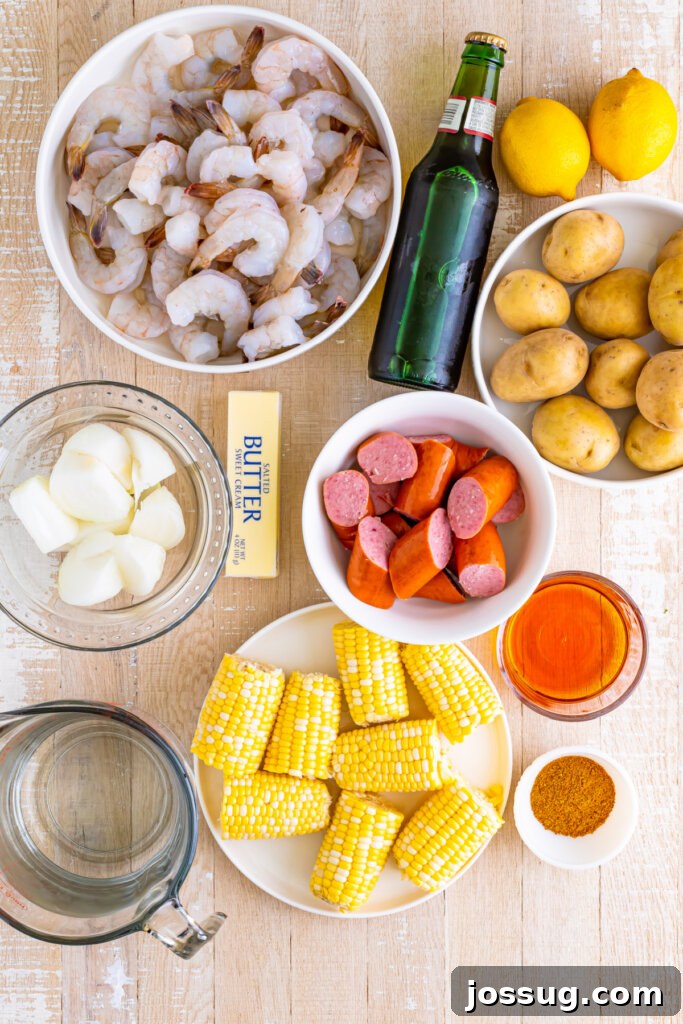
Low Country Boil: Essential Ingredients & Savvy Substitutions
Crafting the perfect Low Country Boil begins with selecting the right ingredients. Here’s a breakdown of what you’ll need and some flexible substitution options to suit your preferences or what’s available:
Core Ingredients
- Liquid Base: Water and Lager Beer
The foundation of your boil’s flavor. Water serves as the primary cooking medium, while lager beer, though optional, contributes a subtle malty depth that complements the spices beautifully without overpowering the seafood. If omitting beer, simply replace it with an equal amount of water or, for an even richer broth, use chicken or vegetable stock.
- Signature Seasoning: Concentrated Shrimp and Crab Boil Seasoning & Old Bay
These are the heart and soul of the Low Country Boil’s distinctive taste. Concentrated liquid boil seasoning provides a robust, spicy kick, while Old Bay seasoning offers its signature blend of herbs and spices. Adjust the quantities to control the heat level. For a milder boil, reduce the concentrated seasoning. You can also experiment with other seafood seasoning blends or even create your own with paprika, cayenne pepper, garlic powder, onion powder, and celery salt.
- Starchy Staples: Baby Yellow Gold Potatoes
These small, waxy potatoes hold their shape well during boiling and absorb the delicious flavors of the broth. Red potatoes are an excellent alternative. Ensure they are cut into bite-sized pieces (halved or quartered) to ensure even cooking.
- Aromatic Depth: Sweet Onion
Large chunks of sweet onion add a mild sweetness and aromatic foundation to the boil. Yellow onions can be used as a substitute, offering a slightly sharper flavor profile.
- Savory Kick: Smoked Sausage
Smoked sausage, typically cut into two-inch pieces, provides a savory, smoky counterpoint to the seafood. Andouille sausage is a popular choice for its spicy notes, but kielbasa or any good quality smoked sausage will work wonderfully. For a leaner option, chicken or turkey sausage can be used.
- Sweet & Crunchy: Corn on the Cob
Fresh corn on the cob, cut into halves or thirds, adds natural sweetness and a satisfying crunch. Frozen corn on the cob can be used when fresh is out of season, but add it closer to the end of the cooking process as it cooks faster.
- Star of the Show: Extra-Large Shrimp
The centerpiece of the Low Country Boil. Opt for extra-large shrimp, peeled and deveined with the tails on for presentation and easy handling. If you prefer, tails can be removed. Other seafood like crab legs, crawfish, mussels, clams, or even small pieces of lobster can be added for a more elaborate seafood feast. If adding other seafood, be mindful of their differing cooking times.
- Essential Accompaniments: Salted Butter and Lemon Wedges
These are optional but highly recommended for serving. Melted salted butter provides a rich dip for the seafood and vegetables, while fresh lemon wedges offer a bright, acidic counterpoint that cuts through the richness and enhances all the flavors.
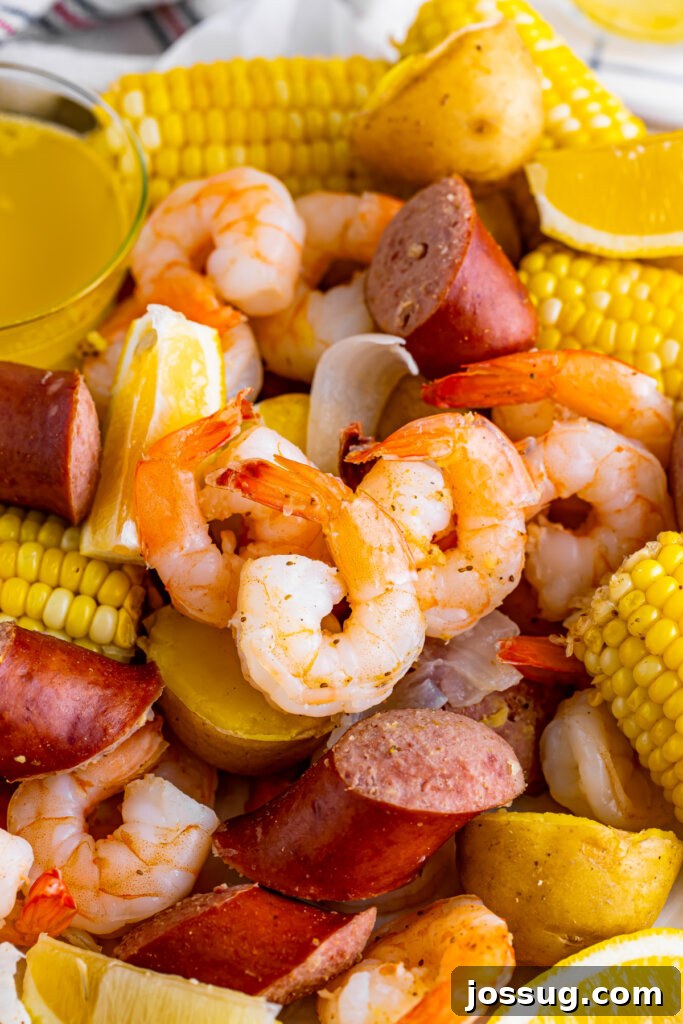
Mastering the Low Country Boil: A Step-by-Step Guide
Creating a flavorful Low Country Boil is simpler than you might think, primarily involving strategic timing for adding ingredients. Follow these steps for a perfect Southern seafood feast:
Step 1: Prepare Your Pot and Liquid Base.
Find a very large stockpot, at least 5 quarts or larger. For bigger gatherings, a 10-quart or even a propane burner with an extra-large pot might be necessary. In your chosen pot, combine the water, optional lager beer, concentrated shrimp and crab boil seasoning, and Old Bay seasoning. Stir all ingredients well to ensure the seasonings are fully dissolved. Cover the pot and bring the liquid to a rolling boil over high heat. This creates the flavorful broth that will infuse all your ingredients.
Step 2: Cook the Potatoes.
Once the liquid is at a strong boil, carefully add the halved baby yellow gold potatoes. These require the longest cooking time among the main ingredients. Allow the liquid to return to a boil and cook the potatoes for approximately 5 minutes, stirring occasionally to ensure even cooking. The potatoes should begin to soften slightly but still have a firm center.
Step 3: Introduce the Onion and Sausage.
After the potatoes have had their initial cooking time, add the large diced sweet onion and the 2-inch pieces of smoked sausage to the pot. Stir them into the boiling liquid. Let the mixture return to a boil and continue cooking for another 10 minutes. The sausage will release its smoky flavors into the broth, and the onions will begin to soften and become translucent.
Step 4: Add the Corn.
Next, carefully place the corn on the cob halves into the pot. Stir them gently to submerge them in the seasoned liquid. Allow the boil to resume and cook for an additional 10 minutes. The corn will become tender and absorb the wonderful flavors of the broth and spices.
Step 5: The Shrimp Finisher.
Finally, it’s time for the shrimp, which cook very quickly. Stir the peeled and deveined, tail-on extra-large shrimp into the pot. Cook until the shrimp turn opaque pink and are just cooked through, typically about 4-5 minutes. Be careful not to overcook the shrimp, as they can become rubbery if left in the heat for too long.
Step 6: Strain and Serve Immediately.
Once the shrimp are cooked, remove the pot from the heat. Carefully drain the entire contents of the pot using a large colander or by lifting the steamer basket if your pot is equipped with one. Shake off any excess liquid. Serve the Low Country Boil immediately, traditionally by pouring it onto a newspaper-covered table or into large serving platters. Offer small bowls of melted salted butter and plenty of fresh lemon wedges on the side for dipping and squeezing.
Low Country Boil: Frequently Asked Questions
Absolutely! The beauty of a Low Country Boil lies in its versatility. You can easily customize the recipe by adding other delicious seafood like crab legs (blue crab, snow crab, or Dungeness crab), crawfish, mussels, clams, or even chunks of lobster. Remember to add these according to their cooking times – crab legs usually go in with the potatoes, while mussels and clams can be added with the corn or shrimp, cooking until they open.
For an authentic and memorable experience, serve your Low Country Boil “family-style.” Traditionally, a large table is covered with several layers of newspaper or butcher paper, and the entire contents of the pot are simply poured out onto the center. This encourages a relaxed, communal atmosphere where everyone can gather around and dig in with their hands. Don’t forget small bowls of melted butter (plain or garlic-infused) and plenty of lemon wedges for squeezing over everything.
While the Low Country Boil is best enjoyed immediately after cooking for optimal freshness and texture, you can certainly prepare some components ahead of time. Chop the potatoes, onions, and sausage, shuck and cut the corn, and peel and devein the shrimp. Keep these ingredients refrigerated until you’re ready to cook. The actual boiling process should be done right before serving to prevent the seafood from becoming rubbery or the vegetables from getting mushy.
Yes, absolutely! The lager beer is an optional ingredient and the dish will still be incredibly flavorful and delicious without it. If you prefer to omit the beer, simply substitute it with an equal amount of water, or for a deeper flavor, use chicken or vegetable broth.
To round out your Southern feast, pair your Low Country Boil with classic side dishes. Creamy coleslaw offers a cool contrast, crusty garlic bread is perfect for soaking up the delicious broth, and a fresh green salad provides a light and refreshing element. Other popular choices include hush puppies or a hearty cornbread. For beverages, sweet iced tea or cold beer complement the bold flavors beautifully.
Controlling the spice level is easy! The concentrated shrimp and crab boil seasoning is typically the primary source of heat. You can reduce its quantity significantly or opt for a milder version if available. You can also increase the amount of water or beer slightly to dilute the spice. If serving to a diverse group, offer a variety of dipping sauces, including mild options, alongside any spicier ones.
While a Low Country Boil is best enjoyed fresh, leftovers can be stored. Place them in an airtight container in the refrigerator for up to 3 days. Freezing is possible for longer storage (up to 3 months), but be aware that the texture of the shrimp and potatoes may change slightly upon thawing and reheating. To reheat, gently warm in a baking dish with a splash of water or stock in the oven, or briefly on the stovetop.
Many children absolutely love the flavors of a Low Country Boil! You can easily adjust the spiciness to suit their preferences by reducing the amount of concentrated seasoning. The interactive nature of serving it family-style often makes it a fun and engaging meal for kids. You might also consider adding ingredients they particularly enjoy, such as milder sausage or extra corn.
Outdoor cooking is arguably the most traditional and popular way to prepare a Low Country Boil! It’s perfect for beach parties, backyard barbecues, or tailgating events. Using an outdoor propane burner with a very large stockpot is ideal for cooking big batches and keeps the heat and steam outside. This method also enhances the communal, festive atmosphere of the meal.
Other Southern Seafood Recipes You’ll Love
If you’ve enjoyed this Low Country Boil, explore more delicious Southern seafood dishes that celebrate fresh ingredients and vibrant flavors:
- Peel and Eat Shrimp
- Shrimp Boil Foil Packets
- Southern Fried Shrimp
- Carolina Shrimp and Grits
- Eastern NC Hush Puppies
Low Country Boil
Jamie Sherman
15
mins
35
mins
50
mins
Print Recipe
Equipment
-
Knife
-
Cutting Board
-
Calphalon 5-Piece Nylon Kitchen Cooking Utensil Set
-
Measuring Cups and Spoons
-
6-Qt. Enameled Cast Iron Dutch Oven (or larger stockpot)
Ingredients
- 3 quarts water
- 12 ounces lager beer, optional
- ¼ cup concentrated shrimp and crab boil seasoning
- 1 tablespoon Old Bay seasoning
- 1 ½ pounds baby yellow gold potatoes, cut in half
- 1 medium sweet onion, peeled, large diced
- 12 ounces smoked sausage, cut into 2-inch pieces
- 4 ears corn, cut in half
- 2 pounds extra large shrimp, peeled and deveined, tail on
- ½ cup salted butter, melted, for serving
- lemon wedges, for serving
Instructions
-
In a 5 quart or larger stock pot, add the water, beer (if using), boil seasoning, and Old Bay. Stir to combine. Cover and bring to a rolling boil over high heat.
-
Add the potatoes to the pot. Allow the liquid to come back to a boil and boil for 5 minutes, stirring occasionally.
-
Add the onion and sausage to the pot. Stir gently, allow it to return to a boil, and continue to boil for 10 minutes, stirring occasionally.
-
Add the corn to the pot, stir it in, and allow it to come back to a boil for 10 more minutes.
-
Lastly, stir the shrimp in and cook until the shrimp turn pink and are cooked through, about 4-5 more minutes. Avoid overcooking.
-
Carefully strain the entire contents of the pot. Serve immediately with melted butter and lemon wedges.
Notes
- You can leave out the beer entirely if you prefer not to use it; simply add a little more water or use broth instead.
- A very large pot is crucial for a successful boil. If you don’t have one large enough, consider dividing the ingredients into two smaller pots.
- This dish is also excellent served with a small amount of the cooking liquid for dipping, or with a side of cocktail sauce.
- Red potatoes work well as an alternative to baby yellow gold. Ensure all potatoes are cut into bite-sized pieces for even cooking. Smaller baby potatoes can be left whole.
- For an extra indulgent touch, you can toss the entire boil in the melted butter after straining. However, serving butter on the side is a great option for parties, allowing guests to control their portion.
- Store leftovers in an airtight container in the fridge for up to 3 days, or freeze for up to 3 months.
- To reheat leftovers, I recommend adding them to a baking dish with a splash of water or stock and baking until warmed through to prevent overcooking the seafood.
- Using a mellow lager beer is preferred as it adds depth without overpowering the delicate flavors of the seafood and spices.
Recipe inspired by Food Network.
Nutrition
Calories:
572kcal
,
Carbohydrates:
36g
,
Protein:
32g
,
Fat:
33g
,
Saturated Fat:
15g
,
Polyunsaturated Fat:
3g
,
Monounsaturated Fat:
11g
,
Trans Fat:
1g
,
Cholesterol:
271mg
,
Sodium:
1498mg
,
Potassium:
971mg
,
Fiber:
7g
,
Sugar:
4g
,
Vitamin A:
935IU
,
Vitamin C:
25mg
,
Calcium:
295mg
,
Iron:
6mg
Nutrition information is automatically calculated, so should only be used as an approximation.
Enjoyed this recipe? Share your thoughts below!