
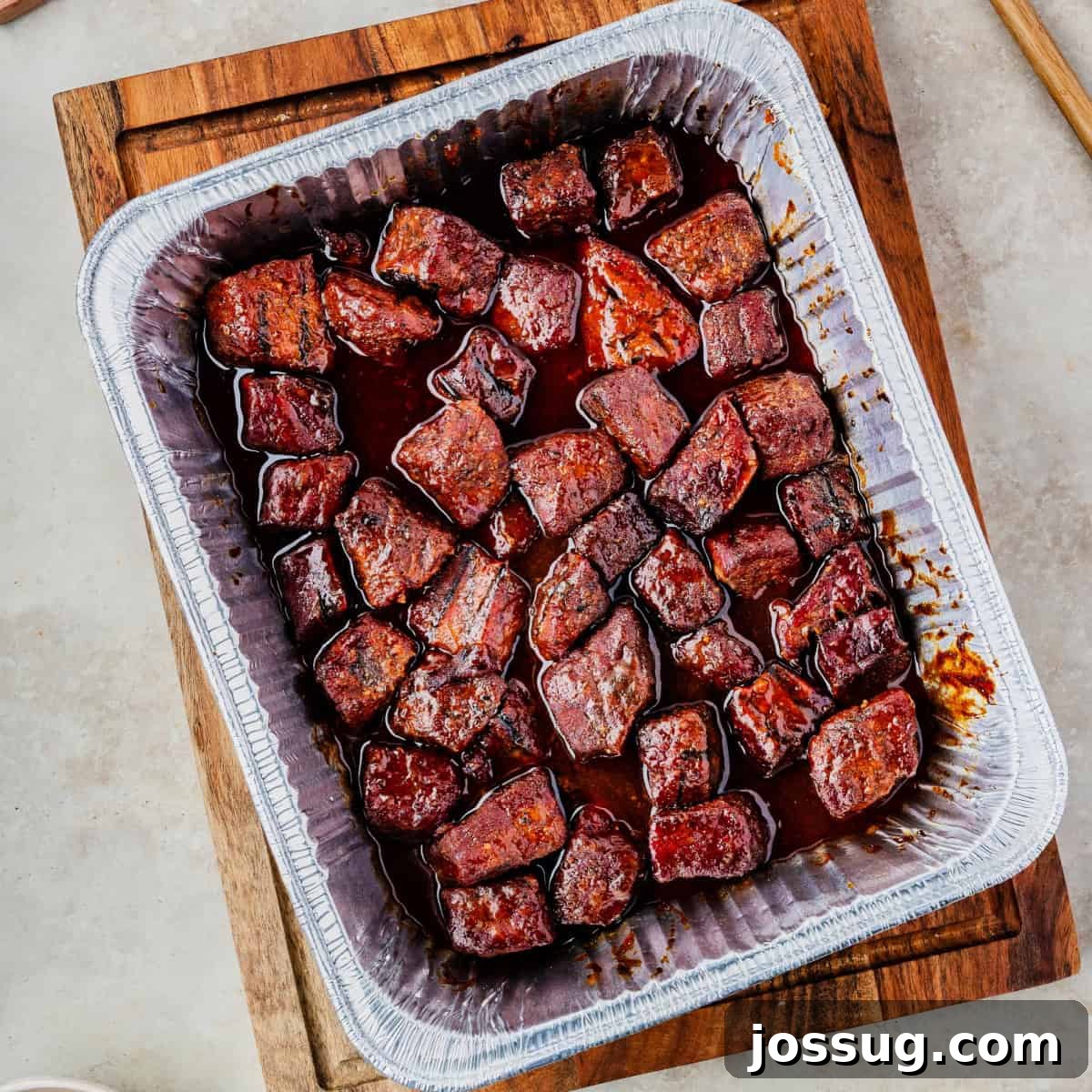
Forget the expensive brisket and dive into these incredibly juicy, flavor-packed Poor Man’s Burnt Ends made with humble chuck roast! This easy-to-smoke recipe delivers an explosion of BBQ goodness that will tantalize your taste buds and impress every guest. 🍖😋
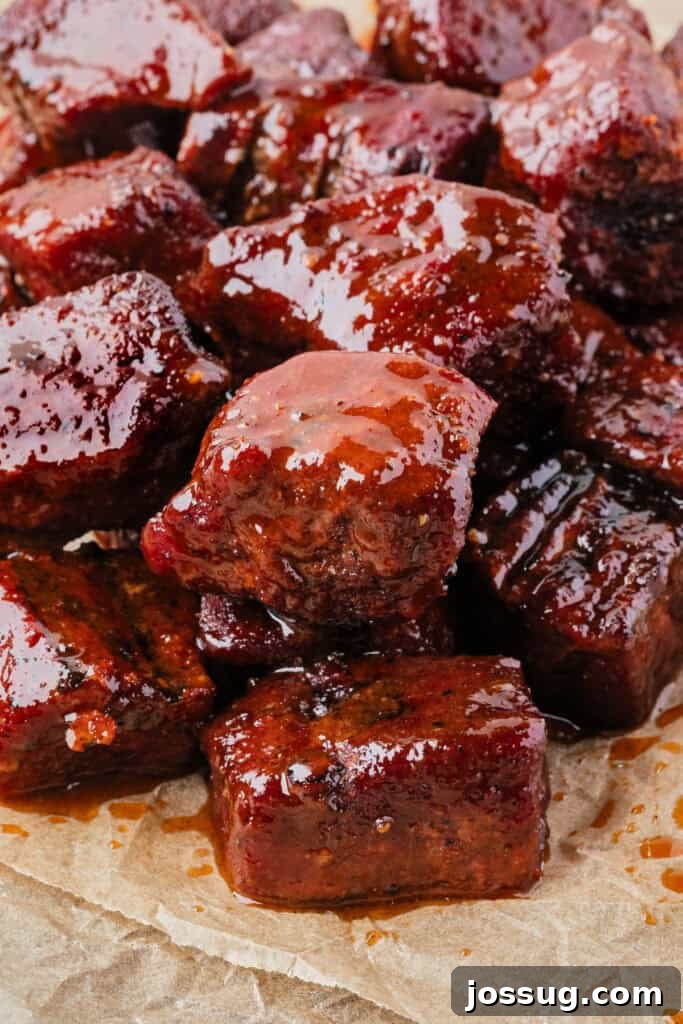
Poor Man’s Burnt Ends: The Ultimate Chuck Roast BBQ Recipe
Smoked brisket is undeniably a showstopper at any backyard BBQ. The perfectly rendered fat, the dark, peppery bark, and the melt-in-your-mouth tenderness are the stuff of legend. However, mastering brisket can be a daunting task, requiring a significant investment in time, effort, and a hefty cut of meat. For many, the commitment and cost often put this BBQ dream out of reach.
My journey to perfecting “Poor Man’s Burnt Ends” began at a friend’s casual cookout. Instead of traditional brisket, they used chuck roast, and the result was nothing short of astonishing. The flavor was deep, smoky, wonderfully saucy, and incredibly tender – everything you’d expect from the best burnt ends, but without the premium price or the all-day cook. I was instantly hooked and knew I had to recreate that magic at home. After several rounds of experimentation and fine-tuning, this Poor Man’s Burnt Ends recipe has become an absolute family favorite, regularly requested for summer gatherings and tailgate parties.
This recipe is a game-changer for anyone craving authentic BBQ flavor without the lengthy cook times or the high cost associated with brisket. You still achieve that coveted smoky bark, the irresistible sweet and sticky glaze, and the unbelievably tender texture that makes burnt ends so popular. It’s the ideal dish when you want to feed a crowd on a budget or simply enjoy a fantastic BBQ experience without the fuss. Whether you’re a seasoned pitmaster or new to smoking, this chuck roast burnt ends recipe is simple enough for beginners yet satisfying enough to impress even the most discerning BBQ enthusiasts.
What Exactly Are Burnt Ends?
Traditionally, burnt ends are a delicacy derived from the “point” section of a smoked beef brisket. After the main brisket flat is sliced, the fattier, more marbled point is often cubed, tossed in extra BBQ sauce, and smoked further until the edges are caramelized and slightly “burnt” (hence the name). This process creates intensely flavorful, sticky, and incredibly tender pieces of beef that are truly addictive.
Our “Poor Man’s Burnt Ends” take this beloved concept and adapt it using a more accessible cut of meat: chuck roast. While not strictly traditional, the method replicates the desired texture and flavor profile, delivering all the smoky, saucy, melt-in-your-mouth goodness that has made burnt ends a BBQ staple.
⭐ Why Chuck Roast is the Perfect Substitute
- Budget-Friendly: Chuck roast is significantly more affordable than brisket, making this classic BBQ dish accessible to everyone.
- Incredible Flavor & Texture: Despite the lower price point, chuck roast is packed with marbling and connective tissue that breaks down beautifully during a slow smoke and braise, resulting in exceptionally tender, juicy, and rich burnt ends.
- Easier to Manage: A chuck roast is smaller and generally easier to handle and cook compared to a whole brisket, reducing prep time and the overall smoking duration.
- Deep Smoky Goodness: It absorbs smoke flavor wonderfully, developing a fantastic bark and a truly authentic BBQ taste.
- Simple Ingredients: This recipe uses common pantry spices and readily available ingredients, making it easy to whip up anytime.
- Versatile & Crowd-Pleasing: Perfect for meal prep, backyard cookouts, potlucks, or any occasion where you want to serve impressive BBQ.
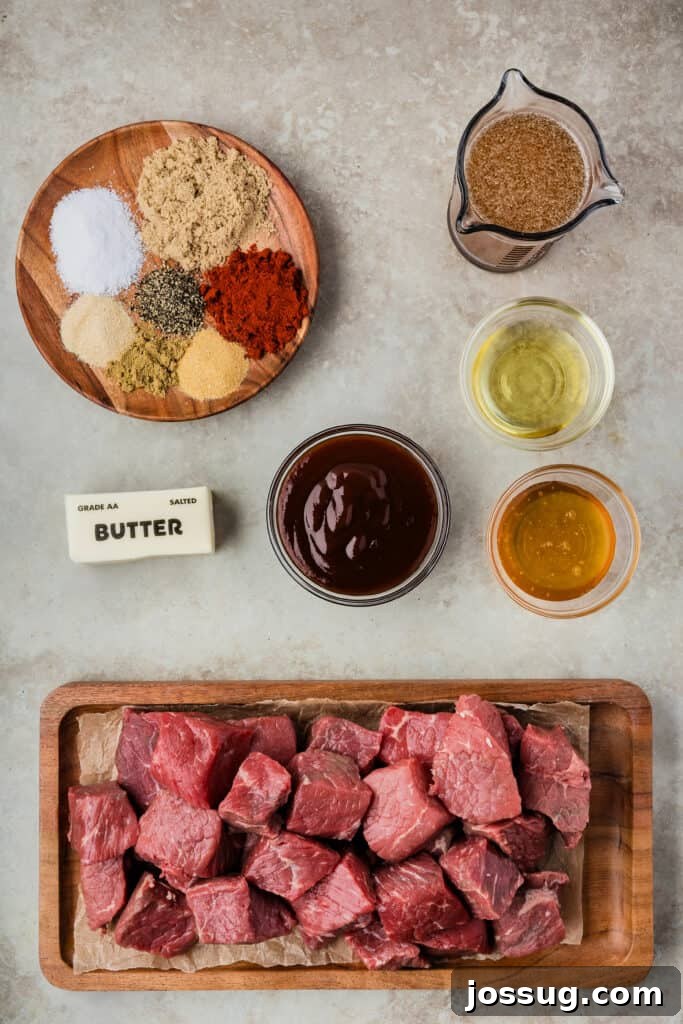
🛒 Essential Ingredients & Smart Substitutions
The Meat Base
- Chuck Roast: This is the star of our “Poor Man’s” version. Look for a well-marbled cut for the best flavor and tenderness.
- Substitute: While chuck roast is ideal, you could technically use brisket (though it defeats the “poor man’s” purpose due to cost and longer cook time). Beef shoulder clod offers a similar texture and fat content.
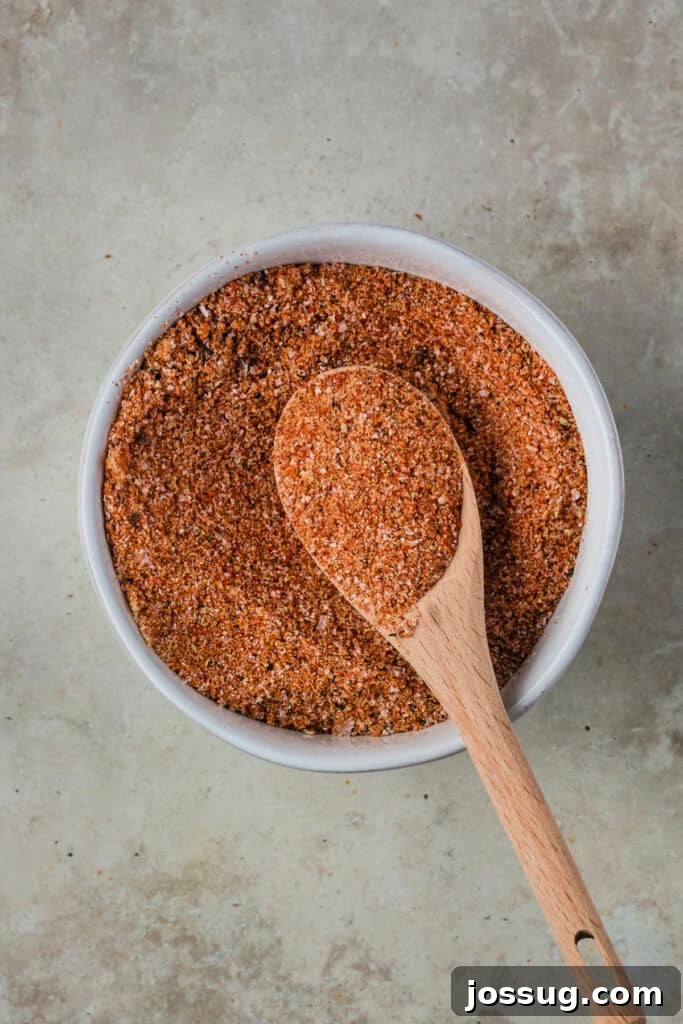
The Flavorful Dry Rub
A good dry rub is crucial for building that foundational BBQ flavor and forming a delicious bark during smoking.
- Brown Sugar: Adds sweetness, promotes caramelization for a great bark, and balances the smoky notes.
- Substitute: Coconut sugar or regular white granulated sugar can be used, though brown sugar adds a richer molasses flavor.
- Kosher Salt: Essential for seasoning and drawing out moisture to form a good bark.
- Substitute: Sea salt or table salt (use slightly less table salt as it’s finer and more potent).
- Smoked Paprika: Provides a beautiful reddish hue and an extra layer of smoky depth.
- Substitute: Regular paprika combined with a tiny pinch of liquid smoke (added during the braising stage, not the rub).
- Coarse Black Pepper: Contributes to the classic BBQ bark and a subtle heat.
- Substitute: Finely ground black pepper, but coarse provides better texture.
- Garlic Powder: A staple in any savory rub for aromatic flavor.
- Substitute: Granulated garlic. Fresh minced garlic can be used in the braising liquid but not in the dry rub.
- Onion Powder: Adds another layer of savory depth to the rub.
- Substitute: Granulated onion. Fresh minced onion can be used in the braising liquid.
- Ground Cumin (Optional): Offers an earthy, slightly smoky note that complements beef beautifully.
- Substitute: Chili powder or ground coriander for a different but equally delicious profile.
The Spritz for Moisture & Bark
Spritzing helps keep the meat moist and aids in bark formation, contributing to a richer flavor.
- Beef Broth: Provides a savory base for the spritz.
- Substitute: Chicken broth or even water with a dash of soy sauce for umami.
- Apple Cider Vinegar: Adds a tangy element that cuts through the richness and helps tenderize.
- Substitute: White vinegar or red wine vinegar.
- Worcestershire Sauce (Optional): Deepens the savory flavor profile.
- Substitute: Soy sauce or coconut aminos if desired, or simply omit.
Braising Pan Goodness: The Sticky Glaze
This is where the magic happens, transforming the smoked chuck roast into sticky, tender burnt ends.
- Unsalted Butter: Adds richness and helps create that desirable silky texture in the sauce.
- Substitute: Margarine or beef tallow.
- Honey: Contributes sweetness and helps create the sticky glaze.
- Substitute: Maple syrup or agave for a different kind of sweetness.
- BBQ Sauce: Use your absolute favorite! The quality of your BBQ sauce will significantly impact the final flavor.
- Brown Sugar: Adjust to your taste for extra sweetness and depth in the glaze.
- Substitute: Maple syrup for a deeper, more complex sweetness.
✨ Creative Variations to Customize Your Burnt Ends
- Rub It Your Way: Feel free to use a high-quality store-bought BBQ rub if you’re short on time. There are many excellent options available.
- Bring the Heat: For a spicy kick, add a pinch of chipotle powder or cayenne pepper to your dry rub.
- Experiment with Smoke: While cherry wood is fantastic, try oak or pecan for a slightly different smoke profile. Each wood imparts unique characteristics to the meat.
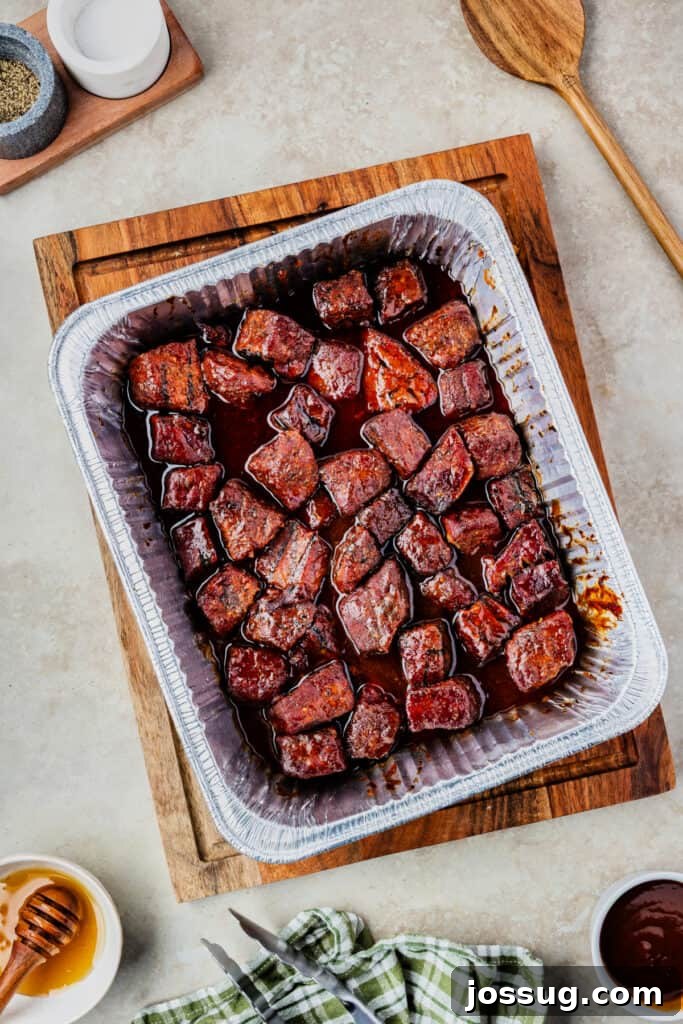
- Thicker Glaze Finish: If you prefer an extra thick and sticky glaze, remove the foil during the final 30 minutes of braising to allow the sauce to reduce and caramelize further.
- Sweet Heat BBQ: Incorporate some peach or apricot preserves into your braising sauce for a fruitier, sweeter, and tangier glaze.
🔥 Expert Tips for Perfect Poor Man’s Burnt Ends
- Select Quality Chuck Roast: A well-marbled chuck roast with good fat distribution will yield the most tender and juicy burnt ends. Don’t be afraid to ask your butcher for recommendations.
- Room Temperature Meat: Allow your seasoned chuck roast to sit at room temperature for 30-60 minutes while your smoker preheats. This helps the meat cook more evenly.
- The Power of Spritzing: Don’t skip the spritzing step! It’s crucial for keeping the bark from drying out and helps develop that beautiful, flavorful crust. Plus, it adds an extra layer of moisture and tang.
- Don’t Rush the Braise: The foil pan step is where the connective tissues truly break down, transforming the meat into incredibly tender bites. This is where the magic really happens, so allow ample time.
- Invest in a Good Thermometer: An accurate grill-safe thermometer is your best friend. Rely on internal temperature readings, not just time, to ensure perfect results and food safety.
- Rest is Best: While burnt ends are often served hot from the smoker, a short 10-15 minute rest after the final glaze thickens allows the juices to redistribute, enhancing tenderness and flavor.
- Taste and Adjust: Before covering the braising pan, taste the sauce. Adjust sweetness or tanginess with more brown sugar, honey, or a splash of vinegar to suit your preference.
❓ Frequently Asked Questions (FAQs)
Yes, absolutely! You can achieve excellent results in your oven. Place the seasoned chuck roast cubes on a wire rack set over a baking sheet and bake at 250°F (120°C). During the braising step, add a few drops of liquid smoke to the mixture to impart that classic BBQ smoky flavor.
Spritzing is optional but highly recommended for optimal results. It plays a significant role in preventing the meat from drying out during the initial smoking phase and helps to develop a richer, more robust bark. If you want the best possible texture and flavor, don’t skip it!
For a sweet and mild smoke flavor that complements beef beautifully, we highly recommend cherry wood. Oak and pecan are also excellent choices, offering a slightly stronger but still balanced smoke profile. It’s best to avoid mesquite, as its strong flavor can easily overpower the delicate beef.
Chuck roast is specifically chosen for its ideal fat content and connective tissue, which render down into incredibly tender and flavorful burnt ends. Leaner cuts, such as stew meat or sirloin, will not break down in the same way and are likely to end up dry and tough, so we advise sticking with chuck roast.
Absolutely! For optimal flavor penetration, you can season the chuck roast cubes with the dry rub and refrigerate them overnight. This allows the spices to work their magic. You can also smoke the meat up to the braising step, cool it, and then finish the braising process closer to serving time.
The ultimate test for doneness is tenderness. The burnt ends should be incredibly fork-tender, practically falling apart with minimal pressure. For a precise measurement, the internal temperature should typically range between 195°F and 203°F (90°C and 95°C) when checked with a reliable meat thermometer.
Yes, a pellet grill works wonderfully for Poor Man’s Burnt Ends. Maintain a steady temperature of 250°F (120°C) and choose a mild wood pellet, such as cherry or pecan, for the best results. Pellet grills often maintain good humidity levels, so you might find that spritzing is less critical but still beneficial.
Not during the initial smoking phase. It’s important to allow the meat to develop a good, crusty bark directly on the smoker grate. Only wrap the meat in foil when you transfer it to the braising pan with the sauce. Wrapping too early can prevent bark formation and result in a softer exterior.
Classic BBQ sides are always a hit! Consider serving them with creamy mac and cheese, a tangy potato salad, sweet and savory baked beans, or fluffy cornbread. For a lighter touch, serve them as sliders on soft buns with a crunchy coleslaw and crisp refrigerator pickles.
🍽️ Other Delicious BBQ Recipes You May Enjoy
Main Dish
Smoked Hot Dog Burnt Ends
Southern Recipes
Blackened Steak and Shrimp with Citrus Butter Sauce
Side Dish
Grilled Corn
Side Dish
Grilled Parmesan Zucchini
8
servings
Poor Man’s Burnt Ends
Jamie Sherman
20 minutes
5 hours
30 minutes
5 hours
50 minutes
Rate
Equipment
-
Smoker
-
Grill-safe thermometer
-
Knife
-
Cutting board
-
Mixing bowl
-
Food-safe spray bottle
-
9×13-inch disposable foil pan
-
Grill tool set
-
Heavy Duty Aluminum Foil
Ingredients
Meat
- 3 to 4 pounds chuck roast, cut into 2-inch chunks
Dry Rub
- 2 tablespoons brown sugar
- 1 tablespoon kosher salt
- 1 tablespoon smoked paprika
- 1 teaspoon coarse black pepper
- 1 teaspoon garlic powder
- 1 teaspoon onion powder
- ½ teaspoon ground cumin
Spritz
- 1 cup beef broth
- 2 tablespoons apple cider vinegar
- 1 tablespoon Worcestershire sauce, optional
Braising Pan
- 3 to 4 tablespoons unsalted butter, cut into pieces
- 2 to 3 tablespoons honey
- ¾ cup BBQ sauce
- 1 to 2 tablespoons brown sugar, to taste
Instructions
Prep the Meat
-
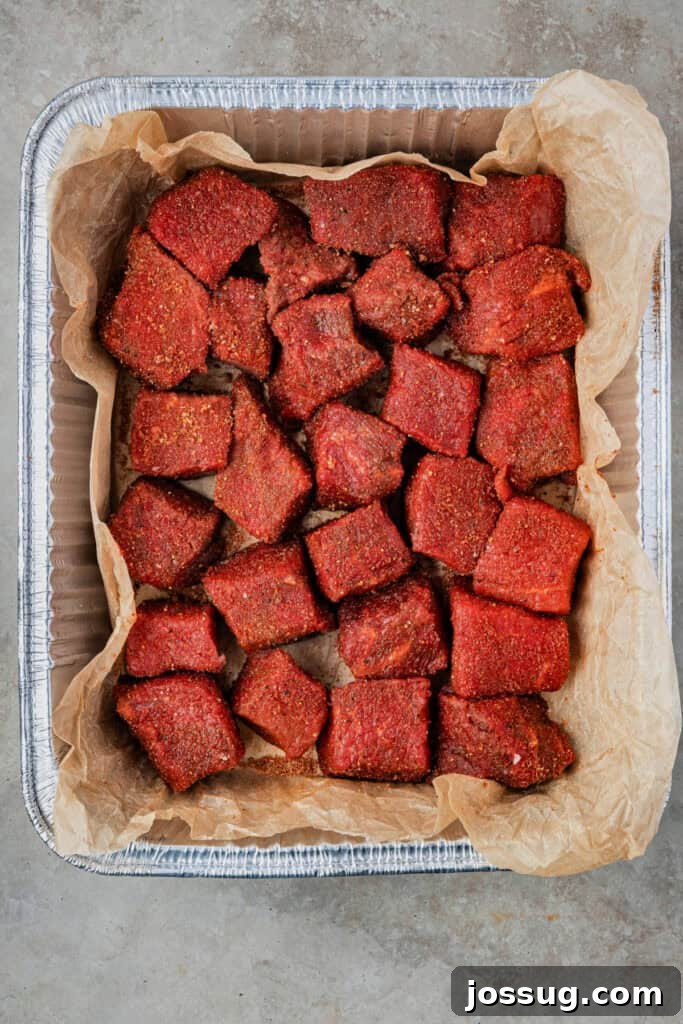
Trim any excess fat from the chuck roast, then cut it into uniform 2-inch chunks. Pat the meat thoroughly dry with paper towels. In a large mixing bowl, coat the chuck roast chunks evenly with the dry rub mixture, ensuring every piece is well-seasoned. Let the seasoned meat sit at room temperature while your smoker preheats.
Preheat Smoker
-
Set your smoker to a consistent temperature of 250°F (120°C). To help retain moisture during the long smoke, add a water pan to the smoker. For a delightful sweet and mild flavor profile, use cherry wood. Oak or pecan also work exceptionally well, providing a richer smoke.
Smoke the Meat
-
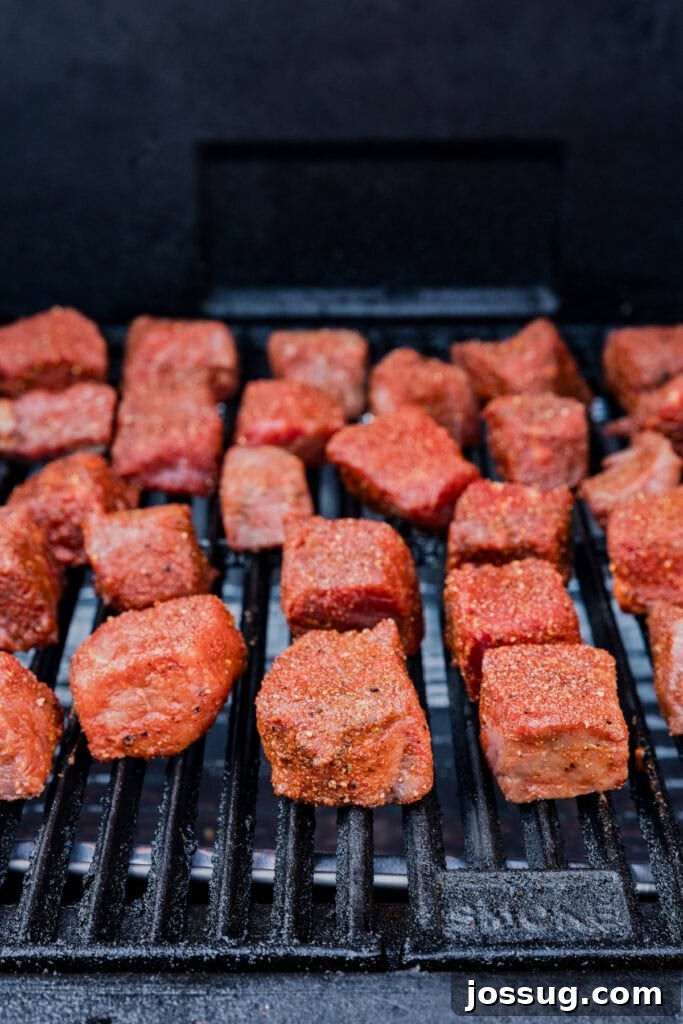
Carefully arrange the seasoned chuck roast chunks directly onto the smoker grates, or on a wire rack if preferred. Smoke the meat until its internal temperature reaches 165°F (74°C). This typically takes about 2.5 to 3.5 hours, depending on your smoker and the size of your meat chunks.
-
After the first hour, begin spritzing the meat every 45 to 60 minutes with the prepared spritz mixture. This helps maintain moisture and enhances bark development.
Braise the Burnt Ends
-
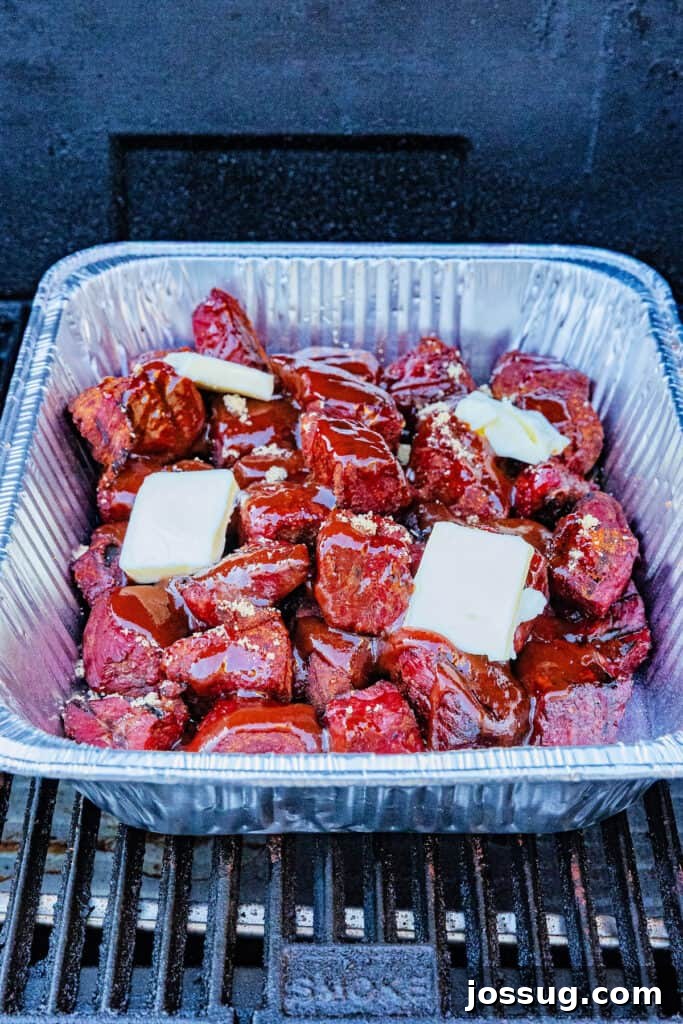
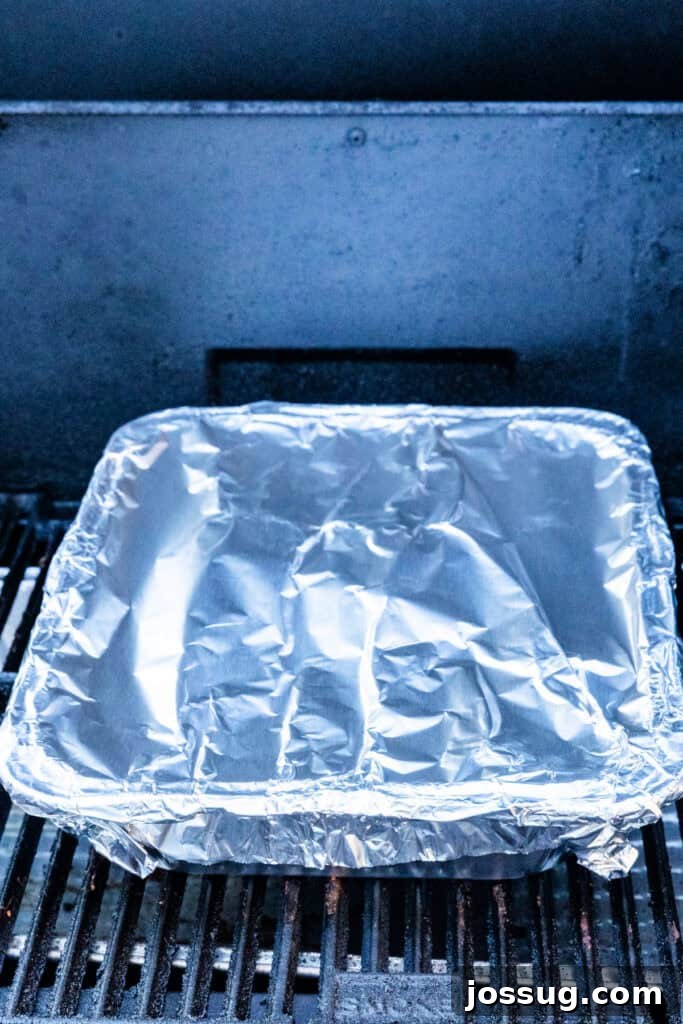
Once the meat reaches 165°F, transfer the smoked chuck roast chunks into a 9×13-inch disposable foil pan. Add the unsalted butter pieces, honey, your favorite BBQ sauce, and 1 to 2 tablespoons of brown sugar (adjust to your sweetness preference). Toss gently to ensure all the meat is well-coated in the delicious braising liquid. Cover the pan tightly with heavy-duty aluminum foil.
-
Return the covered foil pan to the smoker. Continue to smoke until the internal temperature of the meat reaches 195°F to 203°F (90°C to 95°C), and the meat is incredibly fork-tender, easily pulling apart. This braising stage usually takes another 1.5 to 2.5 hours. Stir the contents of the pan occasionally to ensure even coating and tenderness.
Optional Finishing (for extra sticky glaze)
-
For an extra sticky and caramelized glaze, carefully remove the foil from the pan, give the burnt ends a final stir, and return the uncovered pan to the smoker for an additional 20 to 30 minutes. This allows the sauce to thicken and cling beautifully to the meat.
Serve
-
Remove the Poor Man’s Burnt Ends from the smoker and let them rest for a few minutes. Serve hot with your favorite BBQ sides, or pile them high onto soft buns with crisp pickles and creamy coleslaw for the ultimate BBQ sandwich experience. Enjoy!
Notes
🥡 STORAGE
- Store any leftover Poor Man’s Burnt Ends in an airtight container in the refrigerator for up to 4 days.
- For the best results and to keep the meat moist, store the burnt ends along with any extra sauce.
♨️ REHEATING
- Oven: Preheat your oven to 300°F (150°C). Place the burnt ends in a baking dish, add a splash of beef broth or extra BBQ sauce, cover tightly with foil, and heat for 15-20 minutes until warmed through.
- Microwave: For a quick reheat, place burnt ends in a microwave-safe dish with a splash of broth or sauce. Cover loosely and heat in 30-second bursts, stirring between each burst until hot.
- Skillet: Reheat in a covered skillet over medium-low heat, adding a bit of butter or sauce for added moisture and flavor. Uncover for the last few minutes to caramelize the edges slightly.
❄️ FREEZING
- Allow the burnt ends to cool completely. Store them in a freezer-safe container or heavy-duty zip-top bag for up to 3 months.
- Adding a bit of extra sauce to the container before freezing will help retain moisture and flavor when reheated. Thaw overnight in the refrigerator before reheating.
💡 TIPS FOR BEST RESULTS
- Always choose a well-marbled chuck roast for the most tender, juicy, and flavorful burnt ends.
- Spritzing the meat during the initial smoke helps tremendously in developing a rich, flavorful bark and prevents the meat from drying out.
- Prepare your dry rub ahead of time. You can mix a larger batch and store it, saving precious time on cooking day.
- During the braising step, stir the meat in the sauce occasionally to ensure an even coating and consistent tenderness.
🍳 ALTERNATE COOKING METHODS
- Oven: If you don’t have a smoker, you can roast the seasoned chuck roast chunks on a wire rack placed over a baking sheet in a preheated oven at 250°F (120°C). To emulate the smoky flavor, add a few drops of liquid smoke to the braising mixture before covering and continuing to cook.
♻️ LEFTOVERS
- Transform leftover burnt ends into delicious BBQ sandwiches, flavorful nachos, hearty tacos, or loaded baked potatoes.
- For a unique breakfast twist, chop the leftovers and mix them into scrambled eggs or an omelet.
Nutrition
Carbohydrates: 21g,
Protein: 34g,
Fat: 24g,
Saturated Fat: 11g,
Polyunsaturated Fat: 2g,
Monounsaturated Fat: 11g,
Trans Fat: 1g,
Cholesterol: 129mg,
Sodium: 1429mg,
Potassium: 705mg,
Fiber: 1g,
Sugar: 18g,
Vitamin A: 649IU,
Vitamin C: 1mg,
Calcium: 53mg,
Iron: 4mg
Nutrition information is automatically calculated, so should only be used as an approximation.
Like this? Leave a comment below!