
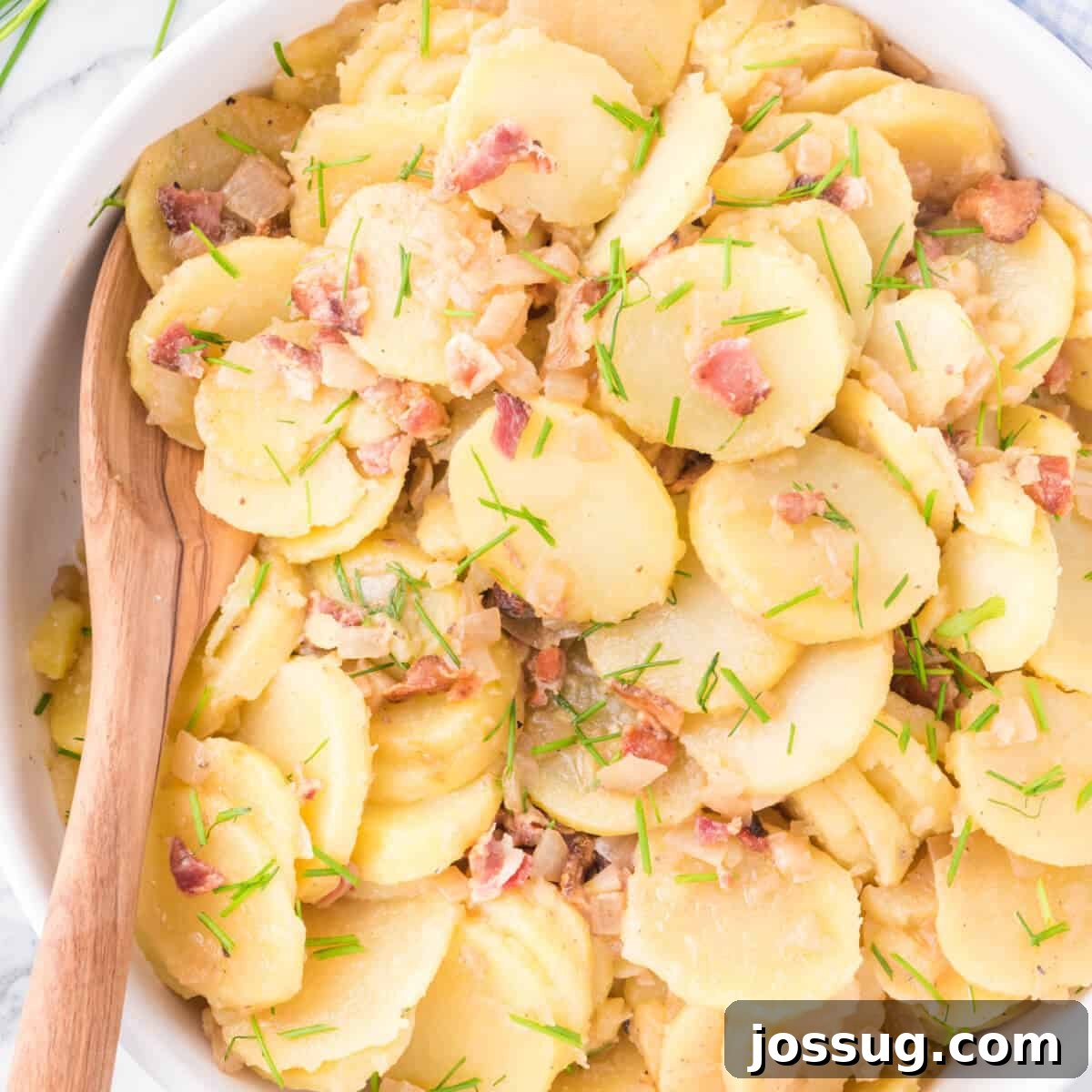
Authentic German Potato Salad: A Tangy, Warm Tradition for Your Table
Embark on a delightful culinary journey to Germany with our authentic recipe for German Potato Salad. Forget the creamy, mayonnaise-laden versions you might be familiar with; this traditional dish offers a distinctive tangy, savory, and often warm experience that is truly a taste of German heritage. Perfect for picnics, family gatherings, or as a hearty side to any meal, this potato salad is more than just food – it’s a celebration of flavor and tradition, meticulously crafted to bring a piece of German culture directly to your dining table. Prepare to discover why this beloved classic holds a special place in hearts across Germany and beyond, with its irresistible blend of tender potatoes, crispy bacon, and a vibrant, vinegar-based dressing.
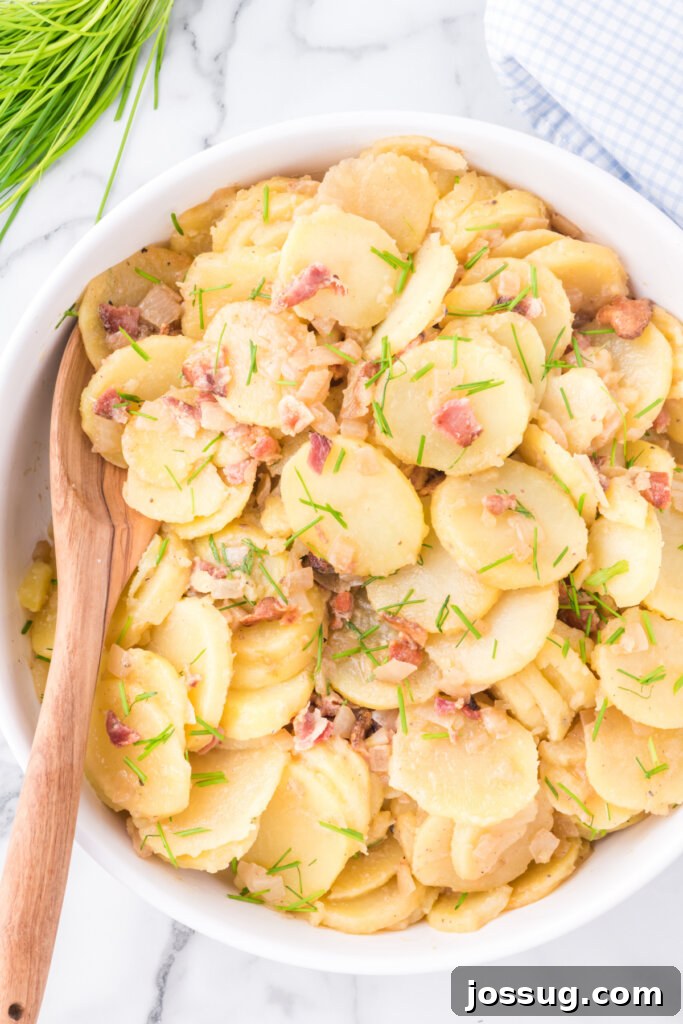
The Heart of German Potato Salad: A Culinary Journey Through Tradition
Unlike its creamy American counterpart, authentic German Potato Salad, or “Kartoffelsalat,” distinguishes itself with a vibrant, vinegar-based dressing and is typically served warm or at room temperature. This unique characteristic is not merely a preference but a reflection of regional culinary traditions. In Southern Germany, particularly Bavaria and Swabia, the warm, bacon-infused, vinegar-and-broth dressing is king. This style provides a delightful contrast in textures and temperatures, making it a standout dish at any meal.
The history of Kartoffelsalat is deeply intertwined with German home cooking. It’s a dish often passed down through generations, with each family adding their own subtle tweaks and “secret ingredients” that make it uniquely theirs. From the choice of vinegar to the amount of sugar, or the inclusion of specific herbs, these variations highlight the rich tapestry of German regional cuisine. Eating German Potato Salad isn’t just about enjoying a delicious dish; it’s about experiencing a piece of this culinary heritage, a story of families gathering, sharing, and creating lasting memories around the dinner table.
The simplicity of its core ingredients—potatoes, bacon, onions, and a tangy dressing—belies the depth of flavor it achieves. The potatoes, carefully cooked to retain their integrity, absorb the zesty dressing, while crispy bacon bits provide a smoky, salty counterpoint. It’s this beautiful balance of tangy, savory, and subtly sweet notes that makes German Potato Salad an unforgettable experience. Whether you’re hosting a barbecue, preparing a holiday feast, or simply craving a taste of tradition, this recipe offers a delicious and authentic way to explore the flavors of Germany.
Unveiling the Authentic German Potato Salad Recipe
Ready to bring the authentic flavors of Germany into your kitchen? This recipe is designed to guide you through creating a classic German Potato Salad that is both traditional and incredibly satisfying. We’ll focus on achieving that perfect balance of tender potatoes, crisp bacon, and a wonderfully tangy, warm dressing that defines this iconic dish. Gather your ingredients, and let’s embark on this delightful cooking adventure.
Essential Ingredients & Savvy Substitutions for Your Kartoffelsalat
Crafting the perfect German Potato Salad starts with selecting the right ingredients. Each component plays a crucial role in achieving the dish’s signature flavor and texture. Here’s a detailed look at what you’ll need and how you can make smart substitutions without compromising authenticity or taste.
The Foundation: Potatoes
- Yukon Gold or New Potatoes (Skins On): These waxy varieties are ideal because they hold their shape beautifully after cooking, preventing a mushy salad. Their creamy texture and slightly buttery flavor complement the tangy dressing perfectly. Leaving the skins on adds rustic charm and extra nutrients, but you can peel them if preferred.
- Substitution Tip: Red potatoes are another excellent choice for their firm texture. Avoid starchy potatoes like Russets, as they tend to break down too easily, leading to a pasty consistency.
The Savory Backbone: Bacon
- Thick-Cut Bacon: Quality bacon is paramount here, as it not only provides delicious crispy bits but also renders flavorful fat, which forms the base for our dressing. Any brand you enjoy will work, but a good quality thick-cut bacon will yield the best results.
- Substitution Tip (Vegetarian/Vegan): For a meat-free version, omit the bacon. You can achieve a smoky depth by sautéing onions in olive oil and adding a pinch of smoked paprika or a dash of liquid smoke to the dressing.
Aromatic & Zesty Elements
- White Onion: Diced white onion adds a sharp, fresh bite that mellows beautifully when sautéed in bacon fat. It’s a classic component that provides an essential layer of flavor.
- Substitution Tip: Yellow or sweet onions (like Vidalia) can be used for a slightly milder flavor profile.
- Freshly Chopped Chives: A garnish that offers a mild oniony flavor and a pop of vibrant green.
- Substitution Tip: Fresh parsley or finely chopped green onions can be used if chives are unavailable.
The Tangy Dressing: Liquid Gold
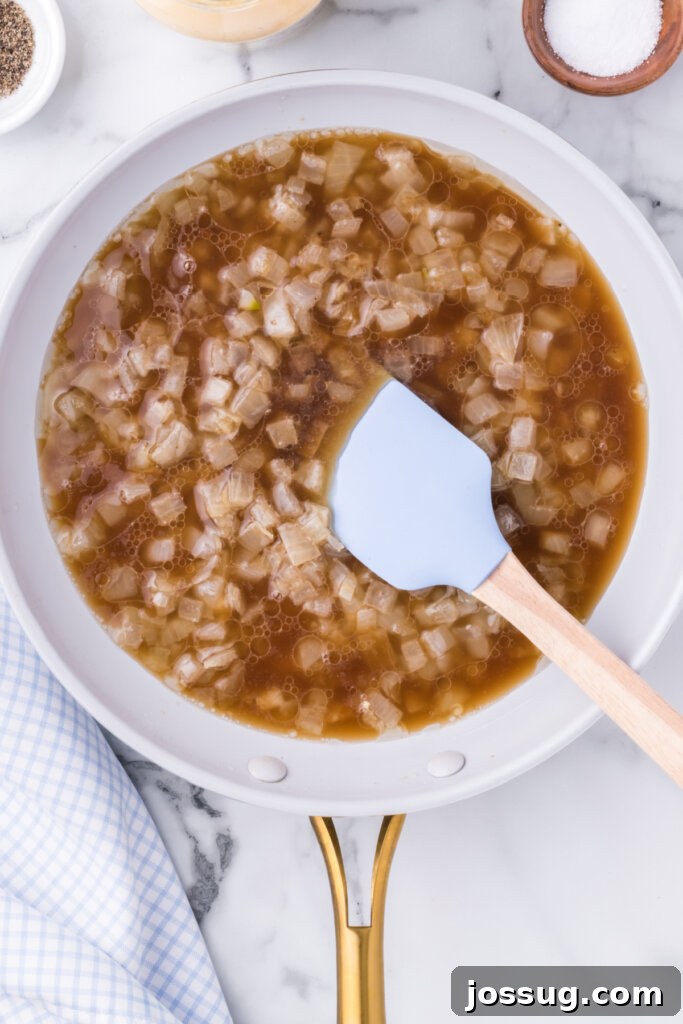
- Bouillon (e.g., Better Than Bouillon Roast Beef Base) & Water: This combination creates a rich, savory broth that forms the liquid base of the dressing, infusing it with umami. I recommend a beef base for a robust flavor that complements the bacon, but chicken or vegetable bouillon can also be used.
- Dijon Mustard: Essential for its pungent, slightly spicy kick and emulsifying properties. It adds depth and helps to bind the dressing.
- Crucial Note: Do NOT use yellow mustard. Its flavor profile is completely different and will not yield the authentic German taste.
- White Wine Vinegar: The star of the tangy dressing. It provides the characteristic sourness that balances the richness of the bacon and potatoes.
- Substitution Tip: Apple cider vinegar is an excellent alternative, offering a slightly fruitier and milder tang, which some prefer. Rice vinegar could also work for a very subtle tang, but white wine or apple cider vinegar are more traditional.
- Vegetable Oil: Helps to carry flavors and adds a touch of richness to the dressing.
- Granulated Sugar: A small amount of sugar is vital to balance the acidity of the vinegar. It prevents the dressing from being overly sharp and enhances the overall flavor.
- Taste Adjustment: The sweetness level is highly personal. Feel free to adjust to your palate, or even omit if you prefer a purely tart salad.
- Salt & Freshly Ground Black Pepper: Seasoning is key to bringing out all the flavors. Always taste and adjust as you go. Kosher salt is recommended for its pure flavor.
Understanding the role of each ingredient and the impact of substitutions empowers you to make this German Potato Salad truly your own, while still honoring its traditional roots. Don’t be afraid to experiment, especially with the vinegar and sugar ratios, to find your perfect balance!
Ingredients List (for 8 servings):
- 2 pounds Yukon Gold potatoes, with skins on and scrubbed clean (about 8-10 medium potatoes)
- 6-8 slices thick-cut bacon
- ½ cup white onion, finely diced
- 2 teaspoons Better Than Bouillon Roast Beef Base (or preferred bouillon)
- ½ cup water
- 1 tablespoon Dijon mustard
- 4 tablespoons white wine vinegar
- 5 tablespoons vegetable oil
- 1 teaspoon granulated sugar (adjust to taste)
- ½ teaspoon kosher salt, or more to taste
- ¼ teaspoon freshly ground black pepper
- ¼ cup freshly chopped chives, for garnish
Crafting Your Authentic German Potato Salad: A Step-by-Step Guide
Making German Potato Salad is a straightforward process, but paying attention to each step ensures the best results. Follow these instructions to create a truly memorable dish:
Equipment You’ll Need:
- Large Pot (for boiling potatoes)
- Skillet (preferably cast iron, for bacon and onions)
- Cutting Board & Sharp Knife
- Measuring Cups & Spoons
- Large Mixing Bowl
- Heat-Resistant Bowl or Container with a Pour Spout
- Rubber Spatula or Wooden Spoon (for gentle mixing)
- Tongs (for handling hot potatoes)
- Optional: Measuring Cups and Spoons
- Optional: Kitchen Knife
- Optional: Cutting Board
- Optional: Mixing Bowl
- Optional: Calphalon 5-Piece Nylon Kitchen Cooking Utensil Set
- Optional: Rubber Spatula or Wooden Spoon
- Optional: Tongs
- Optional: Calphalon Classic Nonstick Dutch Oven with Cover, 5 quart
- Optional: 8 Inch Cast Iron Skillet – Pre-Seasoned Skillet
Instructions:
- Prepare and Cook the Potatoes: Thoroughly scrub and clean the skins of your Yukon Gold or new potatoes. Place them in a large pot and cover with cold water. Bring to a boil, then reduce heat and simmer until the potatoes are tender when pierced with a fork, but still firm enough to hold their shape and not fall apart. This typically takes about 10-15 minutes, depending on their size. Drain the potatoes well and let them cool slightly.
- Crisp the Bacon: While the potatoes are cooking, heat a skillet over medium-high heat. Add the thick-cut bacon and cook until it’s wonderfully crispy. Remove the bacon with tongs, placing it on a plate lined with paper towels to drain excess fat. Once cooled, chop the bacon into 1/4-inch pieces and set aside. Reserve about 3-4 tablespoons of the rendered bacon fat in the skillet.
- Sauté the Onions: Reduce the heat to medium. Add the diced white onion to the skillet with the reserved bacon fat. Sauté for about 2 minutes, or until the onions are translucent and softened but not browned. This step infuses the dressing with rich, savory flavor.
- Whisk the Warm Dressing: To the sautéed onions in the skillet, add the bouillon base dissolved in water. Bring the mixture to a gentle simmer. Next, whisk in the Dijon mustard, white wine vinegar, vegetable oil, granulated sugar, kosher salt, and freshly ground black pepper. Continue to whisk until all ingredients are well combined and the dressing is heated through.
- Transfer the Dressing: Transfer the prepared dressing to a heat-resistant bowl or container with a pour spout for easy handling.
- Slice the Potatoes: Once the potatoes are cool enough to handle, gently remove their skins (if desired, though keeping them on is authentic and adds texture). Carefully cut the potatoes into approximately 1/4-inch slices. Transfer these delicate slices to a large, shallow serving bowl.
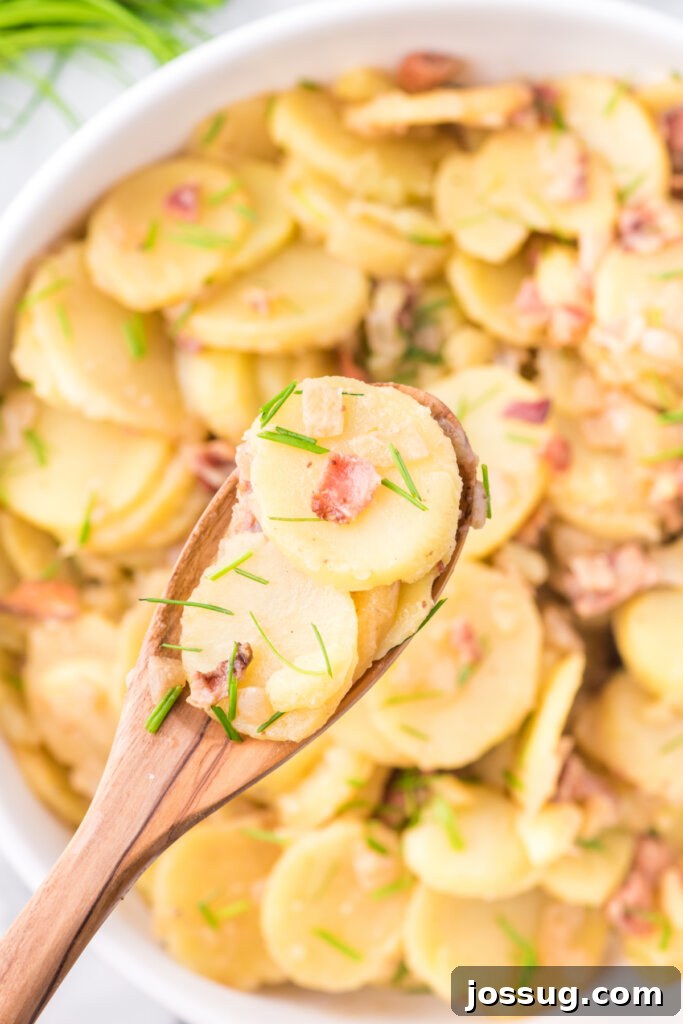
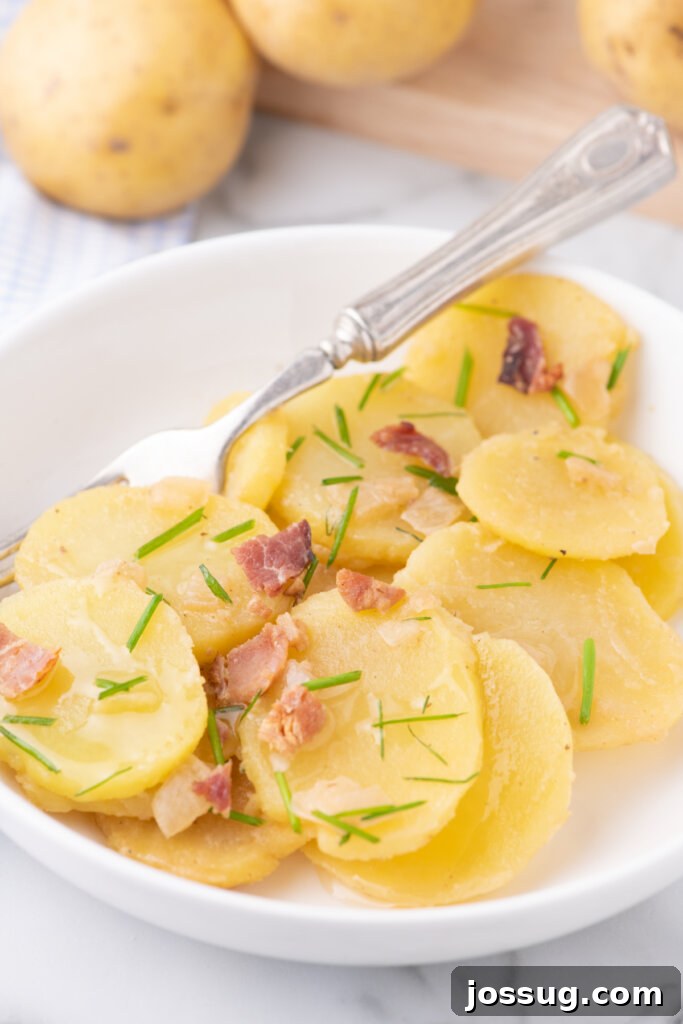
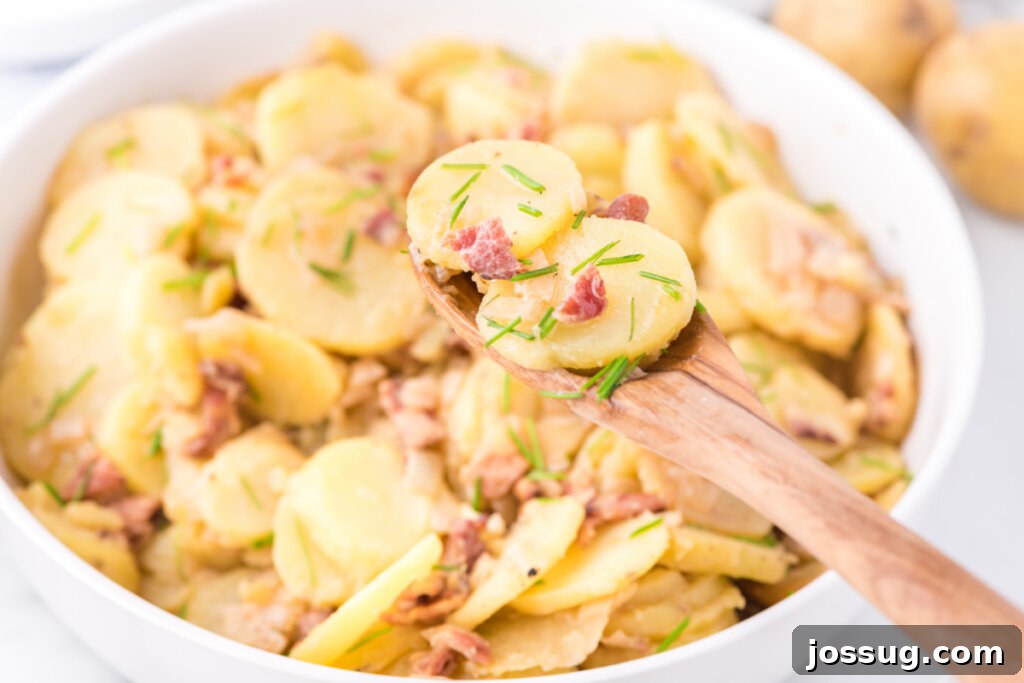
- Combine and Serve: Pour the warm, tangy dressing evenly over the sliced potatoes. Add the chopped crispy bacon pieces. Using a rubber spatula or wooden spoon, gently fold the dressing and bacon into the potatoes. Be very gentle to avoid breaking the potato slices; you want them to remain largely intact. Ensure the potatoes are thoroughly coated. Serve your authentic German Potato Salad warm, garnished with fresh chives.
Expert Tips & FAQs for Your German Potato Salad Success
To ensure your German Potato Salad is perfect every time, consider these expert tips and common questions:
Tips for the Best German Potato Salad:
- Don’t Overcook Potatoes: This is crucial. Overcooked potatoes will turn mushy, making it difficult to slice them cleanly and compromising the salad’s texture. They should be tender but still firm.
- Dress While Warm: Dressing the potatoes while they are still warm allows them to absorb the tangy flavors much more effectively, creating a deeply infused and delicious salad.
- Adjust Sweetness and Tang: The balance of vinegar and sugar is subjective. Taste the dressing before combining with potatoes and adjust to your preference. A little more sugar can cut through strong vinegar notes, or more vinegar can enhance the tang.
- Quality Bacon Matters: Since bacon is a prominent flavor, investing in good quality, thick-cut bacon will significantly elevate your salad.
- Gentle Folding: Potatoes are delicate once cooked. Always fold gently to combine ingredients to maintain their shape.
- Flavor Development: While best served warm, the flavors of German Potato Salad can intensify and meld beautifully if allowed to rest for an hour or two before serving, or even overnight in the refrigerator (reheat gently if serving warm).
Frequently Asked Questions:
This style of potato salad originates from Germany. Each region might have its own variation, but the warm, tangy, vinegar-based dressing, often enriched with bacon fat and broth, is its distinctly German characteristic.
While traditionally served warm, it’s also delicious at room temperature or even chilled. The warmth enhances the dressing’s flavors, but personal preference dictates how you enjoy it!
Absolutely! Many regional variations exist. Common additions include finely chopped pickles (gherkins), hard-boiled eggs, fresh dill, or caraway seeds for extra depth. Feel free to experiment and make it your own!
When stored in an airtight container in the refrigerator, it’s best consumed within 3-4 days. Always check for any signs of spoilage before serving.
The basic ingredients—potatoes, vinegar, bacon, and onions—are naturally gluten-free. However, if you have a strict gluten-free diet, always check the labels of your bouillon, mustard, and any other processed ingredients to ensure they are certified gluten-free.
This versatile salad pairs wonderfully with a variety of German dishes and grilled meats. It’s a classic accompaniment to sausages (like bratwurst or knackwurst), schnitzel, roasted chicken, grilled pork chops, or even a simple green salad.
Yes, you can! Making it a day in advance allows the flavors to deepen and meld. If you prefer it warm, simply reheat gently on the stovetop or in the microwave before serving, adding a splash of broth or water if it seems too dry.
A watery salad usually happens if the potatoes are overcooked and absorb too much water, or if they aren’t properly drained. Ensure your potatoes are just fork-tender and allow them to steam dry for a few minutes after draining before slicing.
Freezing is generally not recommended for potato salads, especially those with a vinegar base, as the texture of the potatoes can become mealy, grainy, or mushy upon thawing. It’s best enjoyed fresh or refrigerated.
Explore More Delicious Recipes
If you’ve enjoyed this taste of German cuisine, you might also like to explore other delightful potato-centric dishes and comforting classics:
- Hash Brown Casserole – The Ultimate Comfort Side
- Creamy Bacon Ranch Potato Salad
- Slow Cooker Sauerbraten Beef in Gingersnap Gravy
- Classic Red Potato Salad
- Grilled Twice Baked Potatoes
Nutrition Information
(Approximate values per serving, based on 8 servings)
- Calories: 285 kcal
- Carbohydrates: 22 g
- Protein: 6 g
- Fat: 19 g
- Saturated Fat: 5 g
- Polyunsaturated Fat: 7 g
- Monounsaturated Fat: 7 g
- Trans Fat: 0.1 g
- Cholesterol: 18 mg
- Sodium: 473 mg
- Potassium: 558 mg
- Fiber: 3 g
- Sugar: 2 g
- Vitamin A: 69 IU
- Vitamin C: 24 mg
- Calcium: 21 mg
- Iron: 1 mg
Nutrition information is automatically calculated and should only be used as an approximation. Individual results may vary based on exact ingredients and preparation methods.