
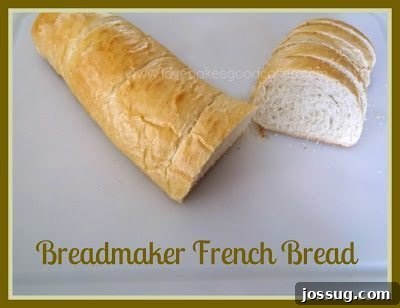
There’s nothing quite like the comforting aroma and taste of freshly baked bread. And when it comes to classic favorites, French bread stands out with its irresistible crust and soft, airy interior. Imagine pulling a warm, golden-brown loaf straight from your oven, ready to be slathered with butter or dipped into your favorite soup. This dream can become a reality with surprising ease, thanks to your bread machine! Our ultimate bread machine French bread recipe simplifies the process, allowing you to enjoy authentic homemade French bread with minimal effort. Get ready to transform your kitchen into a French boulangerie!
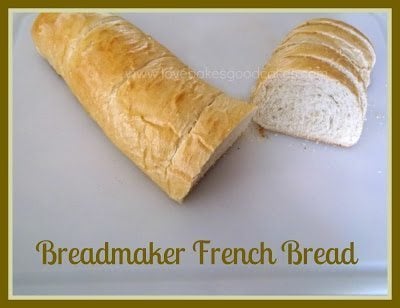
Effortless Homemade French Bread: Your Ultimate Bread Machine Recipe
Making homemade bread can often seem daunting, but with the help of a bread machine, it becomes a wonderfully simple and rewarding experience. This Breadmaker French Bread recipe is a staple in many kitchens for good reason: it does most of the hard work for you, from kneading to the first rise. If your family cherishes the delightful taste and texture of freshly baked bread, this recipe is an absolute must-try. Say goodbye to store-bought loaves and hello to the superior flavor and freshness of bread made right in your own home.
Classic Breadmaker French Bread Recipe
By Jamie Sherman
I absolutely adore baking bread from scratch, and this Breadmaker French Bread recipe is one I turn to again and again. It’s incredibly straightforward because the bread machine handles nearly all the kneading and initial proofing. If your household appreciates the irresistible taste of homemade bread, you simply have to try this recipe!
Yields: 2 loaves
Prep time: 20 minutes
Cook time: 1 hour 30 minutes
Total time: 1 hour 50 minutes
Click the “Print” button below to get a handy copy of the recipe for your kitchen.
Print Recipe
Ingredients
- 1 ¼ cups water
- 2 teaspoons sugar
- 1 teaspoon salt
- 3 ½ cups bread flour
- 1 ½ teaspoons active dry yeast
- 1 tablespoon cornmeal (for dusting)
Glaze
- 1 large egg
- 1 tablespoon water
- 2 teaspoons sesame seeds, toasted (optional)
Instructions
- Prepare the Bread Machine: In your bread machine pan, add the first five ingredients (water, sugar, salt, bread flour, active dry yeast) in the order recommended by your manufacturer. This order is crucial for proper yeast activation and dough development.
- Select Dough Setting: Choose the “dough” setting on your bread machine. After about 5 minutes of mixing, check the dough consistency. It should form a smooth, elastic ball that cleans the sides of the pan. If it’s too sticky, add 1-2 tablespoons of flour. If it’s too dry and crumbly, add 1-2 tablespoons of water, one at a time, until the desired consistency is achieved. Allow the cycle to complete.
- Shape the Loaves: Once the dough cycle is finished, carefully remove the dough from the machine and turn it out onto a lightly floured surface. Divide the dough in half. Take one portion and roll it into a 10×8-inch rectangle.
- Roll and Seal: Starting with the longer side, tightly roll up each rectangle, jelly-roll style. Pinch the seam firmly along the entire length to seal it completely. Gently taper the ends of the loaf if you desire a traditional French bread shape.
- Second Rise: Lightly grease a baking sheet, then sprinkle it generously with cornmeal. Place the shaped loaves, seam-side down, on the prepared baking sheet. Cover the loaves loosely with plastic wrap or a clean kitchen towel and let them rise in a warm, draft-free place until they have doubled in size, which typically takes about 20-30 minutes. This second rise contributes to the bread’s light and airy texture.
- Preheat Oven: While the loaves are rising, preheat your oven to 375°F (190°C).
- Prepare Glaze and Score: In a small bowl, whisk together the egg and 1 tablespoon of water to create an egg wash. Lightly brush this glaze over the top and sides of each risen loaf. Using a very sharp knife or a baker’s lame, make 4 shallow diagonal slashes across the top of each loaf. This scoring helps the bread expand evenly in the oven and creates that characteristic rustic French bread look. If desired, sprinkle the tops with toasted sesame seeds for added flavor and texture.
- Bake to Perfection: Place the baking sheet with the loaves into the preheated oven. Bake for 20-25 minutes, or until the loaves are beautifully golden brown and sound hollow when tapped on the bottom.
- Cool: Once baked, transfer the French bread loaves to a wire rack to cool completely. Cooling on a rack is essential to prevent the bottom crust from becoming soggy. Slice and enjoy your delicious homemade French bread!
Notes
- The nutrition information provided is calculated for 2 loaves, with each loaf sliced into 16 individual servings.
- For a truly crusty bread, you can place a pan of hot water on the bottom rack of your oven during baking. The steam helps create a crispier crust.
- Ensure your active dry yeast is fresh for the best rise. Old yeast can lead to dense bread.
- Bread flour has a higher protein content than all-purpose flour, which is ideal for developing the strong gluten structure needed for chewy French bread.
Nutrition Information
Serving: 1 slice
Calories: 55 kcal
Carbohydrates: 10g
Protein: 2g
Fat: 0.5g
Saturated Fat: 0.1g
Polyunsaturated Fat: 0.2g
Monounsaturated Fat: 0.1g
Trans Fat: 0.001g
Cholesterol: 6mg
Sodium: 76mg
Potassium: 19mg
Fiber: 0.4g
Sugar: 0.3g
Vitamin A: 9IU
Calcium: 5mg
Iron: 0.2mg
Nutrition information is automatically calculated and should only be used as an approximation.
The Irresistible Appeal of Homemade French Bread
There’s a special kind of magic that happens when you bake bread at home. The entire house fills with an inviting aroma that simply cannot be replicated by store-bought alternatives. Homemade French bread offers a superior taste, a more satisfying chew, and a crust that crackles just right. Beyond the sensory delights, baking your own bread gives you control over the ingredients, ensuring no unnecessary additives or preservatives. It’s a wholesome, satisfying food that brings comfort and joy to any meal.
Why Choose a Bread Machine for French Bread?
While traditional French bread making can involve extensive kneading and multiple proofing stages, your bread machine streamlines this process beautifully. It handles the most labor-intensive parts: mixing and kneading the dough to perfection, and often providing the ideal warm environment for the first rise. This means less mess, less effort, and consistent results every time. Even if you love the tactile experience of hand-kneading, a bread machine is an invaluable tool for busy days or when you simply want to enjoy delicious bread with minimal fuss. It takes the guesswork out of dough consistency and timing, making it perfect for both novice bakers and seasoned pros seeking convenience.
Essential Ingredients for Perfect French Bread
Achieving that classic French bread taste and texture starts with understanding your ingredients. Each one plays a vital role:
- Water: The foundation of your dough. Use lukewarm water (around 105-115°F or 40-46°C) if your bread machine requires it for yeast activation, though many modern machines handle room temperature water perfectly.
- Sugar: A small amount of sugar acts as food for the yeast, helping it activate and ensuring a good rise. It also contributes to the golden-brown crust.
- Salt: Essential for flavor and to control yeast activity. Don’t skip it, as unsalted bread can taste bland.
- Bread Flour: This is key! Bread flour has a higher protein content (typically 12-14%) compared to all-purpose flour. This higher protein content leads to stronger gluten development, which is crucial for French bread’s characteristic chewy texture and airy crumb structure.
- Active Dry Yeast: The leavening agent that makes your bread rise. Ensure your yeast is fresh and active for optimal results. Store it in an airtight container in the refrigerator or freezer.
- Cornmeal: Sprinkled on the baking sheet, cornmeal prevents the loaves from sticking and gives the bottom crust a pleasant, subtle crunch.
- Egg Wash (Egg and Water): The glaze brushed on before baking contributes to the beautiful golden-brown color and creates that signature crispy crust.
- Sesame Seeds (Optional): Adds a lovely nutty flavor and a touch of visual appeal.
Tips for Achieving the Perfect Loaf
While the bread machine simplifies much of the process, a few extra tips can elevate your French bread from good to extraordinary:
- Ingredient Temperature: Ensure your water is at the right temperature (or simply room temperature if your machine recommends it) and other ingredients aren’t straight out of the fridge. Cold ingredients can slow down yeast activity.
- Measure Accurately: Especially with flour, use a kitchen scale for precision if possible. If measuring by volume, spoon flour into your measuring cup and level it off; don’t scoop directly from the bag, which can compact the flour and lead to too much being added.
- Dough Consistency Check: Pay attention during the mixing stage in your bread machine (typically the first 5-10 minutes of the dough cycle). The dough should form a smooth, somewhat tacky ball. If it’s too wet, add flour a tablespoon at a time. If too dry, add water a teaspoon at a time. This adjustment is crucial for the final texture.
- Don’t Over-Flour Your Work Surface: When shaping the loaves, use just enough flour to prevent sticking. Too much added flour will make the bread dense and dry.
- Proper Scoring: Use a very sharp knife or a baker’s lame to score the dough. Deep, clean cuts allow the bread to expand properly in the oven, creating a beautiful shape and crust.
- Creating a Steamy Oven Environment: For an extra-crispy, professional-style crust, place a shallow pan of hot water on the bottom rack of your oven during baking. The steam helps the crust develop a beautiful sheen and prevents it from hardening too quickly.
- Cool Completely: Resist the urge to slice into your hot bread immediately. Allowing the bread to cool on a wire rack allows the internal structure to set and prevents a gummy texture.
Serving Suggestions: Enjoying Your Homemade French Bread
Your freshly baked French bread is incredibly versatile and can elevate almost any meal. Here are some ideas:
- With Soup or Stew: There’s nothing more comforting than dipping a piece of crusty French bread into a hearty bowl of soup, chili, or beef stew.
- Bruschetta: Slice the bread, toast it lightly, rub with garlic, drizzle with olive oil, and top with fresh tomatoes and basil for a delicious appetizer.
- Sandwiches & Paninis: French bread makes an excellent base for gourmet sandwiches, from classic ham and cheese to more elaborate fillings. It’s also perfect for pressed paninis.
- Garlic Bread: Slice the loaf lengthwise, spread with garlic butter, sprinkle with parsley, and bake until golden for a crowd-pleasing side dish.
- Cheese Platter: Serve alongside an assortment of cheeses, cured meats, olives, and fruit for an elegant spread.
- Breakfast Toast: While untraditional, a slice of French bread lightly toasted and spread with jam or butter can be a delightful breakfast treat.
Storage Tips for Maximum Freshness
Homemade French bread is best enjoyed on the day it’s baked. However, if you have leftovers, here’s how to keep them fresh:
- Room Temperature (Short-Term): For up to 1-2 days, store unsliced bread in a paper bag at room temperature. A plastic bag can make the crust soft.
- Freezing (Long-Term): For longer storage, wrap cooled loaves tightly in plastic wrap, then aluminum foil, and freeze for up to 1-2 months. Thaw at room temperature and refresh in a warm oven (350°F/175°C for 5-10 minutes) for a near-fresh experience.
- Avoid Refrigeration: Refrigerating bread tends to dry it out and make it stale faster.
Troubleshooting Common Bread Machine Issues
Even with a bread machine, sometimes things don’t go exactly as planned. Here are some common issues and how to fix them:
- Dense Bread: This often indicates inactive yeast, too much flour, or insufficient liquid. Double-check yeast expiration dates, measure flour precisely, and ensure the dough consistency is correct during the initial mix.
- Crumbly or Dry Bread: Usually caused by too much flour or not enough water. Adjust liquids as needed during the dough cycle.
- Bread Doesn’t Rise: The most common culprits are dead yeast, water that’s too hot (killing the yeast) or too cold (slowing it down), or too much salt.
- Uneven Crust Color: Can be due to uneven oven temperature or improper egg wash application. Rotate the baking sheet halfway through baking if your oven has hot spots.
- Sinking Loaf: Typically a sign of too much liquid, too much yeast, or an environment that’s too warm during the rise.
Embrace the joy of baking with this straightforward bread machine French bread recipe. It’s a wonderful way to bring the warmth and comfort of homemade goodness to your table. With its crispy crust and soft interior, this bread is sure to become a beloved favorite. So, go ahead, gather your ingredients, fire up your bread machine, and prepare to savor the incredible taste of fresh French bread, made effortlessly in your own kitchen!
Like this recipe? Leave a comment below! Your feedback means a lot.
Originally published on June 11, 2012. Updated on April 21, 2021, and further enhanced for this article.