
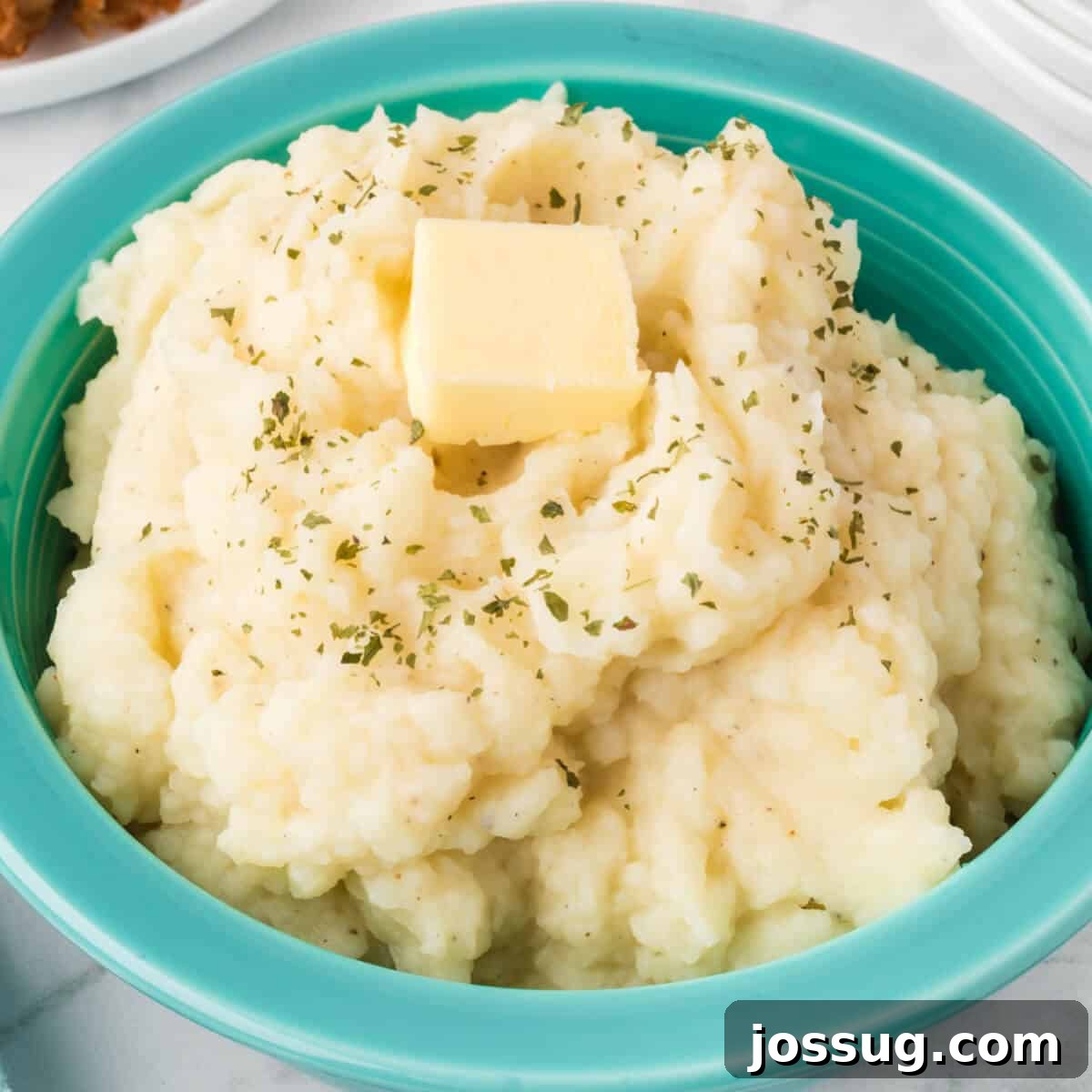
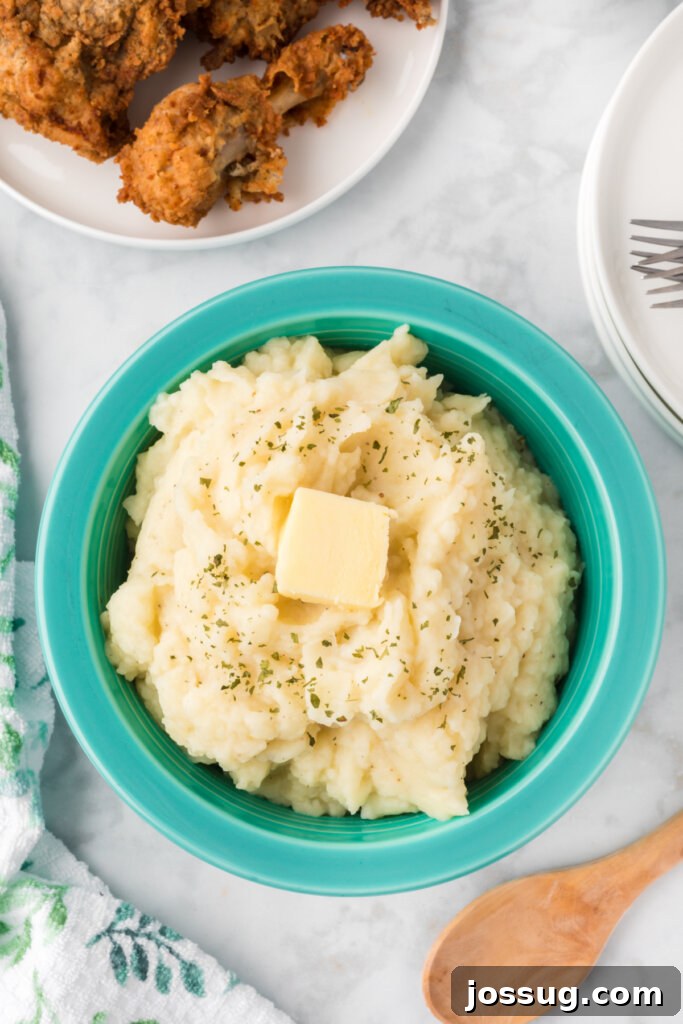
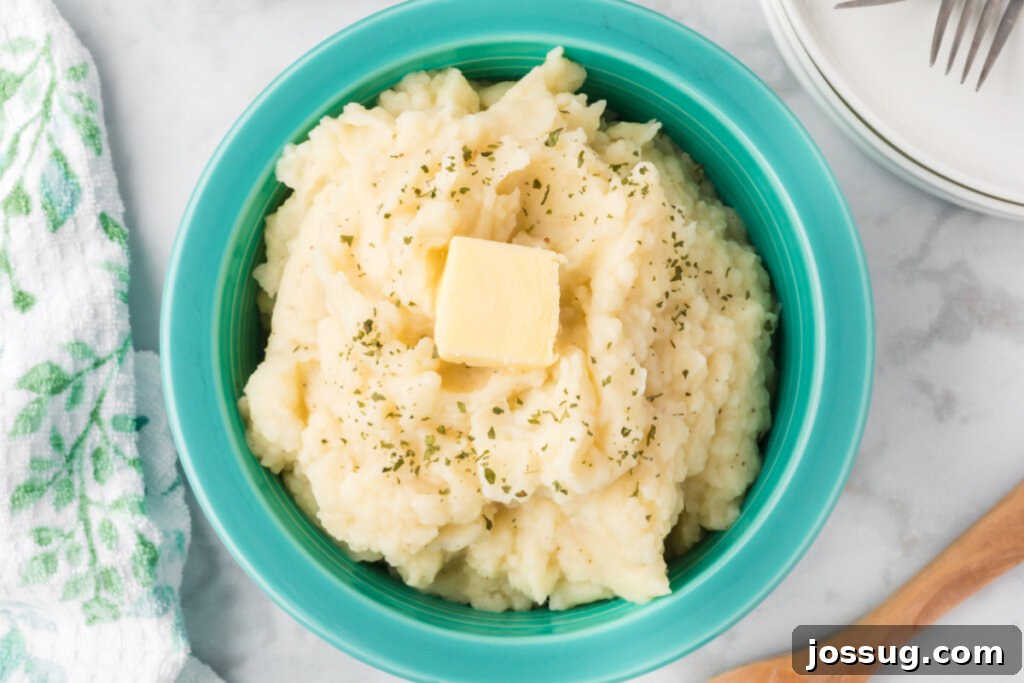
There’s nothing quite like a serving of light, fluffy, and lump-free homemade mashed potatoes. This comprehensive guide provides you with the ultimate recipe and all the essential tips to create a side dish that’s perfect for any occasion, from weeknight dinners to grand holiday feasts like Thanksgiving and Christmas. Prepare to elevate your potato game!
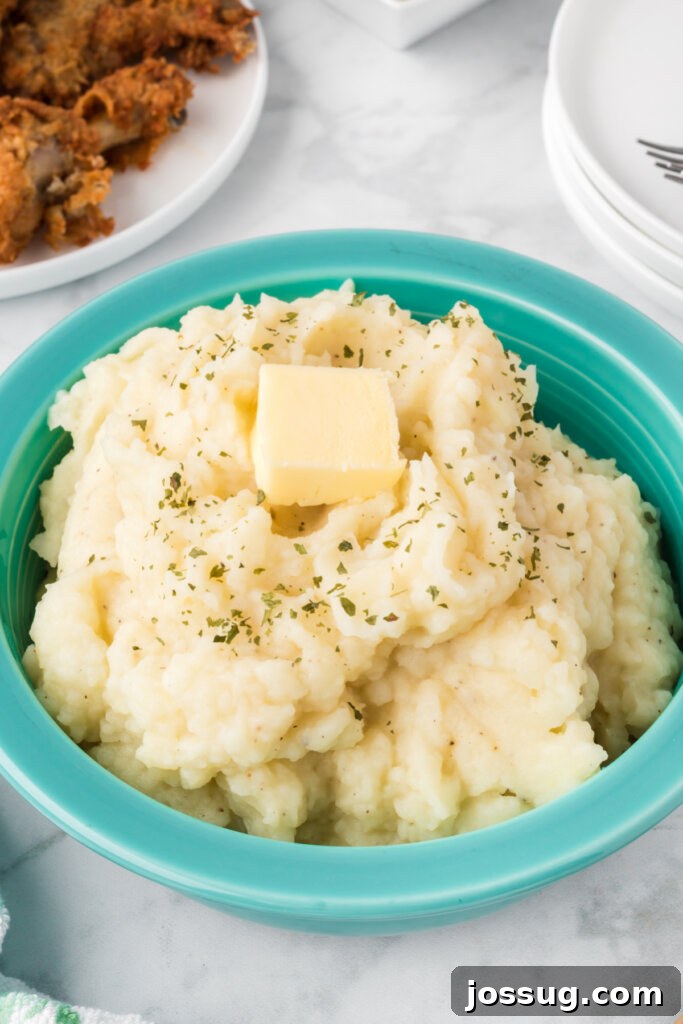
The Ultimate Guide to Perfect Homemade Mashed Potatoes
Unlocking the Secret to the Best Mashed Potatoes Recipe
For years, I’ve shared countless recipes, but it often surprised me that a classic like mashed potatoes wasn’t among them. I always thought it was one of those universal dishes everyone inherently knew how to prepare. However, after receiving numerous questions on my Facebook page about achieving truly light and fluffy mashed potatoes, I realized it was time to share my perfected recipe.
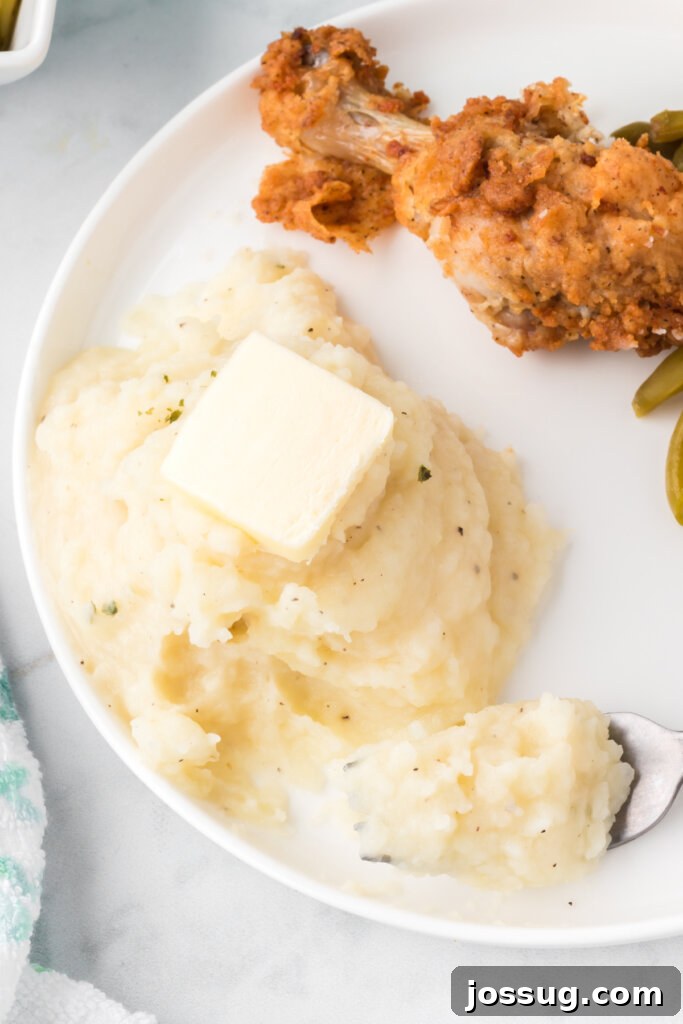
This isn’t just any mashed potato recipe; it’s the one that guarantees a velvety smooth texture without a single lump. It’s the kind of comfort food that evokes warmth and nostalgia, especially when paired with a generous amount of savory gravy. Speaking of gravy, make sure to check out my recipe for Perfect Gravy to complete your meal!
Whether you’re looking for a simple yet satisfying addition to your regular dinner rotation or aiming to impress your family and friends during Thanksgiving dinner, this recipe is a keeper. Nothing compares to the rich, creamy, and undeniably fluffy mashed potatoes made from scratch. Honestly, for holiday meals, I could forgo almost anything else, but my mashed potatoes are absolutely non-negotiable!
How to Make the Creamiest Mashed Potatoes: A Step-by-Step Guide
Creating truly outstanding mashed potatoes requires attention to a few key details. Follow these steps for an irresistible side dish every time.
Essential Ingredients for Fluffy Mashed Potatoes
- Russet Potatoes: Also known as Idaho potatoes, these are high in starch and low in moisture, which is crucial for achieving that light, fluffy texture. Yukon Gold potatoes are another excellent choice, offering a slightly creamier consistency and a beautiful golden hue. You can even use a combination for the best of both worlds. Avoid waxy varieties like red potatoes or fingerlings, as their lower starch content can result in a gluey texture when mashed.
- Unsalted Butter: High-quality butter is a non-negotiable for rich flavor. Using unsalted butter gives you precise control over the overall saltiness of your dish. If you only have salted butter, simply reduce the amount of additional salt you add later.
- Milk or Chicken Broth: The liquid component significantly impacts the final texture and flavor.
- Milk: Any neutral-flavored unsweetened milk (whole milk is preferred for richness) will yield creamier potatoes. For truly decadent results, consider using half-and-half or even heavy cream.
- Chicken Broth: Homemade or store-bought broth offers a more savory, flavorful potato. If using store-bought, opt for low-sodium to better control the seasoning.
- Salt and Pepper: These fundamental seasonings bring out the natural flavors of the potatoes and fats. Remember to taste and adjust them generously; starchy and fatty foods often require more seasoning than you might initially think to truly shine.
Detailed Instructions for Perfect Mashed Potatoes
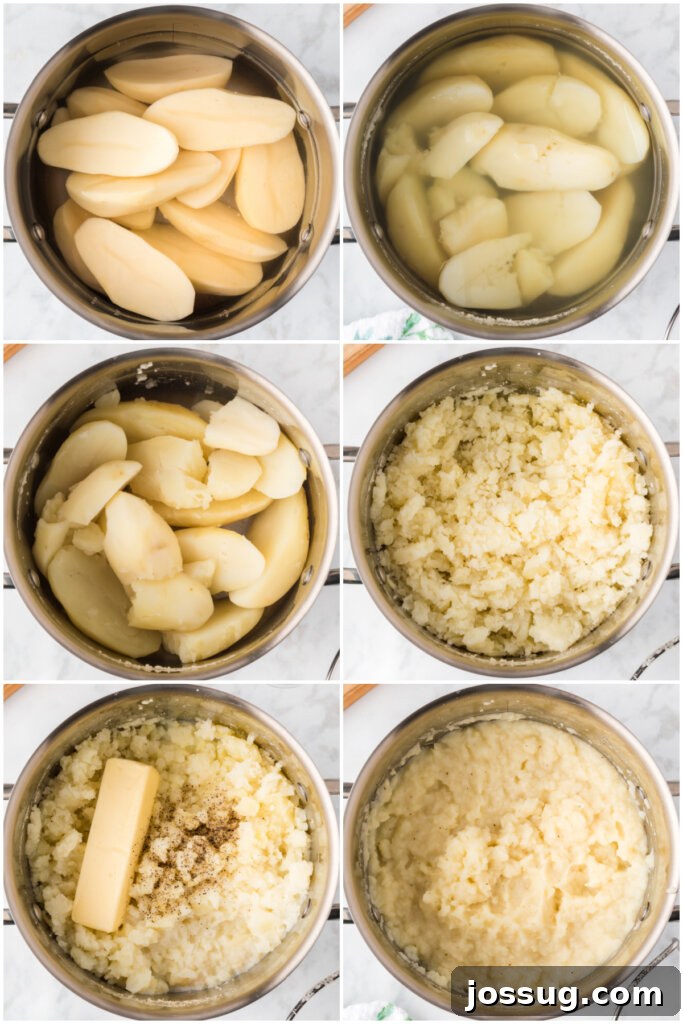
- Prepare the Potatoes: Begin by peeling your chosen potatoes. Once peeled, cut them into roughly equal-sized pieces, about 1 to 1.5 inches. This ensures they cook evenly. Larger pieces help prevent waterlogging, which can dilute the flavor.
- Boil to Perfection: Place the cut potatoes into a large pot. Crucially, cover them with cold water by about an inch. Starting with cold water allows the potatoes to cook evenly from the outside in, preventing the exteriors from becoming mushy while the centers remain hard. Bring the water to a rolling boil over high heat, then reduce the heat to medium-low, cover the pot, and let the potatoes simmer until they are fork-tender. This usually takes about 20 to 25 minutes, depending on the size of your potato pieces. You should be able to easily pierce them with a fork.
- Drain and Dry: Once tender, immediately drain the potatoes thoroughly in a colander. Return the drained potatoes to the empty hot pot. Let them sit for a minute or two over very low heat (or off the heat if your pot retains heat well) to allow any remaining surface moisture to evaporate. This step is vital for preventing watery mashed potatoes.
- Mash and Combine: While the potatoes are still hot (do not let them cool!), mash them a few times with a potato masher or a potato ricer. A ricer is excellent for super smooth results. Immediately add the butter, milk or chicken broth, and your initial seasoning of salt and pepper. Continue mashing just until the potatoes are smooth and fluffy. Be careful not to overmash, as this releases too much starch, leading to a gluey or gummy texture.
- Taste and Adjust: Always taste your mashed potatoes before serving and adjust the salt, pepper, or other seasonings as needed. You might be surprised how much salt they can handle!
Mashed Potatoes FAQs: Your Questions Answered
A good rule of thumb is to plan for about 1/2 pound (approximately 225 grams) of raw, uncooked potatoes per person. This typically yields a generous serving of mashed potatoes as a side dish.
For this recipe, you’ll want to boil your peeled and cut potatoes until they are fork-tender, which usually takes about 20-25 minutes. The exact time can vary based on potato type and size of the pieces, so always test for tenderness.
Properly stored in an airtight container, homemade mashed potatoes will last about 3-5 days in the refrigerator. Ensure they cool completely before storing to prevent bacterial growth.
Absolutely! Mashed potatoes freeze beautifully. Cook your potatoes according to the recipe, then allow them to cool completely. Transfer them to a freezer-safe zip-top bag (pressing out as much air as possible) or an airtight container. You can freeze the entire batch or individual portions for convenient meal prep. They can be stored in the freezer for up to six months.
To reheat from frozen: You can either allow the potatoes to thaw overnight in the fridge or reheat them directly from frozen. Regardless of the method, it’s important to reheat all leftovers to an internal temperature of 165°F (74°C).
There are several excellent methods to reheat mashed potatoes while preserving their creamy texture:
OVEN: Transfer the leftover potatoes in an even layer to a baking dish. Stir in a bit more milk or broth and a pat of butter to help rehydrate them. Cover the dish tightly with aluminum foil and bake in a preheated 350°F (175°C) oven for about 20-25 minutes, or until the potatoes reach an internal temperature of 165°F (74°C) and are heated through. Stir well before serving.
STOVETOP: Place the potatoes in a saucepan over low to medium-low heat. Add a splash of milk, broth, or cream, and a knob of butter. Stir occasionally, breaking up any clumps, until heated through and creamy. Ensure the potatoes reach an internal temperature of 165°F (74°C).
MICROWAVE: Transfer the potatoes to a covered microwave-safe dish. Add a tablespoon or two of milk or broth and butter. Microwave on 50% power for about 5 minutes, stirring occasionally, until heated through and the potatoes reach an internal temperature of 165°F (74°C). Once heated, give them a final stir and add more liquid or butter if needed for desired consistency.
SLOW COOKER: For larger batches or to keep them warm for an extended period, place potatoes in a slow cooker on the “low” setting. Add a bit of extra liquid and butter. Heat for about two hours, stirring occasionally, until heated through. Confirm the internal temperature reaches 165°F (74°C).
Expert Tips for Mashed Potato Perfection
- Prevent Waterlogging: Use larger pieces of potato when boiling to prevent them from absorbing too much water. More water in your potatoes means less concentrated flavor. For ultimate protection against water absorption, consider boiling the potatoes whole in their skins (adjust cooking time as necessary), then peeling them after they’ve cooked.
- Start with Cold Water: Always begin boiling your potatoes in cold, not boiling, water. This ensures the potatoes cook evenly from the center to the outside. Starting with hot or boiling water would cook the exterior faster, leaving the insides hard and crunchy.
- Mash While Hot: It’s crucial to mash your potatoes immediately after draining them, while they are still hot. Cold potatoes are harder to mash and tend to result in a gummier texture.
- Season Liberally and Taste: Starchy and fatty foods like mashed potatoes need plenty of salt to really bring out their flavor. Don’t be afraid to season generously, but always taste and adjust as you go to find the perfect balance.
- Avoid Overworking: The more you mash potatoes, the more starch is released, which can make them gluey and gummy. Use a traditional potato masher or a potato ricer for the best texture. Absolutely SKIP anything that resembles a food processor or blender; these kitchen tools are designed to break down food too finely, leading to an undesirable consistency.
- Keep Warm: If you need to prepare your mashed potatoes ahead of time or keep them warm for a buffet, transfer them to a slow cooker and set it to the “warm” setting. Stir occasionally and add a splash of milk or broth if they start to dry out.
Beyond the Basic: Exciting Mashed Potato Variations
While classic mashed potatoes are undeniably delicious, don’t hesitate to experiment with additions that can elevate your dish to new heights:
- Garlic Mashed Potatoes: Roast a head of garlic until soft, then squeeze the cloves into your potatoes before mashing. Or, sauté minced garlic in butter before adding it.
- Cheesy Mashed Potatoes: Fold in shredded cheddar, Gruyère, or Parmesan cheese for a rich, savory twist.
- Herb-Infused: Incorporate fresh chopped herbs like chives, parsley, rosemary, or thyme for aromatic depth.
- Cream Cheese or Sour Cream: For an extra tangy and luxurious texture, mix in a dollop of cream cheese or sour cream during mashing.
- Bacon & Chive: Crumble crispy bacon and chopped chives into your mashed potatoes for a loaded potato flavor profile.
- Caramelized Onion: Sauté onions until deeply caramelized and stir them in for a sweet and savory addition.
Pairing Your Perfect Mashed Potatoes: Other Recipes to Explore
Mashed potatoes are the quintessential side dish, complementing a wide array of main courses. Here are some other delicious recipes that pair wonderfully with your fluffy mashed potatoes:
- Loaded Mashed Potatoes
- Chipotle Cheddar Mashed Potatoes
- Instant Pot Mashed Potatoes
- Hot Roast Beef Sandwich with Gravy
- How To Make Perfect Gravy
8
servings
Perfect Mashed Potatoes
Jamie Sherman
10 minutes
30 minutes
40 minutes
Save
Saved
Pin
Rate
Want to save this recipe for later?
Sign up for our newsletter to get delicious recipes like this delivered straight to your inbox!
Equipment
-
Nylon Potato Masher for Non-Stick Cookware
-
Stainless Steel 5-Quart Colander
-
Simply Calphalon Nonstick 10 Piece Cookware Set
-
Measuring Cups and Spoons
-
Knife
-
Cutting Board
Ingredients
- 6 large russet potatoes, peeled and cut into 1-1.5 inch pieces
- ½ cup unsalted butter, 1 stick, softened
- 1 cup warm milk or chicken broth
- Salt and freshly ground black pepper, to taste
Instructions
-
Place the peeled and cut potatoes into a large pot. Cover them with cold water by about one inch.
-
Bring the water to a boil, then reduce heat to medium-low. Cover the pot and allow the potatoes to simmer until they are very tender when pierced with a fork, approximately 20 to 25 minutes. Drain the potatoes thoroughly and return them to the hot, empty pot. Let them sit for a minute to allow excess moisture to steam off.
-
While the potatoes are still hot, mash them a few times with a potato masher or ricer. Then, add the softened butter, warm milk or chicken broth, and season with salt and pepper. Continue to mash until the potatoes are smooth and fluffy, taking care not to overmix. Taste and adjust seasonings as needed. Serve immediately.
Notes
- Using larger pieces of potato helps prevent them from becoming water-logged while boiling. More water in your potatoes means less flavor. If you really want to protect the potatoes from water, boil them whole in their skin (adjust cooking time, if necessary), and then peel the skins after the potatoes have cooked.
- It is important to start your potatoes in cold and not boiling water. This ensures your potatoes cook evenly. Starting with boiling water will cause the outside to cook faster than the insides, leaving them hard and crunchy.
- Don’t let your potatoes cool before mashing them!
- It’s important to taste your potatoes and adjust your seasonings as needed. Starchy and fatty foods like these potatoes need plenty of salt to really make them taste good – so don’t be afraid to season.
- Try to work the potatoes as little as possible. The more you mash them, the more starch is released and the more gluey and gummy they become. Use a potato masher or ricer and SKIP anything that resembles a food processor or blender!
- Need to keep your potatoes warm for a while? Transfer them to a slow cooker and keep them on warm.
Nutrition
Carbohydrates: 51g,
Protein: 7g,
Fat: 13g,
Saturated Fat: 8g,
Polyunsaturated Fat: 1g,
Monounsaturated Fat: 3g,
Trans Fat: 0.5g,
Cholesterol: 34mg,
Sodium: 117mg,
Potassium: 1203mg,
Fiber: 4g,
Sugar: 3g,
Vitamin A: 407IU,
Vitamin C: 16mg,
Calcium: 77mg,
Iron: 2mg
Nutrition information is automatically calculated, so should only be used as an approximation.
Love this recipe? Share your thoughts below!
Originally published on November 11, 2015. Updated on November 10, 2021, and further enhanced for comprehensive instruction and reader experience.