
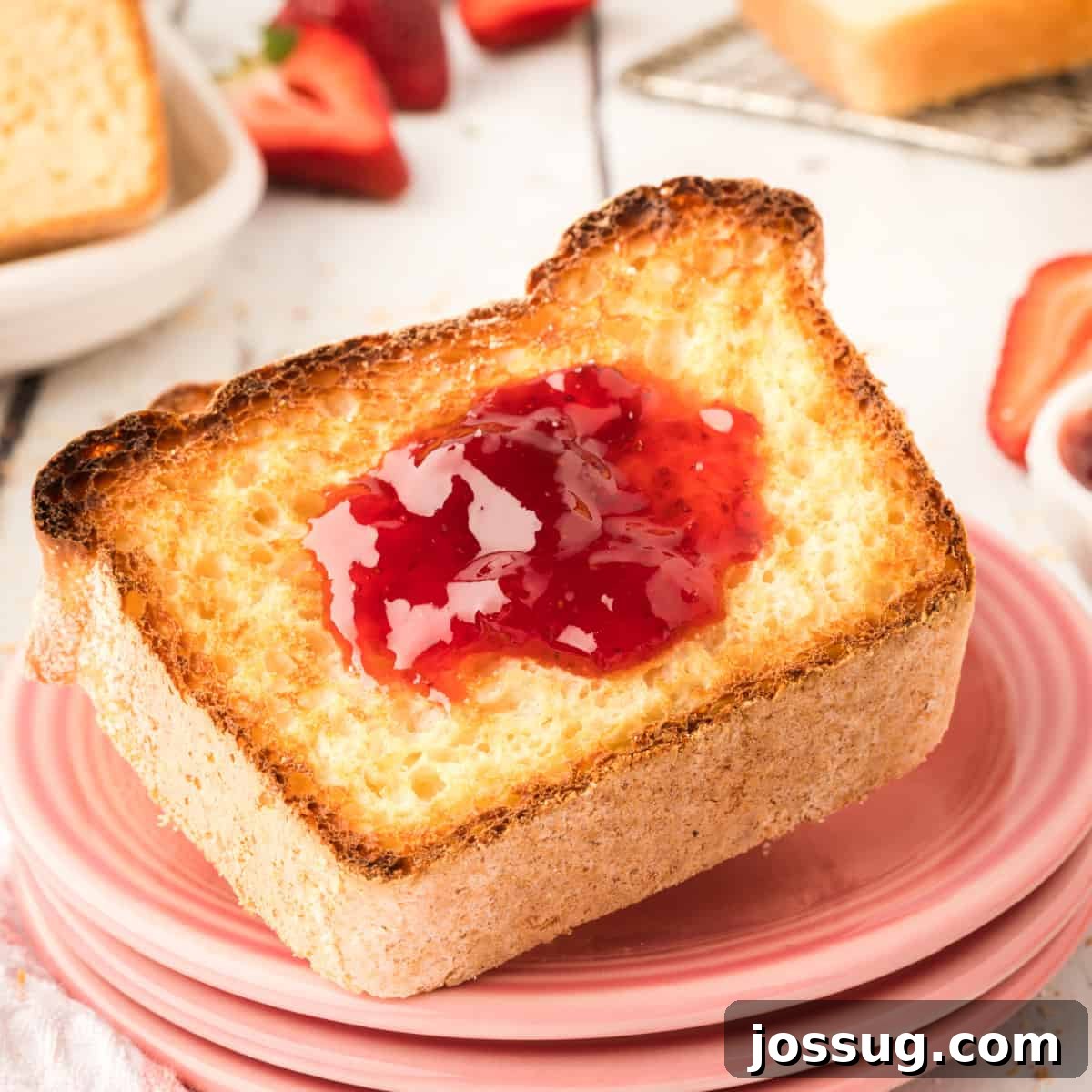
Imagine your kitchen filled with the comforting aroma of freshly baked bread. Now, picture that bread transforming into the most delightful English Muffin Bread you’ve ever tasted – golden, wonderfully fluffy, and boasting those iconic nooks and crannies perfect for soaking up butter and jam. This incredibly easy recipe yields two generous loaves, making it ideal for sharing or stocking up your freezer for future cravings. Get ready to bake a classic that will become a staple in your home!
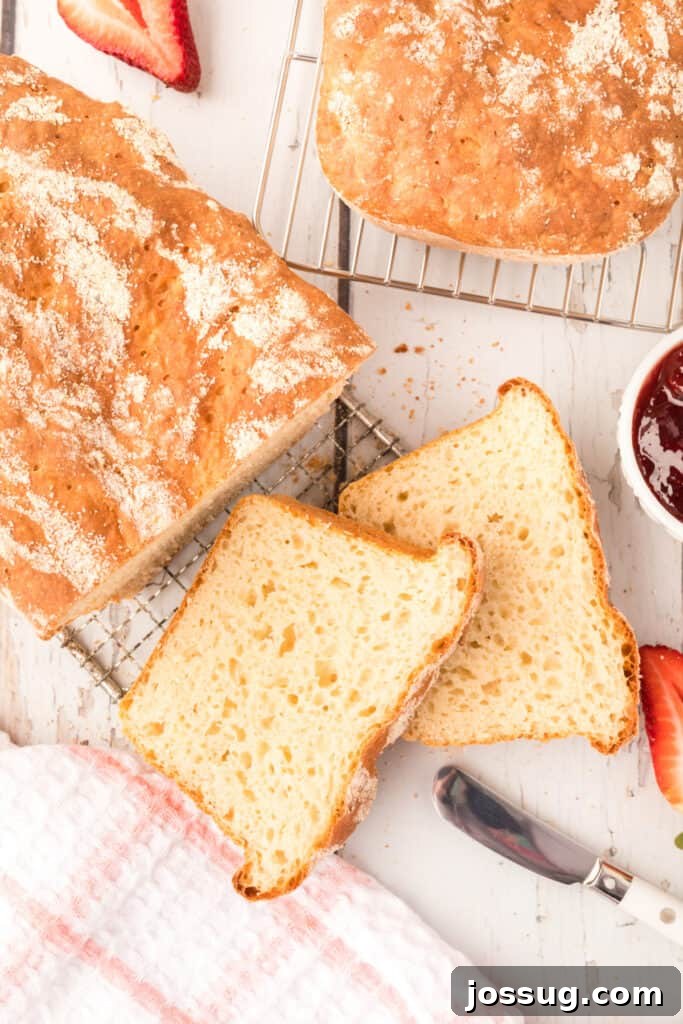
Bake the Best English Muffin Bread: An Easy No-Knead Recipe
Embark on a delightful baking adventure with our simple and incredibly satisfying English Muffin Bread recipe. Whether you’re a novice baker looking to conquer your first loaf or a seasoned pro seeking a reliable, delicious option, this no-knead yeast bread is designed for effortless success. Say goodbye to complicated techniques and hello to warm, homemade goodness straight from your oven. It’s a fantastic way to enjoy the distinctive texture and flavor of English muffins in a convenient loaf form, perfect for slicing and toasting.
Why This Easy English Muffin Bread Recipe is a Must-Try
Baking bread from scratch might seem intimidating, but this particular recipe for English Muffin Bread takes all the guesswork out of the process. It’s truly an easy bread recipe that delivers impressive results with minimal effort. Here’s why you’ll love it:
- Effortlessly Simple: Unlike traditional bread making, there’s absolutely no kneading required. A quick mix with a hand mixer is all it takes to develop the dough’s structure.
- Beginner-Friendly with Yeast: If working with yeast feels daunting, this recipe is your perfect introduction. We guide you through activating the yeast, ensuring your bread rises beautifully every time.
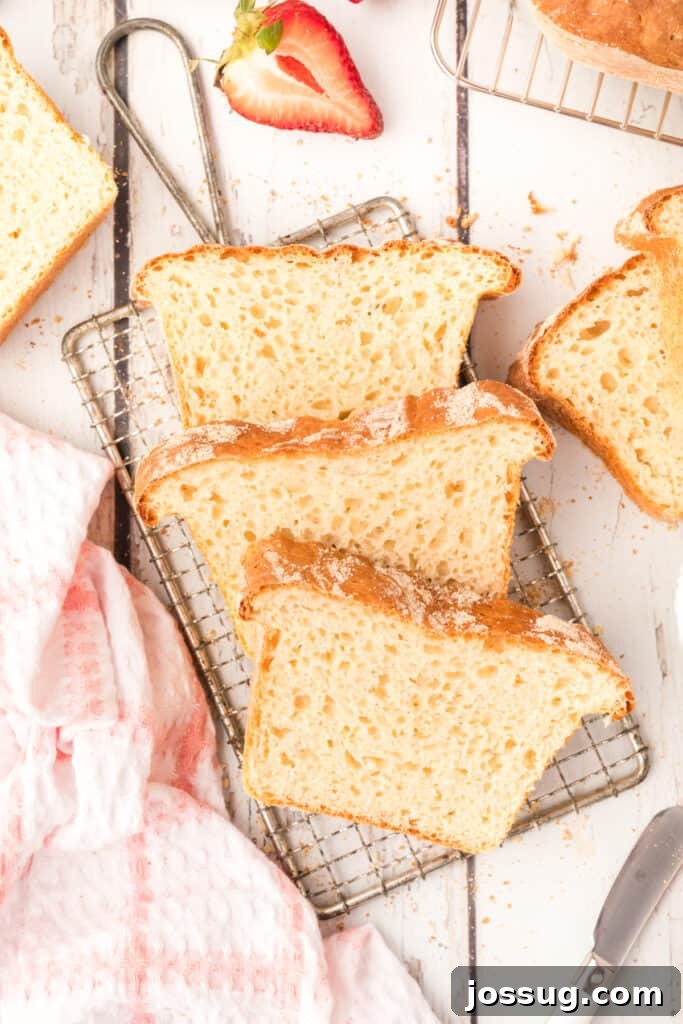
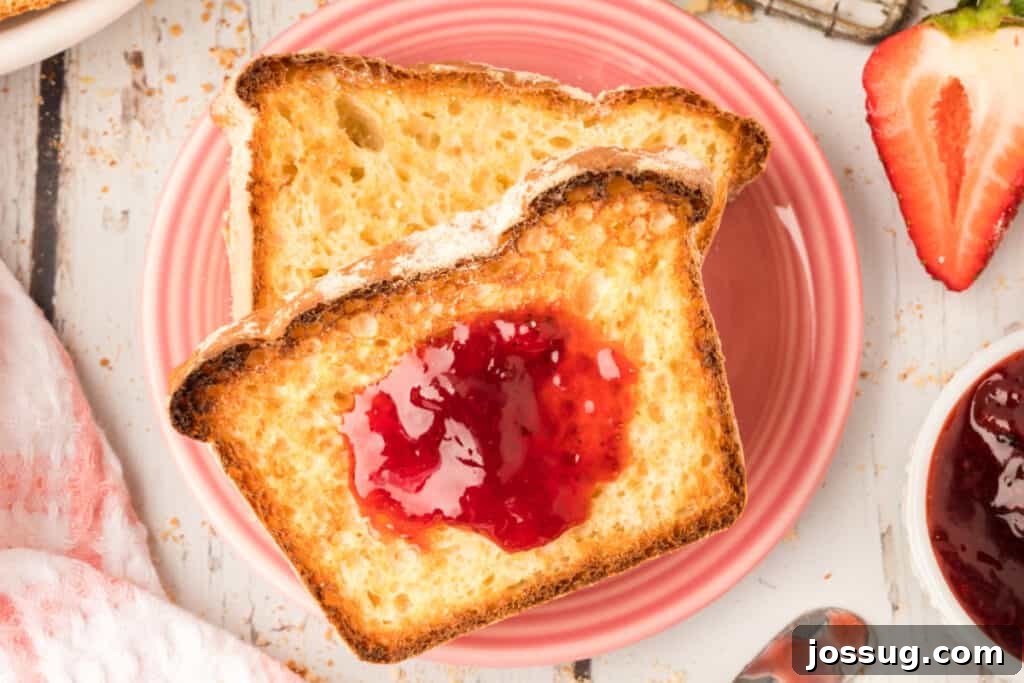
- Irresistible Texture: This bread boasts a unique texture, mimicking the iconic “nooks and crannies” of English muffins. When toasted, these pockets become crisp and golden, ideal for holding melted butter, jam, or your favorite toppings.
- Homemade Aroma & Flavor: There’s nothing quite like the smell of fresh bread baking. Beyond the incredible aroma, homemade English Muffin Bread offers a superior taste and allows you to control the quality of ingredients.
- Versatile & Delicious: From a simple slice of toast to the base of a gourmet sandwich, this bread is incredibly versatile. It’s perfect for breakfast, brunch, or even a light lunch.
The Joy of Baking Your Own Bread with Ease
Beyond the delectable taste, there’s a profound satisfaction that comes from pulling warm, golden loaves of bread from your oven. This easy English Muffin Bread recipe with yeast empowers you to experience that joy. You’ll create a wholesome, preservative-free alternative to store-bought bread, customized to your preferences. Imagine savoring a warm slice, knowing you crafted it with your own hands. It’s a small indulgence that brings immense pleasure and a wonderful sense of accomplishment. So, tie on your apron, gather your ingredients, and prepare to delight in the simple pleasure of homemade bread.

English Muffin Bread: Essential Ingredients & Smart Substitutions
Crafting this delightful easy bread recipe with yeast requires just a few basic pantry staples. Here’s a detailed look at what you’ll need and how you can creatively adapt for substitutions:
Key Ingredients
- All-Purpose Flour: The foundation of our bread, providing structure and texture.
- Substitution Tip: For a denser, more nutritious loaf, substitute up to half of the all-purpose flour with whole wheat flour. This will add a hearty, nutty flavor and increase fiber content. Ensure you have enough total flour for the batter to become stiff.
- Active Dry Yeast: The magic ingredient that makes our bread rise, creating its characteristic lightness.
- Substitution Tip: Instant yeast can be used as a direct substitute. You might notice a slightly faster rise time with instant yeast, so keep an eye on your dough. No need to proof instant yeast separately, but for consistency with active dry, you can still mix it with the dry ingredients.
- Granulated Sugar: A touch of sweetness that also feeds the yeast, helping it activate and thrive.
- Substitution Tip: For alternative sweeteners, consider using honey, maple syrup, or agave nectar. These will introduce slightly different flavor notes and may require minor adjustments in liquid, though typically not significant in such small amounts.
- Salt: Essential for flavor balance and controlling yeast activity.
- Substitution Tip: Sea salt or kosher salt work perfectly as substitutes for table salt. Remember that kosher salt crystals are larger, so you might need a slightly different volume (e.g., 1.5-2 times more kosher salt than table salt by volume) for equivalent salinity, though for 2 teaspoons, a direct swap is usually fine. Adjust to your taste.
- Baking Soda: Contributes to the unique open crumb structure and tender texture, reacting with the acidic properties in the dough (from yeast fermentation).
- Warm Whole Milk: Adds richness and softness to the bread. The warmth helps activate the yeast.
- Substitution Tip: For a dairy-free version, any plant-based milk such as almond milk, soy milk, or oat milk can be used. Ensure it’s warmed to the specified temperature range.
- Warm Water: Crucial for hydrating the dough and activating the yeast.
- Important Note: The water temperature is vital! It should be between 120°F and 130°F (49°C-54°C). Water that’s too hot will kill the yeast, while water that’s too cold won’t activate it effectively. Use a thermometer for accuracy.
- Cornmeal: Used for dusting the loaf pans, preventing sticking, and giving the bread its signature slightly crisp, textured crust, reminiscent of traditional English muffins.
- Substitution Tip: If cornmeal isn’t available, semolina flour, rice flour, or even a little extra all-purpose flour can be used to prevent sticking, though they won’t replicate the specific texture and flavor cornmeal provides.
How to Master English Muffin Bread: Step-by-Step Instructions
Follow these simple steps to create two perfect loaves of English Muffin Bread. The key is to follow the instructions carefully, especially regarding temperatures for yeast activation.
Serving Suggestions for English Muffin Bread: Endless Delight
Once your homemade English Muffin Bread has cooled, the culinary possibilities are endless! Its unique texture makes it a fantastic base for a variety of dishes. Here are some delectable serving ideas:
- Classic Toasted with Butter and Jam: The quintessential way to enjoy English Muffin Bread. Slice, toast until golden and crisp, then slather with creamy butter and your favorite fruit preserves or honey. The nooks and crannies are perfect for capturing every drop!
- Elevated Eggs Benedict: For a brunch indulgence, use toasted slices of English Muffin Bread as a sturdy and flavorful base for Eggs Benedict. Top with a perfectly poached egg, savory Canadian bacon or smoked salmon, and a rich, velvety hollandaise sauce.
- Hearty Breakfast Sandwiches: Slice the bread horizontally, toast it, and fill with scrambled eggs, melted cheese, and your choice of breakfast meat (sausage, bacon, or ham) for a satisfying and portable morning meal.
- Trendy Avocado Toast: Mash ripe avocado onto warm, toasted English Muffin Bread. Season with sea salt, freshly ground black pepper, and a sprinkle of red pepper flakes for a quick, healthy, and incredibly flavorful breakfast or snack.
- Delectable French Toast: Give your French toast an upgrade! Use slightly day-old English Muffin Bread slices, dip them in an egg, milk, and cinnamon mixture, then cook until golden. Serve with warm maple syrup, fresh berries, and a dusting of powdered sugar.
- Gourmet Bruschetta: Slice the bread into thick pieces, toast until beautifully crisp, and top with a vibrant mixture of diced fresh tomatoes, fragrant basil, minced garlic, and a drizzle of balsamic glaze. It makes an exquisite appetizer or a light, elegant lunch.
- Comforting Bread Pudding: Utilize cubes of stale English Muffin Bread as the star of a comforting bread pudding. Mix with a rich custard of eggs, milk, sugar, and spices, then bake until puffed and golden. Serve warm with a scoop of vanilla ice cream or a dollop of whipped cream for a cozy dessert.
More Creative Ideas for Your Homemade Bread
Don’t limit yourself to breakfast! English Muffin Bread is wonderfully versatile for meals throughout the day:
- Open-Faced Sandwiches: Create hearty open-faced sandwiches by topping toasted slices with sliced turkey, chicken, melted cheese, fresh avocado, crisp lettuce, and juicy tomatoes.
- Quick Cheese and Tomato Melts: Spread marinara sauce on slices of bread, layer with sliced tomatoes, and sprinkle generously with shredded mozzarella cheese. Broil until the cheese is bubbly and golden for a fast and delicious snack or light lunch.
- Savory Panini: Use English Muffin Bread slices for your panini press. Fill with deli meats, your favorite cheeses, grilled vegetables, and a spread of pesto or mustard, then press until golden and perfectly crispy.
- Homemade Bread Crumbs: Don’t let any leftover bread go to waste! Grind toasted English Muffin Bread into fresh breadcrumbs. Use them to top casseroles, mac and cheese, or as a flavorful coating for chicken or fish before baking or frying.
- Personal Bread Pizzas: Halve the English Muffin Bread slices and use them as individual pizza bases. Top with pizza sauce, cheese, and your favorite toppings, then bake until the cheese is melted and bubbly for a fun, customizable meal or snack.
- Edible Bread Bowls: Hollow out a small, round loaf of English Muffin Bread to create an edible bread bowl. Fill with a creamy soup, hearty chili, or a warm spinach and artichoke dip for a rustic and impressive serving option.
- Dipping Bread: Slice the bread into strips and toast until crispy. Serve alongside your favorite dips like hummus, a creamy spinach dip, or warm, melted cheese for an inviting appetizer.
- Crispy Bread Croutons: Cube stale English Muffin Bread, toss with olive oil and your preferred seasonings (garlic powder, Italian herbs), then bake until golden and crunchy. Sprinkle over salads or soups for an added burst of texture and flavor.
English Muffin Bread: FAQs – Your Questions Answered
To maintain optimal freshness, store your English Muffin Bread in an airtight container or a large resealable plastic bag at room temperature for up to 2-3 days. For longer preservation, this bread freezes exceptionally well. Once completely cooled, slice the bread (this makes it easier to use individual portions later), wrap it tightly in plastic wrap or aluminum foil, and then place it in a freezer-safe bag or container. It can be frozen for an extended period of 2-3 months without compromising quality.
Absolutely! One of the great advantages of this bread is its freezer-friendly nature. You can take slices straight from the freezer and pop them into your toaster or toaster oven. Toast until they are heated through, lightly golden, and crispy to your liking. Adjust the toasting time as needed, as frozen slices may take slightly longer.
While this recipe is specifically formulated for baking English Muffin Bread in loaf pans, you can certainly adapt it to create individual, traditional English muffins. After the dough has completed its initial rise, gently divide it into smaller, equal portions. Shape each portion into a round, flat disk. Cook these on a lightly greased griddle or large skillet over medium-low heat until they are golden brown on both sides and cooked through. This method will give you the classic round English muffins with all their beloved nooks and crannies.
Yes, you can experiment with making this recipe gluten-free. The best approach is to substitute the all-purpose flour with a high-quality, cup-for-cup gluten-free all-purpose flour blend. Ensure that the blend you choose contains xanthan gum, or add a small amount (about 1/2 teaspoon per cup of flour) if it doesn’t, as this helps with structure in gluten-free baking. Also, double-check that all other ingredients, like baking soda and yeast, are certified gluten-free. Be aware that the texture and overall rise may vary slightly compared to the original wheat-based recipe, but it can still yield a delicious result.
The key to properly activated yeast is warm, not hot, liquid. Ensure your milk and water are heated to the ideal temperature range of 120°F to 130°F (49°C-54°C). If the liquid is too hot, it will kill the yeast, and if it’s too cold, the yeast won’t activate. Using an instant-read thermometer is highly recommended for accuracy. You’ll know your yeast is active if the mixture becomes foamy or bubbly after sitting for 5-10 minutes, indicating the yeast is alive and well.
Other Delightful Recipes You May Enjoy
If you loved making this English Muffin Bread, explore more fantastic baking ideas:
- Italian Muffins
- Peanut Butter Banana Breakfast Muffin
- Pumpkin Muffins
- Orange Muffins
- Breakfast Egg Muffins

16
slices
English Muffin Bread
Jamie Sherman
15 minutes
35 minutes
45 minutes
1 hour
35 minutes
Equipment
-
Silicone Oven Mitt
-
Whisk
-
Measuring Cups and Spoons
-
Rubber Spatula or Wooden Spoon
-
Mixing Bowl
-
Hand Mixer
-
Loaf Pan
-
Wire Cooling Rack
Ingredients
- 5 cups all-purpose flour, divided
- 2 packages active dry yeast, 1/4 ounce each
- 1 tablespoon granulated sugar
- 2 teaspoons salt
- ¼ teaspoon baking soda
- 2 cups warm whole milk, 120°F to 130°F
- ½ cup warm water, 120°F to 130°F
- cornmeal, for dusting
Instructions
-
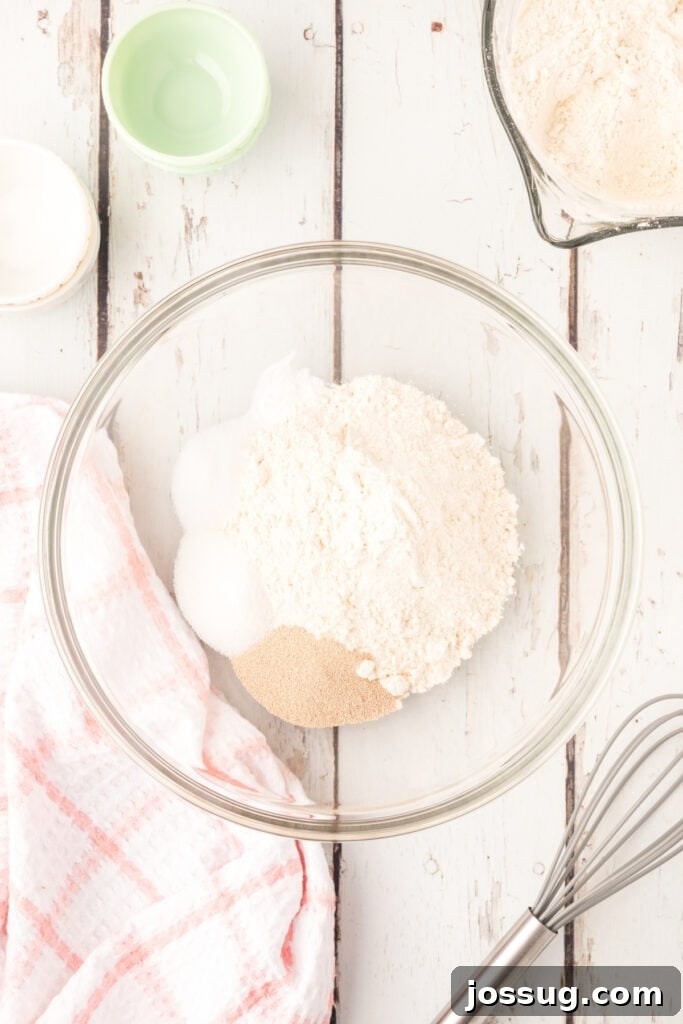
In a large mixing bowl, thoroughly whisk together 2 cups of the all-purpose flour, both packages of active dry yeast, granulated sugar, salt, and baking soda.
-
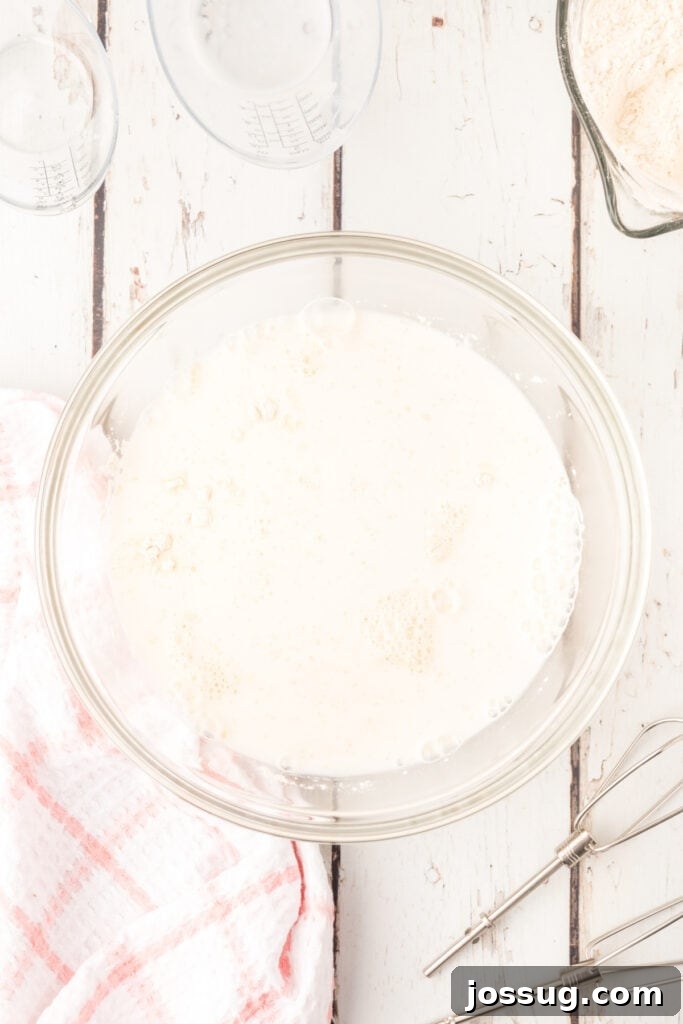
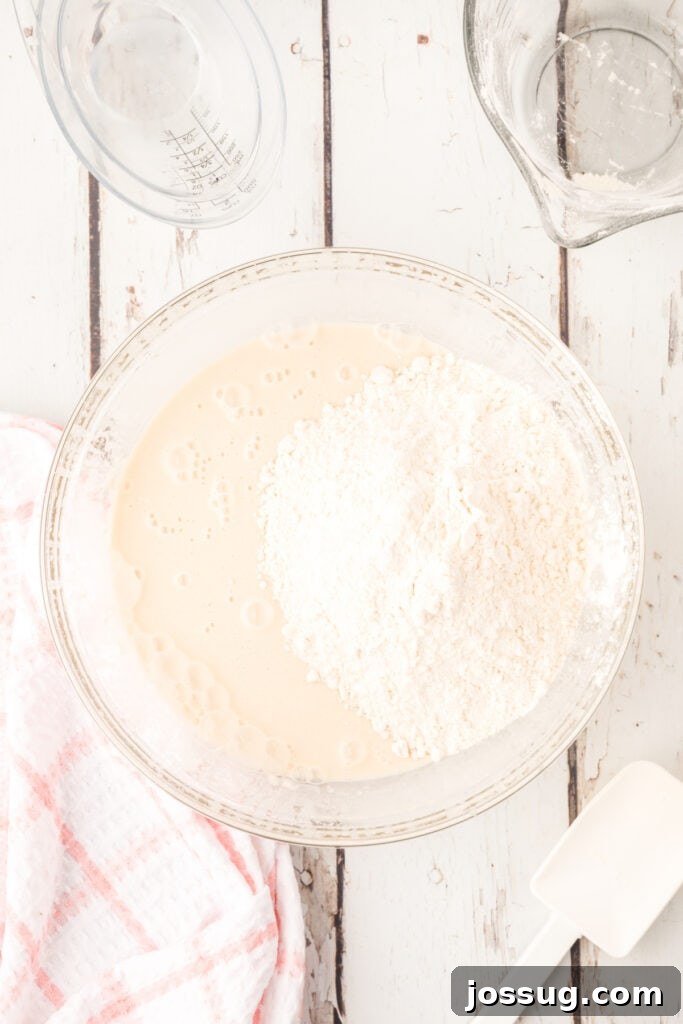
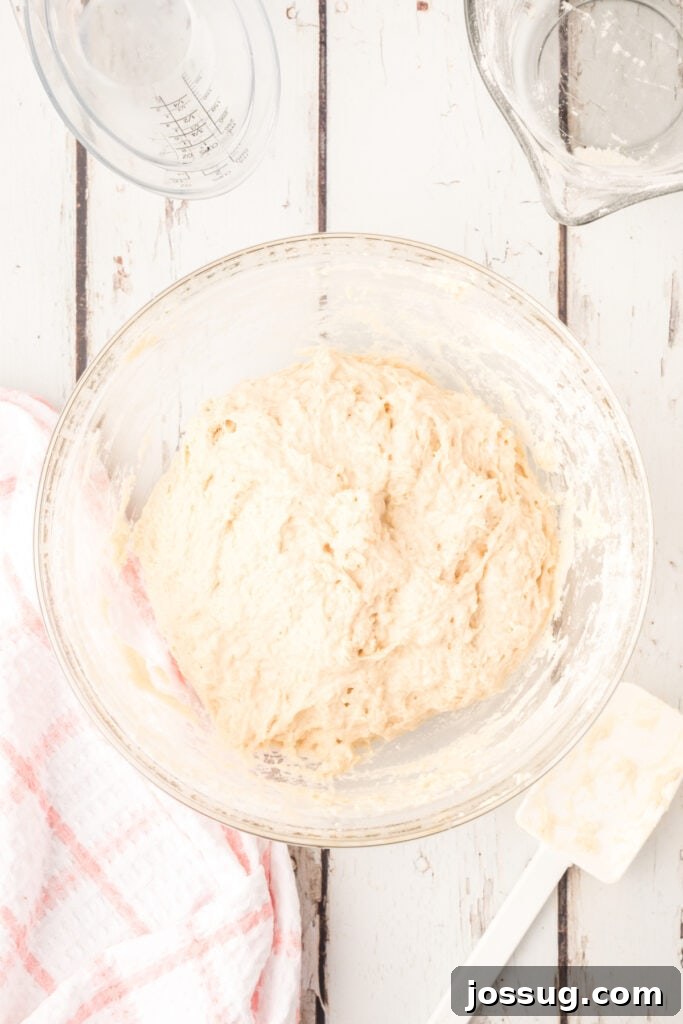
Gradually add the warm milk and warm water to the dry ingredients. Using a hand mixer on low speed, beat the mixture for 30 seconds, pausing occasionally to scrape down the sides of the bowl. Increase the mixer speed to high and continue beating for 3 minutes until well combined and airy. Then, stir in the remaining 3 cups of flour. The resulting batter will be quite stiff and thick. It is important to remember: Do NOT knead this dough.
-
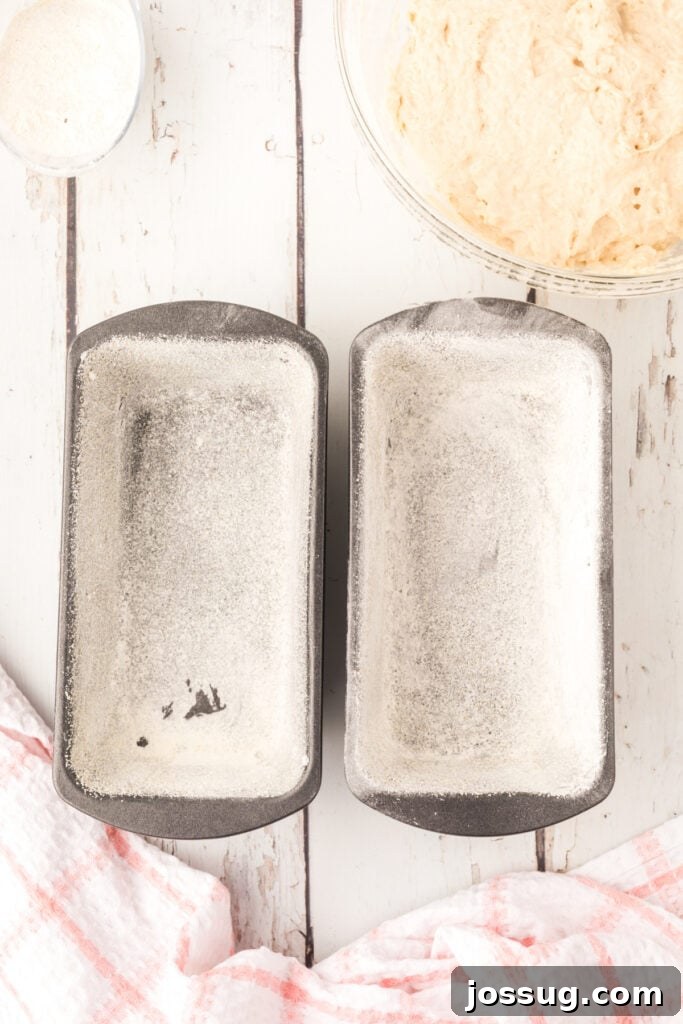
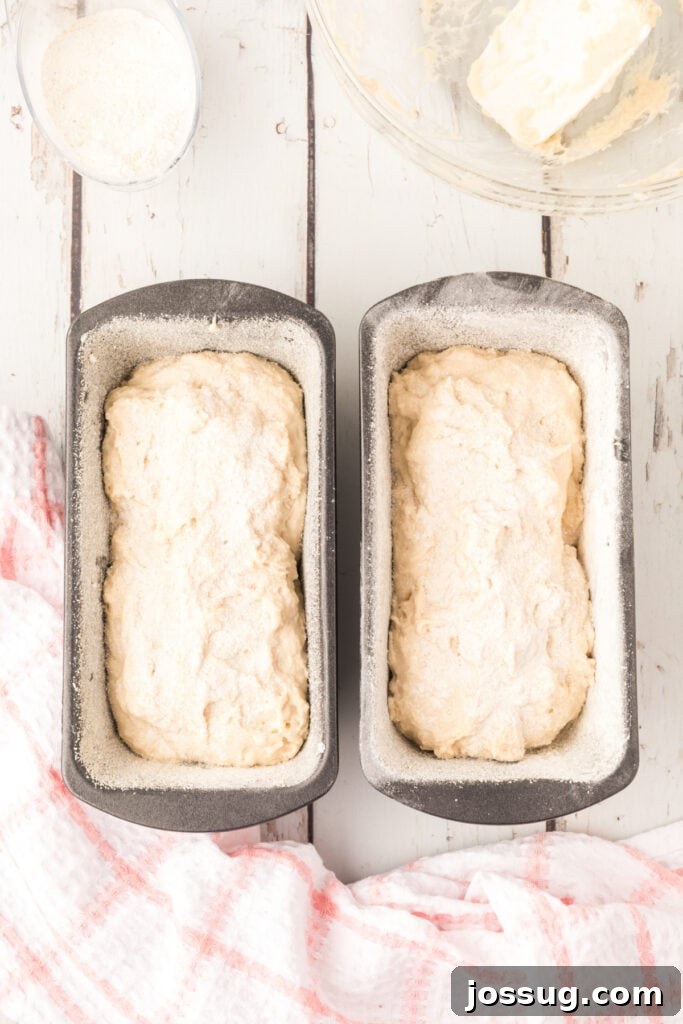
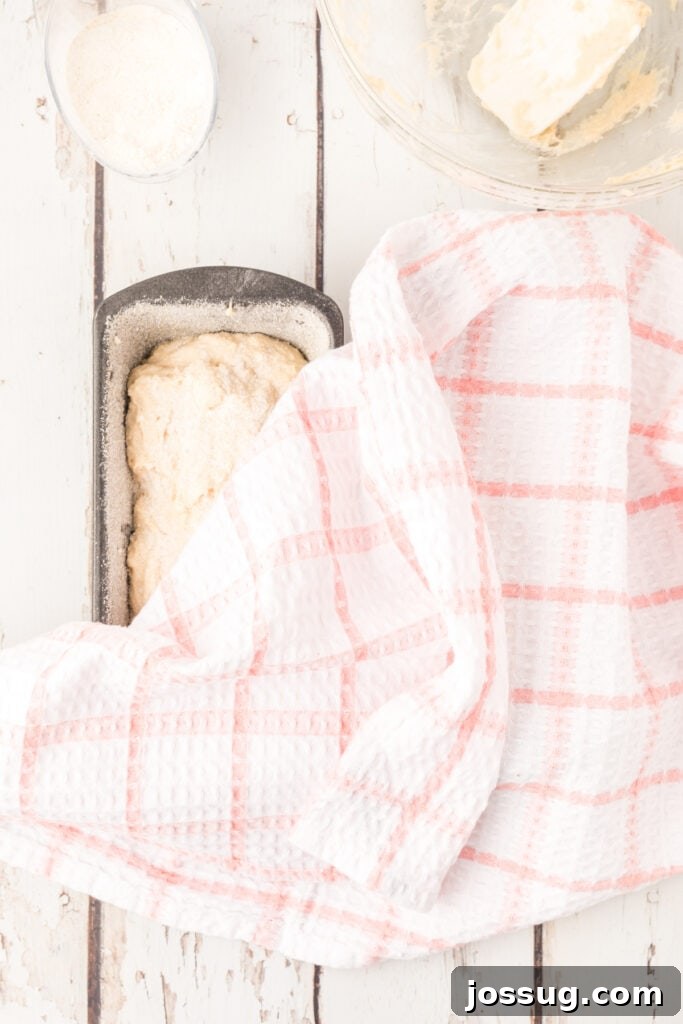
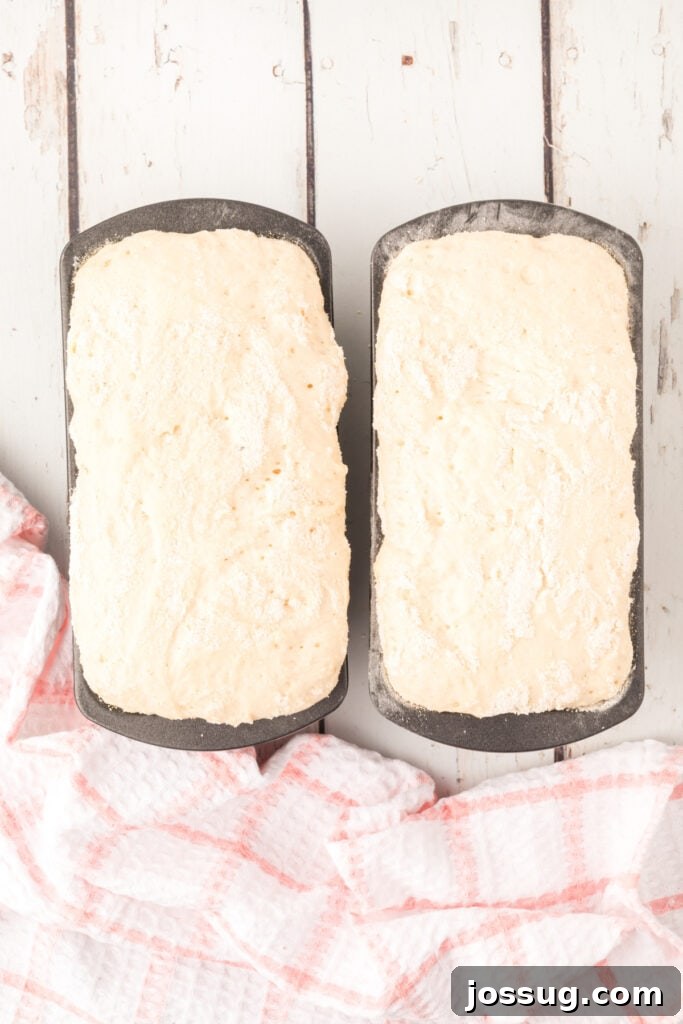
Prepare two 8×4-inch loaf pans by greasing them thoroughly, then generously sprinkling the bottom and sides with cornmeal. This prevents sticking and adds to the bread’s characteristic texture. Divide the stiff batter evenly between the two prepared loaf pans, spreading it out with a spatula. Sprinkle a little more cornmeal over the tops of the batter in each pan. Cover the pans loosely with plastic wrap or a clean kitchen towel and let them rise in a warm, draft-free place until the dough has doubled in size, which typically takes about 45 minutes.
-
While the bread is rising, preheat your oven to 375°F (190°C).
-
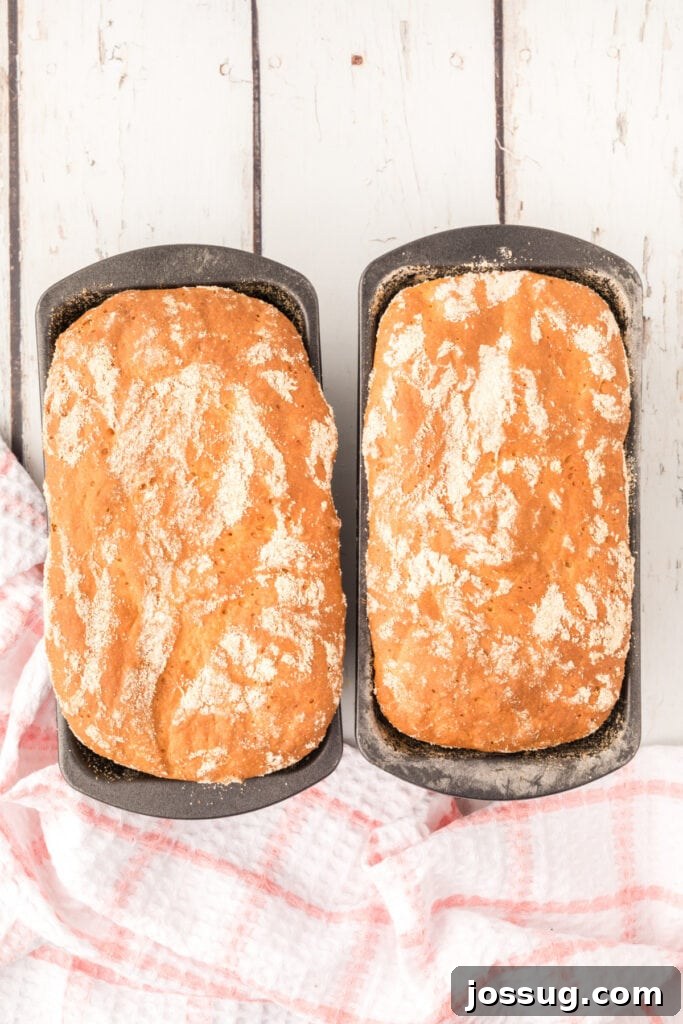
Bake the loaves in the preheated oven for approximately 35 minutes, or until the tops are golden brown and the internal temperature reaches 200-210°F (93-99°C).
-
Once baked, immediately remove the bread from the loaf pans and transfer them to wire racks to cool completely. Allowing them to cool on racks prevents the bottoms from becoming soggy.
-
To serve, simply slice the cooled bread and toast it to bring out its best flavor and texture.
Notes
- Freezing Instructions: These loaves freeze beautifully! Once cooled completely, wrap each loaf tightly in aluminum foil, then place it in a freezer-safe bag. It can be frozen for up to 4-6 months. When you’re ready to enjoy, simply unwrap the bread and allow it to thaw at room temperature. You can then slice and toast as desired.
- Yield: This recipe yields 2 delicious loaves, with approximately 8 slices per loaf.
Nutrition
Serving:
1slice
,
Calories:
166kcal
,
Carbohydrates:
32g
,
Protein:
5g
,
Fat:
1g
,
Saturated Fat:
1g
,
Polyunsaturated Fat:
0.2g
,
Monounsaturated Fat:
0.3g
,
Cholesterol:
4mg
,
Sodium:
321mg
,
Potassium:
96mg
,
Fiber:
1g
,
Sugar:
2g
,
Vitamin A:
50IU
,
Vitamin C:
0.003mg
,
Calcium:
44mg
,
Iron:
2mg
Nutrition information is automatically calculated, so should only be used as an approximation.