
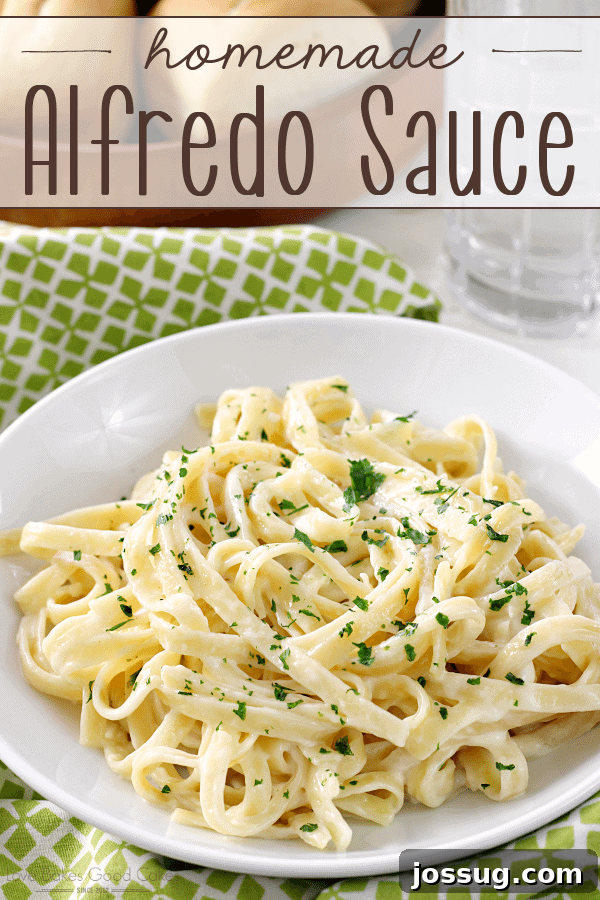
The Ultimate Guide to Homemade Alfredo Sauce: Quick, Creamy & Delicious Recipe
Prepare to be amazed! The richness and vibrant flavor of homemade Alfredo sauce are simply unparalleled by anything you can buy in a jar. Let me show you just how incredibly quick and easy it is to make this classic Italian-American sauce from scratch, transforming your weeknight meals into a gourmet experience.
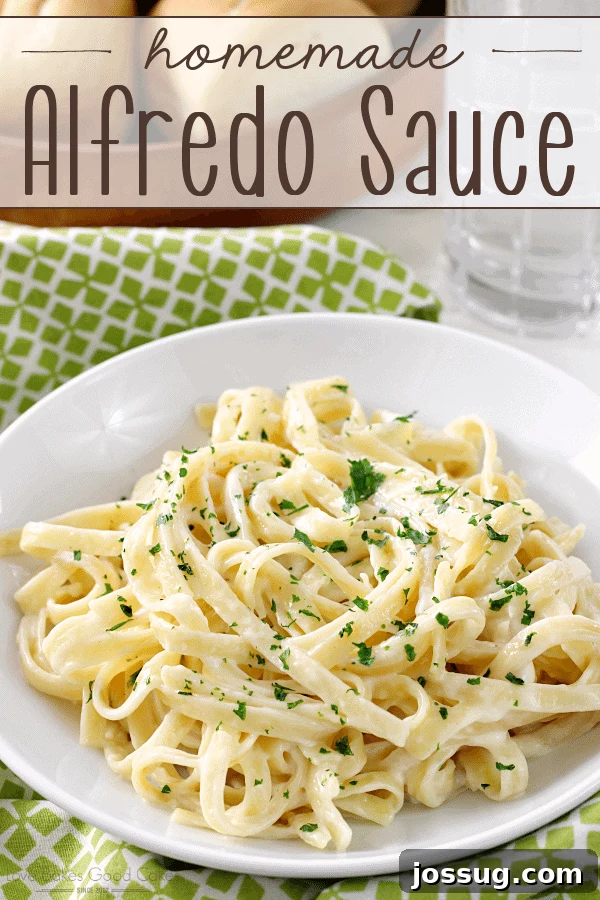
Many people believe that crafting a restaurant-quality sauce at home is a complex endeavor, reserved for professional chefs. However, the truth about homemade Alfredo sauce is wonderfully different. With just four essential ingredients and a mere ten to fifteen minutes of your time, you can achieve a velvety, luxurious sauce that will truly impress. Once you taste the authentic difference, I’m absolutely convinced you’ll bid farewell to the jarred alternatives forever. This recipe isn’t just about cooking; it’s about rediscovering the joy of simple, high-quality ingredients.
Why Homemade Alfredo Sauce is a Culinary Game-Changer
The distinction between store-bought and homemade Alfredo sauce is profound. Jarred versions often rely on a cocktail of preservatives, artificial flavors, and thickeners that detract from the natural, delicate balance of the original recipe. They frequently taste overly salty, lack the fresh zing of real garlic, and seldom achieve the smooth, emulsified texture that is the hallmark of true Alfredo. By opting for homemade, you gain complete control over the freshness and quality of every ingredient, allowing you to create a sauce that is not only superior in taste but also free from unwanted additives.
Beyond the undeniable flavor advantage, there’s immense satisfaction in preparing a dish from scratch. It’s a rewarding process that connects you more deeply with your food. This recipe is more than just a quick fix; it’s an opportunity to create a healthier, more flavorful, and deeply comforting meal that simply cannot be replicated by factory production. You’ll be astonished at how such a straightforward combination of elements can yield such a rich and gratifying culinary experience, making it a staple in your kitchen.
The Surprising Simplicity: Four Ingredients, Ten Minutes
The allure of this classic Alfredo sauce recipe lies in its astonishing simplicity and speed. You truly need only four core ingredients, most of which are likely already in your pantry or easily accessible at any grocery store. What’s more, the entire preparation process, from melting the butter to achieving that perfect creamy consistency, typically takes no more than ten to fifteen minutes. This makes homemade Alfredo an ideal solution for those busy weeknights when you crave a delicious, indulgent meal without the fuss or extensive cooking time.
Forget the need for specialized equipment or intricate culinary techniques. A basic saucepan, a sturdy whisk, and standard measuring tools are all you require to achieve Alfredo perfection. The real magic happens through the careful selection of fresh, high-quality ingredients and a gentle approach to heating them. It serves as a beautiful reminder that extraordinary flavors can often stem from the most unassuming combinations, transforming ordinary ingredients into an unforgettable dining experience that’s both quick and deeply satisfying.
Mastering the Ingredients: The Cornerstone of Authentic Alfredo
While the ingredient list for this sauce is commendably short, the quality and type of each component are absolutely critical for achieving the iconic flavor and texture of true Alfredo. Skimping on quality here can significantly impact the final result, so choose wisely.
Butter: The Luxurious Foundation
Butter forms the initial layer of richness and flavor in our Alfredo sauce. We highly recommend using unsalted butter, as it provides you with precise control over the overall saltiness of your dish. If salted butter is your only option, simply reduce or omit any additional salt until you’ve tasted the finished sauce. A good quality butter will contribute a deeper, more refined taste, enhancing the sauce’s inherent richness without introducing any greasiness. Ensure you melt it gently over medium-low heat to prevent it from browning, which can impart an undesirable nutty flavor and color to your delicate white sauce.
Heavy Cream: For Unrivaled Velvety Texture
Heavy cream, sometimes labeled as whipping cream, is the non-negotiable ingredient for achieving the signature thick, velvety, and smooth texture that defines authentic Alfredo. Its high fat content is crucial, as it helps prevent the sauce from curdling under heat and provides an unmatched richness that sets this dish apart. Do not be tempted to substitute with lower-fat alternatives such as milk, half-and-half, or light cream. These options will not only result in a noticeably thinner sauce but are also significantly more prone to separating or curdling, especially once the cheese is introduced. Opting for quality heavy cream guarantees a stable, smooth, and perfectly emulsified sauce.
Fresh Garlic: The Aromatic Heartbeat
Freshly minced garlic is absolutely essential for imparting a bright, pungent, and truly aromatic flavor to your Alfredo sauce. While garlic powder might offer a hint of garlic, it simply cannot compare to the vibrant, robust essence of fresh cloves. For the best distribution of flavor and to avoid large pieces, aim for finely minced garlic. Timing is key: add it to the simmering cream just before incorporating the cheese, allowing its full flavor to develop without risking it burning and becoming bitter. Two cloves typically provide a balanced flavor, but feel free to adjust this quantity based on your personal preference for a bolder garlic presence.
Parmesan Cheese: The Crown Jewel of Alfredo
This is arguably the most critical ingredient where quality makes an extraordinary difference. I cannot emphasize enough the absolute necessity of using **freshly shredded Parmesan cheese**, ideally authentic Parmigiano-Reggiano. You must, for the sake of your sauce, avoid pre-shredded or pre-grated cheeses found in shaker cans or plastic bags. These products almost invariably contain anti-caking agents, such as cellulose, which unfortunately prevent the cheese from melting smoothly. The result is often a grainy, clumpy, or oily sauce that lacks the desired silkiness.
Freshly grating a block of high-quality Parmesan cheese ensures that it melts seamlessly into the cream, creating a perfectly smooth, emulsified sauce with an incredibly deep, nutty, and complex savory flavor. Invest in a good block of Parmigiano-Reggiano and grate it yourself just moments before adding it to your sauce – this single step will elevate your Alfredo from good to truly exceptional, making all the difference in achieving that authentic, velvety texture.
Optional Flavor Enhancers for Depth
While the four core ingredients already create an outstanding Alfredo, a few thoughtful additions can further enhance its depth and complexity:
- Freshly Ground Black Pepper: A generous amount of freshly ground black pepper adds a subtle warmth, a hint of spice, and an inviting aroma that complements the richness of the sauce.
- A Pinch of Nutmeg: A tiny grating of fresh nutmeg or a very small dash of ground nutmeg is a traditional Italian touch. It subtly enhances the creaminess and brings out the savory notes of the cheese without making the sauce taste overtly spiced.
- Salt to Taste: Exercise caution when adding extra salt. Remember that Parmesan cheese is naturally quite salty. Always taste your sauce before adding any additional salt, and adjust gradually to your preference.
- Pasta Water: If your sauce appears too thick or needs a little extra body to cling to the pasta, reserve a cup of the starchy water from cooking your pasta. A tablespoon or two, whisked into the finished sauce, can help thin it slightly and create a wonderful emulsion that binds everything together.
Step-by-Step: Crafting Your Perfect Alfredo Sauce Recipe
Follow these detailed steps to ensure you create a consistently flawless, velvety Alfredo sauce every single time. Precision and gentle heat are your allies here.
4
servings
Homemade Alfredo Sauce Recipe
Jamie Sherman
5
10
15
Print Recipe
Ingredients
- ¼ cup unsalted butter, 4 tablespoons or ½ stick
- 1 cup heavy cream
- 2 cloves fresh garlic, finely minced
- 1 ½ cup freshly grated Parmesan cheese, preferably Parmigiano-Reggiano
- Optional: Pinch of freshly grated nutmeg, salt and black pepper to taste
Instructions
-
1. Melt Butter: In a medium saucepan, melt the butter over medium-low heat. Be diligent to not let the butter brown, which can alter the delicate flavor. Once fully melted, add the heavy cream to the saucepan.
-
2. Simmer Cream: Allow the butter and heavy cream mixture to gently simmer for approximately 5-7 minutes. It’s crucial not to let it come to a rolling boil; a gentle simmer is sufficient to warm the cream and allow the flavors to begin melding. Stir occasionally to prevent scorching.
-
3. Add Garlic and Parmesan: Remove the saucepan from the heat completely, or reduce the heat to the absolute lowest setting. Add the finely minced garlic and the freshly grated Parmesan cheese. Immediately begin whisking continuously and vigorously until all the cheese is thoroughly melted and completely incorporated into the sauce, creating a smooth, velvety consistency. Removing from heat during this step helps prevent the cheese from clumping or becoming oily.
-
4. Season and Serve: Season the finished sauce with a pinch of freshly grated nutmeg (if desired), and add salt and freshly ground black pepper to taste. Remember that Parmesan cheese is naturally salty, so taste before adding additional salt. Serve the sauce immediately over your favorite cooked pasta, such as fettuccine, or incorporate it into other recipes. If the sauce appears too thick, whisk in one to two tablespoons of hot pasta water until it reaches your preferred smooth consistency.
Notes
- Cheese Quality is Key: Always prioritize using freshly shredded Parmesan cheese (preferably Parmigiano-Reggiano), and absolutely avoid the pre-grated varieties that come in a can or bag. The presence of anti-caking agents in pre-grated cheese will significantly hinder smooth melting and negatively impact the sauce’s texture.
- Serve Fresh: This homemade Alfredo sauce is at its absolute best when served immediately after preparation. Its delicate emulsion is most stable when warm.
- Reheating Tips: If you find yourself with leftovers, reheat the sauce gently over medium-low heat on the stovetop. Stir frequently and consistently, and if the sauce has thickened too much, add a splash of milk, extra heavy cream, or even a little chicken broth to restore its creamy consistency. Avoid high heat during reheating to prevent separation.
- Enhance Flavor: For an additional layer of flavor, consider adding a tiny pinch of white pepper for a subtle spice, or a very small amount of lemon zest right at the end for a bright counterpoint to the richness.
Nutrition Information (per serving, approximate)
Calories: 453kcal
,
Carbohydrates: 3g
,
Protein: 15g
,
Fat: 43g
,
Saturated Fat: 27g
,
Polyunsaturated Fat: 2g
,
Monounsaturated Fat: 11g
,
Trans Fat: 0.5g
,
Cholesterol: 123mg
,
Sodium: 708mg
,
Potassium: 100mg
,
Fiber: 0.03g
,
Sugar: 2g
,
Vitamin A: 1522IU
,
Vitamin C: 1mg
,
Calcium: 489mg
,
Iron: 0.4mg
Nutrition information is automatically calculated and should only be used as an approximation.
Serving Suggestions: Beyond the Classic Fettuccine
While Homemade Alfredo Sauce is famously associated with fettuccine pasta, its rich and versatile nature allows it to shine in a multitude of dishes. This creamy sauce can elevate simple ingredients into truly gourmet meals. Here are some of our favorite ways to enjoy your freshly made Alfredo:
- Classic Fettuccine Alfredo: The timeless pairing. Toss hot, al dente fettuccine directly into the sauce. The residual pasta water clinging to the noodles helps the sauce coat them perfectly, creating a comforting and sublime dish.
- Chicken Alfredo: A beloved staple. Incorporate pan-seared, grilled, or baked chicken breasts, sliced or shredded, into your pasta and Alfredo sauce for a hearty and satisfying meal.
- Shrimp Alfredo: For seafood lovers, sauté fresh shrimp until they turn pink and tender, then gently fold them into your pasta and sauce for an exquisite oceanic twist.
- Vegetable Alfredo: Brighten your meal by adding steamed, roasted, or lightly sautéed vegetables. Broccoli florets, fresh spinach, asparagus spears, sautéed mushrooms, or sweet peas all pair wonderfully with the creamy sauce.
- Alfredo Pizza Base: Use your homemade Alfredo as a rich and savory alternative to tomato sauce for a white pizza. Top with cooked chicken, spinach, mozzarella, and a sprinkle of Parmesan.
- Alfredo Pasta Bakes and Casseroles: Layer cooked pasta, Alfredo sauce, your choice of protein (chicken, sausage), and vegetables in a baking dish. Top with a generous layer of cheese and bake until bubbly and golden brown for an indulgent casserole.
- Sauce for Meats: Drizzle Alfredo sauce over pan-seared steak, tender pork chops, or even roasted chicken breasts as a decadent accompaniment that enhances any main course.
- Garlic Bread or Crostini: Don’t let a drop go to waste! Serve your Alfredo with warm, crusty garlic bread or toasted crostini, perfect for dipping and soaking up every last bit of that delicious sauce.
Pro Tips for the Best Homemade Alfredo Sauce
Achieving Alfredo perfection is surprisingly straightforward when you keep a few expert tips in mind. These simple guidelines will ensure your sauce is consistently smooth, creamy, and bursting with flavor:
- Always Opt for Quality: This cannot be overstated. Superior butter, fresh heavy cream, aromatic fresh garlic, and especially genuine, freshly grated Parmesan cheese are the non-negotiable foundations for an incredible sauce. Investing in these quality ingredients will yield a noticeable difference in taste and texture.
- Master Gentle Heat: Alfredo sauce thrives on gentle, consistent heat. Always cook over medium-low heat. High heat can easily cause the cream to curdle, the butter to brown too quickly, or the cheese to clump, resulting in an undesirable texture and flavor. Patience and a watchful eye are key.
- Grate Your Own Cheese: Yes, this is worth repeating! Pre-grated cheeses, particularly those in cans or bags, contain anti-caking agents that interfere with smooth melting and often lead to a grainy or oily sauce. Taking the extra minute to grate a block of Parmesan yourself will guarantee a perfectly silky and emulsified finish.
- Whisk Actively: When you add the Parmesan cheese, whisk continuously and swiftly. This vigorous action helps to emulsify the sauce, preventing any clumps from forming and ensuring a consistently smooth, uniform texture throughout.
- Taste and Season Smartly: Parmesan cheese naturally contains a significant amount of salt. Always taste your sauce thoroughly before adding any extra salt. Adjust seasoning cautiously, and enhance the flavor profile with freshly ground black pepper and a tiny pinch of nutmeg.
- Mind the Thickness: Remember that Alfredo sauce will naturally thicken further as it cools. If it appears perfectly thick on the stove, it might become too dense once tossed with pasta. If it does, a small amount of hot pasta water can easily be whisked in to achieve the ideal, clinging consistency.
- Serve Promptly: For the absolute best experience, Alfredo sauce should be enjoyed immediately after it’s made. Its delicate emulsion is most stable and delightful when fresh and warm. While reheating is possible, fresh is always superior.
Troubleshooting Common Alfredo Issues and Solutions
Even seasoned home cooks can encounter occasional challenges. Here’s a guide to common Alfredo sauce issues and practical solutions to get your sauce back on track:
- Sauce is too thin: If your sauce isn’t reaching the desired thickness, try gently simmering it over low heat for a few additional minutes, stirring frequently, to allow some of the liquid to reduce and concentrate. As a last resort, you can create a tiny slurry (mix ½ teaspoon of cornstarch with 1 tablespoon of cold water) and whisk it into the simmering sauce, allowing it to cook for 1-2 minutes until thickened.
- Sauce is too thick: Should your sauce become overly thick, especially after sitting for a moment, simply whisk in a tablespoon or two of warm heavy cream or, even better, some of the hot, starchy pasta water until it achieves your preferred smooth and creamy consistency.
- Sauce appears grainy or clumpy: This common problem is almost always caused by using pre-grated cheese that contains anti-caking agents, or by adding cheese to liquid that is too hot. To remedy, try removing the saucepan from the heat and whisking very vigorously. If it remains grainy, you can carefully pass the sauce through a fine-mesh sieve, though prevention (freshly grated cheese, low heat) is always best.
- Sauce is separating or curdling: Separation typically occurs when the cream is heated too rapidly or to an excessively high temperature. Ensure you’re always simmering the cream gently and adding the cheese off direct heat or over very low heat. If separation occurs, try slowly whisking in a teaspoon of cold heavy cream or a small knob of cold butter to help re-emulsify the sauce.
Storage and Reheating Your Homemade Alfredo Sauce
While homemade Alfredo sauce is undeniably best enjoyed fresh, you can certainly store and carefully reheat any leftovers. Proper handling ensures the best possible quality upon reheating.
- Storage: Allow the Alfredo sauce to cool completely to room temperature. Once cooled, transfer it to an airtight container and store it in the refrigerator. It will typically keep well for up to 3-4 days. Be aware that the sauce will thicken considerably as it chills in the refrigerator.
- Reheating on the Stovetop (Highly Recommended): This is the preferred method for preserving the sauce’s smooth texture. Pour the chilled sauce into a saucepan over medium-low heat. Add a splash of heavy cream, milk, or even a little chicken broth (start with about 1-2 tablespoons per cup of sauce). Whisk continuously and gently as it warms through until the sauce becomes smooth and creamy again. It’s crucial to avoid high heat, which can cause the sauce to separate.
- Reheating in the Microwave: While less ideal than stovetop reheating, the microwave can be used with caution. Place the sauce in a microwave-safe bowl and add a small splash of liquid (cream or milk). Heat in short bursts, typically 30-second intervals, stirring thoroughly after each interval, until the sauce is warmed through and smooth. Avoid overheating, as this increases the risk of separation.
It’s important to note that Alfredo sauce, owing to its high dairy and cheese content, generally does not freeze well. The process of freezing and then thawing often causes the delicate emulsion to break, resulting in an undesirable grainy, separated, or watery texture. For the best experience, it’s recommended to enjoy your homemade Alfredo sauce fresh or within a few days of refrigeration.
Frequently Asked Questions About Homemade Alfredo Sauce
- Can I substitute low-fat milk or half-and-half for heavy cream?
- It is strongly discouraged. Lower-fat dairy products have a higher water content and are much more prone to curdling when heated, especially with the addition of cheese. They also won’t deliver the rich, luxurious texture that is characteristic of authentic Alfredo sauce. For best results, always use heavy cream.
- Is it acceptable to use pre-grated Parmesan cheese from a container?
- No, this is one of the most common mistakes and is highly advised against. Pre-grated cheeses often contain anti-caking agents, such as cellulose, which prevent the cheese from melting smoothly and can lead to a grainy or clumpy sauce. Freshly grating a block of high-quality Parmesan cheese ensures a silky, perfectly emulsified sauce.
- How long can homemade Alfredo sauce be stored in the refrigerator?
- When stored properly in an airtight container, homemade Alfredo sauce can last for approximately 3-4 days in the refrigerator.
- Can I freeze Alfredo sauce for later use?
- Freezing is generally not recommended for dairy-based sauces like Alfredo. The cream and cheese can separate upon thawing, resulting in a grainy, watery, or broken texture. It’s best to consume it fresh or within its refrigerated lifespan.
- What type of pasta pairs best with Alfredo sauce?
- Fettuccine is the traditional and most popular choice, as its broad, flat shape is ideal for holding the creamy sauce. However, other flat pastas like linguine or even tubular shapes such as penne and rigatoni can also work wonderfully.
- Can I prepare this sauce ahead of time for an event?
- While it’s always best made fresh, you can prepare the sauce a few hours in advance. Store it in an airtight container in the refrigerator and be prepared to gently reheat it on the stovetop with a splash of extra cream or milk, as described in the reheating section, to restore its optimal consistency.
Other Delicious Recipes You May Enjoy
- Better for You Alfredo Sauce Recipe
- Italian Sausage & Alfredo Pasta Bake
- Tomato Spinach Alfredo Pizza
- Italian Sausage Spinach Alfredo Lasagna
- 25+ 30-Minute Back to School Meals