
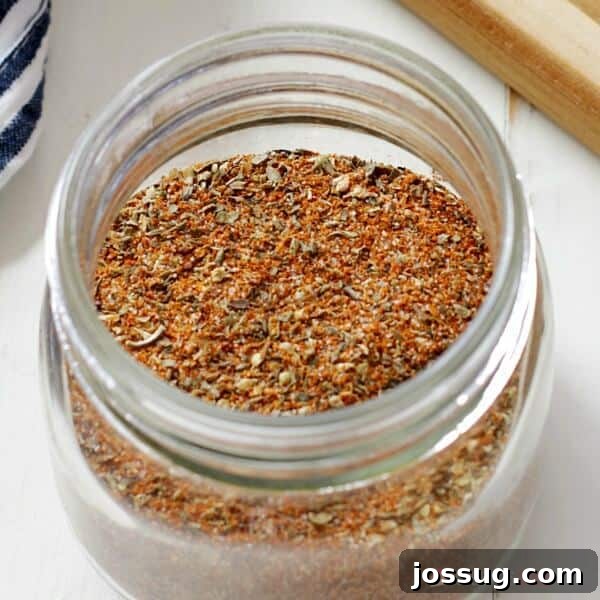
Imagine the frustration: you’re ready to whip up a delicious meal, perhaps a hearty Jambalaya, only to discover you’re out of that crucial Cajun seasoning. The thought of a quick run to the store for a single item is disheartening. But what if you could conjure up that perfect blend in mere minutes, using ingredients already residing in your pantry? This guide empowers you to do just that. In a few simple steps, you can craft your very own savory and spicy Homemade Cajun-Creole Seasoning, ready to infuse any dish with the vibrant spirit of Louisiana.
Homemade Cajun-Creole Seasoning: Crafting the Perfect Southern Spice Blend
There’s an undeniable charm and depth of flavor that comes from crafting your own spice blends. Not only does it ensure unparalleled freshness, but it also gives you complete control over the quality and specific ratios of each ingredient. Our Homemade Cajun-Creole Seasoning recipe is a testament to this philosophy. It’s born from years of kitchen experience, a cherished secret unearthed from an old recipe box, and now, it’s yours to master. Say goodbye to store-bought shortages and hello to a customizable, vibrant seasoning that will become a cornerstone of your culinary adventures.
Why Opt for Homemade Cajun-Creole Seasoning?
In a world brimming with convenience, why take the extra step to make your own spice mix? The reasons are compelling, offering benefits that far outweigh the minimal effort involved:
- Unrivaled Freshness: Pre-packaged seasonings can sit on shelves for months, losing their potency and aromatic complexity. When you blend your own, you start with fresh, vibrant spices, ensuring a more intense and impactful flavor in your cooking.
- Control Over Ingredients: Commercial blends often contain anti-caking agents, excessive salt, or other additives. By making it yourself, you dictate exactly what goes into your seasoning, avoiding unwanted extras and tailoring it to your health preferences.
- Cost-Effective: Buying individual spices in bulk and blending them yourself is often more economical in the long run than repeatedly purchasing small, pre-made packets.
- Customization: This recipe provides a fantastic baseline, but the beauty of homemade is the ability to adjust. Want more heat? Add extra cayenne. Prefer less salt? Reduce the amount. You become the master of your spice blend.
- A Sense of Accomplishment: There’s a certain satisfaction that comes from creating something delicious from scratch, especially a foundational ingredient like a seasoning mix. It elevates your cooking and connects you more deeply with the culinary process.
Unleash the Flavor: Versatile Uses for Your Cajun-Creole Seasoning
This savory, zesty, and spicy blend isn’t just for classic Louisiana dishes; it’s a culinary chameleon, ready to transform an array of meals. Once you have a batch of this Homemade Cajun-Creole Seasoning on hand, you’ll find countless ways to incorporate its vibrant kick:
- Classic Cajun & Creole Dishes: This is its spiritual home! Use it generously in staples like jambalaya, gumbo, étouffée, red beans and rice, or dirty rice. It provides the essential flavor foundation that defines these iconic dishes.
- Meats & Poultry: It makes an exceptional dry rub for chicken, pork chops, steak, or ribs. Sprinkle it on before grilling, baking, or pan-frying for an instant flavor boost. Try it on chicken wings for a fiery snack!
- Seafood Sensation: Cajun-Creole seasoning is a match made in heaven for all kinds of seafood. Season shrimp, fish fillets (like baked salmon or cod), crab cakes, or even oysters before cooking. It brings out the natural sweetness of the seafood beautifully.
- Burgers & Meatloaf: Mix it directly into your ground meat before forming patties or preparing your meatloaf mixture. It infuses a deep, savory, and slightly spicy note that takes these comfort foods to a new level.
- Fries & Snacks: Forget plain salt! Toss your freshly cooked french fries, sweet potato fries, or even popcorn with a generous sprinkle of this seasoning. It’s also fantastic on roasted nuts or homemade potato chips.
- Roasted Vegetables: Elevate simple roasted vegetables like green beans, broccoli, cauliflower, or potatoes by tossing them with olive oil and a dash of this blend before roasting. It adds an unexpected depth and zing.
- Creamy Sauces & Dips: Stir a teaspoon or two into Alfredo sauce for a “killer Cajun Alfredo” (a recipe I hope to share soon!), or blend it into sour cream or mayonnaise for a zesty dip for chips and crudités.
- Eggs & Breakfast: A pinch sprinkled over scrambled eggs, omelets, or breakfast potatoes can really wake up your morning meal with a delightful kick.
- Soups & Stews: Enhance the flavor of any savory soup or stew, especially those with a tomato or broth base. It adds warmth and complexity.
The possibilities are truly endless. Keep a jar handy, and you’ll find yourself reaching for it almost daily!
Cajun vs. Creole: Understanding the Nuances of Louisiana’s Iconic Spice Blends
While often used interchangeably in modern kitchens, Cajun and Creole cuisines, and by extension their seasoning blends, have distinct origins and subtle differences. Both culinary traditions are pillars of Louisiana cooking, deeply rooted in rich cultural histories.
- Cajun Cuisine: Originating from the Acadian exiles who settled in the swamps and prairies of Southwest Louisiana, Cajun cooking is often described as “country food.” It’s hearty, rustic, and built on one-pot dishes, making use of local ingredients and simple, robust flavors. A “true” Cajun seasoning typically focuses on a core blend of garlic powder, onion powder, paprika, cayenne pepper, black pepper, and salt, with thyme sometimes included. It emphasizes a bolder, spicier kick.
- Creole Cuisine: Born in the city of New Orleans, Creole cuisine is a more refined, urban tradition, influenced by French, Spanish, African, Italian, German, and Caribbean cultures. It often involves more herbs and a broader range of ingredients. Creole seasoning shares many common spices with Cajun seasoning but typically adds dried oregano as a distinguishing herb, contributing a slightly more aromatic and less purely fiery profile.
For most home cooks, the difference is minimal, and the two blends can be used interchangeably with excellent results. This particular recipe includes oregano, making it lean towards a “Cajun-Creole” or more specifically, a Creole-style blend. If you prefer a more strictly “Cajun” profile, simply omit the dried oregano. However, we find the addition of oregano adds a wonderful aromatic layer that complements the other spices beautifully.
Dietary-Friendly Spice: Is Cajun Seasoning Keto, Gluten-Free, or Salt-Adjustable?
One of the fantastic advantages of making your own spice blend is knowing exactly what’s in it, allowing you to tailor it to various dietary needs. This homemade Cajun-Creole Seasoning is remarkably versatile:
- Keto-Friendly: Absolutely! This recipe contains virtually no carbohydrates, making it an ideal flavor enhancer for those following a ketogenic diet. It’s a fantastic way to add zest and depth to meats, vegetables, and low-carb sauces without compromising your macros.
- Gluten-Free: Yes, this seasoning is inherently gluten-free. All the individual spices (paprika, salt, basil, oregano, garlic powder, onion powder, thyme, cayenne pepper, black pepper, white pepper) are naturally free of gluten. This makes it a safe and delicious option for individuals with gluten sensitivities or celiac disease.
- Salt-Adjustable: This is a key benefit. The recipe includes salt, but you have full control. If you’re managing blood pressure or prefer a lower-sodium diet, simply reduce the amount of salt or omit it entirely. The powerful blend of herbs and spices will still deliver an incredible flavor, allowing you to add salt to taste at the table if needed. This flexibility is rarely found in commercial blends.
- Preservative-Free: Since you’re using individual spices from your pantry, you’re avoiding the artificial preservatives and anti-caking agents often found in store-bought seasoning mixes. It’s pure, wholesome flavor.
This makes our Cajun-Creole seasoning a superb choice for almost any dietary lifestyle, ensuring that everyone can enjoy the bold, delicious tastes of Louisiana.
Essential Ingredients for the Perfect Blend: A Flavor Breakdown
Each spice in this Cajun-Creole blend plays a crucial role in creating its complex and balanced flavor profile. Understanding what each ingredient contributes helps appreciate the symphony of taste:
- Paprika: Provides a beautiful reddish hue and a mild, sweet, and slightly smoky flavor. It’s the foundational color and a mellow base for the blend.
- Salt: Essential for enhancing all the other flavors. It brightens and balances the spices, making them sing. Remember, you can adjust this to your dietary needs.
- Dried Basil: Adds a sweet, peppery, and slightly minty aroma, contributing to the aromatic complexity often found in Creole cooking.
- Dried Oregano: Offers a robust, slightly bitter, and earthy flavor. This is the hallmark addition that distinguishes Creole from traditional Cajun seasoning.
- Garlic Powder: A cornerstone of almost all savory blends, providing a pungent, sweet, and fundamental aromatic flavor.
- Onion Powder: Complements the garlic powder with its sweet, savory, and slightly sharp oniony notes, adding depth to the base.
- Dried Thyme: Contributes an earthy, minty, and subtly lemon-like aroma, rounding out the herbal notes in the blend.
- Cayenne Pepper: This is where the characteristic “spicy kick” comes from. It brings a fiery heat that is central to both Cajun and Creole flavors. Adjust to your preferred heat level.
- Ground Black Pepper: Offers a sharp, woody, and slightly piny heat that works in harmony with the cayenne, adding another layer of pungency.
- Ground White Pepper: Provides a distinct, earthy, and pungent heat that is less common in many blends but traditional in Creole and Cajun cuisine, offering a subtle yet impactful difference from black pepper.
When combined, these simple pantry staples create a seasoning that is far greater than the sum of its parts, offering a truly authentic taste of the South.
Storage and Shelf Life of Your Homemade Seasoning
Proper storage is key to maintaining the potency and freshness of your homemade spice blend. When stored correctly, your Cajun-Creole seasoning can last for an extended period, ensuring you always have vibrant flavor at your fingertips.
- Airtight Container: Always store your seasoning in an airtight container. Mason jars, old spice jars with tight-fitting lids, or specialized airtight spice containers are ideal. Exposure to air is the enemy of fresh spices, causing them to lose their aroma and flavor quickly.
- Cool, Dark Place: Keep the container in a cool, dark pantry or cupboard, away from direct sunlight, heat sources (like ovens or stoves), and excessive humidity. Heat and light degrade spices rapidly.
- Avoid Moisture: Ensure the container is completely dry before adding the seasoning. Moisture can lead to clumping and spoilage.
- Shelf Life: Generally, homemade spice blends can maintain their peak flavor for 6 months to 1 year. While they won’t “go bad” in a way that makes them unsafe to eat after this period, their potency will diminish. To check for freshness, simply give it a sniff – if the aroma is faint, it’s time to make a new batch.
Making a batch that lasts several months means you’ll always be prepared to add that beloved Louisiana flair to your cooking.
Customize Your Blend: Tips for Personalizing Your Cajun-Creole Seasoning
One of the joys of making your own seasoning is the freedom to tweak it to suit your personal palate. While our recipe offers a balanced and authentic starting point, feel free to experiment:
- Adjust the Heat: Love an intense kick? Increase the cayenne pepper to 1.5 or even 2 tablespoons. Prefer it milder? Halve the cayenne or omit it entirely for a more savory, less spicy blend. A pinch of red pepper flakes can also add a different kind of heat.
- Salt Level: As mentioned, this is completely customizable. For a low-sodium version, reduce or remove the salt. For those who like a bolder savory profile, you can keep the recommended amount or even slightly increase it, always tasting as you go.
- Herbaciousness: If you adore the flavor of basil or oregano, feel free to slightly increase their quantities. For a deeper, earthier note, you could also add a tiny pinch of dried marjoram or sage.
- Smoky Undertones: For an extra layer of complexity, consider adding a teaspoon of smoked paprika alongside the regular paprika. This gives a beautiful, subtle smokiness that pairs wonderfully with Cajun and Creole flavors.
- Citrus Brightness: While not traditional, a small amount of dried lemon peel powder can add a bright, zesty note that complements seafood dishes particularly well.
Don’t be afraid to play with the ratios and introduce other spices that you love. Keep notes of your adjustments so you can recreate your perfect bespoke blend every time.
Explore More Delicious Recipes
Once you’ve mastered this versatile seasoning, you’ll be eager to apply its incredible flavor to a variety of dishes. Here are some other recipes you might enjoy that celebrate bold, comforting flavors:
- Quick and Easy Cajun Shrimp
- Creole Tuna
- Sausage Egg & Waffle Breakfast Casserole
- More than 100 Sweet & Savory Lemon Recipes
- Shrimp Boil Foil Packets
Homemade Cajun-Creole Seasoning
By Jamie Sherman
Craft this incredibly versatile, savory, and spicy Homemade Cajun-Creole Seasoning from your pantry in minutes! Perfect for jazzing up a myriad of dishes with authentic Louisiana flavor.
Prep Time: 5 mins | Total Time: 5 mins | Yields: Approximately 20 servings (about 1 cup total)
Equipment
- Pint (16-oz.) Wide Mouth Jars, Clear, 1-Pack of 4 (for storage)
- Mixing Bowl
- Whisk or spoon
Ingredients
- 5 tablespoons paprika
- 3 tablespoons salt (adjust to taste)
- 2 tablespoons dried basil
- 2 tablespoons dried oregano
- 2 tablespoons garlic powder
- 2 tablespoons onion powder
- 1 tablespoon dried thyme
- 1 tablespoon cayenne pepper (adjust for desired heat level)
- 1 tablespoon ground black pepper
- 1 tablespoon ground white pepper
Instructions
- In a small mixing bowl, combine all the ingredients: paprika, salt, dried basil, dried oregano, garlic powder, onion powder, dried thyme, cayenne pepper, ground black pepper, and ground white pepper.
- Whisk or stir thoroughly until all spices are uniformly combined and there are no clumps.
- Transfer the freshly made seasoning blend to a clean, airtight container, such as a pint-sized jar.
- Store in a cool, dark place (like your pantry) for up to 6-12 months for optimal freshness.
- Use generously in all your favorite Cajun, Creole, or any savory recipes that could use a delicious spicy kick!
Notes
Cajun vs. Creole Seasoning: The primary difference is often the inclusion of oregano in Creole blends. This recipe incorporates oregano for a richer, more aromatic profile. If you prefer a stricter “Cajun” seasoning, simply omit the dried oregano.
Salt Adjustments: For a low-sodium or salt-free diet, significantly reduce or completely remove the salt from the recipe. You can always add salt to individual dishes at the table.
Heat Level: The suggested amount of cayenne pepper provides a noticeable but not overwhelming heat. For a spicier blend, increase cayenne to 1.5 or 2 tablespoons. For a milder version, reduce to 1-2 teaspoons, or omit if you prefer no heat.
Freshness Tip: For the most vibrant flavor, ensure your individual spices are fresh. Spices tend to lose potency over time, especially if they’ve been sitting in your pantry for years.
Nutrition
Nutrition information is automatically calculated and should be used as an approximation. It may vary based on exact ingredient brands and measurements.
Serving Size: 1 tablespoon (approx. 20 servings per recipe)
- Calories: 15 kcal
- Carbohydrates: 3g
- Protein: 1g
- Fat: 0.4g
- Saturated Fat: 0.1g
- Polyunsaturated Fat: 0.2g
- Monounsaturated Fat: 0.1g
- Sodium: 1049mg (highly dependent on salt content)
- Potassium: 84mg
- Fiber: 1g
- Sugar: 0.3g
- Vitamin A: 987 IU
- Vitamin C: 1mg
- Calcium: 31mg
- Iron: 1mg
Loved this recipe? Share your culinary creations and thoughts below!