
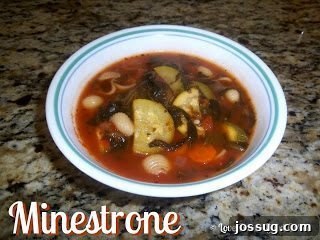
Minestrone is a vibrant and comforting Italian vegetable soup, a culinary masterpiece that seamlessly blends an array of fresh, seasonal ingredients into a harmonious and deeply flavorful meal. It’s incredibly easy to make and versatile, making it a perfect choice for any time of the year. Whether you’re seeking a light summer meal or a warming winter dish, a bowl of homemade minestrone, served alongside a crusty loaf of bread and a fresh side salad, promises pure delight and nourishment.

Classic Minestrone Soup: Your Guide to a Delicious Italian Favorite
For those who appreciate the comforting embrace of a warm bowl of soup, Minestrone stands out as a true culinary gem. Its versatility allows for endless variations, making it a staple in many kitchens. This recipe is an excellent way to celebrate the bounty of your garden or the wonderful finds from your local farmer’s market. Feel free to substitute fresh tomatoes, spinach, or other seasonal vegetables as desired. Consider this a guiding framework, encouraging you to adapt it with what you have on hand or what your family enjoys most!
Why You’ll Love Homemade Minestrone
Homemade Minestrone isn’t just a soup; it’s a bowl of tradition, health, and pure comfort. Its rich history traces back to ancient Rome, evolving over centuries as a peasant dish that made the most of available vegetables and legumes. The beauty of Minestrone lies in its adaptability. There’s no single “authentic” recipe; instead, it varies from region to region and family to family, reflecting the local produce and culinary preferences. This flexibility makes it a fantastic recipe for home cooks, allowing you to get creative and use whatever vegetables are in season.
Beyond its delicious taste, Minestrone is a nutritional powerhouse. Packed with fiber from beans and vegetables, vitamins from fresh produce, and often lean protein, it’s a wholesome meal that supports a healthy lifestyle. It’s naturally low in fat (especially if using vegetable broth) and can easily be made vegetarian or vegan. The act of preparing minestrone is also a joy—the aroma of sautéing garlic and onions, the vibrant colors of fresh vegetables, and the anticipation of a hearty meal all contribute to a rewarding cooking experience.
This recipe provides a solid foundation for a classic Minestrone, featuring a medley of traditional ingredients that build complex flavors. However, remember that the best Minestrone is often the one that reflects your personal taste and available ingredients. Don’t hesitate to experiment with different types of pasta, greens, or even adding a touch of your favorite sausage or shredded chicken for extra protein.
More Recipes to Explore
If you’ve enjoyed this recipe, here are some other comforting and delicious dishes you might like to try:
- Instant Pot Minestrone Soup – For a quicker version of this beloved soup.
- Apple Zucchini Bread – A delightful way to use up garden zucchini.
- Banana Chocolate Chip Bread – A classic sweet treat perfect for breakfast or dessert.
- Cheesy Garlic Bread “Cinnamon” Rolls – An innovative savory side.
- Slow Cooker Split Pea Soup – Another hearty and nutritious soup option.
12 servings
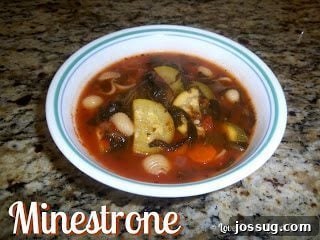
Hearty Minestrone Soup
This heartwarming Minestrone recipe is an excellent way to utilize the fresh produce from your garden or local farmers market, creating a delicious and wholesome meal for the whole family.
30 mins
1 hr 30 mins
2 hrs
Print Recipe
Ingredients
- Olive oil
- 5 cloves garlic, minced
- 1 large onion, chopped
- 3 stalks celery, chopped
- 4 carrots, peeled and sliced
- 64 ounces chicken broth (or vegetable broth for a vegetarian option)
- 28 ounces tomato sauce
- 28 ounces diced tomatoes, undrained
- 15 ounces pinto beans, rinsed and drained
- 15 ounces dark red kidney beans, rinsed and drained
- 3 medium zucchini, chopped
- 1 tablespoon dried oregano
- 1 tablespoon dried basil
- Salt and pepper, to taste
- ¾ cup seashell pasta (or other small pasta like ditalini or elbow macaroni)
- 10 ounces frozen chopped spinach, thawed and drained
- Parmesan cheese, for serving, if desired
Instructions
- In a large, heavy-bottomed soup pot or Dutch oven, add a generous swirl of olive oil (about 2-3 tablespoons) and heat it over medium-high heat. Add the chopped onion and cook, stirring occasionally, until it begins to soften and become translucent, which typically takes about 4-5 minutes.
- Stir in the minced garlic and cook for another 1-2 minutes until fragrant, being careful not to burn it. Then, add the chopped celery and sliced carrots to the pot. Continue to cook for an additional 3-4 minutes, allowing the vegetables to soften slightly and their flavors to begin developing. This foundational step, often called building a “soffritto,” is key to a flavorful Italian soup.
- Pour in the chicken broth (or vegetable broth), tomato sauce, and undrained diced tomatoes. Bring the mixture to a rolling boil, stirring frequently to combine all the ingredients. Once boiling, add the rinsed pinto beans, kidney beans, chopped zucchini, dried oregano, and dried basil. Season generously with salt and pepper to taste. Reduce the heat to low, cover the pot, and let the soup simmer gently for approximately one hour. This extended simmering time allows the flavors to meld beautifully and the vegetables to become tender. Stir occasionally to prevent sticking.
- After simmering, add the seashell pasta and the thawed, drained chopped spinach to the soup. Continue to cook for an additional 10-15 minutes, or until the pasta is al dente (cooked through but still firm to the bite). It’s crucial not to overcook the pasta, as it can become mushy.
- Taste the soup and adjust seasonings if necessary, adding more salt, pepper, or herbs to your preference. Ladle the hot Minestrone into bowls. Serve immediately, topped with freshly grated Parmesan cheese if desired, and enjoy this hearty and flavorful Italian classic.
Chef’s Notes & Tips for Perfect Minestrone
- **Vegetable Flexibility:** Minestrone is incredibly forgiving. Feel free to use whatever fresh vegetables you have on hand or what’s in season. Great additions include chopped cabbage, green beans, peas, potatoes, or bell peppers. Don’t be afraid to experiment!
- **Pasta Choices:** While seashell pasta is suggested, other small pasta shapes work wonderfully. Consider ditalini, small elbows, or even broken spaghetti. For a gluten-free option, use gluten-free pasta or omit pasta entirely and add extra beans or vegetables.
- **Flavor Depth:** For an even richer broth, sauté a tablespoon of tomato paste with the garlic and onions before adding the liquids. This caramelizes the paste and deepens the tomato flavor.
- **Herb Power:** While dried herbs are convenient, a handful of fresh basil or parsley stirred in at the very end of cooking can brighten the flavor significantly.
- **Make-Ahead & Storage:** Minestrone often tastes even better the next day as the flavors continue to develop. Store leftovers in an airtight container in the refrigerator for up to 3-4 days. Note that the pasta will absorb more liquid and soften over time. If you plan to make a large batch for meal prep, you might consider cooking the pasta separately and adding it to individual servings to prevent it from getting mushy.
- **Freezing Instructions:** Minestrone without pasta freezes exceptionally well. Allow the soup to cool completely, then transfer it to freezer-safe containers or bags. It can be frozen for up to 3 months. Thaw overnight in the refrigerator and reheat gently on the stovetop. Cook fresh pasta separately and add it just before serving.
- **Protein Boost:** To make this a more substantial meal, consider adding cooked shredded chicken, ground turkey, or Italian sausage during the simmering stage. For a vegetarian protein boost, add extra chickpeas or cannellini beans.
Nutrition Information
Calories: 189kcal
Carbohydrates: 36g
Protein: 11g
Fat: 2g
Saturated Fat: 0.2g
Polyunsaturated Fat: 0.4g
Monounsaturated Fat: 0.2g
Cholesterol: 3mg
Sodium: 927mg
Potassium: 997mg
Fiber: 10g
Sugar: 8g
Vitamin A: 6687IU
Vitamin C: 24mg
Calcium: 132mg
Iron: 4mg
Nutrition information is automatically calculated and should be used as an approximation only. Factors such as specific brands, preparation methods, and ingredient variations can affect the actual nutritional content.
Enjoyed this Minestrone recipe? We’d love to hear from you! Share your thoughts and rate the recipe in the comments section below.
This recipe was originally published on July 1, 2012, and updated on April 21, 2021.