
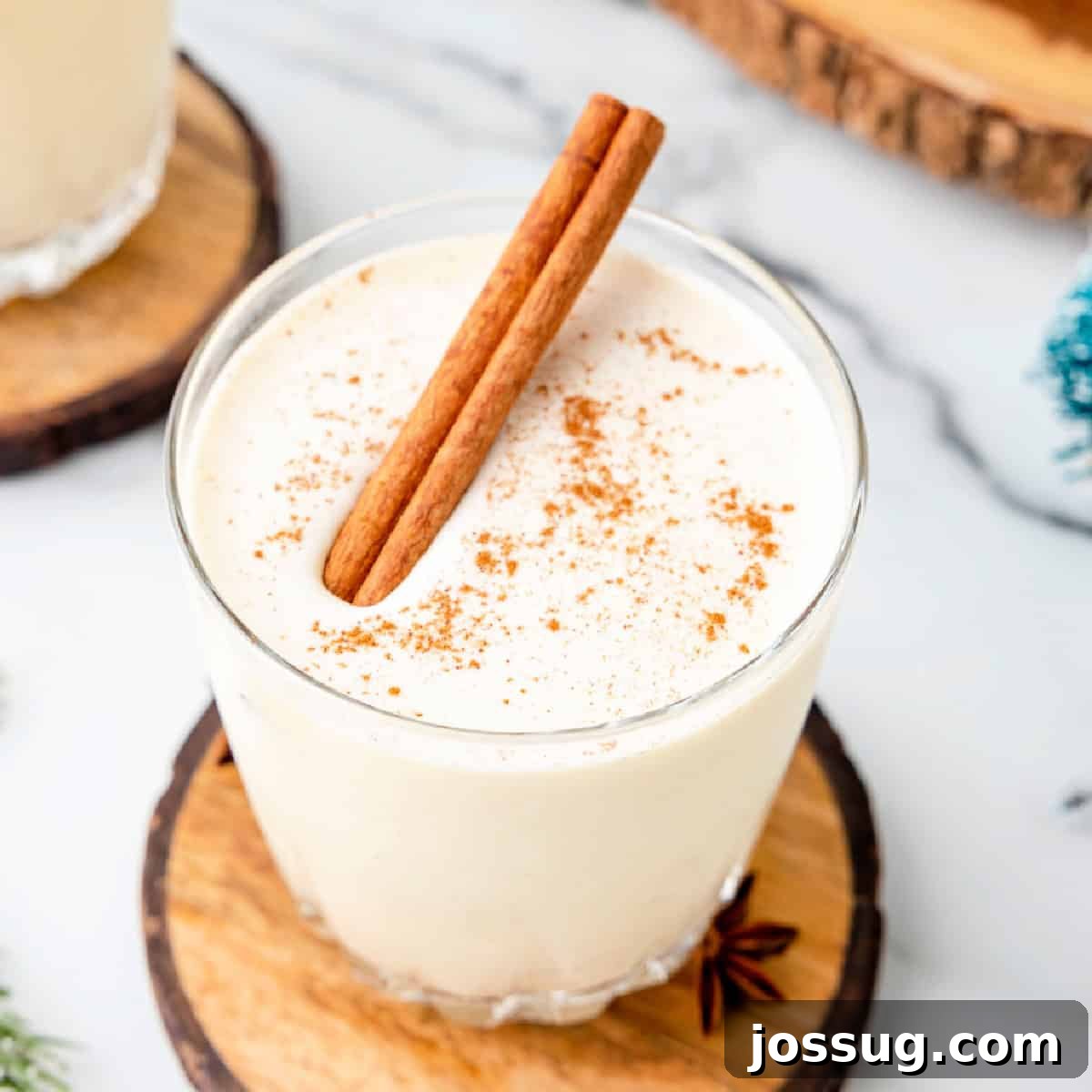
✨ Learn how to make Homemade Eggnog from scratch! A holiday favorite that’s smooth, creamy, and full of Christmas cheer.
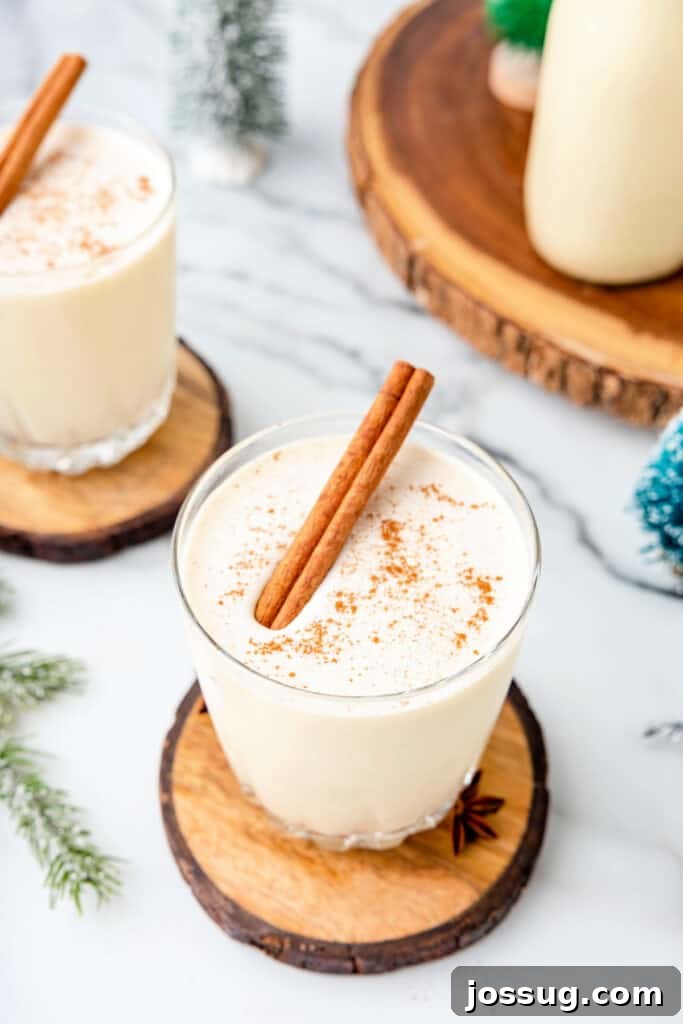
Homemade Eggnog: Your Ultimate Guide to a Creamy Holiday Tradition
There’s an undeniable magic to the holidays, and if that magic had a flavor, it would undoubtedly be eggnog. This rich, creamy, custard-like beverage has graced festive tables for centuries, becoming an iconic symbol of Christmas cheer and warmth. While store-bought versions offer convenience, nothing compares to the fresh, vibrant, and perfectly balanced taste of homemade eggnog. Crafting your own eggnog recipe at home is surprisingly straightforward and yields a drink that far surpasses any pre-made alternative. Whether you prefer to call it eggnog or egg nog, this authentic recipe is destined to become a cherished holiday tradition in your home for years to come.
Imagine settling into your favorite armchair, a blanket draped over you, with holiday music playing softly in the background. In your hand, a glass of homemade eggnog, each sip a velvety embrace of warmth, delicate spice, and comforting sweetness. It’s the kind of drink that instantly transports you to a cozy, festive wonderland. Beyond the exquisite taste, making eggnog from scratch offers the unique advantage of customizing its flavor profile. You can adjust the sweetness, amplify the spices, or decide whether to enjoy it plain or add a celebratory kick for adult gatherings. This hands-on approach ensures your eggnog is exactly how you like it, making every holiday moment even more special.
⭐ Why You’ll Love This Homemade Eggnog Recipe
Making eggnog from scratch might sound daunting, but once you experience the superior flavor and texture, you’ll be convinced. Here’s why this recipe will become your go-to holiday staple:
- Unmatched Creaminess and Richness: Achieve a luxurious, velvety texture that feels like a decadent holiday treat in every sip, far richer than any store-bought option.
- Simple, Wholesome Ingredients: This recipe utilizes common kitchen staples, transforming them into an extraordinary festive beverage. You likely have most ingredients in your pantry already!
- Versatile Serving Options: Enjoy it as a comforting non-alcoholic drink for the whole family, or easily transform it into a sophisticated spiked eggnog for adult celebrations.
- Superior Freshness and Flavor: Homemade eggnog boasts a brighter, more pronounced spice flavor and a creamier consistency, offering a truly gourmet experience compared to its pre-packaged counterparts.
- Customizable to Your Taste: Adjust the levels of sweetness and spice to perfectly match your preferences, creating an eggnog that’s uniquely yours.
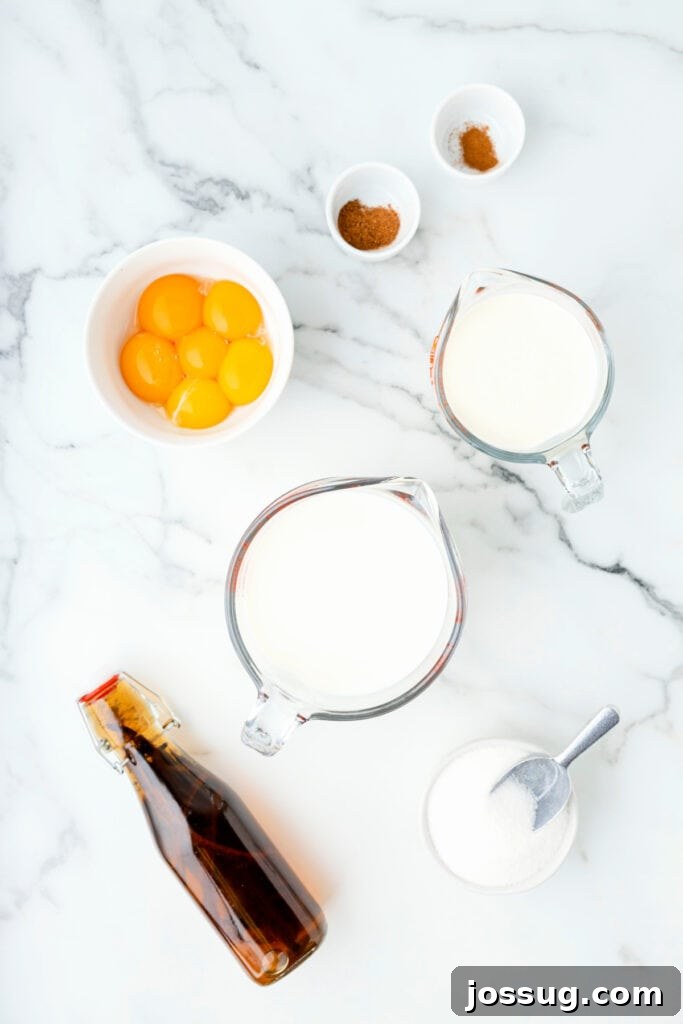
🛒 Essential Ingredients & Smart Substitutions
Crafting the perfect homemade eggnog begins with quality ingredients. Each component plays a vital role in achieving that signature creamy texture and festive flavor.
- Egg Yolks: These are the heart of traditional eggnog, providing its characteristic rich flavor and luscious, custard-like consistency. For an authentic and thick eggnog, no substitute is recommended for the egg yolks. Ensure they are fresh for the best results.
- Granulated Sugar: Sweetens the eggnog and helps create a smooth texture when creamed with the egg yolks. For a slightly deeper, more caramel-like flavor, you can substitute granulated sugar with light brown sugar.
- Milk: Whole milk is highly recommended for maximum richness and body, contributing to that classic velvety feel. If preferred, 2% milk can be used, but be aware that it may result in a slightly thinner texture. Skim milk is generally not recommended as it will yield a very watery eggnog.
- Ground Nutmeg: A quintessential eggnog spice, providing warmth and a signature aroma. Freshly grated nutmeg offers the most intense and aromatic flavor. As a substitute, you can use allspice or mace for a similar warm, spicy note.
- Cinnamon: Adds another layer of warm spice that complements the nutmeg beautifully. It can be omitted if you prefer a simpler flavor profile, or you can substitute it with a pumpkin pie spice blend for a more complex, autumnal twist.
- Heavy Cream: This is crucial for achieving that decadent, super-creamy mouthfeel. Heavy cream provides the luxurious richness that elevates homemade eggnog. While half and half can be used as a substitute, it will result in a noticeably thinner consistency.
- Vanilla Extract: Enhances all the other flavors with its sweet, aromatic notes. High-quality vanilla extract makes a significant difference. For an intriguing nutty twist, you can substitute vanilla extract with almond extract.
✨ Delightful Eggnog Variations to Explore
One of the joys of making homemade eggnog is the ability to customize it to suit different tastes and dietary needs. Here are a few popular variations:
- Spiked Eggnog: For an adult-friendly holiday beverage, add your favorite spirits. Classic choices include bourbon for a smoky depth, brandy for a fruity sweetness, rum for a Caribbean flair, or whiskey for a robust kick. A good starting point is ½ cup of alcohol per recipe batch, but feel free to adjust to your preference. This holiday drink truly shines with a boozy twist!
- Dairy-Free Eggnog Recipe: Enjoy the rich flavors of eggnog without dairy! Substitute traditional milk and heavy cream with plant-based alternatives. Almond milk or oat milk work well for the liquid base, combined with full-fat coconut cream (the thick part from a can of refrigerated coconut milk) to achieve a creamy texture. Adjust sweetness and spices as needed.
- Extra Spiced Eggnog: If you adore bold, warm spices, don’t shy away from enhancing the flavor. Increase the amounts of cinnamon and nutmeg, or introduce additional festive spices like a pinch of ground cloves, cardamom, or a star anise pod simmered with the milk for a stronger, more complex aromatic profile.
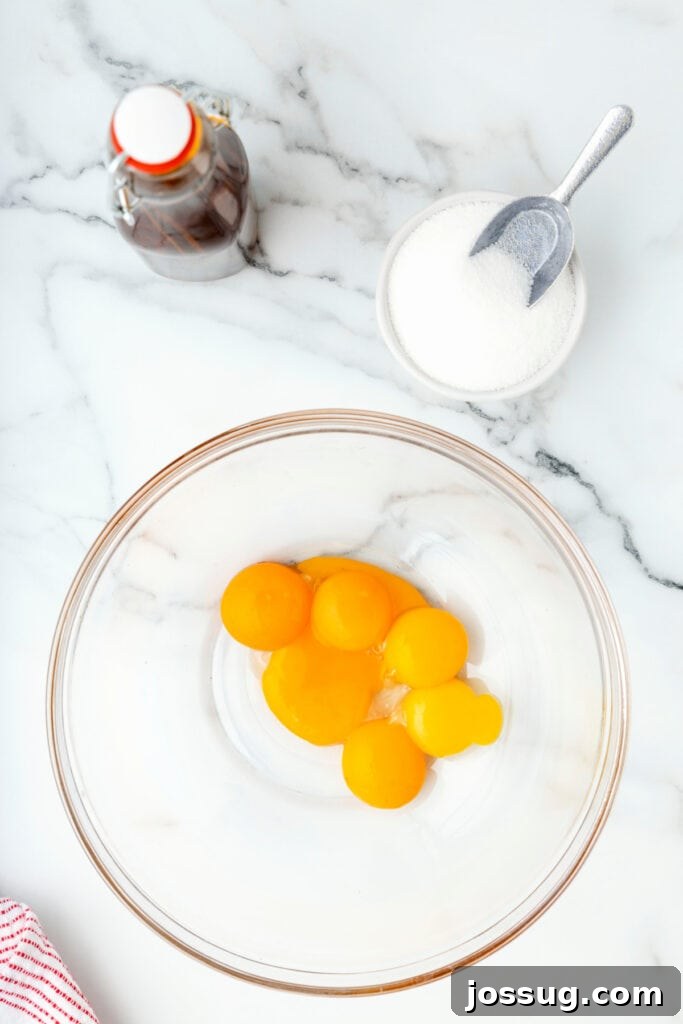
🔥 Expert Tips for Perfect Homemade Eggnog
Follow these essential tips to ensure your homemade eggnog turns out perfectly creamy, smooth, and delicious every time:
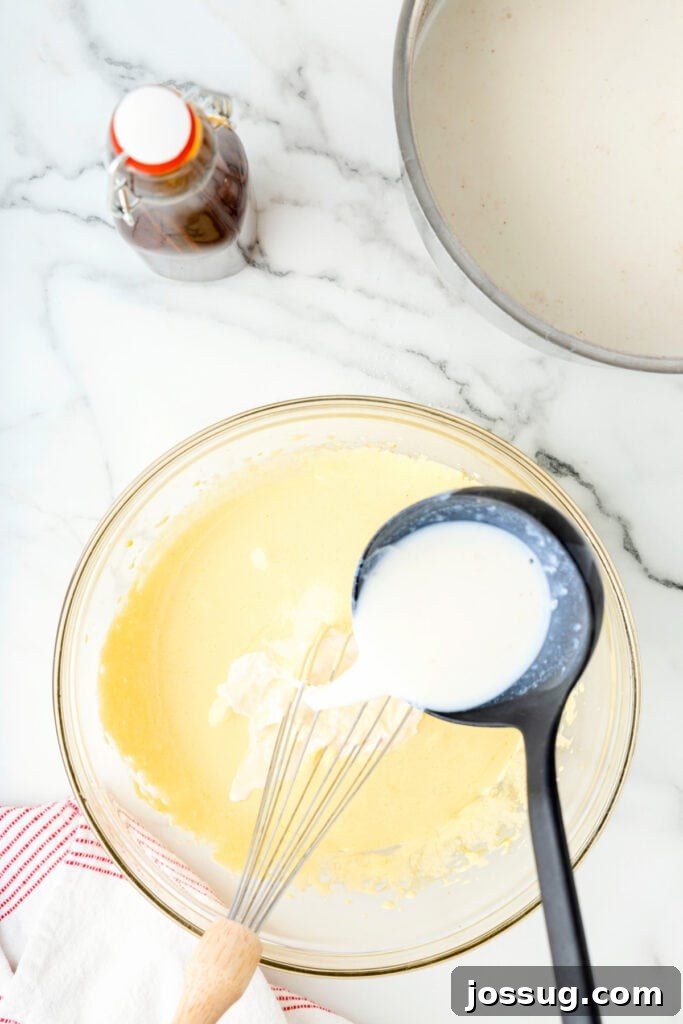
- Whisk Constantly During Tempering: This is a critical step! When slowly adding the warm milk to the egg yolks, whisk continuously and vigorously. This prevents the yolks from cooking too quickly and scrambling, ensuring a silky-smooth base for your eggnog.
- Chill Thoroughly for Best Flavor: While tempting to taste right away, eggnog’s flavors deepen and meld beautifully as it chills. Refrigerate your eggnog for at least 1 hour, or preferably overnight, before serving. This allows the spices to infuse fully and the drink to reach its optimal creamy consistency.
- Garnish with Freshly Grated Nutmeg: For an elevated presentation and a burst of fresh aroma, always top each glass with a sprinkle of freshly grated nutmeg just before serving. The difference in flavor from pre-ground nutmeg is remarkable.
- Prioritize Egg Safety: If you have concerns about consuming raw or lightly cooked eggs, especially for children, pregnant women, or individuals with weakened immune systems, use pasteurized eggs. The tempering process does gently cook the yolks, but reaching 165°F (74°C) with a thermometer ensures full pasteurization.
- Avoid Overcooking: Once the eggnog mixture is back on the stove after tempering, cook it gently over medium heat, stirring constantly. It should thicken enough to coat the back of a spoon, but do not let it boil, as this can cause the eggs to curdle.
- Strain for Ultimate Smoothness: After cooking, always pour your eggnog through a fine-mesh strainer. This removes any potential small clumps of cooked egg or bits of spice, ensuring a perfectly smooth and luxurious drink.
- Make Ahead for Convenience: Eggnog tastes even better the next day as the flavors deepen. Prepare it a day or two in advance, cover it tightly, and store it in the refrigerator.
❓ Frequently Asked Questions About Homemade Eggnog
Eggnog is a traditional holiday beverage, often served during Christmas. It’s a rich, creamy, and spiced drink made from eggs, milk, cream, sugar, and various spices like nutmeg and cinnamon. It can be served non-alcoholic or “spiked” with spirits like brandy, rum, or bourbon.
Absolutely! In fact, homemade eggnog often tastes even better when made a day or two in advance. This allows all the delicious holiday flavors to meld together and deepen. Simply store it in a tightly covered container in the refrigerator until you’re ready to serve.
To make your eggnog boozy, stir in about ½ cup of your preferred alcohol, such as brandy, bourbon, whiskey, or rum, after the eggnog has been cooked and strained, and just before chilling. You can adjust the amount to your taste. For an extra festive touch, you can even split the alcohol, adding some during chilling and a splash more when serving.
Our recipe includes a tempering process where warm milk is slowly whisked into the egg yolks, which gently cooks them. Then, the entire mixture is heated on the stove until it thickens. For complete safety, especially if you’re concerned about salmonella, ensure the mixture reaches a temperature of 160-165°F (71-74°C) using a kitchen thermometer. Always whisk constantly during cooking to prevent the eggs from scrambling.
It’s common for eggnog, especially when homemade, to separate slightly when stored in the refrigerator due to the fats in the cream and milk. As long as it has been stored properly within the recommended timeframe (up to 4 days for non-spiked, up to 1 week for spiked), it is still safe to drink. Simply give it a good whisk or stir before serving to recombine everything into a smooth consistency.
Yes, you can absolutely double or even triple this recipe to accommodate a larger gathering. Just be sure to scale all ingredients evenly. When cooking, use a sufficiently large saucepan to prevent overflow and ensure there’s enough room for vigorous whisking during the tempering and cooking stages. The cooking time might also be slightly longer for larger batches.
🍽️ Other Festive Recipes You May Enjoy
Beverages
Pumpkin Spice White Hot Chocolate
Beverages
Mulled Wine
Beverages
Hot Buttered Rum Mix
Beverages
Holiday Sangria
4 servings
Classic Homemade Eggnog
Jamie Sherman
15 mins
20 mins
1 hr
1 hr 35 mins
Equipment
-
Hand mixer or stand mixer
-
Mixing bowl
-
Medium saucepan
-
Whisk
-
Ladle
-
Fine mesh strainer
-
Wooden spoon (for testing thickness)
-
Refrigerator-safe container with lid
Ingredients
- 6 large egg yolks
- ½ cup granulated sugar
- 2 cups whole milk
- ¼ teaspoon ground nutmeg
- Pinch ground cinnamon
- 1 cup heavy cream
- 2 teaspoons vanilla extract
Instructions
-
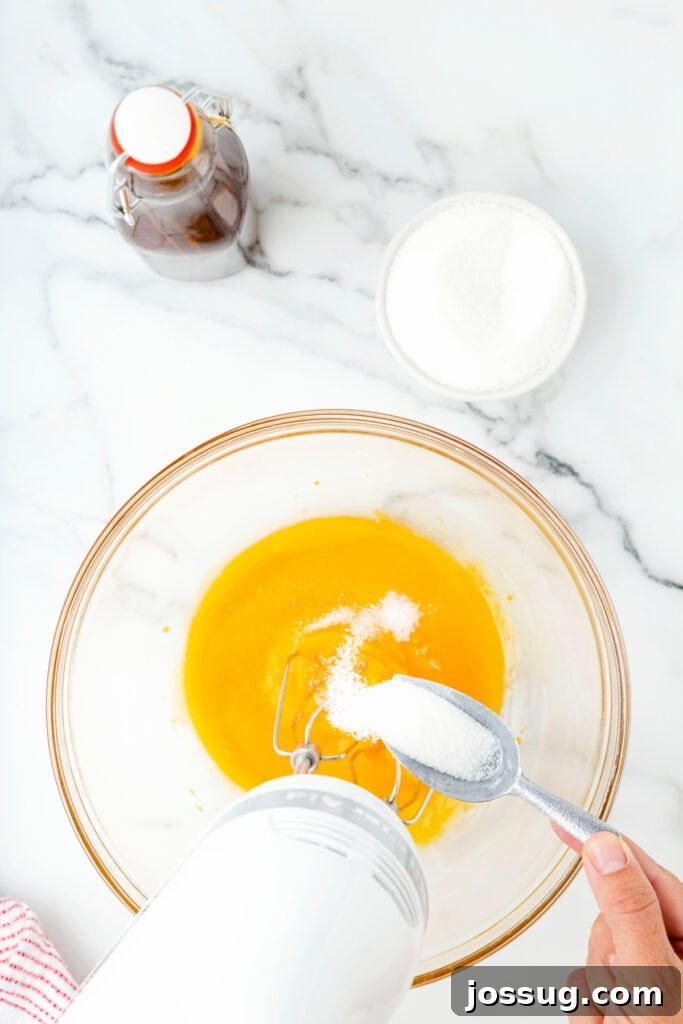
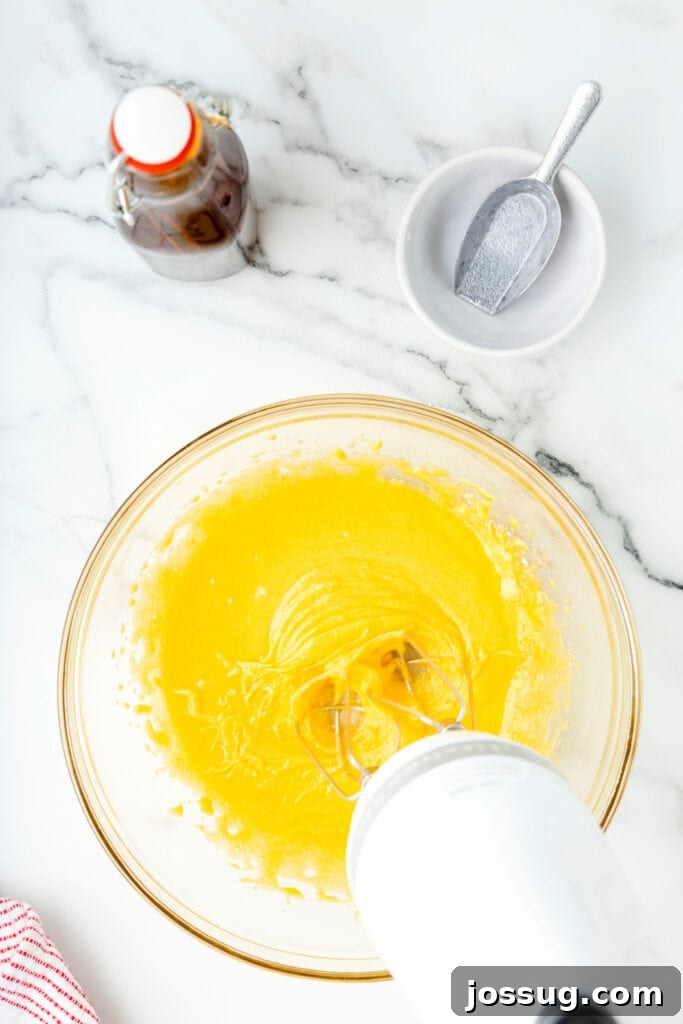
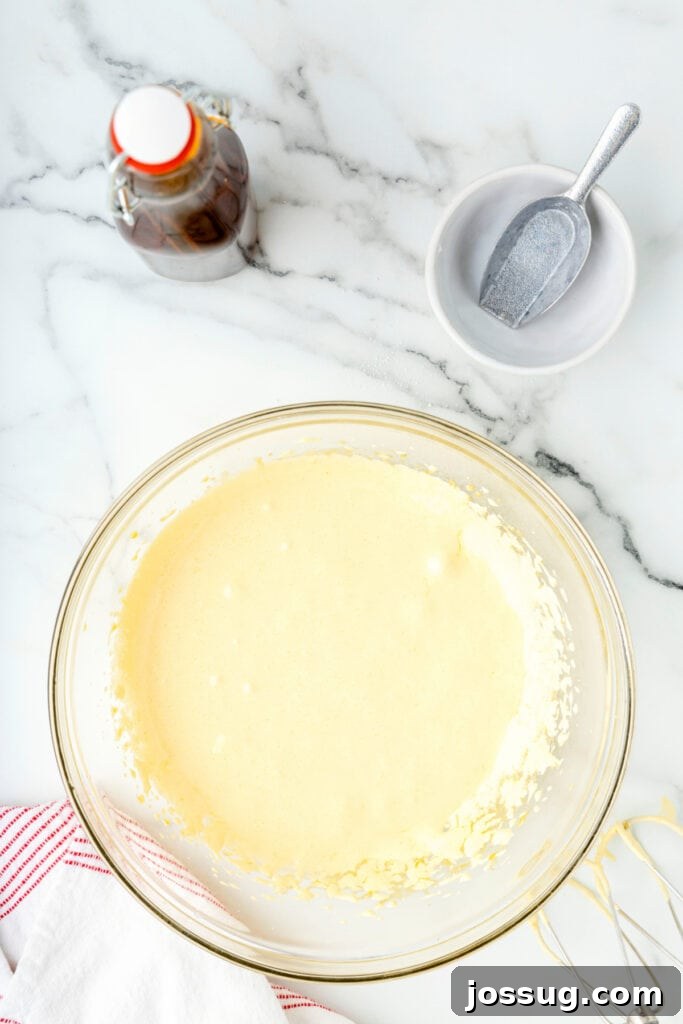
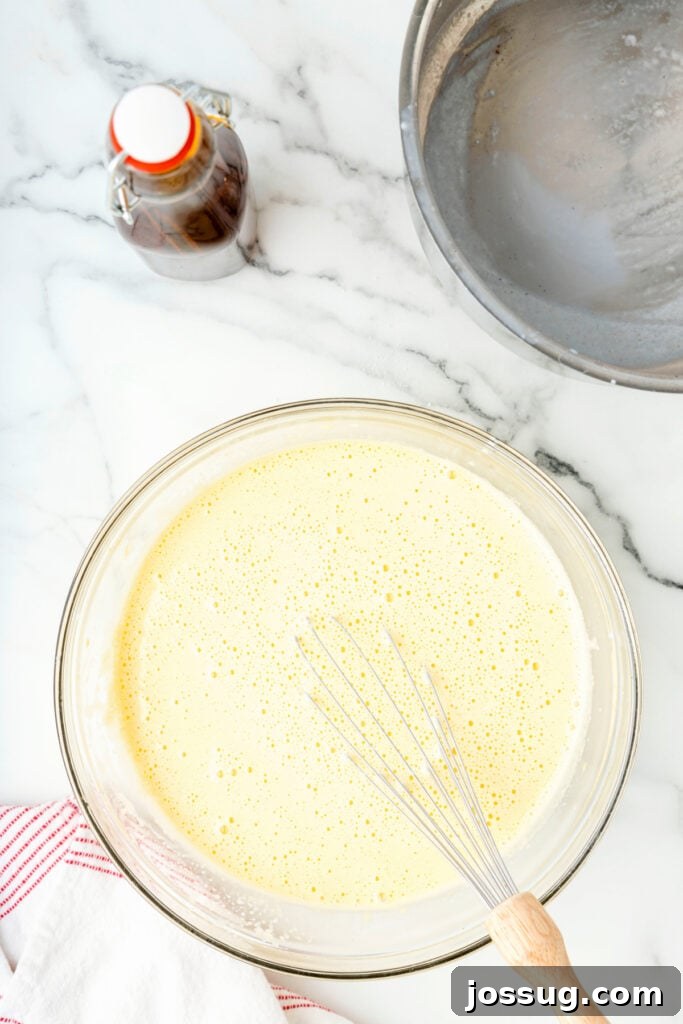
In a large mixing bowl (or the bowl of a stand mixer), add the egg yolks. Begin mixing on medium speed, gradually incorporating the granulated sugar until fully combined. Increase the speed to high and continue beating until the mixture becomes pale yellow, thick, light, and fluffy, creating a smooth base.
-
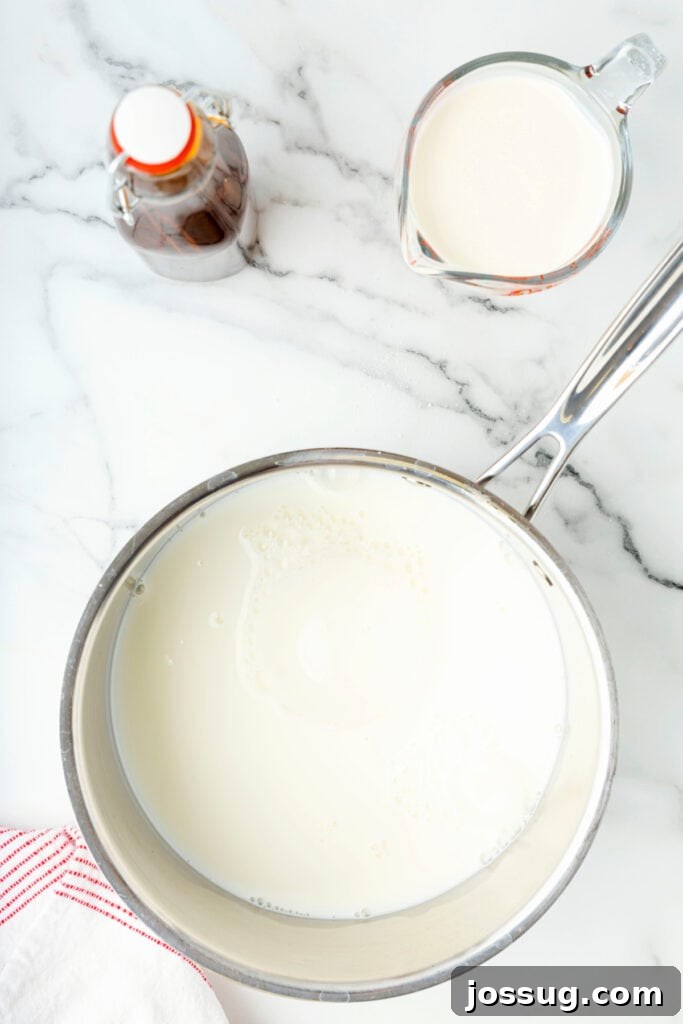
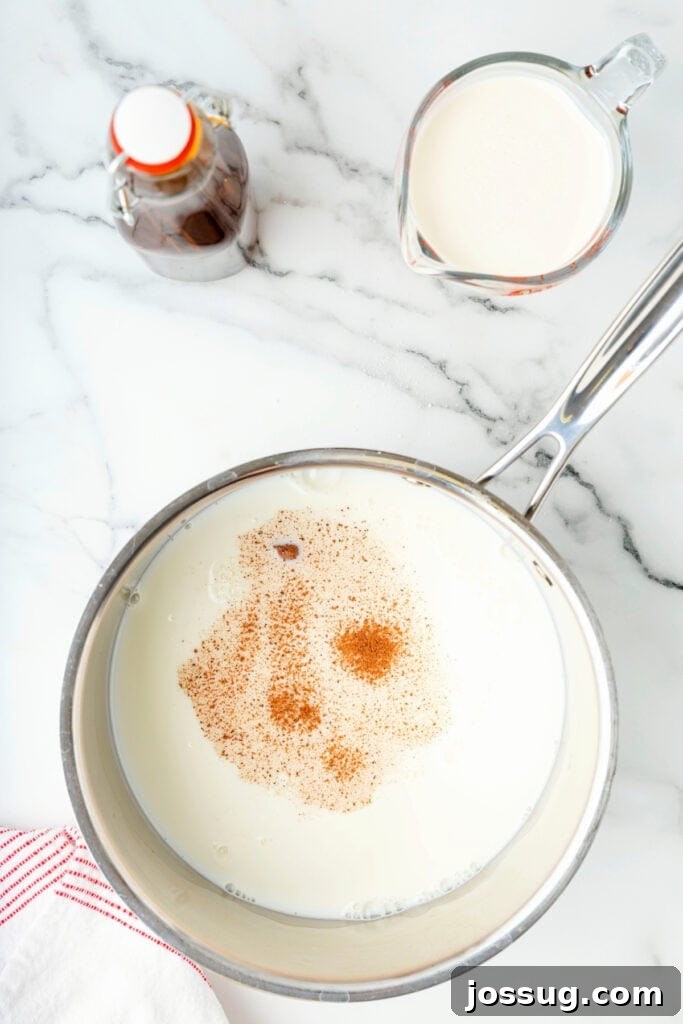
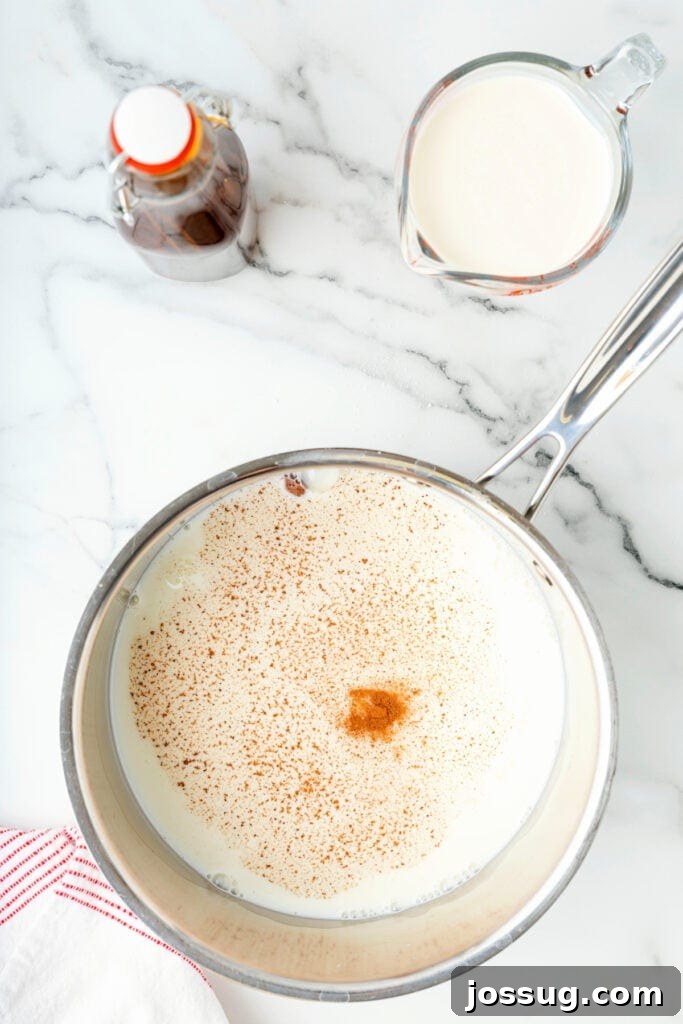
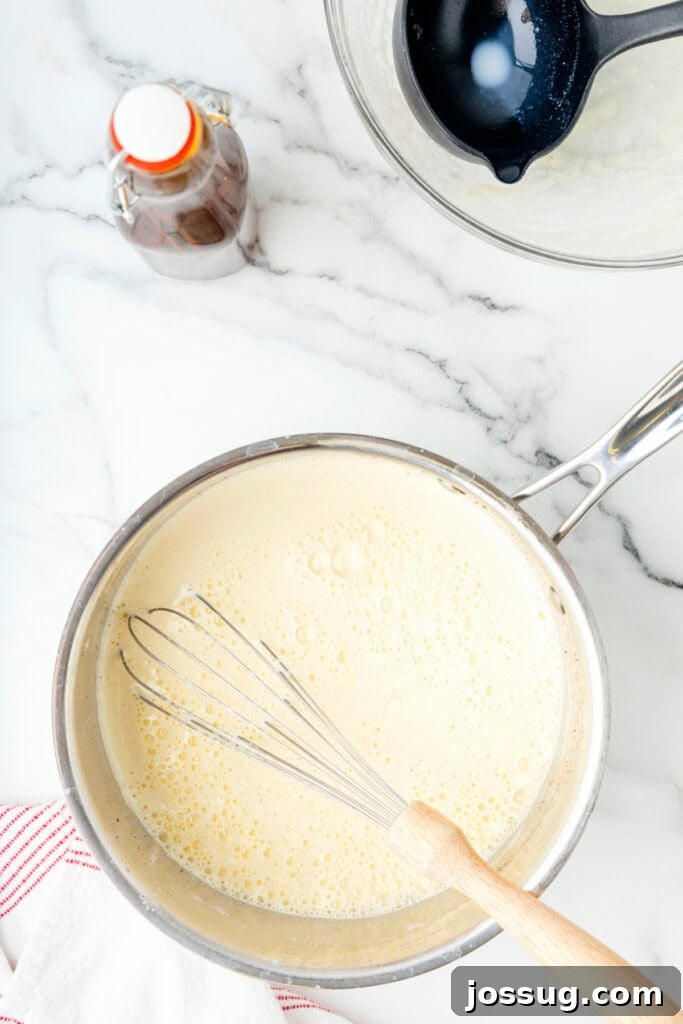
In a medium saucepan, combine the milk, ground nutmeg, and ground cinnamon. Heat over medium-high heat, stirring occasionally, until the mixture just begins to simmer. Do not let it boil.
-
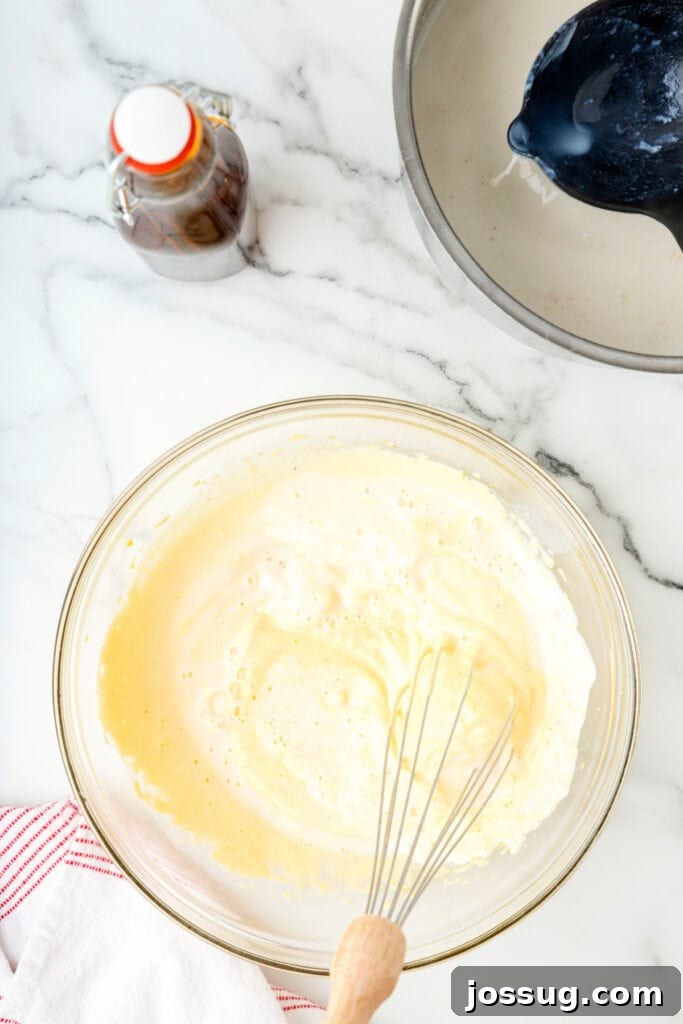
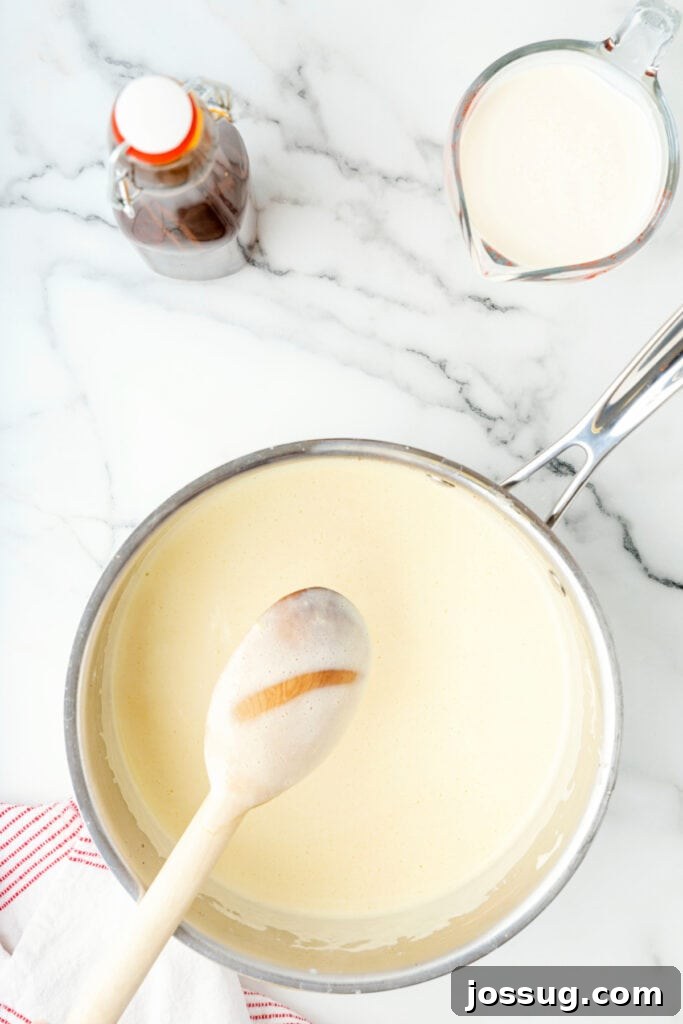
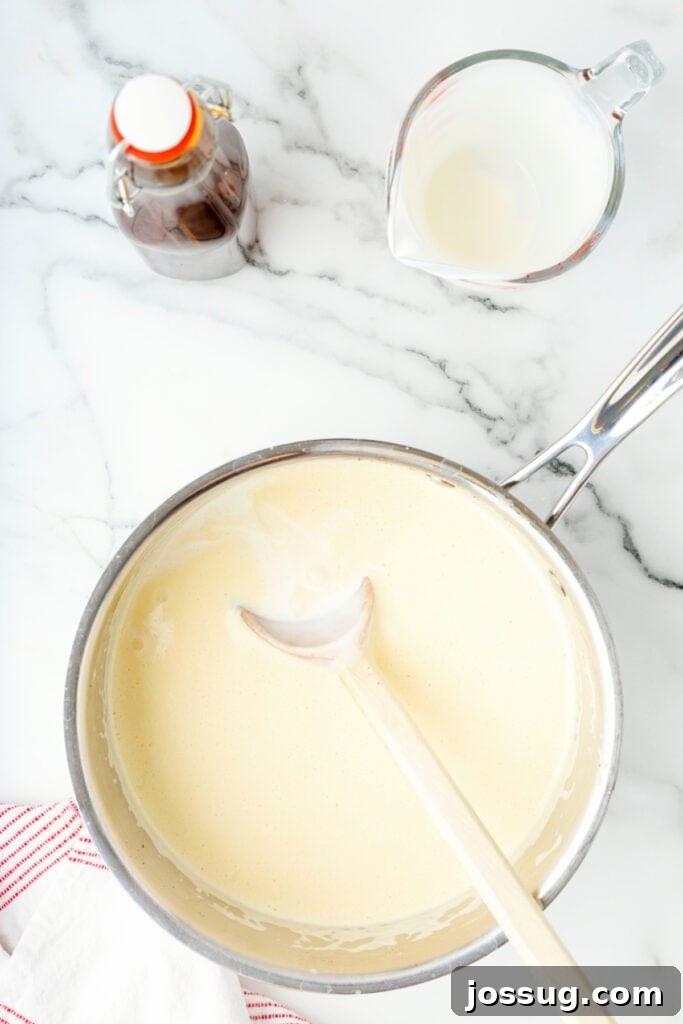
Carefully temper the egg mixture. While continuously whisking the egg yolk mixture vigorously, slowly ladle about 1 cup of the warm milk mixture into the eggs. This gradually raises the temperature of the egg yolks without scrambling them. Once tempered, pour the entire egg-milk mixture back into the saucepan. Cook over medium heat, stirring constantly with a wooden spoon, until the mixture thickens enough to coat the back of the spoon. If you run your finger across the spoon, the line should hold. For safety, aim for 160-165°F (71-74°C) with a thermometer.
-
Remove the saucepan from the heat. Stir in the heavy cream and vanilla extract until well combined.
-
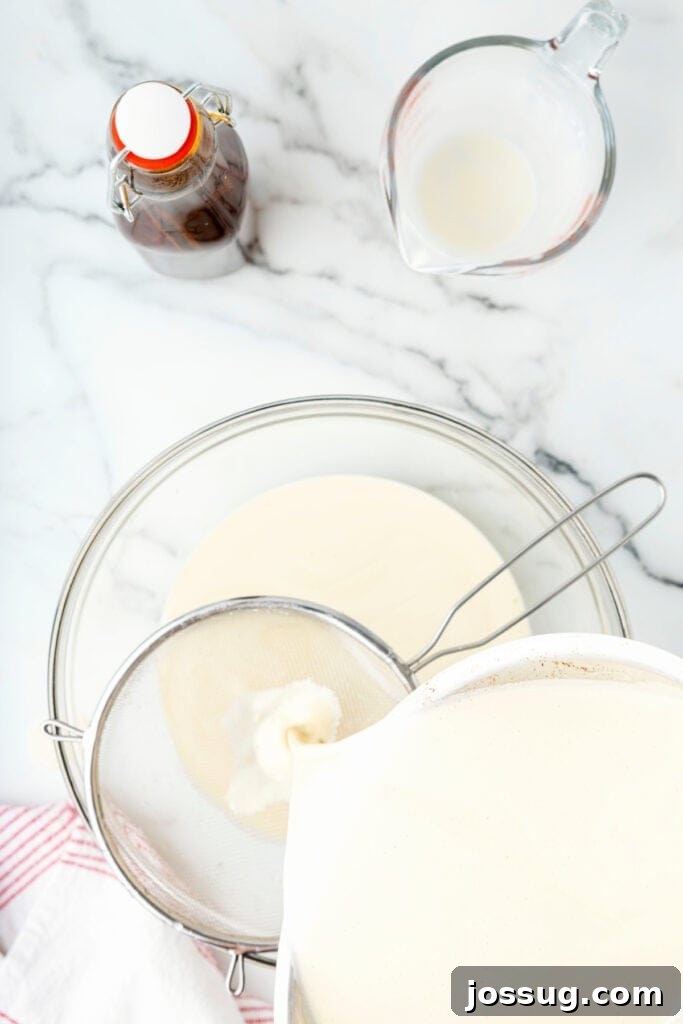
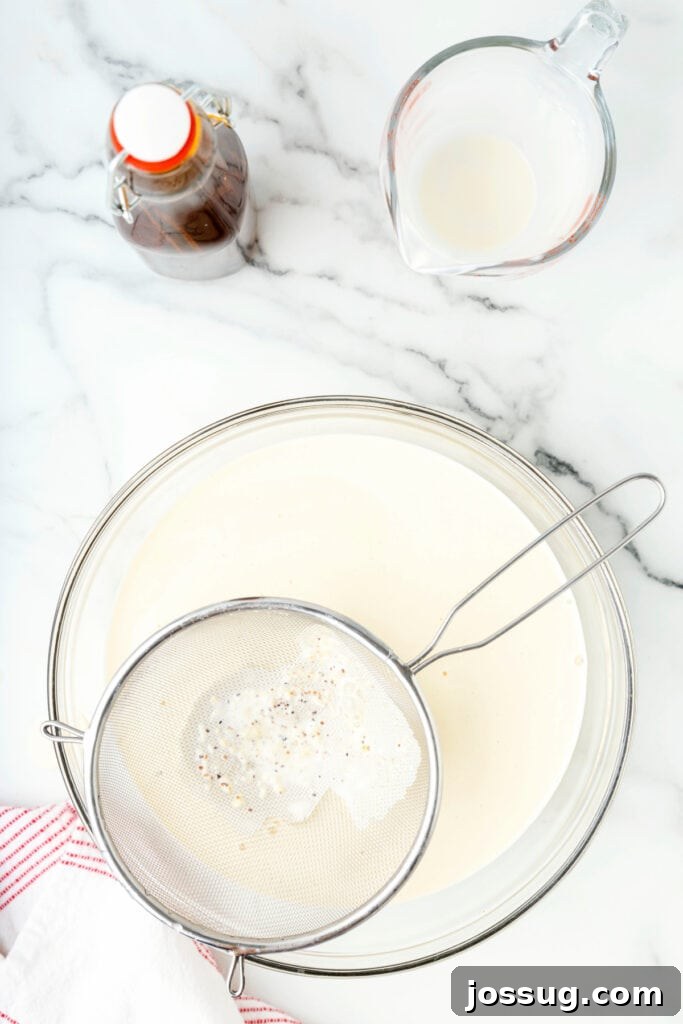
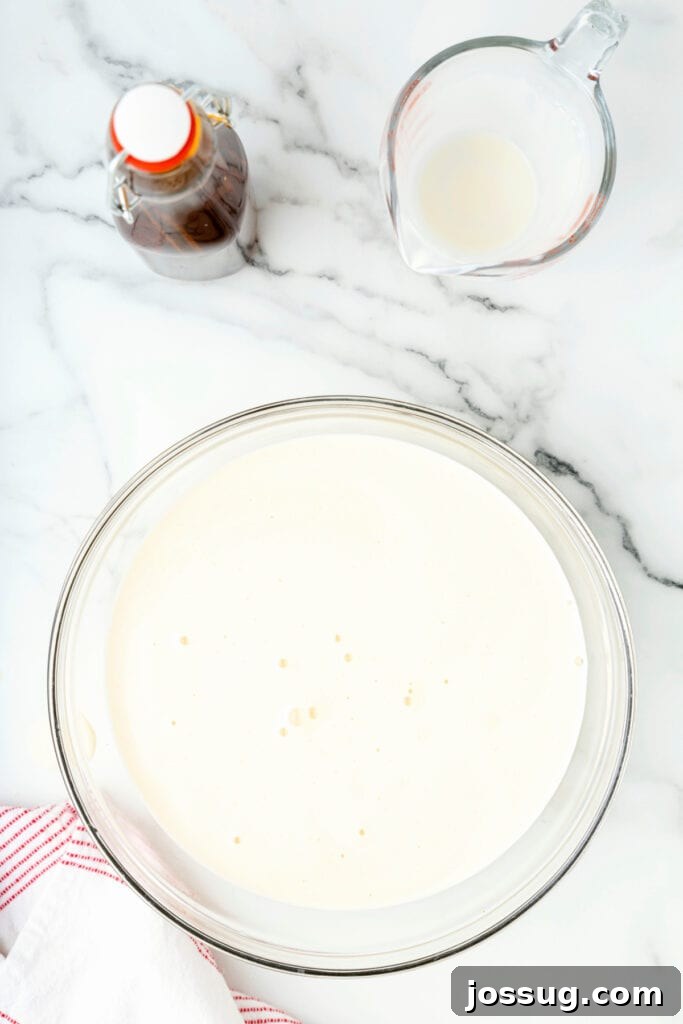
Pour the finished eggnog through a fine-mesh strainer into a clean bowl or pitcher. This step ensures a perfectly smooth, lump-free consistency by catching any small cooked egg bits or spice particles.
-
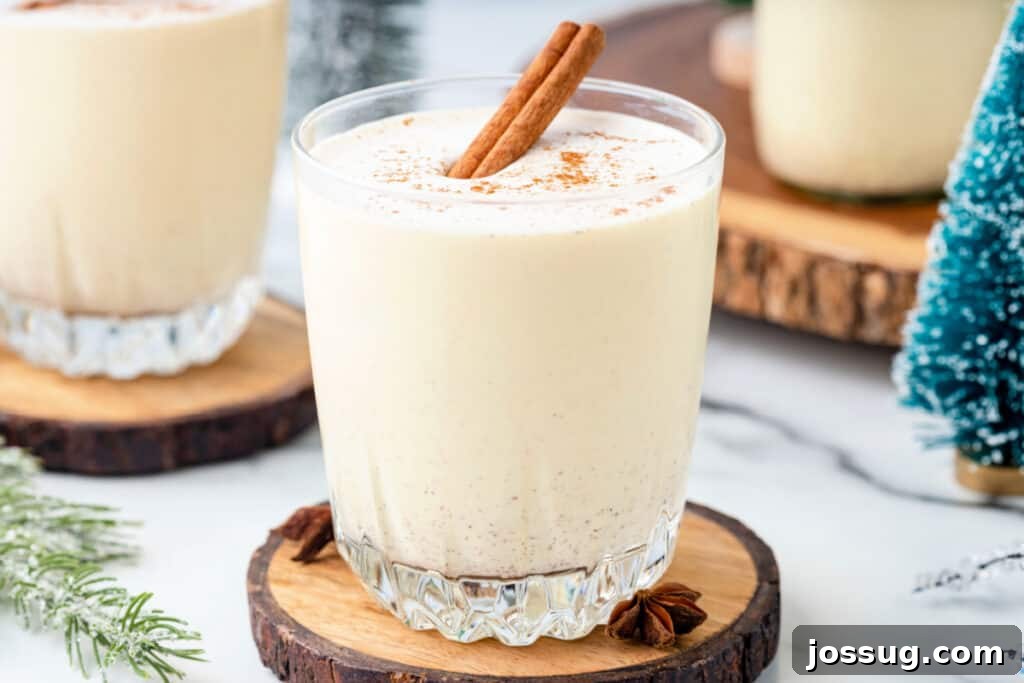
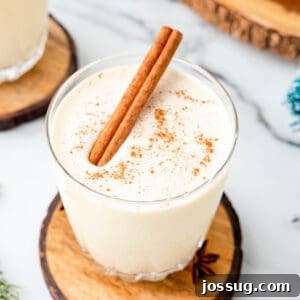
Cover the bowl or pitcher and refrigerate until completely chilled, which typically takes about 1 hour but is best when chilled longer, up to overnight. Serve cold, garnished with freshly grated nutmeg or a cinnamon stick.
Notes
🥡 Storage Guidelines
- Store homemade eggnog in a tightly covered container in the refrigerator.
- Plain, non-spiked eggnog can be safely stored for up to 4 days.
- Spiked eggnog, due to the alcohol content, can last slightly longer, up to 1 week in the refrigerator.
♨️ Reheating Recommendations
- Eggnog is traditionally served chilled, but if you prefer it warm:
- Warm gently on the stovetop over very low heat.
- Stir often and continuously to prevent scorching. Do not allow it to boil, as this will cause the eggnog to curdle.
❄️ Freezing Advice
- Eggnog does not freeze well. The dairy and egg components tend to separate upon thawing, resulting in a grainy or unappealing texture.
- For long-term storage or if you’re concerned about leftovers, it’s best to prepare smaller batches as needed rather than freezing.
💡 Tips for Best Results
- Whisk constantly when tempering the egg mixture to prevent curdling and ensure a smooth texture.
- Chill thoroughly before serving. Cold eggnog has the best flavor and consistency.
- Use freshly grated nutmeg for a significantly richer and more aromatic spice profile.
- If the eggnog separates slightly during storage, stir it vigorously to recombine before serving.
🍳 Alternate Cooking Methods
- Stovetop only: This recipe relies solely on stovetop cooking to thicken the eggnog. No specialized equipment beyond basic kitchen tools is required.
- No-bake shortcut: For a less traditional, quicker approach, you could use pasteurized egg yolks and skip the cooking step entirely. However, the cooked method provides a richer, thicker texture and deeper flavor.
♻️ Leftover Eggnog Uses
- Stir well before serving any leftover eggnog, as the spices and dairy may have settled.
- Leftover eggnog can be a fantastic ingredient in baking! Use it in recipes such as French toast, cakes, muffins, or quick breads for a festive twist.
Nutrition
Calories: 460kcal,
Carbohydrates: 34g,
Protein: 10g,
Fat: 32g,
Saturated Fat: 18g,
Polyunsaturated Fat: 2g,
Monounsaturated Fat: 9g,
Cholesterol: 357mg,
Sodium: 75mg,
Potassium: 271mg,
Fiber: 0.03g,
Sugar: 33g,
Vitamin A: 1440IU,
Vitamin C: 0.4mg,
Calcium: 223mg,
Iron: 1mg
Nutrition information is automatically calculated and should only be used as an approximation.
Enjoyed this recipe? Share your thoughts below!
There’s truly nothing quite like a glass of homemade eggnog to embody the spirit of the holidays. Its creamy texture, fragrant spices, and comforting warmth create a festive experience that store-bought versions simply can’t replicate. By following this detailed guide, you’ve not only mastered a classic holiday recipe but also created a new tradition. Whether served warm or chilled, plain or spiked, your homemade eggnog is sure to be a delightful addition to your celebrations, bringing joy and cheer to everyone who sips it. Happy holidays and happy making!