
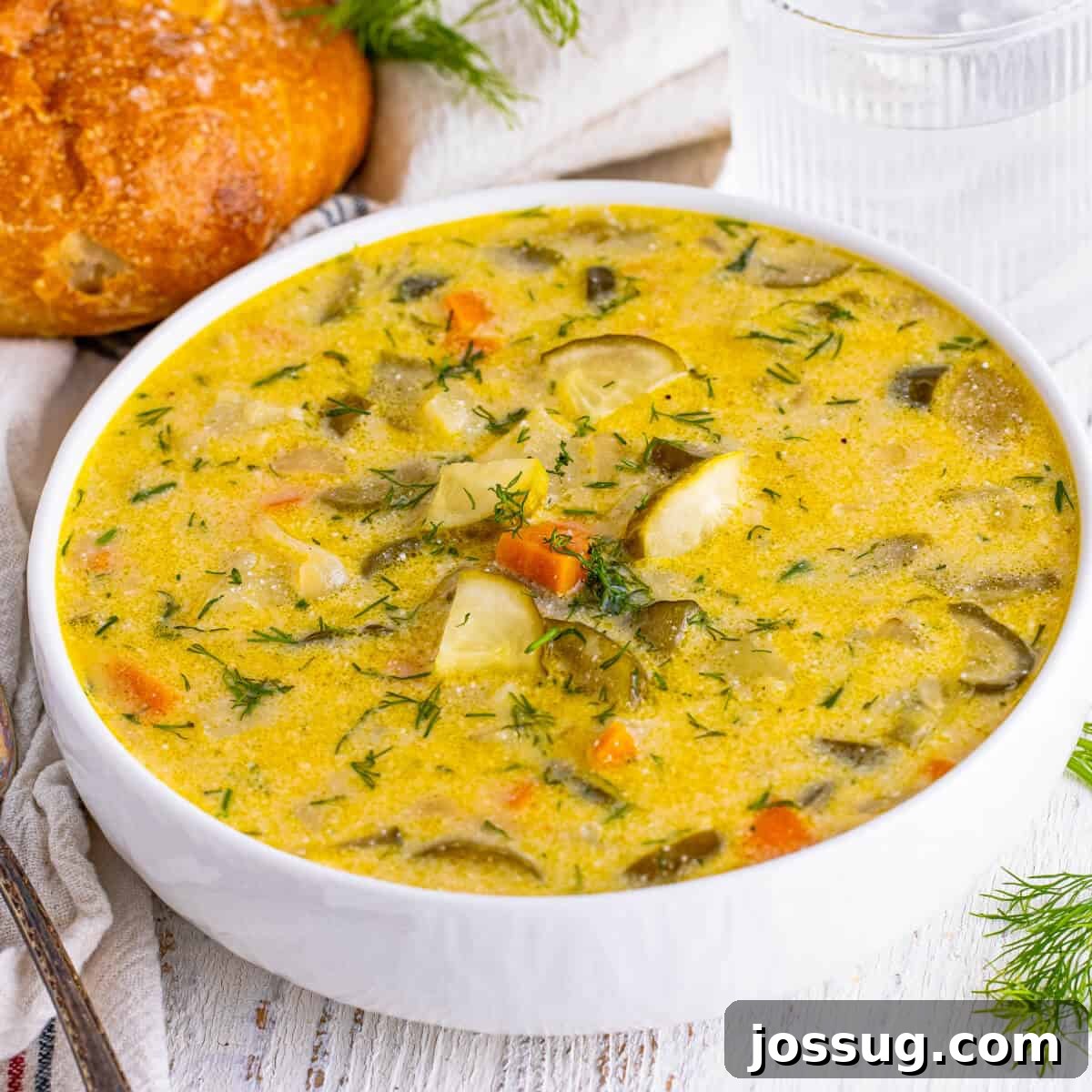
The Ultimate Guide to Comfort and Zest: Discovering Dill Pickle Soup
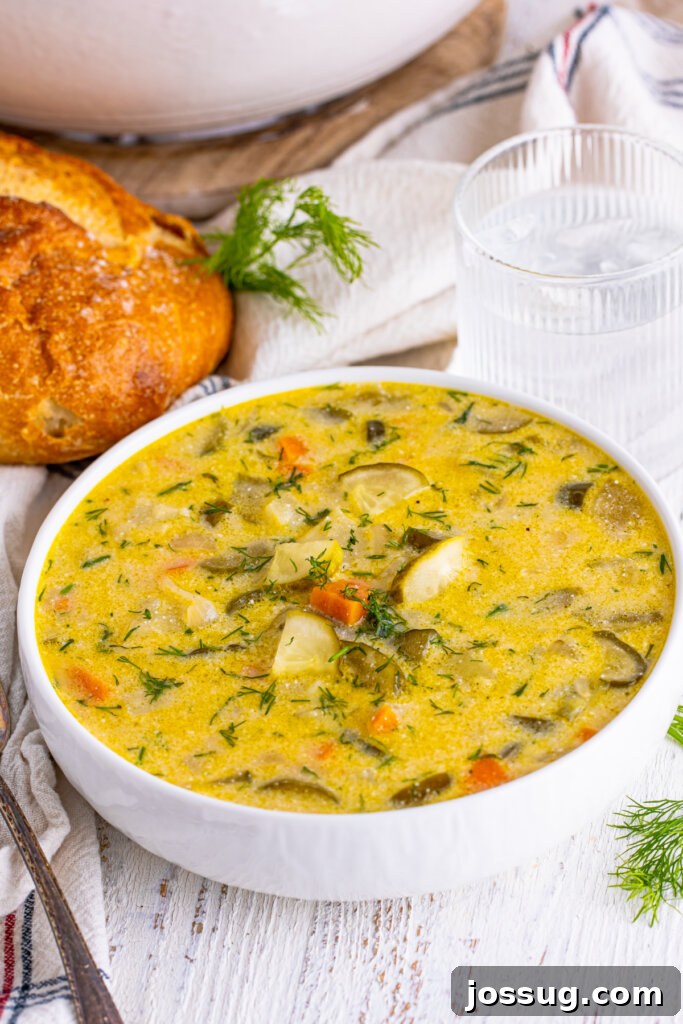
Prepare to tantalize your taste buds with a culinary creation that beautifully marries comfort with an unexpected burst of flavor: Dill Pickle Soup. This isn’t just another soup recipe; it’s a unique experience that combines the hearty satisfaction of a classic potato soup with the bright, tangy zest of dill pickles. If you’re a pickle enthusiast or simply adventurous in the kitchen, this creamy, savory, and wonderfully tangy soup is destined to become a new favorite in your recipe collection.
At its heart, Dill Pickle Soup offers a cozy warmth that’s perfect for chilly evenings, yet its distinctive tang makes it refreshing enough to enjoy year-round. It’s a fantastic conversation starter, a comforting meal, and an intriguing appetizer all rolled into one. Forget your preconceived notions about pickles only belonging in jars or alongside sandwiches – in this soup, they take center stage, transforming into a surprisingly harmonious and deeply flavorful ingredient.
What Exactly is Dill Pickle Soup? A Zesty Twist on Tradition
Originating from Eastern European culinary traditions, particularly popular in Poland where it’s known as “Zupa Ogórkowa,” dill pickle soup is a testament to resourceful and flavorful cooking. Historically, brined cucumbers (pickles) were a staple, especially during colder months, and finding creative ways to incorporate them into meals was common. This soup evolved from these traditions, utilizing the pickles not just as a garnish but as a foundational flavor component that provides a delightful sourness and depth to a creamy, potato-based broth.
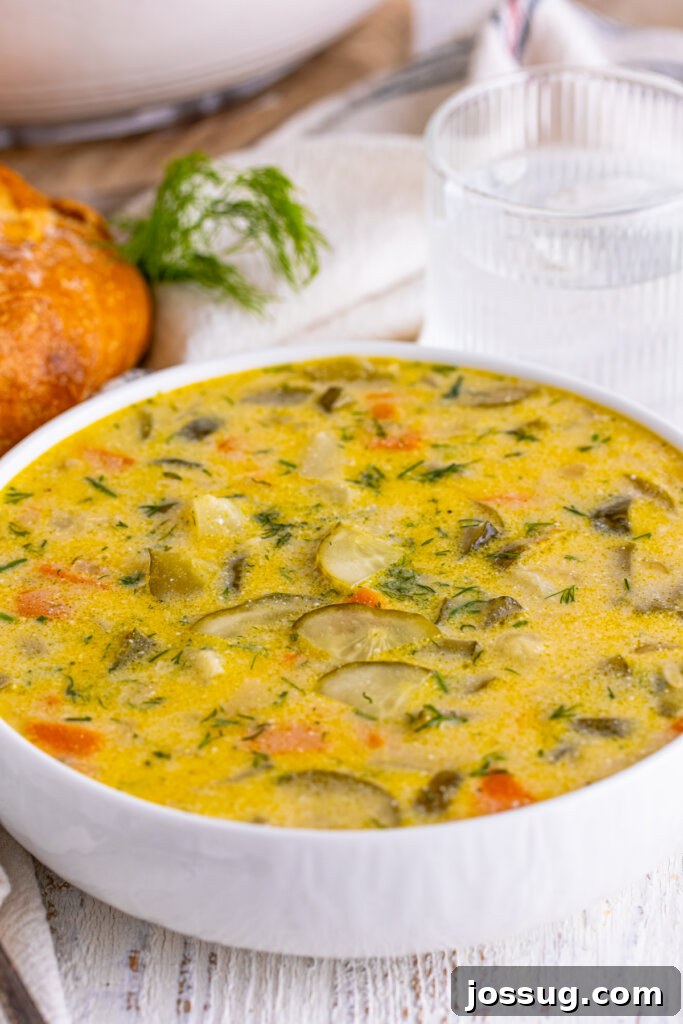
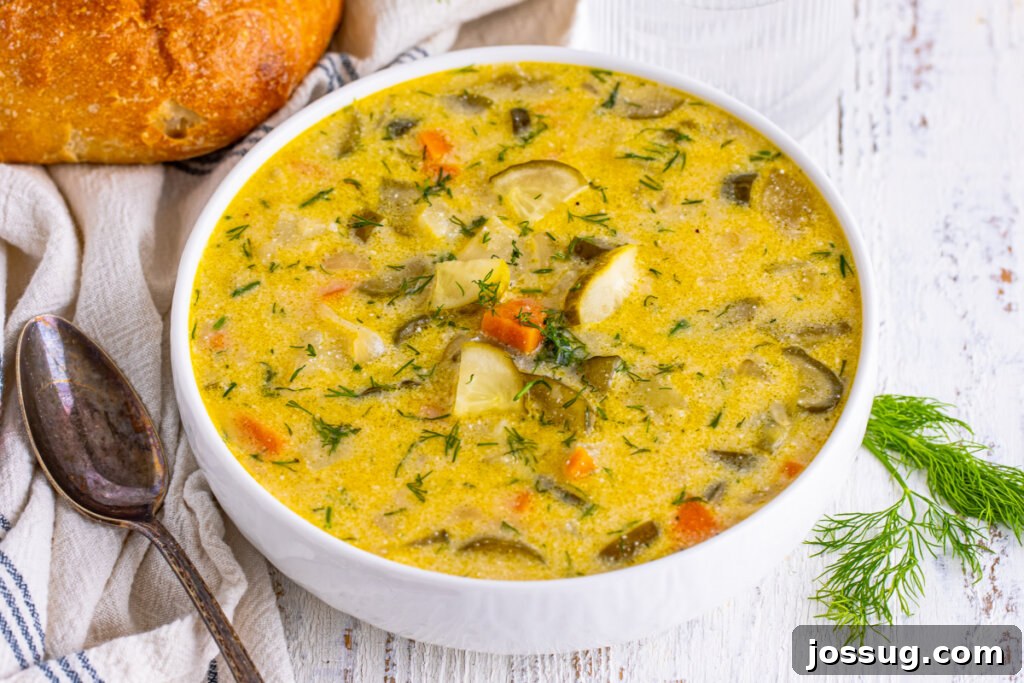
Our recipe takes inspiration from this rich heritage, crafting a soup that is both authentic in spirit and approachable for the modern home cook. Imagine a velvety broth, generously studded with tender chunks of potato and finely chopped dill pickles, all infused with aromatic vegetables and a delicate blend of spices. The tangy pickle juice is ingeniously incorporated, adding an irreplaceable zest that cuts through the creaminess, creating a perfectly balanced profile that is anything but overpowering. Each spoonful delivers a warm, comforting embrace followed by that distinctive, refreshing pickle kick that keeps you coming back for more.
The Magic Behind the Flavor: Key Ingredients & Smart Substitutions
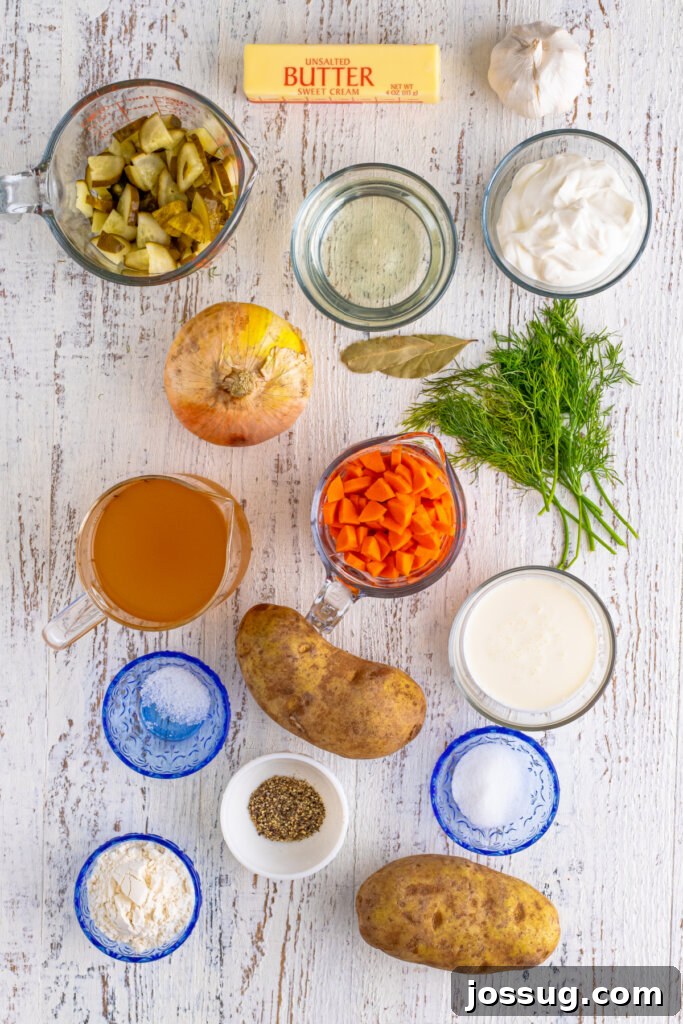
Crafting the perfect Dill Pickle Soup involves a thoughtful selection of ingredients, each playing a crucial role in achieving its signature taste and texture. The beauty of this recipe lies not only in its unique flavor but also in its adaptability, allowing for various substitutions to suit your dietary needs or pantry availability.
Essential Ingredients for Your Dill Pickle Soup:
- Butter: Forms the rich base for sautéing our aromatics. Unsalted butter is preferred, giving you complete control over the soup’s sodium content.
- Aromatics (Onion, Carrot, Garlic): These humble vegetables are the backbone of any great soup, providing a sweet, savory foundation. Small-diced sweet onion and peeled carrots, alongside freshly minced garlic, create a depth of flavor that complements the tang of the pickles.
- All-Purpose Flour: Acts as a thickening agent, creating a creamy roux when combined with butter, which gives the soup its comforting, rich consistency.
- Chicken Stock: The primary liquid base. Using unsalted chicken stock is highly recommended as it allows you to adjust the seasoning precisely. For a vegetarian version, a high-quality vegetable stock is an excellent substitute, maintaining the savory depth.
- Potatoes: Russet potatoes are ideal for their starchiness, which helps to further thicken the soup as they cook and break down slightly. They add a comforting heartiness and absorb the delicious flavors of the broth. Other starchy potatoes like Yukon Gold can also work well.
- Dill Pickles: The star of the show! Use your favorite brand and style of dill pickles – whether they are crunchy, sour, or slightly sweet, their flavor will infuse the entire soup. Chopped pickles provide both texture and intense flavor.
- Seasonings (Bay Leaves, Ground Black Pepper, Kosher Salt): These pantry staples enhance the overall flavor profile. Bay leaves add a subtle, herbaceous note, while salt and pepper are essential for seasoning to taste.
- Creamy & Tangy Enhancers (Pickle Juice, Sour Cream, Heavy Cream, Granulated Sugar): This quartet is where the magic happens!
- Pickle Juice: Don’t discard it! This liquid gold is crucial for amplifying the pickle flavor and delivering that signature tang.
- Sour Cream: Contributes a luxurious creaminess and an additional layer of mild tanginess, essential for the soup’s velvety texture.
- Heavy Cream: Adds richness and body, balancing the tartness of the pickles and sour cream.
- Granulated Sugar: A small amount of sugar is a secret weapon; it doesn’t make the soup sweet but rather balances and rounds out the intense savory and tangy notes, enhancing all the flavors.
- Fresh Chopped Dill: Absolutely indispensable! Fresh dill adds a bright, herbaceous, and aromatic finishing touch, tying all the flavors together beautifully. It’s also perfect as a garnish.
Thoughtful Substitutions and Flavorful Variations:
- Vegetarian Adaptation: Easily convert this recipe by swapping chicken stock for a robust vegetable stock. Ensure your vegetable stock has good depth to maintain the soup’s rich flavor. For added protein, consider stirring in cooked white beans or chickpeas.
- Potato Choices: While russets are preferred, Yukon Gold potatoes offer a creamier texture, and even red potatoes can be used for a slightly firmer bite. Avoid waxy potatoes if you desire a creamier consistency.
- Pickle Power: Experiment with different types of dill pickles. Kosher dill pickles are a classic choice, but bread and butter pickles (with less sugar) could offer a unique sweet-tangy dynamic. Ensure they are good quality, as their flavor will define the soup.
- Herb Experimentation: While fresh dill is paramount, other herbs can add interesting dimensions. A touch of fresh thyme, rosemary, parsley, or tarragon can be introduced alongside or in addition to dill for a more complex aroma.
- Additional Vegetables: Enhance the nutritional value and texture by adding other vegetables. Sliced celery can be sautéed with onions and carrots. Diced bell peppers or zucchini can be added with the potatoes. For a boost of greens, stir in baby spinach or chopped kale during the last few minutes of cooking until wilted.
- Protein Boost: For a heartier meal, consider adding cooked, shredded chicken (if not making it vegetarian), crumbled cooked bacon, or even sliced kielbasa towards the end of the cooking process.
- Extra Heartiness: Transform this soup into a more substantial meal by stirring in cooked egg noodles, macaroni, or even rice during the final stages of cooking. This is a fantastic way to stretch the soup and add another layer of comfort.
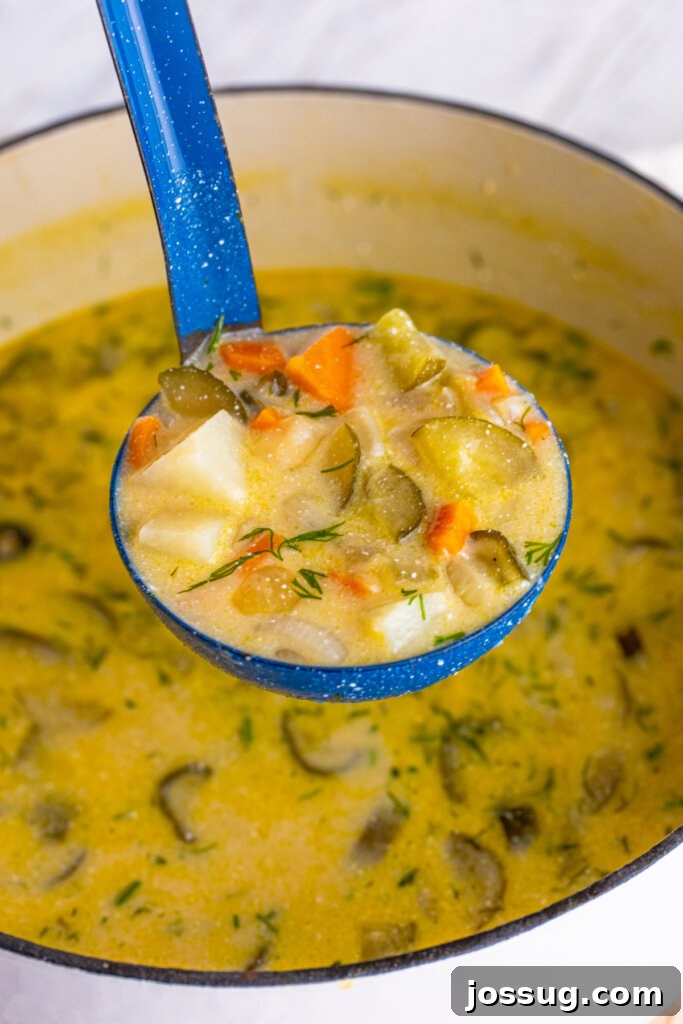
Mastering the Craft: How to Make Dill Pickle Soup
Creating this flavorful Dill Pickle Soup is a straightforward process, even for novice cooks. Follow these simple steps to bring this unique and comforting dish to life in your kitchen.
- Prepare the Aromatic Base: In a large Dutch oven or stockpot, melt the butter over medium heat. Add the diced onions and carrots, cooking them gently until they soften, which usually takes about 10 minutes. Stir occasionally to ensure even cooking. Once softened, add the minced garlic and cook for another 30 seconds until it becomes fragrant. Be careful not to burn the garlic, as this can make it bitter.
- Create the Roux: Sprinkle the all-purpose flour over the cooked aromatics. Stir everything together thoroughly, ensuring the flour is well incorporated with the butter and vegetables. Continue to cook for 1 minute; this helps to cook out the raw flour taste.
- Incorporate the Broth: Gradually stream in the unsalted chicken stock (or vegetable stock) into the pot while continuously stirring. Constant stirring is key here to prevent lumps from forming, ensuring a smooth, creamy base for your soup.
- Add the Core Ingredients: Once the broth is smooth, add the diced potatoes, chopped dill pickles, bay leaves, ground black pepper, and kosher salt. Stir well to combine all the ingredients.
- Simmer to Perfection: Bring the soup to a boil, then immediately reduce the heat to a simmer and cover the pot. Allow the soup to simmer for 20-25 minutes, or until the potatoes are fork-tender. Stir occasionally during this time to prevent any ingredients from sticking to the bottom of the pot.
- Enrich with Creaminess and Tang: Once the potatoes are tender, remove the bay leaves. Stir in the pickle juice, sour cream, heavy cream, and granulated sugar. Mix until all these ingredients are fully incorporated into the soup. Continue to cook for another 5 minutes, allowing the flavors to meld and the soup to thicken slightly.
- Finish with Fresh Dill: Just before serving, stir in the fresh chopped dill. The fresh dill brightens the soup and adds a burst of flavor and aroma.
- Serve and Garnish: Ladle the hot dill pickle soup into bowls. For an extra touch, garnish each serving with additional fresh dill, a dollop of sour cream, or even a few extra pickle slices. Serve immediately with a side of crusty bread for dipping.
Dill Pickle Soup: Your Questions Answered
Dill Pickle Soup offers a remarkably unique and balanced flavor profile. It’s a delightful fusion of creamy, tangy, and savory notes. While the name highlights pickles, the flavor is not overwhelmingly sour. Instead, the pickles contribute a refreshing, zesty tang that harmonizes beautifully with the rich, potato-based broth and subtle sweetness from the carrots and sugar. It’s truly a comforting meal with an exciting, bright twist.
The base recipe calls for chicken stock, but it’s incredibly easy to make this soup vegetarian. Simply substitute the chicken stock with an equal amount of good quality vegetable stock. All other ingredients are plant-based, making it a simple switch for a delicious vegetarian dish.
This soup is wonderfully versatile when it comes to adding extra vegetables. Beyond the onions and carrots, consider incorporating finely diced celery for added depth, bell peppers for a touch of sweetness, or summer squash and zucchini for a lighter texture. For a nutritional boost, wilt in some baby spinach or chopped kale during the last few minutes of cooking.
Absolutely! While fresh dill is a classic and highly recommended component for its distinctive flavor, feel free to experiment with other fresh herbs. Thyme, rosemary, parsley, or tarragon can each add a different aromatic dimension to the soup, allowing you to tailor it to your personal preference.
Yes, for a more substantial and filling meal, you can certainly add cooked pasta or grains. Cooked egg noodles or small macaroni are excellent choices. Add them to the soup during the last few minutes of cooking to heat through, or cook them separately and add them to individual bowls just before serving to prevent them from becoming too soft and absorbing too much liquid.
Leftover Dill Pickle Soup can be stored in an airtight container in the refrigerator for up to 3 days. It reheats beautifully. This soup also freezes exceptionally well, making it perfect for meal prep. Store it in freezer-safe containers for up to 3 months. Thaw overnight in the refrigerator before reheating.
To reheat, gently warm the soup on the stovetop over low to medium heat, stirring occasionally, until it is thoroughly heated. Alternatively, you can reheat individual portions in the microwave. If the soup has thickened significantly, you may want to add a splash of broth or water to reach your desired consistency.
Absolutely! Dill Pickle Soup makes for a wonderfully unique and intriguing dish that’s sure to impress your guests. Its distinctive flavor profile offers a departure from typical soup offerings, making it a memorable appetizer or a standout main course. Serve it with a fresh loaf of crusty bread or warm rolls to truly delight your guests.
While the flavor is unique, many children who enjoy pickles actually love this soup! The creamy texture and tender potatoes make it approachable, and the tanginess is often a hit. It’s a fantastic and fun way to introduce new and exciting flavors to younger palates in a familiar, comforting format.
Beyond the Bowl: Other Pickle-Inspired Delights You Might Enjoy
If you’ve fallen in love with the unexpected deliciousness of dill pickles in soup, you’ll be thrilled to discover how versatile this tangy ingredient can be in other dishes. Here are a few more pickle-centric recipes that promise to deliver that delightful zest:
- Dill Pickle Pasta Salad: A refreshing side dish packed with creamy texture and bright pickle flavor.
- Dill Pickle Wrap Dip: All the flavors of a classic dill pickle wrap in a convenient and shareable dip form.
- Refrigerator Pickles: Learn to make your own quick and easy crunchy dill pickles at home.
- Fried Pickles: A crispy, savory, and irresistible snack or appetizer.
- Dill Butter Carrots: A simple yet elegant side dish that highlights the fresh flavor of dill.
8
servings
Dill Pickle Soup
Jamie Sherman
10
mins
45
mins
55
mins
Pin
Rate
Equipment
-
Vegetable Chopper
-
Knife
-
Cutting Board
-
Ladle
-
Calphalon 5-Piece Nylon Kitchen Cooking Utensil Set
-
Rubber Spatula or Wooden Spoon
-
6-Qt. Enameled Cast Iron Dutch Oven
Ingredients
- 4 tablespoons unsalted butter
- 1 small sweet onion, small diced
- 1 cup small-diced carrot, peeled
- 3 cloves garlic, minced
- 4 tablespoons all-purpose flour
- 6 cups unsalted chicken stock (or vegetable stock for vegetarian)
- 3 cups 1/2-inch diced russet potatoes, peeled
- 1 ½ cups chopped dill pickles
- 2 dried bay leaves
- 1 teaspoon black pepper
- ½ teaspoon kosher salt
- ½ cup pickle juice
- ½ cup sour cream
- ¼ cup heavy cream
- 2 teaspoons granulated sugar
- 2 tablespoons fresh chopped dill, plus more for garnish
Instructions
- In a Dutch oven or large stockpot over medium heat, melt the butter. Add the onions and carrots and cook until softened, occasionally stirring for 10 minutes. Then, add the garlic and cook until fragrant, about 30 seconds.
- Add the flour and stir everything together well. Cook for 1 minute, stirring constantly to cook out the raw flour taste.
- Slowly stream in the chicken stock (or vegetable stock) while constantly stirring to avoid lumps and ensure a smooth consistency.
- Add the potatoes, chopped pickles, bay leaves, pepper, and salt, and stir to combine all ingredients.
- Bring the soup to a boil, then cover the pot and reduce the heat to a simmer. Cook for 20-25 minutes, or until the potatoes are fork-tender. Stir occasionally to prevent sticking.
- Remove the bay leaves. Add the pickle juice, sour cream, heavy cream, and sugar. Stir gently to incorporate these ingredients fully. Continue to cook for 5 more minutes, allowing the flavors to meld.
- Just before serving, stir in the fresh chopped dill.
- Serve hot, with additional fresh dill for garnish if desired, and a side of crusty bread.
Notes
- This is an extremely flavorful and comforting soup. The pickle flavor is present but not at all overwhelming, providing a delightful tang.
- To make this soup vegetarian, simply substitute chicken stock with vegetable stock.
- Consider adding other vegetables like celery, bell pepper, zucchini, or summer squash. For added greens, wilt in baby spinach or chopped kale at the end of cooking.
- Served with crusty bread, this soup makes for an ideal lunch or dinner. It might sound unusual, but one taste will convert you!
- Other fresh herbs such as thyme, rosemary, parsley, or tarragon can be used to experiment with flavor profiles.
- For a heartier meal, stir in cooked egg noodles or macaroni during the final cooking stage.
- Leftovers keep well in the refrigerator for up to 3 days and can be frozen for up to 3 months. Reheat gently on the stovetop or in the microwave.
Nutrition
Calories:
260
kcal
Carbohydrates:
28
g
Protein:
7
g
Fat:
14
g
Saturated Fat:
7
g
Polyunsaturated Fat:
1
g
Monounsaturated Fat:
4
g
Trans Fat:
0.2
g
Cholesterol:
37
mg
Sodium:
866
mg
Potassium:
594
mg
Fiber:
2
g
Sugar:
8
g
Vitamin A:
3113
IU
Vitamin C:
8
mg
Calcium:
66
mg
Iron:
1
mg
Nutrition information is automatically calculated, so should only be used as an approximation.
Like this? Leave a comment below!