
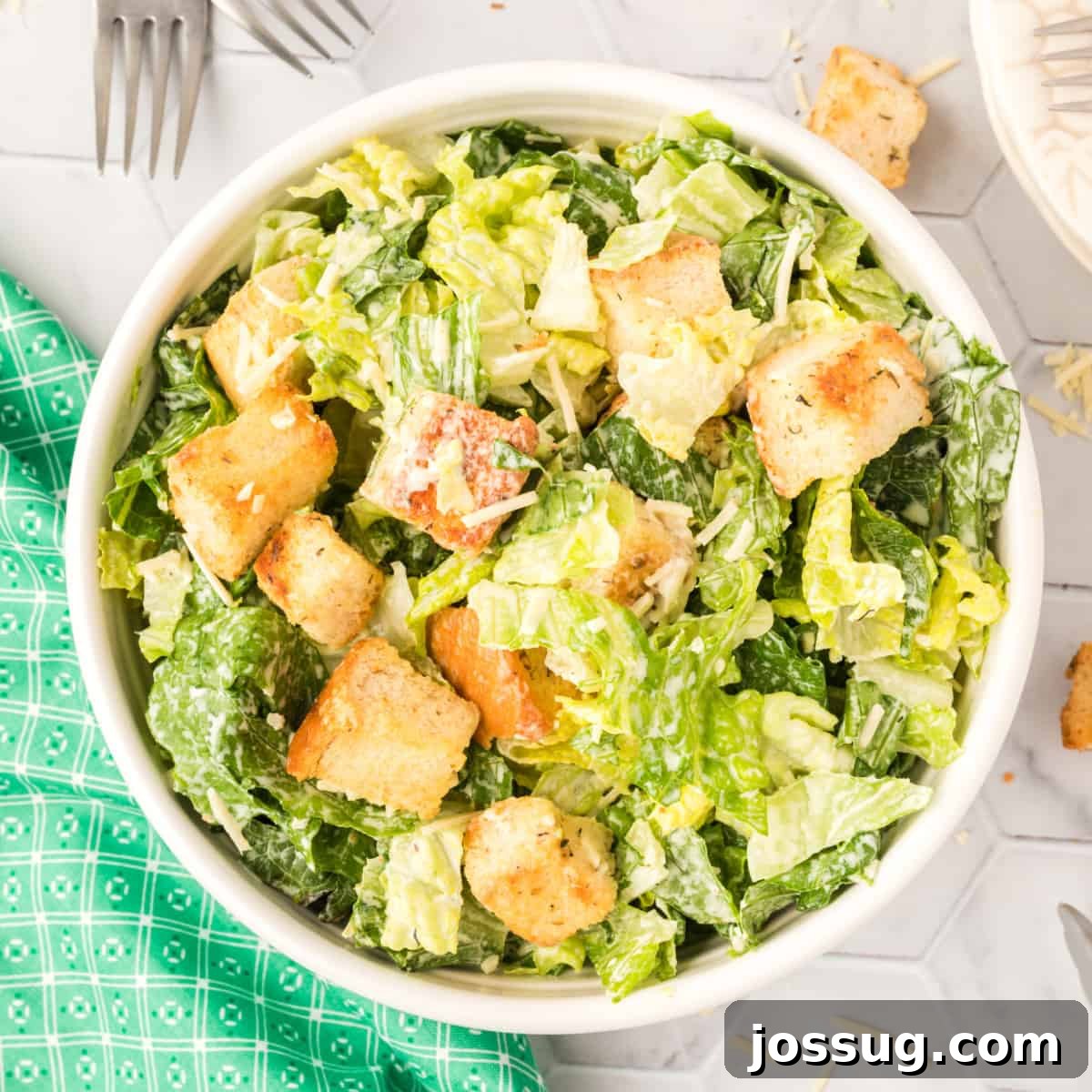
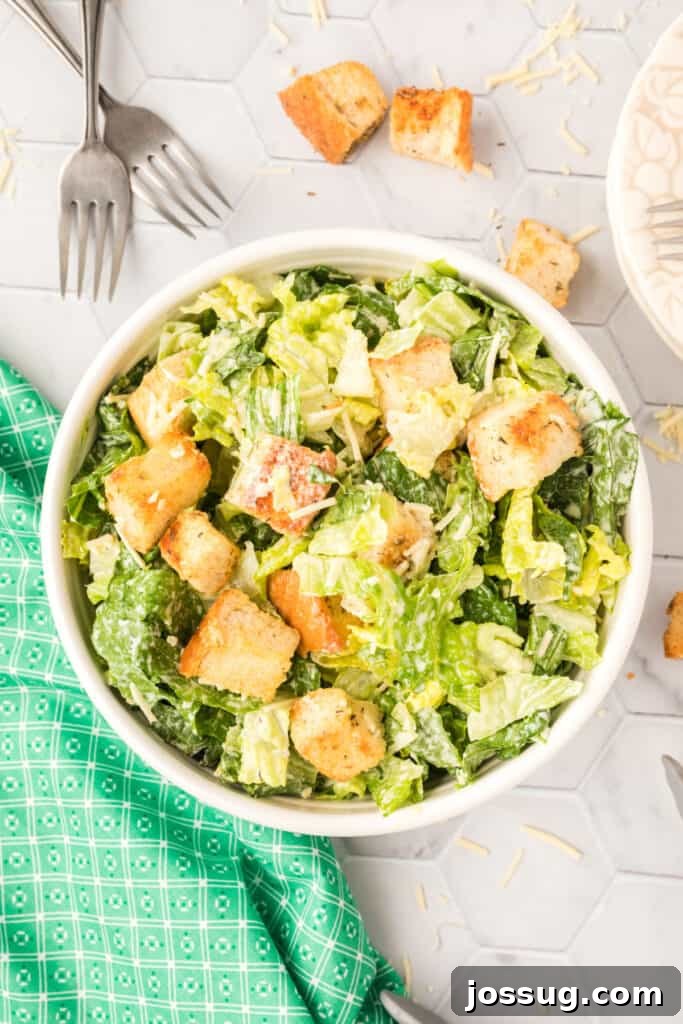
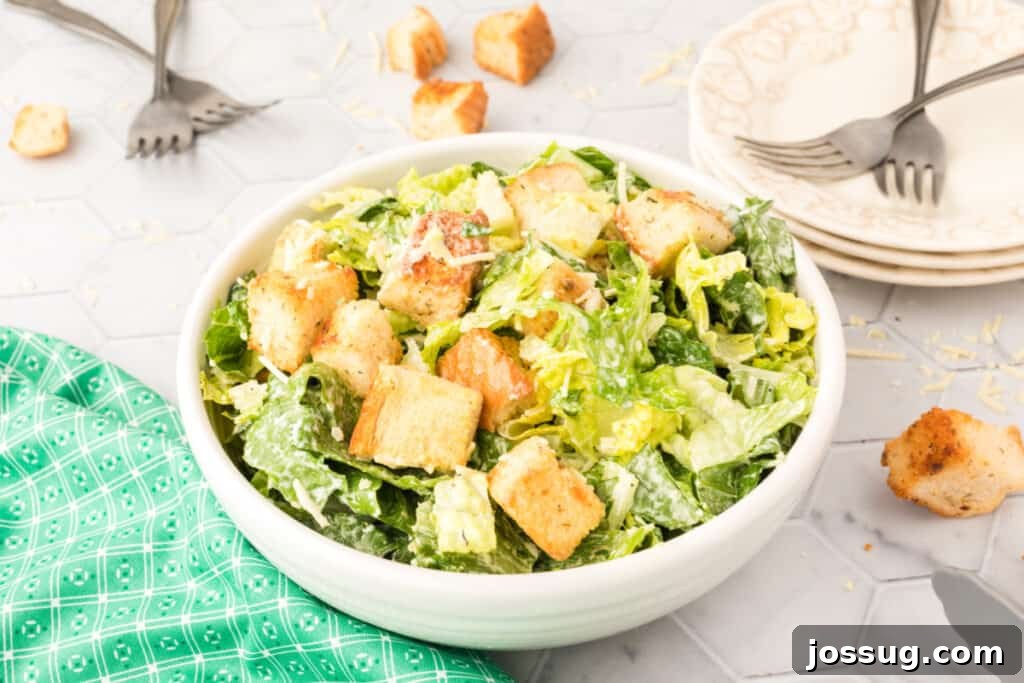
There are few dishes that capture the essence of culinary simplicity and sophisticated flavor quite like the Classic Caesar Salad. This iconic creation, celebrated worldwide, brings together the crisp freshness of romaine lettuce, the savory depth of Parmesan cheese, and the delightful crunch of croutons, all unified by a rich, tangy Caesar dressing. Far from being just a side dish, a well-prepared Caesar Salad is a versatile masterpiece, perfect for a light, refreshing lunch, an elegant starter, or transformed into a hearty main course with the addition of your favorite grilled protein. It’s a timeless recipe that promises to be a crowd-pleaser, proving that sometimes, the most exquisite flavors come from the simplest combinations.
The Enduring Appeal of Caesar Salad: A Culinary Classic
The Caesar Salad isn’t just a dish; it’s a culinary institution, revered for its crisp texture, robust flavors, and remarkable versatility. Its ability to effortlessly transition from a light appetizer to a satisfying main course, especially when enhanced with protein, has cemented its place in kitchens and restaurants globally. But what truly makes a Caesar Salad special isn’t its complexity, but rather the quality of its components and the harmonious balance they strike. While many pre-packaged options exist, crafting a homemade Caesar Salad unlocks a level of freshness and flavor that truly elevates the experience. This guide will delve into everything you need to know to create a Caesar Salad that will impress even the most discerning palates.
The Intriguing Origins of the Classic Caesar Salad
Before we dive into the creation, let’s appreciate the humble beginnings of this legendary salad. Contrary to popular belief, the Caesar Salad does not hail from Italy or ancient Rome. Its true birthplace is Tijuana, Mexico, where it was invented by Italian-American restaurateur Caesar Cardini in the 1920s. Legend has it that on a busy Fourth of July weekend, with a dwindling pantry, Cardini improvised a salad using what he had on hand: romaine lettuce, olive oil, raw egg, croutons, Parmesan cheese, Worcestershire sauce, and lemon juice. He tossed it dramatically tableside, captivating his guests. The salad quickly gained fame, particularly among Hollywood elites who frequented Tijuana, and its recipe spread, evolving slightly over time but retaining its core elements. This fascinating history adds another layer to the timeless charm of this beloved dish.
The Essential Components of a Superior Caesar Salad
The magic of a great Caesar Salad lies in its seemingly simple ingredients, each playing a crucial role in creating the perfect symphony of taste and texture. Understanding these core elements is the first step toward crafting an unforgettable homemade version:
Romaine Lettuce: The Crisp Foundation
Fresh romaine lettuce is non-negotiable for a true Caesar Salad. Its distinctive crunchy texture and slightly bitter notes provide the ideal canvas for the rich dressing and savory toppings. For the best results, always choose heads of romaine that are vibrant green and firm. Proper preparation is key: wash the leaves thoroughly under cold water, then dry them completely. A salad spinner is invaluable here, ensuring no excess moisture dilutes your dressing. Chop the lettuce into bite-sized pieces just before assembly to maintain maximum crispness.
Parmesan Cheese: The Salty Umami Kick
The sharp, salty, and nutty flavor of Parmesan cheese is a defining characteristic of Caesar Salad. For an unparalleled taste experience, opt for a high-quality Parmesan, preferably Parmigiano-Reggiano, and grate or shave it freshly. Pre-grated cheeses often contain anti-caking agents that can affect both flavor and texture. Freshly grated Parmesan melts slightly into the dressing upon contact, enhancing its creaminess and infusing every bite with its irresistible aroma.
Crunchy Croutons: The Textural Contrast
Croutons aren’t just an afterthought; they’re an essential textural element that provides a satisfying crunch against the tender lettuce. While store-bought croutons are convenient, homemade garlic Parmesan croutons take your salad to another level. They’re surprisingly easy to make: simply cube stale bread, toss it with olive oil, minced garlic, a sprinkle of Parmesan, and bake until golden and crisp. The porous nature of croutons allows them to soak up just enough dressing without becoming soggy, offering a delightful burst of flavor in every bite.
The Legendary Caesar Dressing: The Heart of the Salad
The dressing is arguably the most critical component, uniting all the flavors and textures into a cohesive dish. A truly great Caesar dressing is creamy, tangy, savory, and boasts a hint of pungency. Traditionally, it includes egg yolk (which emulsifies the dressing and gives it richness), olive oil, fresh lemon juice, Worcestershire sauce, Dijon mustard, minced garlic, and, crucially, anchovies. Many people shy away from anchovies, but they are what provide that signature umami depth, dissolving completely into the dressing without leaving a fishy taste. For those concerned about raw eggs, a good quality mayonnaise can be used as a base, offering similar creaminess and binding properties. Making your dressing from scratch ensures freshness and allows you to tailor the flavor profile to your preference, achieving a balance that commercial dressings often miss.
Caesar Salad: Ingredients & Smart Substitutions
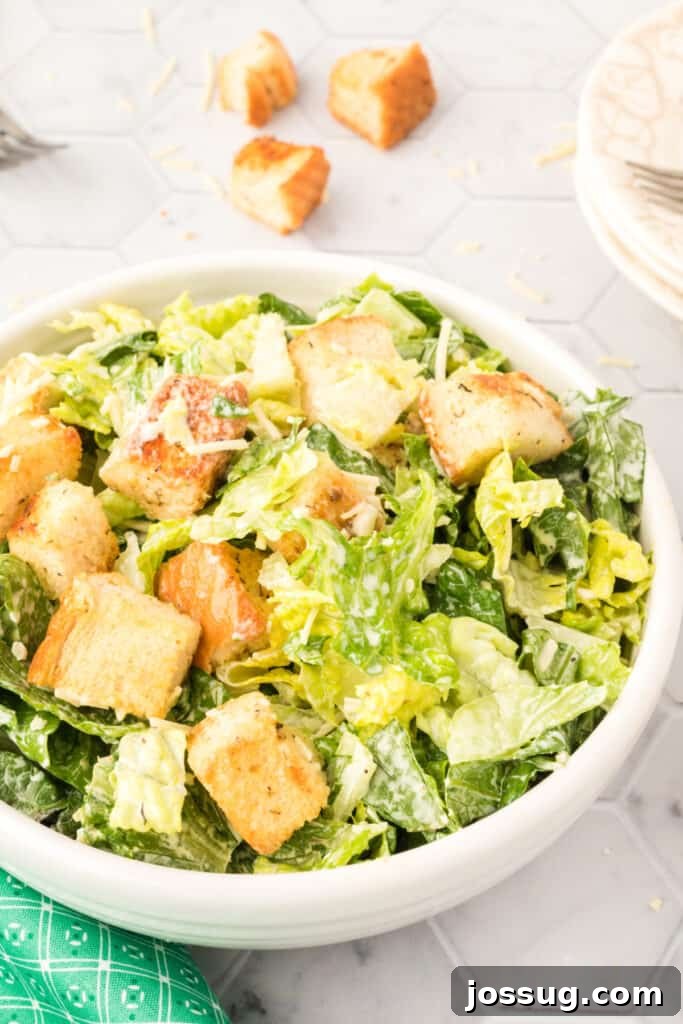
While the classic recipe is perfect as is, understanding ingredient flexibility allows you to customize your Caesar Salad to suit dietary needs or simply explore new flavors. Here’s what you’ll need, along with clever substitutions:
Core Ingredients
- Romaine Lettuce: The quintessential choice for its crisp texture.
- Substitution Ideas: If romaine isn’t available or you’re looking for a change, try other sturdy greens. Iceberg lettuce offers a similar crunch, while baby spinach or tender butter lettuce provides a softer texture. For a more robust option, kale can be used, but remember to massage it lightly with a bit of olive oil to soften its leaves before adding to the salad. Mixed greens or a spring mix can also work in a pinch for a milder flavor profile.
- Parmesan Cheese: Essential for its sharp, salty, umami flavor.
- Substitution Ideas: For a similar hard, salty cheese, Grana Padano or Pecorino Romano are excellent alternatives. Pecorino Romano, made from sheep’s milk, has a tangier, saltier bite. For a dairy-free or vegan option, nutritional yeast can provide a cheesy, umami flavor. Vegan Parmesan alternatives, often made from nuts, are also widely available and work well.
- Garlic Parmesan Croutons: Adds crucial crunch and flavor.
- Substitution Ideas: Any plain croutons will do if you don’t have homemade ones or prefer a simpler option. For gluten-free needs, seek out gluten-free croutons or create your own by toasting gluten-free bread. Other crunchy alternatives include roasted chickpeas, toasted nuts (like walnuts or pecans), or even crisp-fried shallots for a gourmet twist.
- Caesar Salad Dressing: The creamy, tangy binder for the salad.
- Substitution Ideas: If you don’t have Caesar dressing or prefer not to make a traditional one, a simple homemade vinaigrette can be a good stand-in. Combine olive oil, fresh lemon juice, minced garlic, a touch of Dijon mustard, salt, and pepper. For a dairy-free or vegan dressing, use a base of dairy-free mayonnaise or a thick vegan yogurt, blending it with lemon juice, garlic, Dijon, and capers (which can offer a briny note similar to anchovies, without the fish).
NOTE: The beauty of Caesar Salad lies in its adaptability. Don’t hesitate to personalize it! Many enjoy adding protein to make it a more substantial meal. Consider tossing in grilled chicken breast, tender slices of steak, succulent shrimp, or flaky grilled salmon. These additions not only boost the nutritional value but also transform the salad into a truly filling and satisfying dinner.
Elevating Your Caesar Salad: Creative Serving Suggestions
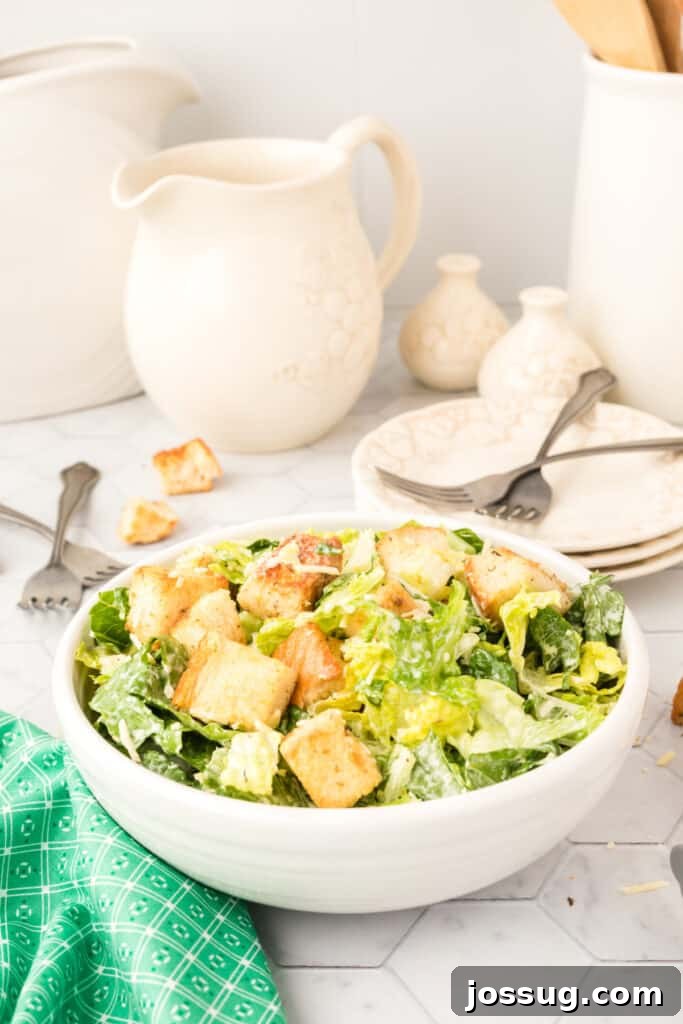
While a classic Caesar Salad is perfect on its own, there are countless ways to enhance it, whether you’re looking to make it a heartier meal, a more complex side, or simply add new dimensions of flavor and texture:
- Protein Power-Up: As mentioned, grilled chicken, shrimp, or salmon are fantastic choices. For a more unconventional twist, consider sliced grilled steak, pan-seared scallops, or even crispy bacon bits. These proteins add substance, making your Caesar Salad a complete and satisfying meal.
- Creamy Avocado Slices: The addition of ripe avocado slices introduces a luxurious creaminess that beautifully contrasts with the crisp lettuce and crunchy croutons. Avocado also contributes healthy fats and a vibrant color, making the salad more visually appealing and nutritionally dense.
- Anchovy Enthusiast’s Delight: For those who truly appreciate the traditional depth of Caesar dressing, consider adding whole or chopped anchovy fillets directly into the salad. They offer an intense, salty umami punch that purists adore and further connect your homemade salad to its original roots.
- The Perfect Sidekick: Caesar Salad is an impeccable companion to a wide array of main courses. It pairs exceptionally well with rich Italian dishes such as baked lasagna, creamy spaghetti carbonara, chicken Parmesan, or a hearty pasta primavera. Its fresh, tangy profile cuts through the richness of these meals, providing a refreshing balance.
- Innovative Wraps and Sandwiches: Think beyond the bowl! Use your Caesar Salad as a vibrant, flavorful filling for wraps or sandwiches. Combine it with thinly sliced grilled chicken or turkey for a delicious, portable, and convenient lunch option that’s far from boring.
- Comforting Soup Duo: A bowl of warm soup and a crisp Caesar Salad form a classic, comforting, and balanced meal. It pairs wonderfully with creamy tomato basil soup, a rustic minestrone, a light vegetable broth, or even a robust French onion soup. The contrast in temperatures and textures is incredibly satisfying.
- Gourmet Parmesan Crisps: For an elegant touch, transform grated Parmesan cheese into delicate crisps. Simply bake small mounds of Parmesan on a parchment-lined baking sheet until golden and crispy. These add an intense cheesy flavor and a sophisticated crunch, elevating your salad to restaurant quality.
- Fresh Herb Garnishes & Extra Kick: Finish your salad with a sprinkle of fresh herbs like chopped parsley, chives, or dill for added aroma and visual appeal. For those who enjoy a little heat, a dash of red pepper flakes can provide a subtle, delightful kick. Cherry tomatoes, sliced cucumbers, or olives can also be added for extra color and texture variations.
- Roasted Vegetable Medley: Lightly roasted vegetables like bell peppers, zucchini, or asparagus can introduce a smoky flavor and tender texture, making the salad more substantial and flavorful, especially if you’re looking for a vegetarian main.
- Hard-Boiled Eggs: Sliced hard-boiled eggs offer a simple yet effective way to add more protein and a creamy texture to your salad, making it more filling for a lunch option.
Remember, the foundation of an outstanding Caesar Salad is always the freshness of its ingredients. These suggestions are designed to inspire you, allowing you to adapt this beloved recipe to any occasion, dietary preference, or culinary whim. Enjoy the journey of making this versatile dish truly your own!
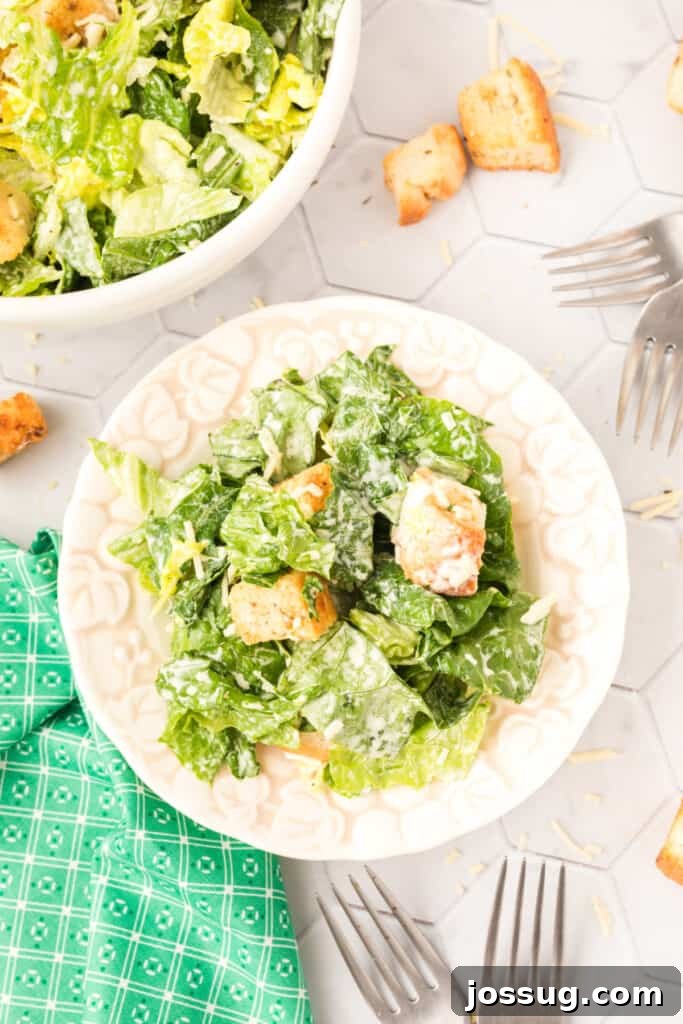
Homemade Caesar Salad: FAQs
A classic Caesar Salad typically consists of crisp romaine lettuce, crunchy croutons, freshly grated Parmesan cheese, and a distinctive dressing. This dressing is traditionally made from lemon juice, olive oil, a raw egg yolk (or mayonnaise), Worcestershire sauce, anchovies, minced garlic, Dijon mustard, and black pepper. The combination creates a rich, tangy, and savory flavor profile.
For optimal crispness and flavor, it’s always best to assemble and dress the Caesar Salad just before serving. However, you can prepare certain components in advance. The dressing can be made up to 2-3 days ahead and stored in an airtight container in the refrigerator. Your lettuce can be washed, dried, and stored in the fridge for a day or two. Croutons can be prepared a few days in advance and kept in an airtight container at room temperature. Simply combine everything right before serving for the freshest experience.
Caesar Salad can certainly be a healthy option, especially when made with fresh, quality ingredients and if the dressing is used in moderation. The romaine lettuce provides essential vitamins and fiber, while Parmesan cheese adds calcium and protein. When you add lean proteins like grilled chicken or fish, it becomes a well-balanced and nutritious meal. Being mindful of the amount of dressing and croutons can help keep the calorie count in check.
Leftover Caesar Salad can be stored in an airtight container in the refrigerator, but it’s important to note that the lettuce will likely wilt, and the croutons may become soggy once dressed. It is best consumed within a day. To maximize freshness, if you anticipate leftovers, store the dressing, lettuce, and croutons separately and combine them only as needed.
The versatility of Caesar Salad allows for numerous delicious variations! You can easily change up your recipe by incorporating different ingredients or proteins. Common additions include grilled chicken, shrimp, salmon, or steak for a heartier meal. For added flavor and texture, consider topping your salad with crispy bacon bits, capers, or fresh lemon wedges. Some people swap traditional romaine for kale (massaged to tenderize), or add cherry tomatoes, cucumbers, or avocado. For an alternative crunch, replace croutons with toasted nuts (like pine nuts or walnuts) or roasted chickpeas.
Yes, absolutely! While anchovies are a traditional component, many people prefer to omit them. You can still achieve a wonderfully savory and flavorful dressing by enhancing other umami ingredients. Try adding a dash more Worcestershire sauce, a spoonful of capers (finely minced), or a tiny bit of miso paste. These ingredients provide that depth of flavor without the fish. Extra Parmesan cheese also boosts the savory notes effectively.
Other Recipes You May Enjoy
- Big Mac Salad
- Old Fashioned Banana Lettuce Salad
- Thanksgiving Salad
- 7 Layer Salad
- Jacked-Up Monterey Chicken Salad
2
as a main dish or 4 as a side dish
Caesar Salad
Jamie Sherman
10 minutes
10 minutes
Pin
Rate
Equipment
-
zester or microplane
-
knife
-
cutting board
-
Salad Dressing Shaker
-
Salad Bowl Set
Ingredients
-
1 large head romaine lettuce, washed, dried, and chopped into bite-size pieces -
⅓ cup Parmesan cheese, freshly shredded or shaved -
Garlic Parmesan croutons -
Caesar Salad dressing
Instructions
-
Place the lettuce in a large serving bowl.
-
Evenly top with Parmesan cheese and croutons.
-
Drizzle the salad dressing over the top.
-
Gently toss until the salad is evenly coated with the dressing.
-
Serve immediately.
Notes
- Try adding some grilled chicken, beef, or shrimp for a satisfying main dish meal.
- You can also plate this salad on individual salad plates if you prefer.
- Leftover Caesar Salad can be stored in the refrigerator, but it’s best eaten within a day as the lettuce will start to wilt, and the croutons may become soggy.
Nutrition
Carbohydrates: 11g,
Protein: 10g,
Fat: 5g,
Saturated Fat: 3g,
Polyunsaturated Fat: 1g,
Monounsaturated Fat: 1g,
Cholesterol: 11mg,
Sodium: 292mg,
Potassium: 788mg,
Fiber: 7g,
Sugar: 4g,
Vitamin A: 27392IU,
Vitamin C: 13mg,
Calcium: 301mg,
Iron: 3mg
Nutrition information is automatically calculated, so should only be used as an approximation.
Like this? Leave a comment below!