
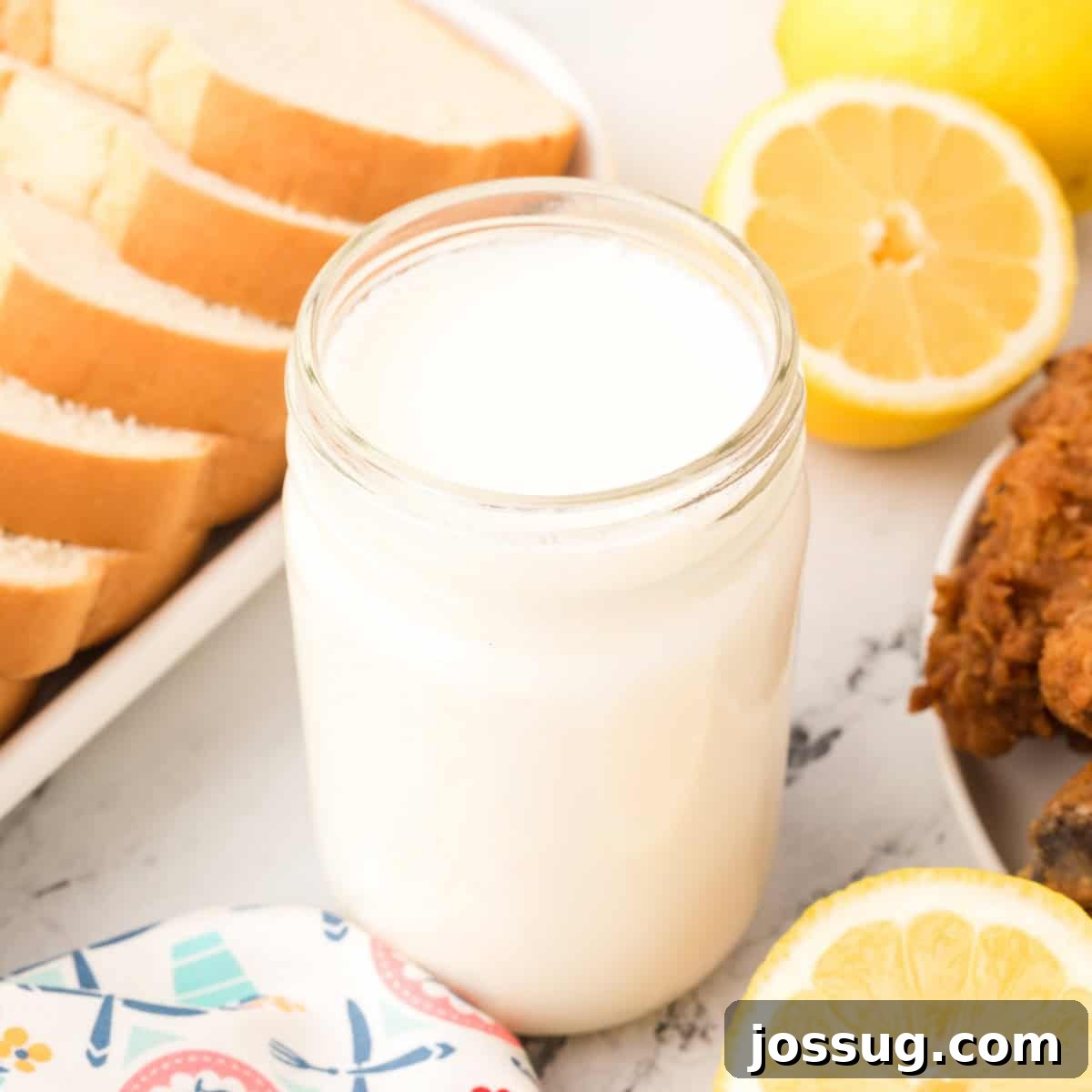
Unexpectedly run out of buttermilk in the middle of a recipe? Don’t let it derail your baking plans! Discover how to whip up a fast, foolproof buttermilk substitute using everyday ingredients like milk and vinegar or lemon juice. This essential kitchen hack works wonderfully in all your favorite recipes, from fluffy pancakes and tender biscuits to moist cakes and delicate muffins. Get ready to save your culinary creations and achieve perfect results every time, without a last-minute trip to the grocery store!
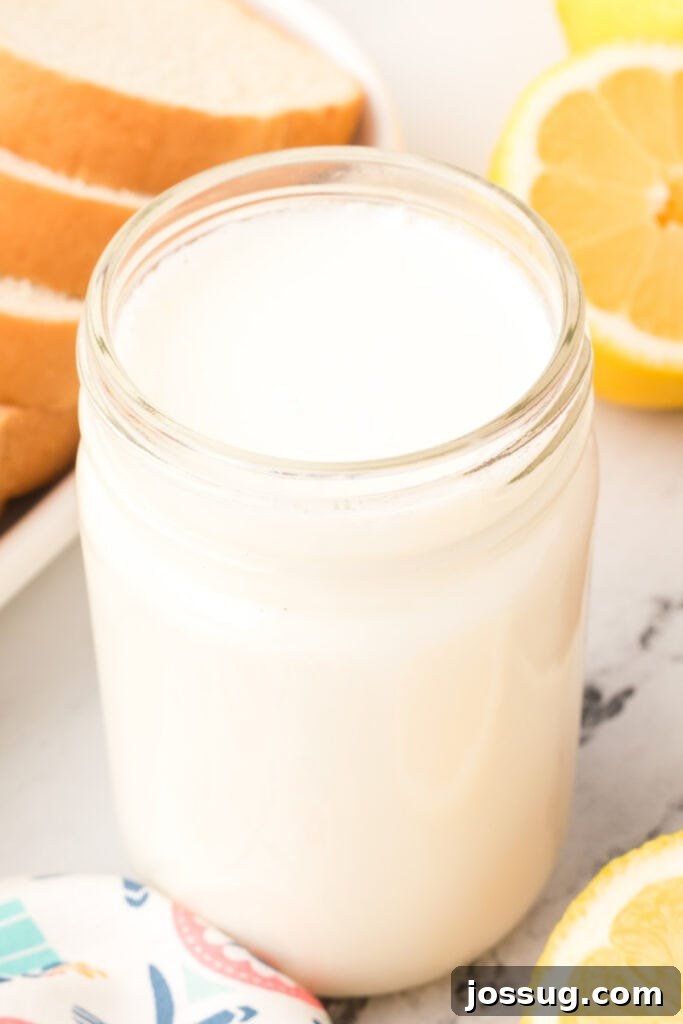
The Essential Buttermilk Substitute: Your Smart Kitchen Solution
There’s nothing quite as frustrating for a home baker as being deep into a recipe, only to realize a crucial ingredient like buttermilk is missing. It’s a common culinary predicament! I’ve experienced it myself – halfway through preparing a delightful pancake batter, I found the buttermilk carton unexpectedly empty. In that moment of need, a quick online search revealed a simple yet ingenious solution that has since become an indispensable staple in my kitchen. This easy buttermilk replacement, requiring just two readily available ingredients, consistently delivers perfect results. Whether you’re aiming for light and airy biscuits, wonderfully moist muffins, delectable cakes, or a tender fried chicken marinade, this substitute works like a charm every single time.
If you’ve ever pondered how to effortlessly create buttermilk at home, or if you simply need a swift stand-in to avoid an unplanned grocery store dash, this straightforward method is your ultimate kitchen secret weapon. It’s incredibly reliable for those spontaneous baking endeavors or when you’re simply trying to make do with what you have. Once you master this simple trick, the apprehension of being without store-bought buttermilk will become a distant memory. You’ll gain the confidence to tackle virtually any recipe, knowing that a viable, delicious, and effective alternative is always within your grasp, ensuring your culinary creations never miss a beat.
The beauty of this kitchen hack lies in its profound simplicity. Chances are, you already possess both necessary ingredients in your pantry and refrigerator. The process is astonishingly quick: combine the two ingredients, give them a brief but thorough stir, and in just a few minutes, your homemade buttermilk substitute is ready for action. It truly couldn’t be easier, making it an indispensable tool for any passionate baker or home cook looking to maintain efficiency and flexibility in their cooking routine.
Why Buttermilk is Crucial for Fluffy & Tender Baked Goods
Buttermilk isn’t just another dairy product; it plays a truly vital role in many beloved recipes, contributing a unique tang, an incredibly tender texture, and essential aid in the leavening process. Its natural acidity is key: it reacts with baking soda (a common leavening agent), producing carbon dioxide bubbles. These bubbles are what give baked goods their characteristic light, fluffy, and airy structure, allowing them to rise beautifully. Without this critical acidic component, your pancakes might fall flat, your quick breads could turn out dense, and your biscuits might lack that desirable tenderness.
Beyond its leavening power, the distinct tartness of buttermilk also adds a sophisticated depth of flavor that simply cannot be replicated with regular milk alone. It’s this tangy profile that imparts many traditional recipes with their signature taste and texture, ensuring a delicate, moist crumb and a wonderfully balanced, slightly acidic finish. Understanding the multifaceted functions of buttermilk in baking highlights precisely why a reliable and effective substitute is so incredibly valuable when the real thing isn’t readily available. This knowledge empowers you to confidently swap ingredients without compromising the quality or flavor of your final dish.
⭐ 5 Reasons You’ll Love This Quick Buttermilk Substitute
- Effortlessly Simple: This foolproof recipe requires just 2 basic ingredients you almost certainly have on hand, eliminating the need for special shopping trips.
- Lightning Fast: Your homemade buttermilk is ready for use in 15 minutes or less, making it the perfect solution for urgent or last-minute baking needs.
- Universally Adaptable: It works seamlessly in virtually any recipe calling for traditional buttermilk, from fluffy pancakes and moist cakes to tender fried chicken marinades.
- A True Lifesaver: Say goodbye to recipe emergencies! This is an excellent last-minute solution that saves you from an unplanned grocery store run.
- Consistently Delicious: Ensures your baked goods retain their desired light texture, moistness, and characteristic tangy flavor, just as if you used store-bought buttermilk.
🛒 Essential Ingredients & Clever Substitutions
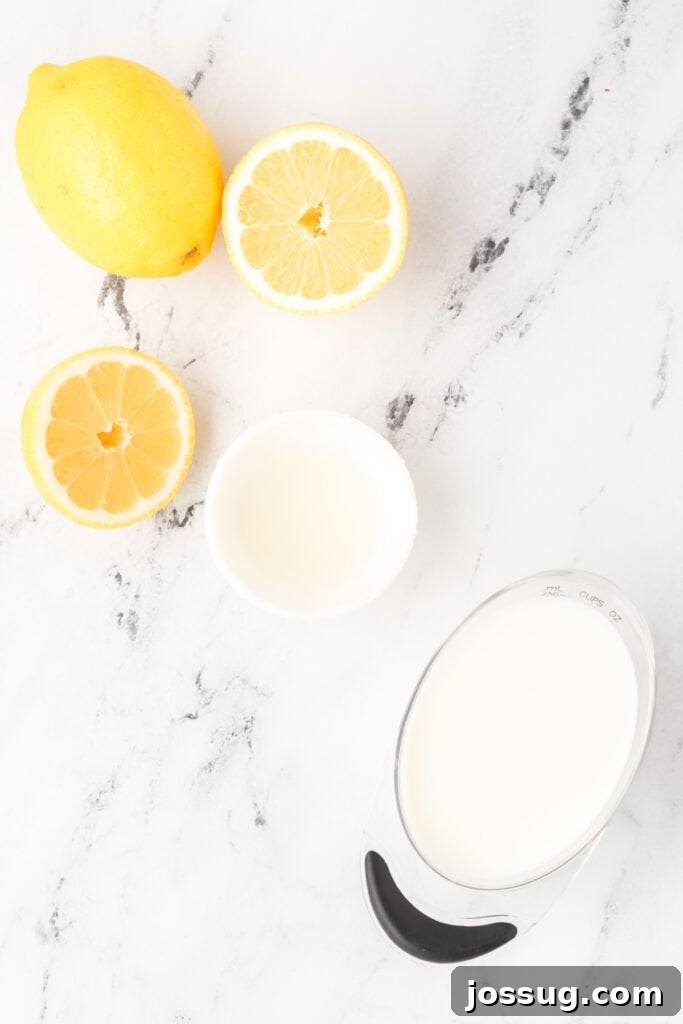
Creating this versatile buttermilk substitute requires just two key components. The good news is that both are likely already in your kitchen!
- Acidic Agent (The Curdling Catalyst): You’ll need 1 tablespoon of an acidic liquid. Your best options include:
- White Vinegar: This is a popular choice for its neutral flavor, which won’t noticeably alter the taste of your finished dish. It provides a clean, sharp acidity.
- Fresh Lemon Juice: If you prefer a brighter, more pronounced citrusy tang in your baked goods, freshly squeezed lemon juice is an excellent alternative. It imparts a delightful fresh note, particularly lovely in lighter cakes or salad dressings.
- Apple Cider Vinegar: For those who desire a milder, less assertive tang with a subtle, fruity undertone, apple cider vinegar is a fantastic option. It’s often preferred in savory recipes where a softer acidity is desired.
- Milk Base (The Foundation): The type of milk you choose will influence the richness and texture of your substitute:
- Whole Milk (Highly Recommended): For the most authentic results and richest texture, whole milk is strongly recommended. Its higher fat content curdles beautifully and adds a creaminess that closely mimics traditional buttermilk, which is ideal for achieving tender baked goods.
- 2% Milk or Skim Milk: These lower-fat options can also be used. While they will still curdle and provide the necessary acidity, the resulting buttermilk substitute may be slightly thinner in consistency compared to one made with whole milk.
- Dairy-Free Milk (Almond, Soy, Oat): Plant-based milks like unsweetened almond milk, soy milk, or oat milk can also be acidulated. The curdling process and final texture may vary more significantly with these alternatives, potentially leading to a thinner substitute. However, they will still provide the essential acidic component needed for leavening in your recipes, making them a suitable option for those with dietary restrictions. Ensure they are unsweetened to avoid altering the recipe’s flavor profile.
✨ Enhance Your Bake: Flavor Variations for Your Substitute
While the basic buttermilk substitute recipe is incredibly versatile, you can subtly influence the flavor profile of your final dish by choosing different acidic agents. Each option brings its own unique characteristics to the table:
- Lemon Juice for a Zesty Kick: Opt for fresh lemon juice if you’re looking to infuse your baked goods with a slightly brighter, more vibrant, and pronounced citrusy flavor. This choice is particularly delightful in recipes like lemon poppy seed muffins, light sponge cakes, or tangy salad dressings where a hint of lemon will truly shine.
- Apple Cider Vinegar for a Mellow Touch: If your preference leans towards a milder, less assertive tang with a subtle, earthy, and fruity note, then apple cider vinegar is an excellent selection. It’s a superb option for savory applications, such as marinades for chicken or pork, where you want the acidity to tenderize without overpowering other delicate flavors.
- White Vinegar for Neutrality: For maximum versatility and a truly neutral acidic base, white vinegar is your best bet. It provides the necessary curdling and tang without imparting any distinct flavor of its own, allowing the primary flavors of your recipe to come to the forefront. This is often the go-to choice when you want the buttermilk function without any added flavor complexities.
🔥 Expert Tips for a Perfect Homemade Buttermilk Substitute
Achieving the best possible buttermilk substitute is simple, but a few key tips can elevate your results and ensure your recipes turn out flawlessly:
- Room Temperature is Key: This is a crucial step often overlooked. Always allow the milk and acidic agent mixture to sit at room temperature for the full 10-15 minutes, rather than in the refrigerator. The slight warmth significantly helps to facilitate and accelerate the curdling process, ensuring the milk proteins properly thicken and the mixture sours effectively. This mimics the texture and vital acidity of real buttermilk far more accurately.
- Whole Milk for Optimal Richness: For the most luxurious, thick, and effective buttermilk substitute, always opt for whole milk. Its naturally higher fat content reacts beautifully with the acid, resulting in a richer, creamier consistency that is remarkably close to traditional buttermilk. This superior texture is especially important for recipes where the mouthfeel is paramount, such as light, fluffy biscuits, or moist, tender cakes.
- Always Stir Before Using: Before you incorporate your freshly made buttermilk substitute into any recipe, give it a good, vigorous stir or a gentle shake. This action redistributes any separated curds evenly throughout the liquid and ensures a consistent texture, which is vital for achieving uniform baking results and preventing pockets of uneven texture in your final product.
- Maintain Proper Ratios: The standard and most reliable ratio for this substitute is 1 tablespoon of acidic agent (vinegar or lemon juice) per 1 cup of milk. Adhering strictly to this ratio will consistently yield effective and predictable results for all your baking needs.
- Don’t Expect Extreme Thickness: While your homemade substitute will visibly curdle and thicken somewhat, it’s important to manage expectations; it will likely not become as thick as some commercially produced buttermilks. The primary goal and key to its effectiveness lie in the chemical reaction and the development of acidity, not necessarily a dramatic change in viscosity. The subtle curdling is sufficient to activate leavening agents and tenderize ingredients.
❓ Your Buttermilk Substitute Questions Answered
Absolutely! This versatile homemade buttermilk substitute performs exceptionally well in a wide array of recipes. It’s perfect for adding crucial tenderness and enhancing the flavor of popular baked goods such as fluffy pancakes, crisp waffles, moist cakes, tender muffins, and various quick breads. Moreover, its acidity makes it an outstanding choice for savory applications, like tenderizing and flavoring marinades for fried chicken or other poultry.
The brief resting period, typically 10 to 15 minutes at room temperature, is a critical step in creating an effective buttermilk substitute. This time allows the acidic agent (whether it’s vinegar or lemon juice) to react with the milk proteins. This reaction causes the proteins to curdle slightly, thickening the milk and developing the characteristic tangy flavor and texture that is found in real buttermilk. This acidity is essential for activating leavening agents like baking soda, ensuring proper rise and tenderness in your baked goods.
Yes, indeed! This homemade buttermilk substitute is an excellent and highly effective choice for marinades, especially for dishes like fried chicken. The acid in the substitute works wonders by breaking down tough meat fibers, which helps to tenderize the meat and infuse it with a delightful, subtle tangy flavor, just as traditional buttermilk would. Simply prepare the substitute as directed and use it directly in your marinade recipe.
You certainly can prepare this substitute in advance if you anticipate needing buttermilk later. Once prepared, simply store it in a tightly sealed container or jar in the refrigerator for up to 3 days. Before each use, remember to give it a good stir or shake, as some natural separation of the milk solids and liquid is entirely normal during storage.
Don’t fret if you don’t see dramatic, chunky curds. Sometimes, especially with very fresh milk or certain types of dairy-free milks, the curdling may not be overtly visible. The most important aspect is the chemical reaction that occurs, which acidifies the milk. As long as your milk was at room temperature and you’ve added the correct amount of acid and waited the recommended time, the necessary acidity is present to activate your leavening agents and perform its function in the recipe. It’s usually perfectly fine to proceed with the recipe.
While this recipe aims to mimic sour milk, using milk that has gone truly sour or bad is not recommended. This substitute relies on a controlled acidification process with fresh milk. Off-milk may contain undesirable bacteria or flavors that could negatively impact your recipe and potentially cause food safety issues. Always start with fresh, unspoiled milk for the best and safest results.
1
cup
Quick & Easy Homemade Buttermilk Substitute
Jamie Sherman
15
minutes
15
minutes
Equipment Needed
-
Glass measuring cup
-
Measuring cups and spoons
-
Spoon or whisk
Ingredients
-
1
tablespoon
white vinegar or fresh lemon juice (or apple cider vinegar) - Enough milk (preferably whole milk) to bring the total liquid volume to 1 cup
Step-by-Step Instructions
-
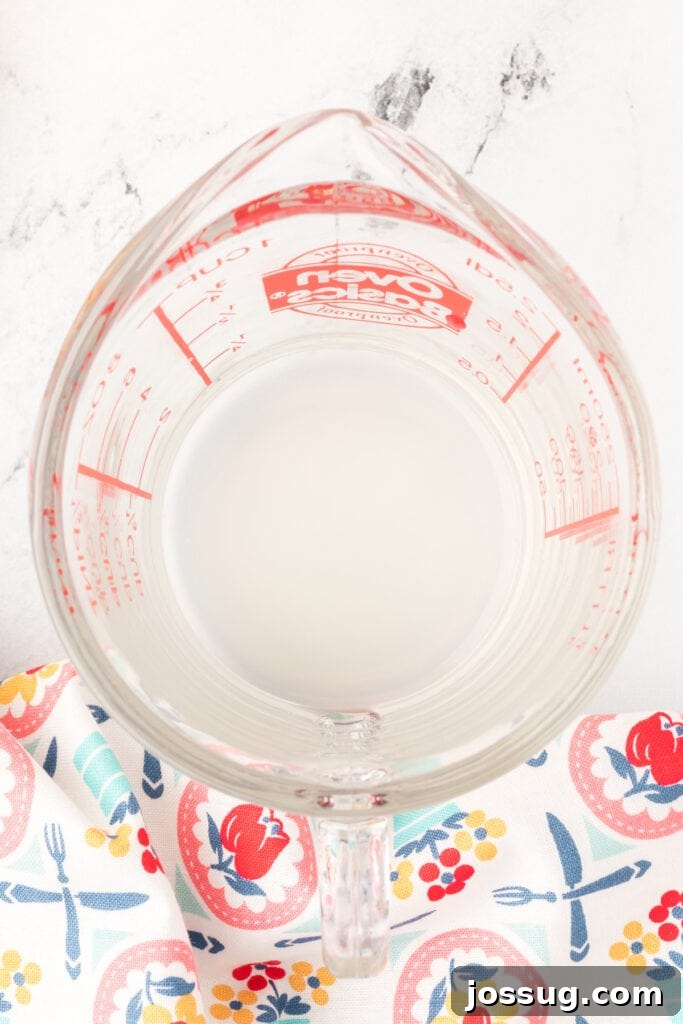
Begin by pouring the chosen acidic agent (white vinegar or lemon juice) into a clean, glass measuring cup. Ensure precise measurement for the best results.
-
Next, carefully add your preferred milk to the measuring cup until the combined liquid reaches exactly the 1-cup mark.
-
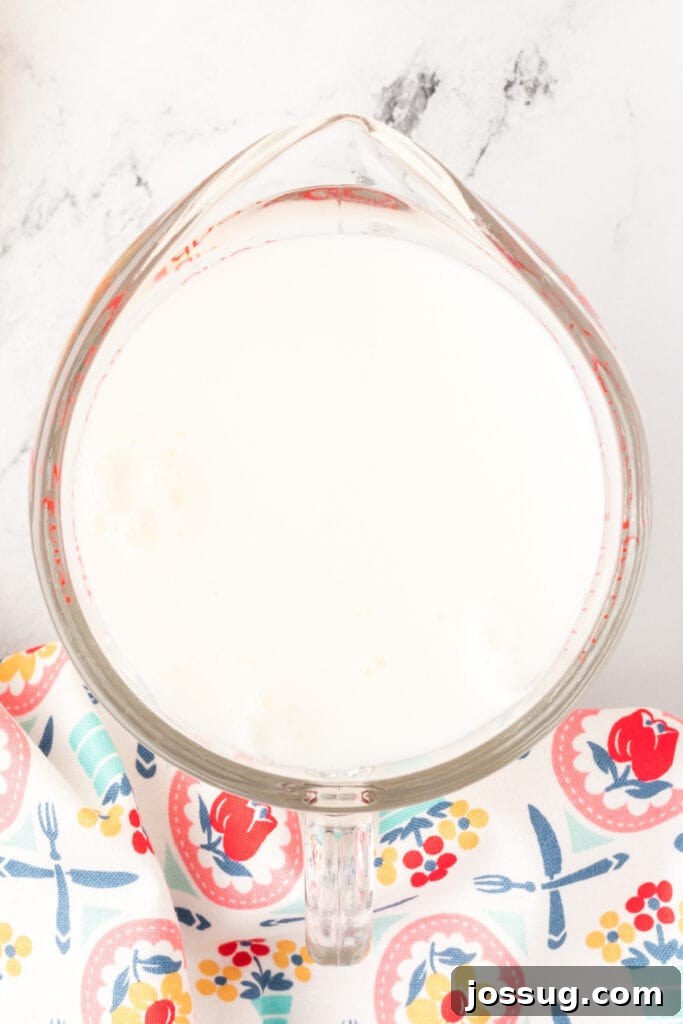
Gently but thoroughly stir the mixture to ensure the acid is well distributed throughout the milk. Allow the mixture to sit undisturbed at room temperature for 10-15 minutes. During this time, you will observe the milk visibly curdling and thickening slightly, indicating the acidification process is taking place.
-
Once the mixture has sufficiently curdled and rested, give it another quick stir. Your homemade buttermilk substitute is now ready to be used immediately in any recipe that calls for regular buttermilk.
Important Recipe Notes for Success
🥡 Storage Guidelines
- Refrigerate any unused portion of the buttermilk substitute immediately after preparation. Store it in a tightly sealed container or jar for a maximum of 3 days. Ensuring it’s airtight will help maintain its freshness and prevent it from absorbing other refrigerator odors.
- Before each subsequent use, it is highly recommended to give the refrigerated substitute a gentle shake or stir. This is because some natural separation of milk solids and liquid may occur during storage, and a quick mix will restore its uniform consistency.
♨️ Reheating Recommendations
- This homemade buttermilk substitute is explicitly not intended for reheating. It should be used cold or at room temperature, depending on the specific requirements of your recipe. Reheating will cause the milk to curdle further in an undesirable manner, negatively impacting its texture and performance in most culinary applications.
❄️ Freezing Suitability
- Freezing is generally not recommended for this buttermilk substitute. The freezing and thawing process tends to significantly degrade the texture and effectiveness of the mixture. This can lead to an unpleasantly grainy consistency and a reduced ability to properly leaven or tenderize ingredients in your recipes.
💡 Additional Tips for Best Results
- Using whole milk consistently yields the richest, most authentic-tasting, and texturally satisfying buttermilk substitute. The higher fat content of whole milk contributes to superior curdling and a more luxurious mouthfeel in your final baked dishes.
- Emphasizing the resting period at room temperature is crucial for optimal curdling. Avoid the temptation to place it in the refrigerator during this initial 10-15 minute period, as cold temperatures will hinder the necessary chemical reaction.
- Always measure your acidic agent (vinegar or lemon juice) with precision. Accurate measurements are key to achieving consistent and reliable results every single time you prepare this substitute.
🍳 Alternate Uses & Creative Applications
- Don’t let any leftover buttermilk substitute go to waste! It’s fantastic for incorporating into future batches of classic pancake batter, boosting the flavor and tenderness of muffin mixes, or enriching quick bread recipes within its recommended shelf life.
- Beyond baking, this substitute is a wonderfully versatile ingredient. Use it to create flavorful marinades for various meats like poultry or pork, add a delightful tangy twist to mashed potatoes, or even whip up your own creamy and zesty homemade salad dressings. Its acidic properties can truly enhance a variety of dishes.
Nutrition Information (Approximate)
Carbohydrates: 12 g,
Protein: 8 g,
Fat: 8 g,
Saturated Fat: 5 g,
Polyunsaturated Fat: 0.3 g,
Monounsaturated Fat: 2 g,
Cholesterol: 29 mg,
Sodium: 93 mg,
Potassium: 381 mg,
Fiber: 0.1 g,
Sugar: 12 g,
Vitamin A: 396 IU,
Vitamin C: 6 mg,
Calcium: 301 mg,
Iron: 0.01 mg
Please note: The provided nutrition information is an automatically generated estimate and should only be used as an approximation. Actual nutritional values may vary based on specific ingredients, portion sizes, and preparation methods.
Enjoyed this recipe? Share your thoughts below!
Your feedback helps others discover delicious kitchen hacks and inspires new culinary adventures.
🍽️ Other Delicious Recipes You May Enjoy
Breakfast
Fluffy Buttermilk Pancakes
Breakfast
Buttermilk Doughnuts with Cherry Glaze
Bread
The BEST Homemade Buttermilk Biscuits
Mixes, Sauces, Condiments
How to Make Cake Flour at Home