
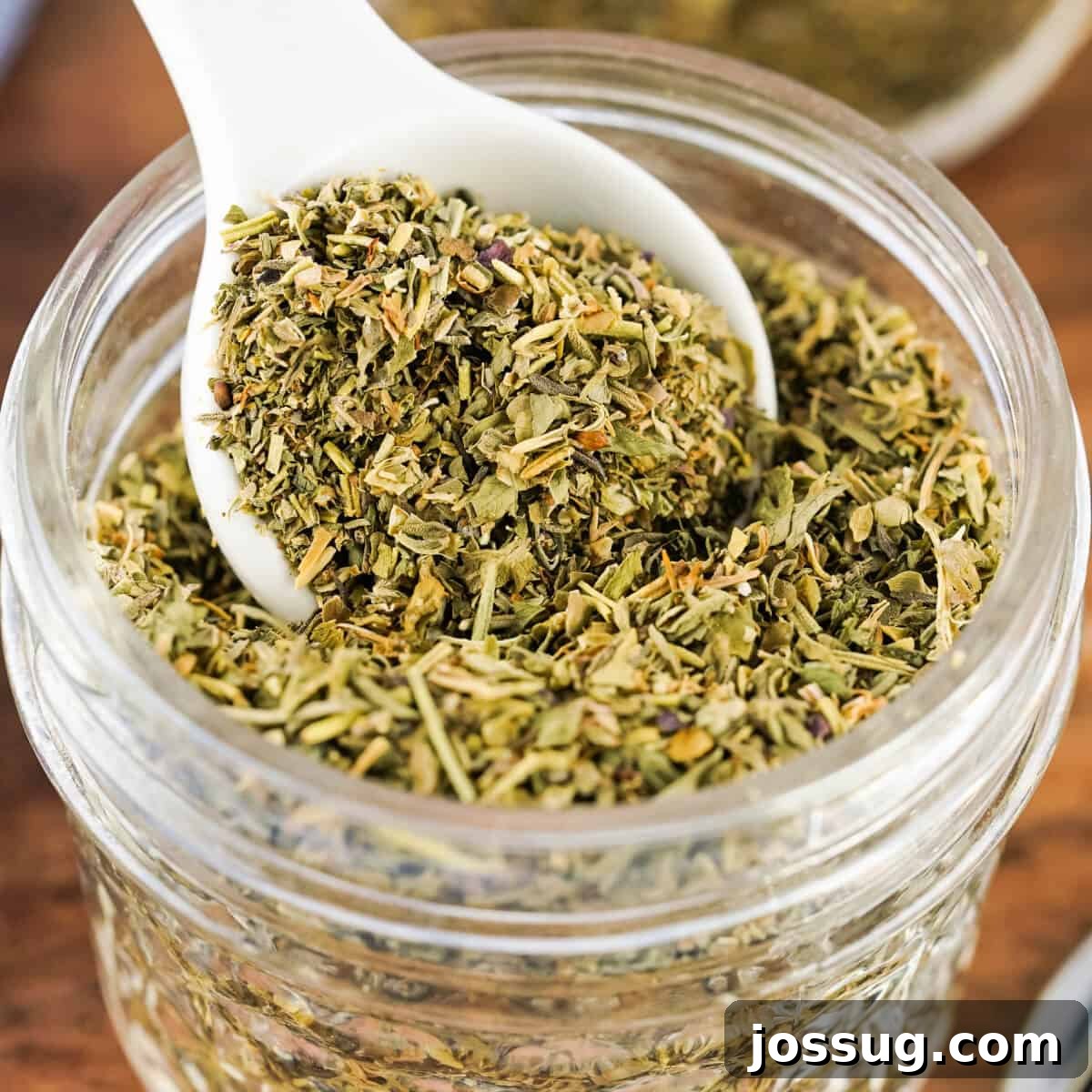
Homemade Italian Seasoning: Your Kitchen’s Secret Weapon
Unlock a world of vibrant flavors with your very own homemade Italian seasoning! This essential blend of aromatic dried herbs and spices is a staple in kitchens worldwide, forming the backbone of countless beloved dishes. While store-bought versions are readily available, crafting your own mix offers unparalleled freshness, customizable potency, and the satisfaction of a truly homemade touch. Get ready to elevate your cooking, whether you’re whipping up a quick weeknight pasta or preparing an elaborate Sunday roast.
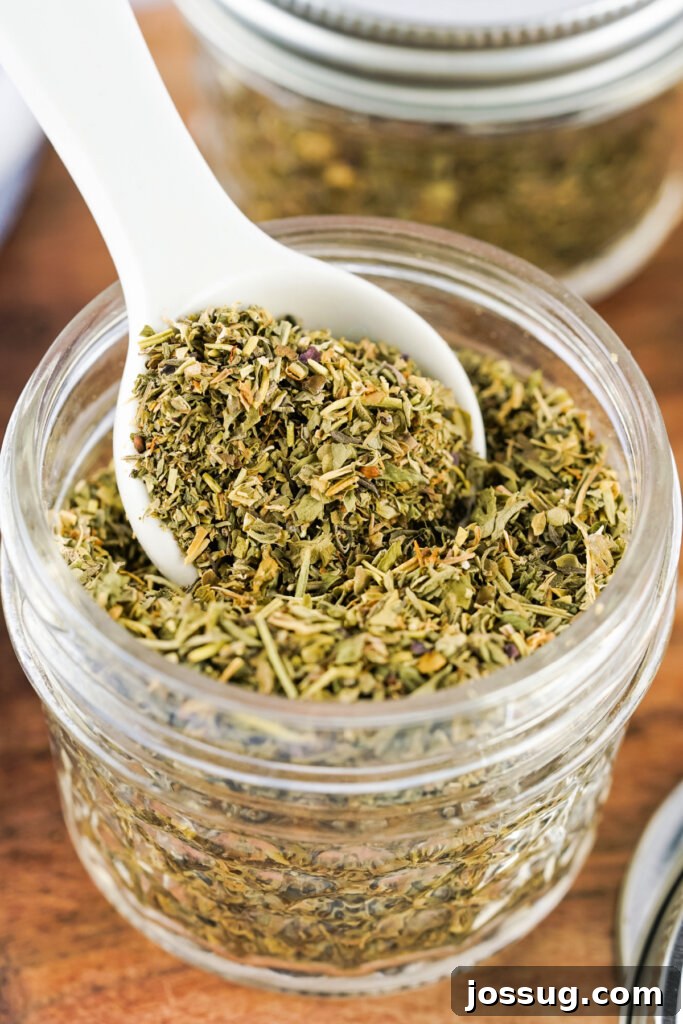
Why Choose Homemade Italian Seasoning? Unveiling the Benefits
There’s a distinct charm and undeniable advantage to making your own spice blends, and Italian seasoning is no exception. Beyond the simple joy of DIY, here are compelling reasons to ditch the store-bought jar and mix your own:
- Unmatched Freshness and Flavor: Dried herbs, while shelf-stable, lose potency over time. When you make your own blend, you ensure that each herb is as fresh and fragrant as possible, resulting in a more vibrant and impactful flavor in your dishes. You’ll notice the difference immediately!
- Complete Control Over Ingredients: Many commercial seasoning blends contain anti-caking agents, excessive salt, or other additives. By making your own, you have full transparency and control over what goes into your food, ensuring a pure, clean flavor without unwanted fillers. This is especially beneficial for those managing dietary restrictions or health-conscious cooking.
- Tailored to Your Taste Buds: Do you prefer a little more basil, or perhaps a stronger hint of rosemary? Homemade seasoning allows you to adjust the proportions to perfectly match your personal preferences. This customizability is a culinary superpower, enabling you to create a blend that truly resonates with your palate.
- Cost-Effective Cooking: Buying individual jars of dried herbs and spices can seem like a larger upfront investment, but in the long run, it’s often more economical than repeatedly purchasing pre-mixed blends, especially if you use Italian seasoning frequently.
- Endless Versatility: A well-balanced Italian seasoning blend is incredibly versatile. It’s not just for Italian food! Use it in Mediterranean, American, and even some Middle Eastern dishes to add a delightful herbaceous depth.
Embracing the homemade approach to your spice rack is a simple yet impactful step towards becoming a more confident and creative cook.
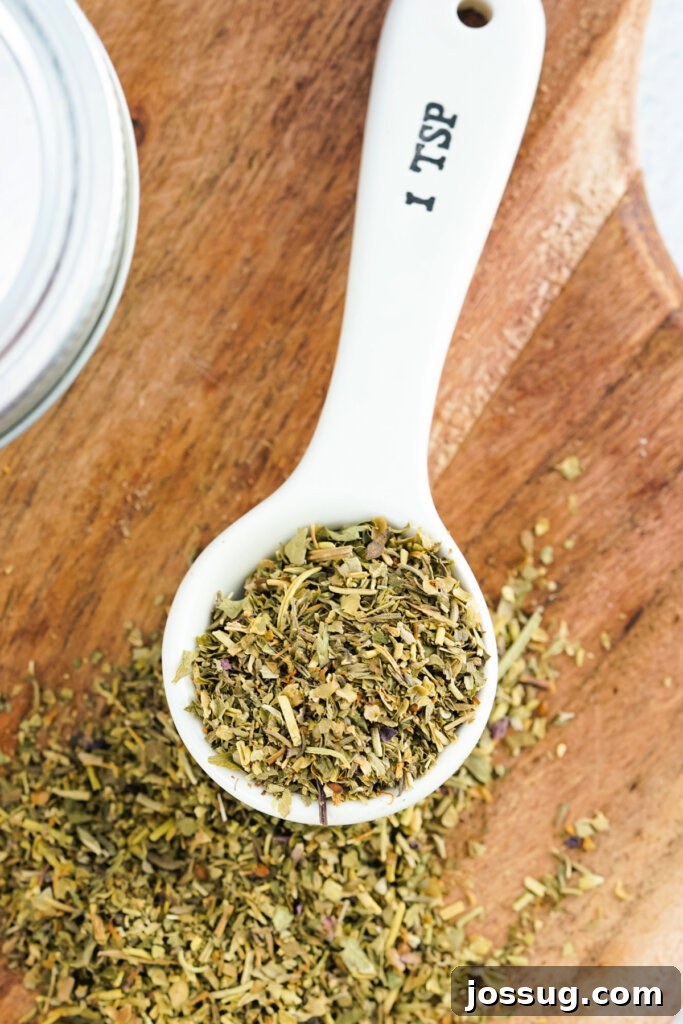
The Core Ingredients: Crafting Your Signature Italian Seasoning Blend
A classic Italian seasoning blend is a harmonious symphony of dried herbs, each contributing its unique note to create a rich, balanced flavor profile. Our recipe focuses on the most traditional and impactful ingredients that you likely already have in your pantry. Understanding each herb’s role will not only help you appreciate the blend more but also empower you to customize it confidently.
Essential Herbs for Authentic Italian Flavor:
- Dried Oregano: The heart and soul of Italian seasoning, oregano brings a robust, slightly bitter, and earthy flavor. It’s essential for that classic Italian taste.
- Dried Basil: Sweet, peppery, and slightly minty, basil adds a bright and aromatic layer that complements oregano beautifully. It’s synonymous with Italian cuisine.
- Dried Parsley: Offering a fresh, slightly peppery, and green note, dried parsley enhances the overall brightness of the blend without overpowering the other flavors.
- Dried Thyme: Earthy, minty, and subtly lemony, thyme provides a gentle warmth and depth that grounds the brighter herbs.
- Dried Rosemary: Pungent, woody, and pine-like, rosemary delivers a strong, distinctive aroma and flavor. A little goes a long way to add sophistication to your blend.
- Dried Marjoram: Often mistaken for oregano, marjoram is milder, sweeter, and more floral. It adds a delicate herbaceousness and complexity, rounding out the blend. If you struggle to find it, don’t worry – your blend will still be delicious without it!
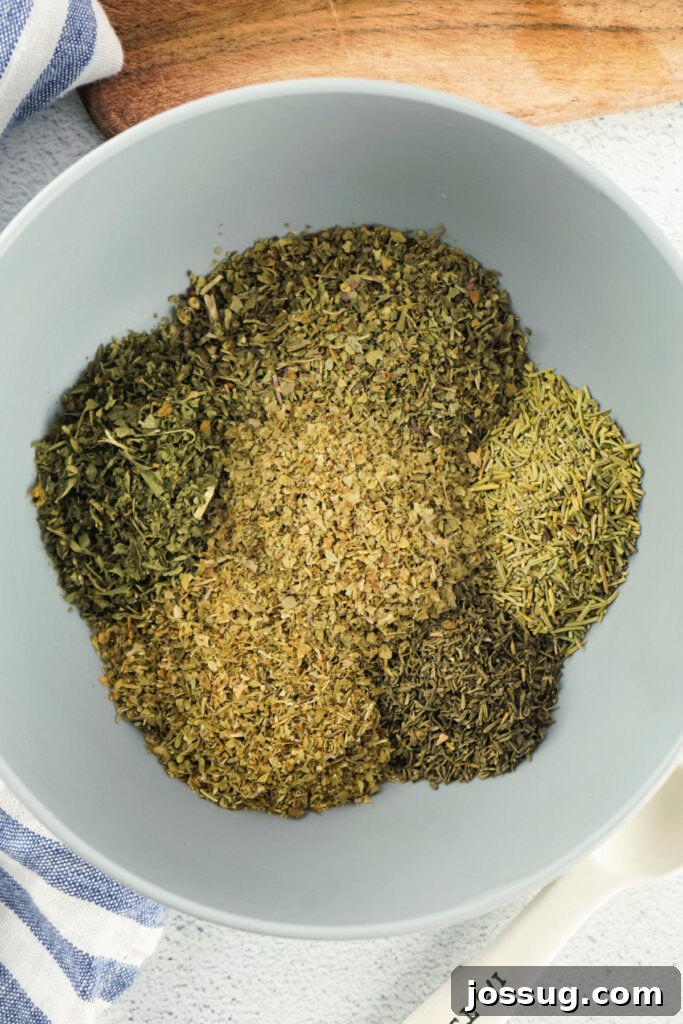
Crafting Your Perfect Batch: Simple Steps for Homemade Italian Seasoning
Making your own Italian seasoning is remarkably simple, requiring just a few minutes of your time for months of flavorful meals. Follow these straightforward steps to create a blend that will become an indispensable part of your culinary repertoire.
- Gather Your Tools: You’ll need a medium-sized mixing bowl, a whisk or spoon, and an airtight container for storage (small glass jars work perfectly).
- Measure with Precision: While customization is encouraged, start with the recommended quantities in our recipe card below. This ensures a balanced foundation.
- Combine All Ingredients: In your chosen mixing bowl, carefully measure and add all the dried herbs and any optional spices you’ve chosen.
- Mix Thoroughly: Use your whisk or spoon to gently but thoroughly combine all the ingredients. Ensure there are no clumps and that the herbs are evenly distributed throughout the mixture. This step is crucial for consistent flavor in every pinch.
- Storage is Key: Transfer your freshly made seasoning blend into an airtight container. Store it in a cool, dry, and dark place away from direct sunlight and heat. This helps preserve the potency and aroma of the herbs for as long as possible.
- Ready to Use: Your homemade Italian seasoning is ready for immediate use! Sprinkle it into your favorite dishes or store it for future culinary adventures.
Tips for Maximizing Flavor and Shelf Life:
- Crush if Desired: For a more intense aroma and finer texture, gently crush some of the larger herbs (like rosemary or basil) between your fingers before adding them to the bowl, or briefly pulse the finished blend in a spice grinder or mortar and pestle.
- Label Clearly: Always label your container with the name of the seasoning and the date it was made. This helps you track freshness.
- Small Batches are Best: While this recipe makes a good quantity, consider making smaller batches more frequently if you don’t use it often. This ensures you always have the freshest possible blend on hand.
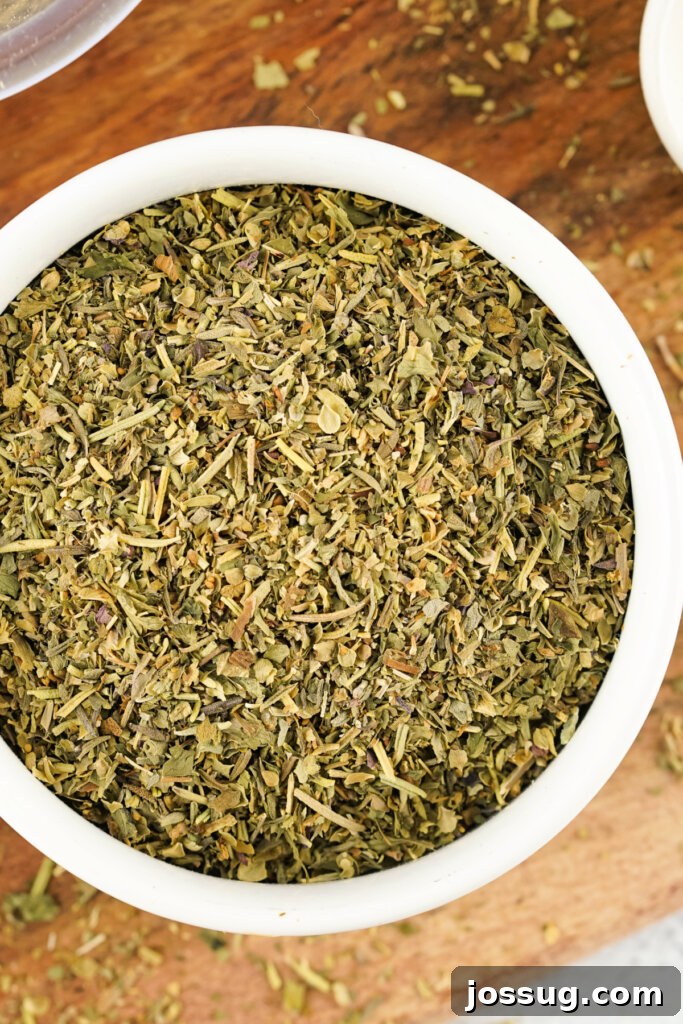
Customizing Your Italian Seasoning: Variations and Substitutions
One of the greatest joys of making your own spice blends is the freedom to customize them. While our base recipe provides a perfect, well-balanced Italian seasoning, you can easily adjust it to suit your palate or specific dish requirements. Don’t be afraid to experiment!
Adding a Kick or Enhancing Depth:
- For a Touch of Heat: If you enjoy a little warmth in your dishes, consider adding about ½ teaspoon of crushed red pepper flakes to your blend. This gives it a subtle, pleasant kick without overpowering the herbal notes.
- Aromatic Alliums: To make your seasoning a true “all-in-one” blend, incorporate a teaspoon each of garlic powder and onion powder. These additions provide a savory depth that complements the herbs beautifully, especially in sauces and rubs.
- The Earthy Touch of Sage: While not a core ingredient in every Italian seasoning, adding ½ tablespoon of dried sage can introduce a wonderful earthy and slightly peppery nuance. This is a fantastic personal preference, particularly for poultry or roasted vegetable dishes.
Substitutions and Adjustments:
- Marjoram Alternatives: If you find marjoram hard to source, you have a few options. You can simply omit it from the recipe altogether without significantly impacting the overall flavor – the blend will still be delicious. Alternatively, if you wish to replace it, a smaller amount of oregano (as marjoram is milder) or a pinch of dried thyme could work in a pinch, though the flavor profile will shift slightly.
- Dried vs. Fresh: This recipe uses dried herbs for shelf stability. If you’re using fresh herbs, the ratio will change significantly (typically 3 parts fresh to 1 part dried). For a fresh blend, it’s best to use immediately as it won’t store well.
- Adjusting Ratios: Feel free to tweak the amounts of each herb. Love basil? Add an extra half tablespoon! Less keen on rosemary’s strong flavor? Reduce its quantity. Make a small test batch, taste, and adjust to find your ideal balance.
Embrace the role of a culinary alchemist and make this homemade Italian seasoning truly your own!
Italian Seasoning: Frequently Asked Questions (FAQs)
Curious about Italian seasoning? Here are answers to some common questions that will help you better understand and utilize this versatile blend in your kitchen.
What’s in Italian Seasoning?
Italian seasoning is typically a blend of dried herbs and sometimes spices commonly used in Italian cuisine. The most prevalent ingredients usually include dried oregano, basil, thyme, rosemary, and parsley. Some blends may also feature marjoram, garlic powder, onion powder, or a touch of red pepper flakes for heat.
How Do You Use Italian Seasoning?
This versatile spice blend can be used to add rich, savory flavor to an extensive array of dishes. It’s fantastic in pasta sauces (like marinara or Bolognese), as a rub for meats (chicken, beef, pork, fish), in marinades, sprinkled over roasted vegetables, added to soups, stews, and chili, mixed into bread dough, or even blended with olive oil for a simple dip. Start with a small amount (e.g., ½ to 1 teaspoon per serving) and adjust to your taste.
What Are Some Dishes Where Italian Seasoning Is Commonly Used?
Italian seasoning shines in classic Italian-American dishes such as spaghetti, lasagna, pizza sauce, chicken parmesan, and meatballs. Beyond these staples, it’s also excellent in garlic bread, focaccia, minestrone soup, stuffed peppers, egg dishes like frittatas, and even in homemade salad dressings. Its herbaceous notes make it a perfect complement to tomato-based dishes and rich meats.
How Long Does Homemade Italian Seasoning Last?
When stored properly in an airtight container in a cool, dark place away from light and heat, homemade Italian seasoning can maintain its peak potency for up to six months to one year. While it won’t spoil after this period, the flavors and aromas of the dried herbs will gradually diminish. For the best flavor, aim to use it within a few months of making it.
Can Italian Seasoning Be Used as a Substitute for Other Herbs or Spices?
Absolutely! Italian seasoning is a fantastic all-purpose herb blend that can often stand in for individual herbs called for in a recipe. For instance, if a recipe specifically requests dried basil or oregano, you can often substitute Italian seasoning, especially if you’re looking for a more complex flavor profile. Keep in mind that the overall taste might be slightly different due to the blend of herbs, so adjust quantities to taste.
Is Italian Seasoning Only Used in Italian Cuisine?
While it’s rooted in Italian culinary traditions, Italian seasoning is incredibly versatile and transcends geographical boundaries. It’s frequently used in dishes from other cuisines that share similar flavor profiles, such as Mediterranean and some Southern European dishes. It can also enhance general everyday cooking, from seasoning grilled chicken to livening up a simple vegetable sauté. Its broad appeal makes it a universal favorite for adding depth and aroma.
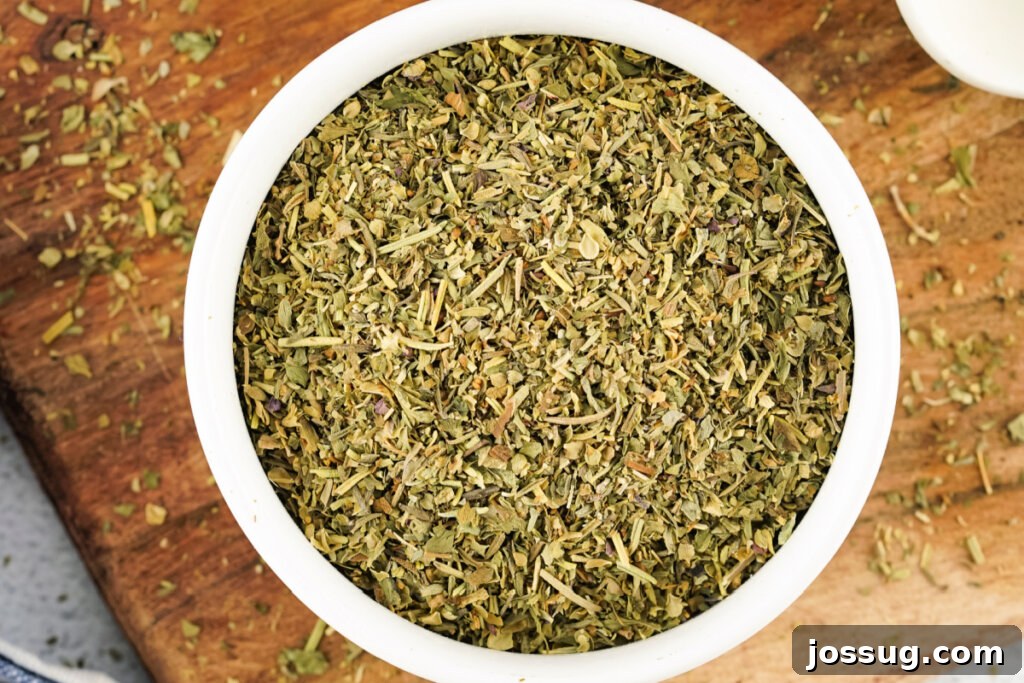
Homemade Italian Seasoning Recipe Card
Italian Seasoning
By: Jamie Sherman
Elevate your cooking game with this easy-to-make Italian Seasoning. This blend of aromatic herbs and spices adds delicious flavor to any dish.
Servings: 8 servings
Prep Time: 5 mins
Total Time: 5 mins
(Recipe rating and save options placeholder)
Pin Recipe
Print Recipe
Equipment
- Whisk
- Mixing Bowl
- 4-Ounce Glass Jars
- Measuring Cups and Spoons
Ingredients
- 2 tablespoons dried oregano
- 2 tablespoons dried basil
- 2 tablespoons dried parsley
- 1 tablespoon dried thyme
- 1 tablespoon dried rosemary
- 1 tablespoon marjoram
Instructions
- Combine all of the ingredients in a bowl large enough to mix and hold all of the herbs and spices.
- Use in recipes that call for Italian Seasoning.
- Store any remaining spice blend in an airtight container for up to one year.
Notes
- If you want a little kick added to your Italian Seasoning, add about ½ teaspoon of crushed red pepper flakes.
- You can also add ½ tablespoon of dried sage. This isn’t necessary, but a personal preference.
- To truly make this spice blend an all-in-one, add a teaspoon each of garlic powder and onion powder.
- If you struggle to find marjoram in your area, you can order it online or omit it from the recipe altogether. There is no need to replace it. This won’t ruin your Italian seasoning recipe.
Nutrition
Serving: 1 tablespoon, Calories: 10kcal, Carbohydrates: 2g, Protein: 1g, Fat: 0.2g, Saturated Fat: 0.1g, Polyunsaturated Fat: 0.1g, Monounsaturated Fat: 0.04g, Sodium: 4mg, Potassium: 66mg, Fiber: 1g, Sugar: 0.1g, Vitamin A: 85IU, Vitamin C: 1mg, Calcium: 66mg, Iron: 2mg
Nutrition information is automatically calculated, so should only be used as an approximation.
Other Recipes You May Enjoy
- Beef Stew Seasoning Mix
- Italian Chicken Strips
- Slow Cooker Mediterranean Pot Roast
- Homemade Taco Seasoning
- Italian Pork Chop Sheet Pan Dinner
Like this recipe? Leave a comment below!