
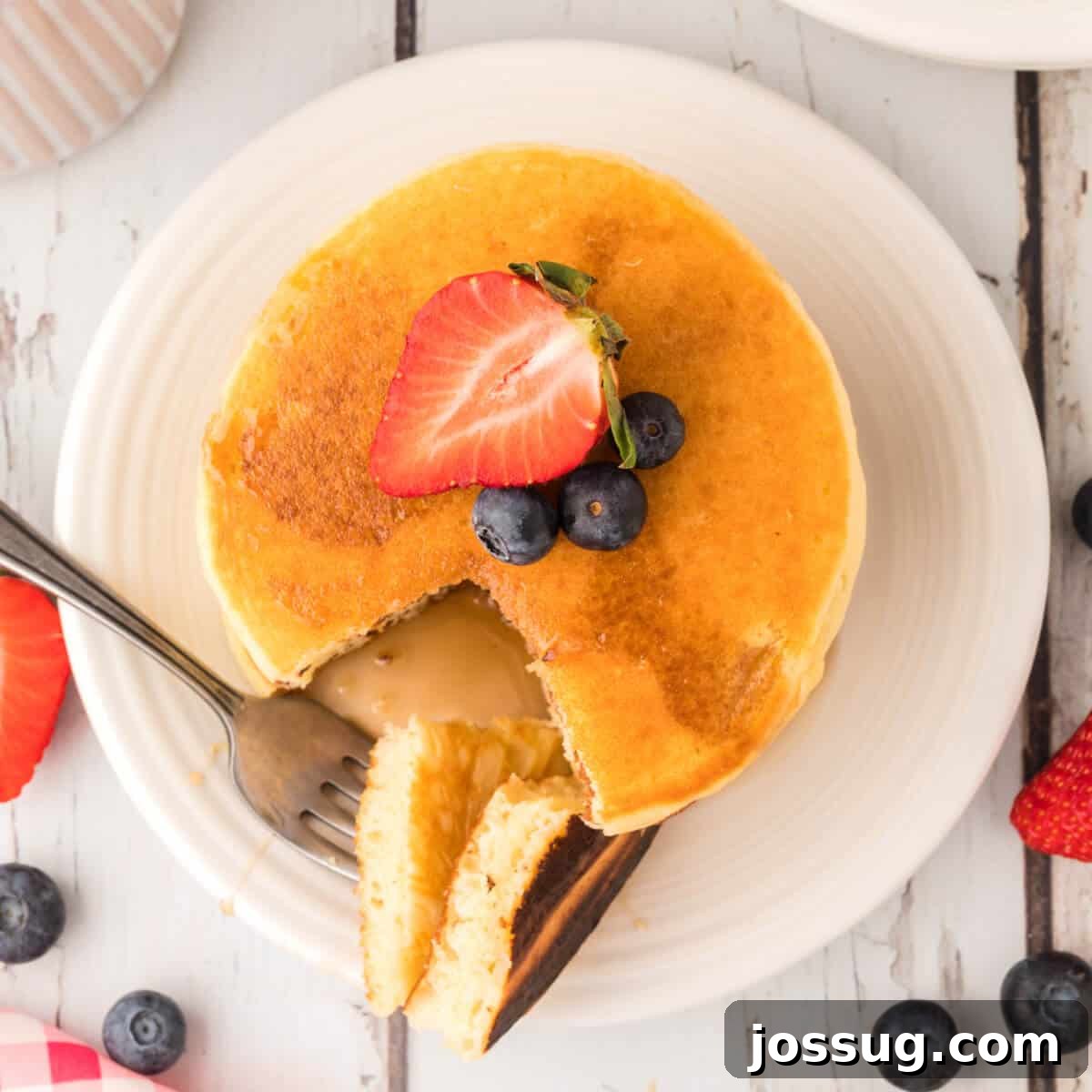
There’s something uniquely comforting and irresistibly delicious about a stack of warm, fluffy pancakes on a slow morning. While pre-made mixes offer convenience, the unparalleled taste and texture of homemade buttermilk pancakes transform an ordinary breakfast into a memorable culinary experience. This classic recipe is designed for ease and speed, ensuring you can enjoy a perfect stack on your table in just about 15 minutes, proving that scratch-made doesn’t have to mean time-consuming.
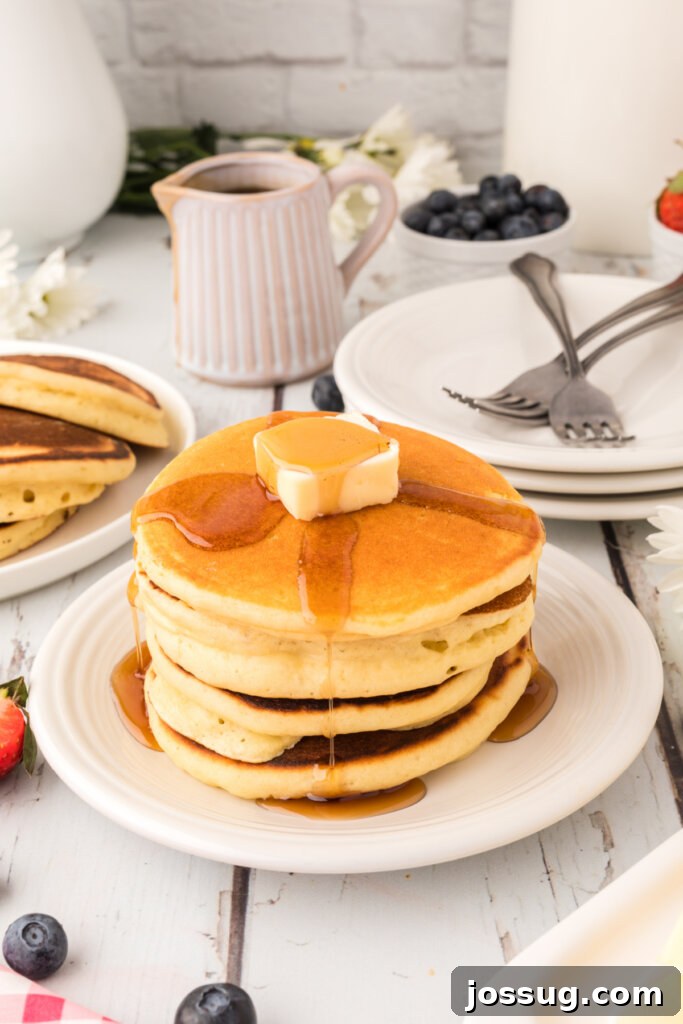
The Ultimate Fluffy Buttermilk Pancakes
While breakfast might not always be my top culinary priority, I absolutely adore creating delicious morning meals for my loved ones, and these buttermilk pancakes consistently earn rave reviews. Forget those unpredictable box mixes that often leave you with flat, rubbery, or bland results. This recipe is my tried-and-true secret to achieving pancakes that are consistently light, airy, and bursting with classic flavor. It’s a straightforward approach that relies on common pantry staples, making it accessible even for novice bakers. The magic truly happens when you combine simple ingredients with a touch of buttermilk, resulting in a breakfast delight that’s miles beyond anything from a package.
The beauty of making pancakes from scratch lies in the control you have over the outcome. No more wondering if your pancakes will turn out dense or flavorless. With this recipe, you’re guaranteed a batch of beautifully puffed, golden-brown pancakes every single time. It’s an empowering experience, especially if you’re venturing into homemade breakfast for the first time. Plus, the aroma of fresh pancakes cooking on the griddle is an instant mood booster, setting a wonderfully cozy tone for the entire day. I sincerely hope you’ll give this recipe a try and discover the joy of creating these breakfast masterpieces yourself!
Buttermilk is the star ingredient here, lending an incredible tenderness and a slight tangy note that elevates these pancakes far above their conventional counterparts. Its interaction with baking soda creates tiny air pockets within the batter, resulting in that coveted “melt-in-your-mouth” fluffiness. This isn’t just a recipe; it’s an invitation to embrace the simple pleasures of home cooking and share a truly delightful breakfast with family and friends. Get ready to impress everyone with pancakes so good, they’ll swear you spent hours in the kitchen!
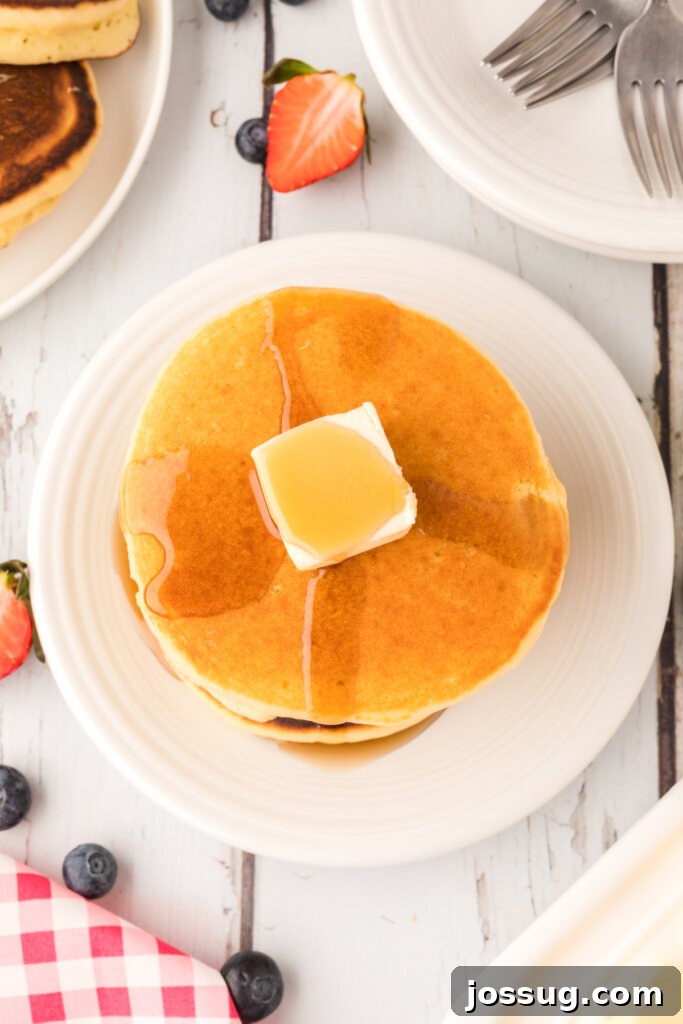
Essential Ingredients for Perfect Buttermilk Pancakes
Crafting these delectable buttermilk pancakes requires a handful of basic ingredients, most of which you likely already have in your pantry. Each component plays a vital role in achieving that desirable light texture and rich flavor profile. Here’s a closer look at what you’ll need and why each ingredient matters:
Ingredients List
- All-Purpose Flour: The foundation of our pancakes, providing the necessary structure without making them too dense. While all-purpose flour is recommended for its balance, you can experiment with a portion of whole wheat flour for a nuttier flavor and added fiber, though it might slightly alter the texture.
- Large Egg: Acts as a crucial binder, holding the batter together and contributing to the overall structure and richness of the pancakes. It also adds a subtle yellow hue and aids in browning.
- Granulated Sugar: Adds just the right amount of sweetness to complement the tang of the buttermilk. Beyond flavor, sugar helps with the beautiful golden-brown color during cooking and contributes to the tenderness of the final product.
- Salt: A pinch of salt is essential in all baked goods, as it balances the sweetness and enhances the flavors of all the other ingredients, preventing the pancakes from tasting flat.
- Baking Powder & Baking Soda: These are your leavening agents, working in tandem to create that incredible lift and characteristic fluffiness. Baking powder provides initial lift, while baking soda reacts with the acidity in the buttermilk to produce additional carbon dioxide, resulting in an extra airy texture.
- Vegetable Oil: Our chosen fat in the batter, which contributes to moisture, tenderness, and a rich mouthfeel. You can also use other neutral-flavored oils like canola oil or melted unsalted butter for a slightly different flavor.
- Buttermilk: The star of the show! Buttermilk is key to the pancakes’ signature tang and, more importantly, its incredible texture. The lactic acid in buttermilk reacts with the baking soda to create those delightful air bubbles, yielding pancakes that are exceptionally soft, tender, and “poofy” – like edible clouds! If you don’t have buttermilk on hand, you can easily make a substitute: simply add 1 tablespoon of white vinegar or lemon juice to a measuring cup, then fill the rest with regular milk until it reaches 1 cup. Let it sit for 5-10 minutes until it slightly curdles before using. This substitute works wonders! Learn more about buttermilk substitutes here.
- Butter or Shortening (for greasing): Depending on your griddle or skillet, a small amount of butter or shortening may be needed to prevent sticking and ensure a beautiful golden crust. Cast iron skillets often benefit from a light greasing.
- Toppings (Optional, but highly recommended!): Elevate your pancake experience with classic maple syrup, a dollop of fresh butter, berries, whipped cream, chocolate chips, or fruit compote. The possibilities are endless!
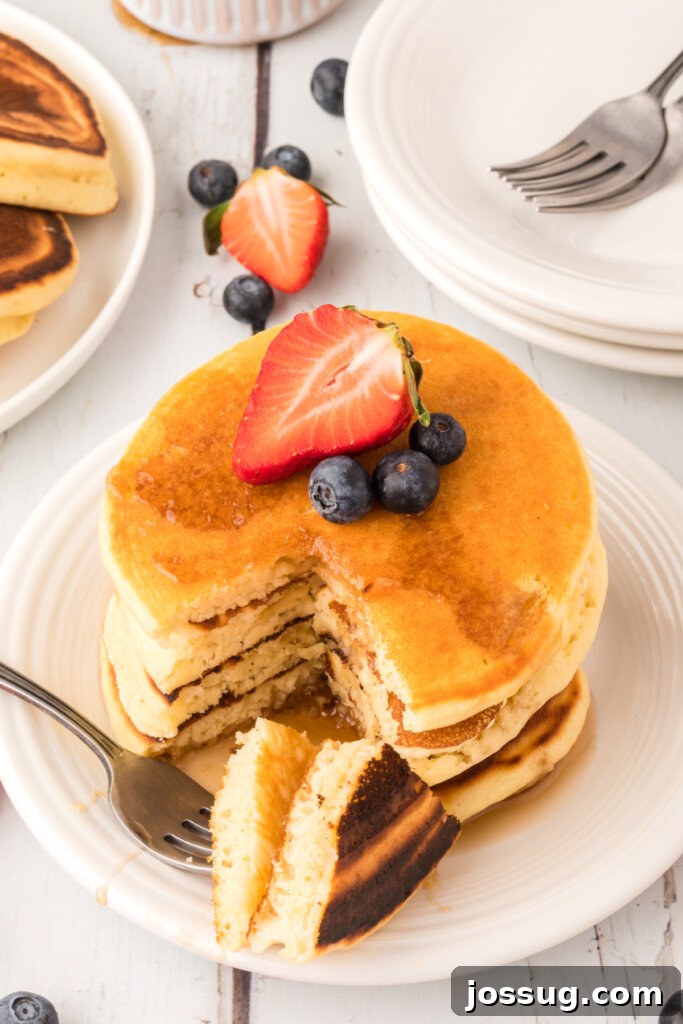
Frequently Asked Questions About Buttermilk Pancakes
Here are some common questions and helpful answers to ensure your buttermilk pancakes turn out perfectly every time:
- How many pancakes does this recipe produce?
- This recipe is designed to yield a generous stack of approximately 9 fluffy pancakes. It’s an ideal amount for a small family or a cozy breakfast for two with leftovers. If you’re feeding a larger crowd or have particularly enthusiastic eaters, consider doubling the recipe to ensure everyone gets their fill.
- How long does it take to make buttermilk pancakes from scratch?
- One of the best features of this recipe is its incredible speed! From start to finish, you’ll have a stack of warm pancakes in about 15 minutes. This breaks down into just 5 minutes of active preparation time to mix the batter, and roughly 10 minutes of cooking time on the griddle.
- I prefer thinner pancakes – can I adjust the recipe for that?
- Absolutely! Achieving thinner pancakes is simple. Just add an extra 1-2 tablespoons of buttermilk to your batter until it reaches your desired consistency. A slightly thinner batter will spread more easily on the griddle, resulting in lighter, less dense pancakes.
- How do I know when my griddle or skillet is hot enough for cooking?
- The easiest way to test your griddle’s temperature is with a simple water flick test. Sprinkle a few drops of water onto the surface. If they sizzle and evaporate quickly, your griddle is perfectly preheated and ready for batter. If the water just sits there, it’s not hot enough; if it smokes immediately, it’s too hot. Adjust accordingly.
- My pancakes are sometimes soggy after cooking – how can I prevent this?
- Soggy pancakes are usually a result of stacking them directly on top of each other while they’re still hot. The residual heat creates steam, which gets trapped between the pancakes, making them moist and soft. To keep them warm and prevent sogginess, arrange freshly cooked pancakes in a single layer on a wire rack set over a baking sheet, then place them in a preheated oven at 200°F (95°C) until ready to serve. This allows air circulation and keeps them delightfully fluffy.
- Can I prepare the pancake batter ahead of time?
- While it’s best to use pancake batter immediately for maximum fluffiness (as the leavening agents start working once wet), you can prepare the dry ingredients ahead of time and store them in an airtight container. When ready to cook, simply whisk in the wet ingredients. If you absolutely must prepare the wet batter in advance, refrigerate it for no more than an hour or two. You might notice a slight decrease in fluffiness due to the leavening agents losing potency.
- What’s the best way to flip pancakes?
- Wait until you see bubbles forming on the surface of the pancake and the edges look set and slightly dry. Use a thin, wide spatula to carefully slide under the pancake and flip it over with a swift, confident motion. Avoid pressing down on the pancake after flipping, as this can deflate it.
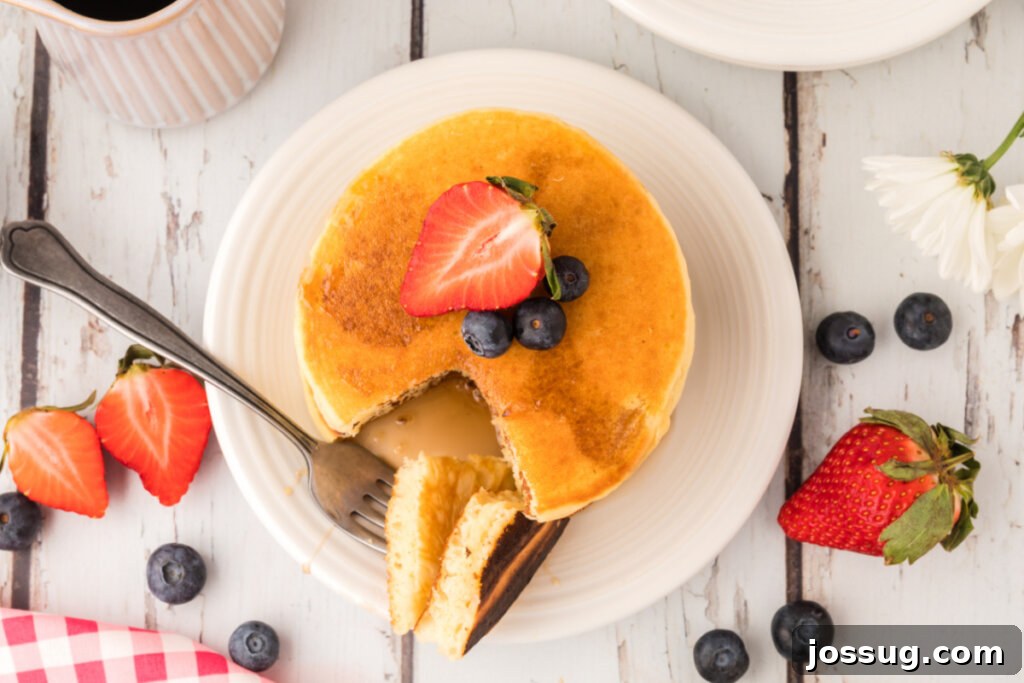
The Buttermilk Pancakes Recipe
Get ready to whip up a batch of the best buttermilk pancakes you’ve ever tasted. This recipe is straightforward, yields consistently amazing results, and is perfect for any day of the week.
4.50 from 12 votes
Classic Fluffy Buttermilk Pancakes
By Jamie Sherman
What could be better than a plate of fluffy goodness in the morning?! Even I have to get behind some classic pancakes!
Equipment Needed
- Measuring cups and spoons
- Large mixing bowl
- Whisk or hand mixer
- Spatula
- Griddle or large non-stick skillet
Pancake Ingredients
- 1 large egg
- 1 cup all-purpose flour
- 1 cup buttermilk (or homemade substitute)
- 1 tablespoon granulated sugar
- 2 tablespoons vegetable oil (or other neutral oil)
- 1 teaspoon baking powder
- ½ teaspoon baking soda
- ¼ teaspoon salt
- Butter or shortening, for greasing the griddle
- Butter and/or maple syrup, for serving
Step-by-Step Instructions
- In a large mixing bowl, beat the egg with a hand mixer or whisk until it becomes light and fluffy. This step incorporates air, contributing to the pancakes’ fluffiness.
- Gradually add the all-purpose flour, buttermilk, granulated sugar, vegetable oil, baking powder, baking soda, and salt to the bowl with the beaten egg. Mix everything together just until the ingredients are combined and smooth. Be careful not to overmix the batter; a few small lumps are perfectly fine and often result in more tender pancakes. Overmixing can lead to tough pancakes.
- Heat your griddle or large non-stick skillet over medium heat, aiming for a temperature of approximately 375°F (190°C). To test if it’s ready, sprinkle a few drops of water on the surface – they should sizzle and evaporate quickly. If your griddle isn’t naturally non-stick, lightly grease it with a pat of butter or a little shortening before adding the batter.
- For each pancake, pour slightly less than 1/4-cup of the prepared batter onto the hot griddle. Give each pancake enough space to spread a little without touching its neighbors.
- Cook the pancakes for 2-3 minutes on the first side, or until you see bubbles forming around the edges and on the surface, and the edges look dry and slightly firm.
- Carefully slide your spatula under the pancake and flip it over to cook the second side. Continue cooking for another 1-2 minutes, or until the pancake is golden brown and cooked through. Repeat this process with the remaining batter.
- Serve your fluffy buttermilk pancakes immediately with your favorite toppings, such as butter, maple syrup, fresh berries, or whipped cream. Enjoy!
Chef’s Notes & Tips for Success
- Temperature Check: Always ensure your griddle is at the right temperature. Too cold, and pancakes won’t brown; too hot, and they’ll burn before cooking through. The water sizzle test is your best friend!
- Adjusting Thickness: If you prefer thinner, lacier pancakes, simply add 1-2 extra tablespoons of buttermilk to the batter. For thicker pancakes, you can slightly reduce the buttermilk by a tablespoon.
- Heat Variability: Remember that cooktops, pan materials, and the thickness of your pans can vary significantly. You might need to adjust your heat settings throughout the cooking process to maintain an even temperature and prevent burning or undercooking.
- Keeping Pancakes Warm: To keep pancakes warm without making them soggy, arrange them in a single layer on a wire rack placed over a baking sheet. Place the baking sheet in a 200°F (95°C) oven. Stacking them directly will trap steam and lead to a less desirable texture.
- Do Not Overmix: Overmixing develops the gluten in the flour, leading to tough, chewy pancakes rather than light and fluffy ones. Mix until just combined.
- Rest the Batter (Optional): While not strictly necessary for this quick recipe, letting the batter rest for 5-10 minutes after mixing can allow the flour to fully hydrate and the gluten to relax, sometimes resulting in an even more tender pancake.
Nutrition Information (Approximate per pancake)
- Serving: 1 pancake
- Calories: 107 kcal
- Carbohydrates: 13g
- Protein: 3g
- Fat: 5g
- Saturated Fat: 1g
- Polyunsaturated Fat: 2g
- Monounsaturated Fat: 1g
- Trans Fat: 0.02g
- Cholesterol: 24mg
- Sodium: 209mg
- Potassium: 59mg
- Fiber: 0.4g
- Sugar: 3g
- Vitamin A: 74 IU
- Calcium: 62mg
- Iron: 1mg
Please note: Nutrition information is an automatic calculation and should be used as an approximation only. Actual values may vary based on specific ingredients and preparation methods.
Other Delicious Breakfast Recipes You Might Enjoy
If you loved these buttermilk pancakes, you’re sure to find more favorites among our other breakfast creations. Expand your morning menu with these delightful options:
- BEST Homemade Buttermilk Biscuits
- Oatmeal Pancakes
- Cranberry Orange Pancakes
- Pumpkin Pancakes
- Buttermilk Doughnuts with Cherry Glaze
We hope you’ve enjoyed this journey into making the perfect buttermilk pancakes! We’d love to hear about your experience. Feel free to leave a comment below with your thoughts, tips, or any questions you might have. Happy cooking!