
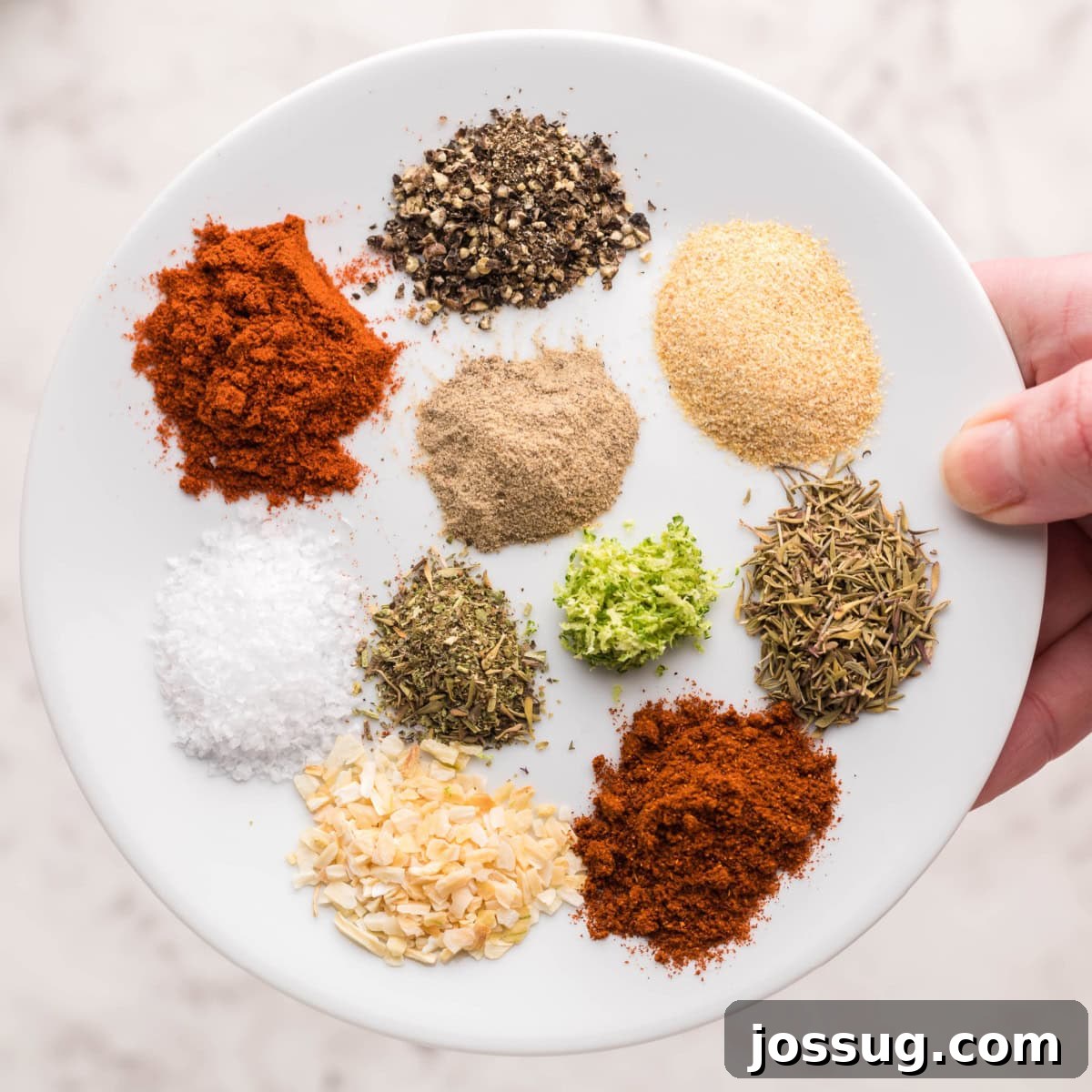
Elevate your home cooking to gourmet standards with our simple-to-master **Homemade Blackened Seasoning**. This vibrant, aromatic blend promises to transform everyday ingredients into extraordinary meals, perfect for giving fish, seafood, chicken, beef, and even vegetables that coveted restaurant-quality finish. Forget bland store-bought mixes; crafting your own allows for unparalleled freshness, flavor control, and the satisfaction of a truly personalized culinary experience.
Mastering Homemade Blackened Seasoning for Unforgettable Flavor
There’s an undeniable magic in creating your own spice blends. Beyond the sheer enjoyment of the process, it empowers you with complete control over the taste profile, the quality of ingredients, and the absence of unwanted additives often found in commercial products. Our belief is firm: homemade mixes consistently outshine their store-bought counterparts, delivering a freshness and depth of flavor that is simply unmatched. This Blackened Seasoning recipe is a prime example, offering a versatile foundation for countless delicious dishes.
What Exactly is Blackened Seasoning?
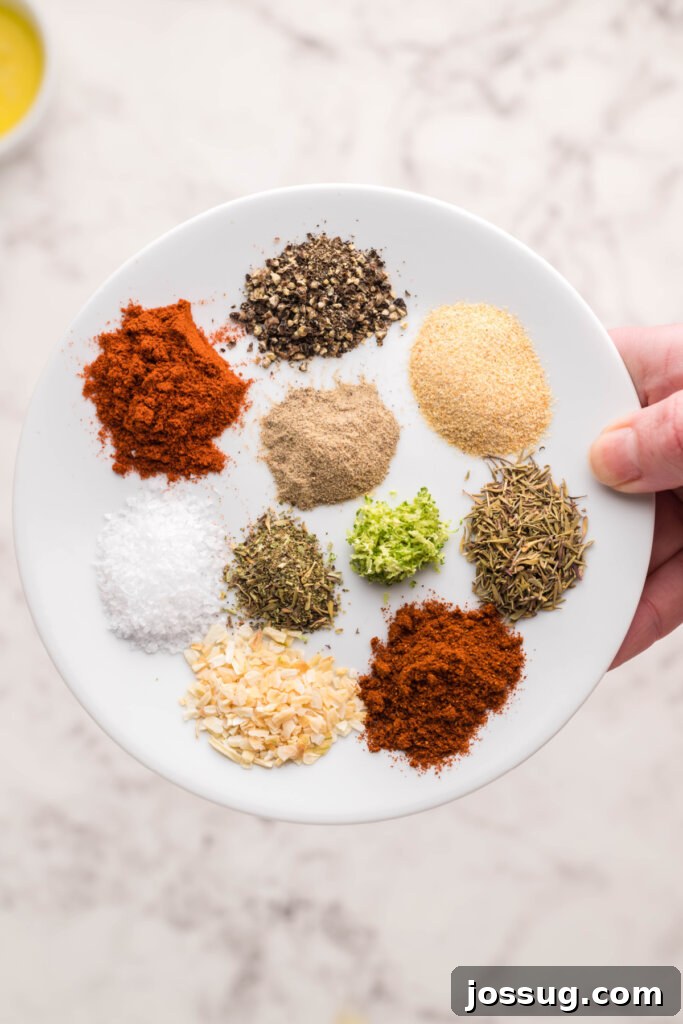
Blackened seasoning is more than just a spice mix; it’s the heart of a distinct cooking technique that originated in Louisiana, popularized by renowned chef Paul Prudhomme in the 1980s. At its core, it’s a robust blend of dried herbs and pungent spices designed to create an intense, savory crust when cooked at very high temperatures. While variations exist, classic blackened seasoning typically features a harmonious combination of ingredients such as chili powder (often ancho for a milder, smoky kick), paprika (smoked paprika is a favorite for added depth), garlic powder, onion powder or flakes, potent black pepper, earthy oregano, and fragrant thyme. The precise ratios and inclusion of other elements like white pepper or cayenne pepper are what give each blend its unique character.
This seasoning bears a close resemblance to its cousins, Cajun and Creole seasoning, sharing many common spices. However, blackened seasoning is often formulated to create a slightly darker, more intensely flavored crust, sometimes with less overall heat compared to traditional Cajun blends, though this is easily adjustable. For instance, while both use paprika, blackened seasoning often leans into smoked paprika more heavily for that rich, dark hue and flavor, whereas Cajun might prioritize a brighter, spicier kick from cayenne. The beauty of crafting your own blend lies in this flexibility: you can effortlessly customize the ratios of ingredients, adding more heat with extra cayenne or red pepper flakes, enhancing smokiness with additional smoked paprika, or brightening the profile with a hint of citrus zest.
Why Go Homemade with Your Spice Blends?
Opting for homemade spice blends, especially something as fundamental as blackened seasoning, offers a multitude of benefits that elevate your cooking, making every dish more flavorful and tailored to your preferences:
- Unmatched Freshness and Flavor: The most significant advantage. Pre-packaged spices can sit on shelves for extended periods, causing them to lose their vibrant aromas and potent flavors. By blending your own, you’re working with spices at their peak freshness, resulting in a significantly more aromatic and impactful seasoning that truly transforms your food. The difference between fresh and stale spices is night and day.
- Complete Control Over Ingredients: This is paramount for dietary needs and personal taste. You dictate every component that goes into your blend. Want to reduce sodium? No problem. Prefer organic spices? Easily done. Need to avoid anti-caking agents, artificial colors, or hidden sugars commonly found in commercial mixes? Homemade is the way to ensure a clean, pure seasoning.
- Cost-Effectiveness in the Long Run: While purchasing individual spices might seem like a larger upfront investment, it proves more economical over time. Buying spices in bulk and creating your own blends saves money compared to repeatedly buying smaller, more expensive pre-mixed packets from the grocery store.
- Customization to Your Palate: Your kitchen is your culinary laboratory. This recipe provides a superb foundation, but it’s designed to be a starting point for your creativity. Adjust the heat level with more or less chili powder or cayenne. Enhance the smoky notes with additional smoked paprika. Introduce a touch of unexpected brightness with a unique herb. Experiment until you discover the perfect signature blend that speaks to your taste buds.
- Reduced Risk of Allergens and Additives: For those with allergies or sensitivities, store-bought blends can be a minefield of unknown ingredients. Making your own eliminates this concern, giving you peace of mind that your seasoning is free from unwanted fillers, gluten, or other common allergens.
- The Joy of Creation: There’s a deep satisfaction that comes from creating something delicious from scratch. The act of mixing your own spices, smelling the evolving aromas, and knowing you’ve crafted the perfect blend for your next meal is a reward in itself.
The Art of Blackening: How to Use This Seasoning for the Perfect Crust
The term “blackening” refers to a specific, high-heat cooking method that yields a deeply flavorful, dark crust on food, rather than the seasoning itself being black. This technique, when executed correctly, locks in moisture and creates an unparalleled depth of flavor. Here’s a step-by-step guide to mastering this classic culinary art:
- Prepare Your Protein Meticulously: Begin by patting your chosen protein thoroughly dry with paper towels. Whether it’s delicate fish fillets (snapper, salmon, cod), robust chicken breasts or thighs, succulent shrimp, or thin cuts of steak, removing surface moisture is absolutely crucial. A dry surface allows for a superior crust formation and prevents steaming.
- The Essential Melted Butter Bath: This is the hallmark of true blackening. Dip each piece of food into a shallow bowl of melted unsalted butter, ensuring every surface is completely coated. The butter serves two vital functions: it acts as a sticky adhesive for the seasoning, ensuring an even, generous layer, and its milk solids brown beautifully in the hot pan, contributing significantly to the signature dark, rich “blackened” crust.
- Generously Dredge in Seasoning: After the butter bath, transfer the food to another shallow dish filled with your homemade blackened seasoning. Generously dredge each piece, pressing gently to ensure a thick, even layer of spices adheres to all sides. Do not be shy here; this substantial coating is where the intense flavor and distinctive crust truly develop.
- Achieve Extreme Pan Heat: Place a heavy-bottomed pan, ideally a cast-iron skillet, over high heat. This is a non-negotiable step for authentic blackening. Allow the pan to preheat thoroughly until it is *extremely* hot – smoking hot, in fact. You should see a wisp of smoke rising from the pan before adding food. Good ventilation is absolutely key; open windows and turn on your range hood to manage the smoke that will be produced. While the butter on the food is often sufficient, a very small amount of high-smoke-point oil (like grapeseed or avocado) can be added to the pan if desired, but sparingly.
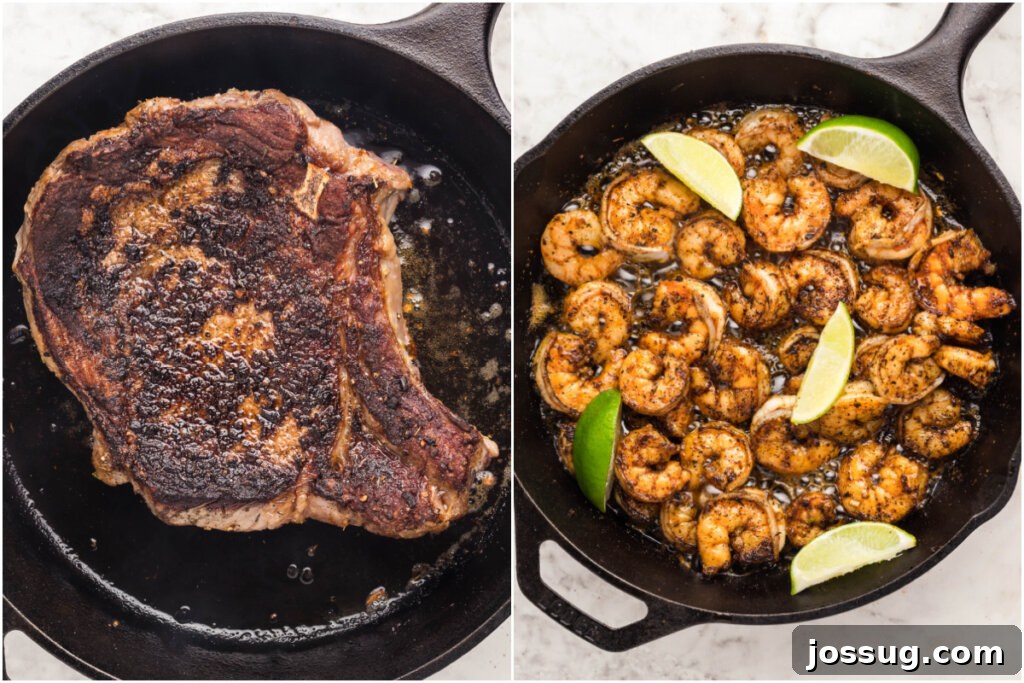
- Rapid Cooking for the Crust: Carefully place the heavily seasoned, butter-coated food into the screaming hot skillet. You will hear a fierce sizzle and observe significant smoke immediately – this is normal and desired. Cook for just 1-3 minutes per side, depending on the thickness of the protein. The goal is a quick, intense sear that forms a very dark, almost black, flavorful crust without overcooking the interior of the food. Avoid overcrowding the pan, as this lowers the temperature and can lead to steaming rather than blackening. Cook in batches if necessary.
- Finish Cooking (if required): For thicker cuts of meat or poultry, after achieving the desired crust on both sides, you may need to transfer the blackened food to a preheated oven (typically around 350-375°F or 175-190°C) to finish cooking through, ensuring the interior reaches a safe temperature without charring the exterior. For thinner fish fillets or shrimp, the high heat of the pan is usually sufficient to cook them through entirely.
The culmination of this method is a dish featuring a tender, succulent interior wonderfully encased in a robust, smoky, slightly spicy, and incredibly savory crust. This technique is particularly transformative for delicate fish, where the intense crust seals in moisture and adds a complex layer of flavor that’s hard to beat.
Beyond the Pan: Versatile Uses for Blackened Seasoning
While the traditional blackening technique is legendary and yields spectacular results, your homemade seasoning blend is incredibly versatile and can be used in numerous other creative ways to infuse your dishes with its bold, complex flavors. Don’t limit its potential to just high-heat searing!
- As a Dynamic Dry Rub: Apply generously as a dry rub for grilling, smoking, or roasting various proteins such as chicken (whole, pieces, or wings), pork chops, pork tenderloin, or even slow-cooked ribs. For maximum flavor penetration, rub the seasoning onto the meat at least 30 minutes before cooking, or ideally, allow it to marinate in the refrigerator overnight.
- Flavorful Marinades: Combine your blackened seasoning with a base of olive oil, a splash of vinegar (like apple cider or white wine vinegar), a squeeze of fresh lemon juice, and a little minced garlic. This creates a zesty and potent marinade that tenderizes and flavors any protein or hearty vegetables before grilling or baking.
- Roasted Vegetable Enhancer: Transform ordinary side dishes into extraordinary ones. Toss root vegetables like potatoes, carrots, or sweet potatoes, or cruciferous vegetables like broccoli, cauliflower, or Brussels sprouts, with a drizzle of olive oil and a generous sprinkle of blackened seasoning before roasting until tender and caramelized.
- Boost for Soups and Stews: Stir a teaspoon or two of this blend into your favorite hearty dishes like chili, gumbo, jambalaya, a rich lentil soup, or even a simple vegetable stock. It adds a layer of complex, smoky heat and savory depth that will make your stews truly shine.
- Elevate Everyday Eggs: For an unexpected and delightful kick to your morning routine, sprinkle a pinch of blackened seasoning onto scrambled eggs, omelets, fried eggs, or breakfast potatoes. It’s a fantastic way to add savory excitement.
- Gourmet Popcorn Seasoning: Forget plain salt! For a uniquely savory and slightly spicy snack, lightly drizzle freshly popped popcorn with melted butter or olive oil, then toss generously with your homemade blackened seasoning. It’s an addictive alternative to traditional popcorn flavors.
- Creamy Dips and Sauces: Incorporate a small amount of the seasoning into sour cream, Greek yogurt, mayonnaise, or avocado crema to create an instant, flavorful dipping sauce for French fries, sweet potato fries, crispy chips, or as a vibrant accompaniment to grilled meats and vegetables.
Blackened Seasoning Frequently Asked Questions
Our recipe for blackened seasoning is designed to be very “spicy” in terms of robust flavor and aromatic intensity, but it’s not inherently overwhelmingly hot. It delivers a rich, complex taste with a pleasant warmth rather than intense fiery heat that might overpower other flavors. If you enjoy more significant heat, you can easily customize this recipe by increasing the amount of ancho chili powder, adding a pinch of cayenne pepper, or a dash of your favorite hot pepper flakes. Conversely, for a milder blend, simply reduce the chili powder quantity and ensure your black pepper is freshly ground for optimal aroma rather than excessive heat.
When stored properly in a tightly sealed, airtight container in a cool, dark, and dry place (such as a pantry cabinet away from direct sunlight, heat sources, and humidity), this homemade spice mix can maintain its peak potency and vibrant flavor for up to 1 year. While it won’t necessarily “spoil” or “go bad” after a year, its aromatic qualities, color, and intensity will gradually diminish over time. For the best culinary results, we recommend using it within 6-9 months and always checking for a fresh, appealing aroma before use.
While both blackening and searing involve cooking food at high temperatures to create a crust, they are distinct techniques with different outcomes. Searing typically aims for a beautiful golden-brown crust, often achieved with less oil and without a heavy spice dredge. Blackening, on the other hand, specifically involves coating the food generously in a special, richly flavored seasoning blend and melted butter, then cooking it in an *extremely* hot cast-iron skillet until a very dark, almost black crust forms. This crust is intensely flavored by the spices and the caramelized milk solids from the butter, making blackening a more aggressive, flavor-intensive, and visually dramatic searing method.
Absolutely! While the suggested ingredients create a balanced and authentic flavor profile, you can certainly make substitutions based on what you have on hand or your personal preferences. For ancho chili powder, a regular chili powder blend or even a mix of sweet smoked paprika and a tiny pinch of cayenne pepper can work as a substitute, though the flavor will be slightly different. If you don’t have dried minced onion, onion powder is a fine substitute (use about half the amount as it’s more concentrated). Feel free to adjust herb ratios or even omit one if necessary, keeping in mind that any substitution will subtly alter the final taste profile. The key is to experiment and find what you love, making the recipe truly your own!
Yes, this homemade Blackened Seasoning recipe, when prepared with pure, single-ingredient spices, is naturally gluten-free. Most individual dried herbs and spices are inherently gluten-free. However, if you’re concerned about cross-contamination or buying pre-ground spices from a source that also processes gluten-containing ingredients, always check the labels of your individual spices to ensure they are certified gluten-free. When making it yourself, you control every ingredient, making it a safe option for those avoiding gluten.
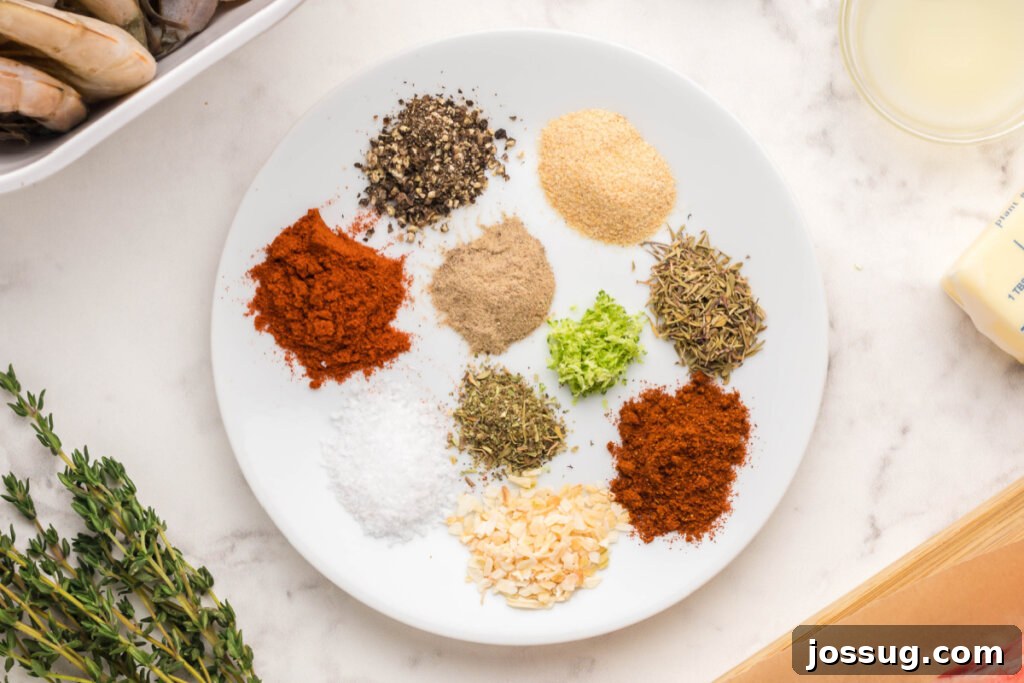
Expert Tips for Your Homemade Blackened Seasoning
- Pairing Perfection: This spice mixture is a perfect match for our Blackened Steak and Shrimp with Citrus Butter Recipe. The bright, zesty citrus butter beautifully complements the bold, savory, and smoky flavors of the seasoning, creating a truly unforgettable and restaurant-worthy dining experience. It’s a must-try for any fan of this cooking style!
- Thoughtful Homemade Gift Idea: Consider making a larger batch of this seasoning and packaging it in charming small jars with custom, hand-written labels. It makes a wonderful, unique, and thoughtful homemade gift for any food enthusiast, especially when paired with other DIY spice blends or a personalized recipe card for inspiration.
- Scale with Ease for Any Need: The recipe provided is easily scalable to meet your specific needs. Feel free to double, triple, or even quadruple the ingredients to create a larger batch for frequent use in your kitchen, for meal prepping, or for creating those lovely homemade gifts. Just ensure you maintain the same ingredient ratios for consistent and balanced flavor every time.
- Lime Zest for Freshness (and Storage Consideration): While fresh lime zest adds a beautiful bright, citrusy note and a touch of aromatic complexity to the seasoning, it introduces moisture. If you plan to make a large batch to store for an extended period (more than a few weeks), it’s best to omit the lime zest from the dry mix. Instead, add fresh lime zest just before you use the seasoning in your cooking. This approach prevents clumping and helps maintain the seasoning’s dry consistency and freshness over time.
- Adjusting the Heat Level: Our base recipe provides a balanced, flavorful warmth. However, you are the chef! If you desire a spicier kick, start by adding an extra ¼ to ½ teaspoon of cayenne pepper to the blend. Mix well and taste a tiny pinch (carefully!) to assess the heat, then adjust further according to your personal preference. Remember, you can always add more, but you can’t take it away!
Approximately 6 tablespoons
of seasoning
Easy Homemade Blackened Seasoning
Jamie Sherman
10
10
Print Recipe
Equipment
-
Mixing Bowl
-
Whisk
-
Measuring Cups and Spoons
-
Airtight Jar or Container for Storage
Ingredients
- 1 teaspoon garlic powder (for a pungent, savory base)
- 1 teaspoon sea salt (essential for enhancing all flavors)
- ½ teaspoon smoked paprika (adds deep color and smoky undertones)
- ½ teaspoon dried minced onion (provides savory onion flavor, a good alternative to powder)
- ½ teaspoon ancho chili powder (for mild heat and a fruity, earthy warmth)
- ½ teaspoon white pepper (contributes a subtle, distinct heat)
- ½ teaspoon ground black pepper (for classic peppery spice and aroma)
- ½ teaspoon dried thyme (brings earthy, minty notes)
- ½ teaspoon dried oregano (adds a robust, slightly bitter aromatic touch)
- 1 teaspoon lime zest, optional, use fresh just before cooking for best results, omit for long-term storage
- Optional: ¼ – ½ teaspoon cayenne pepper (for extra heat, adjust to taste)
Instructions
-
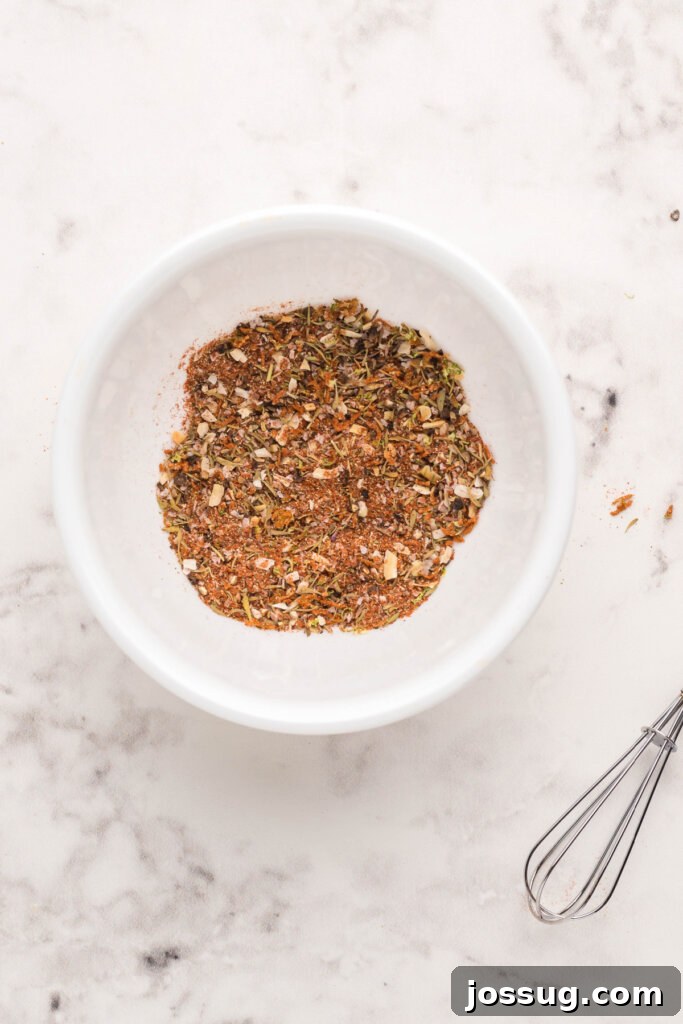
In a small, clean mixing bowl, combine all the dry ingredients: garlic powder, sea salt, smoked paprika, dried minced onion, ancho chili powder, white pepper, ground black pepper, dried thyme, and dried oregano. If using, also add the fresh lime zest at this stage, but note it’s best to add zest fresh right before using the seasoning for optimal flavor and to avoid moisture if storing long-term.
-
Whisk all ingredients together thoroughly for about 1-2 minutes until well combined and there are no clumps. Ensure all the spices are evenly distributed throughout the blend for consistent flavor in every dish.
-
Transfer the freshly mixed blackened seasoning to a clean, airtight jar or container. Label it with the date. Store in a cool, dark pantry or cupboard away from direct sunlight, heat, and humidity to maintain its potency and freshness.
-
Your homemade blackened seasoning is now ready to use! Refer to the “Art of Blackening” technique described earlier in this article for the best results when preparing fish, chicken, beef, or seafood, or experiment with its versatility in other dishes.
Notes
- Serving Suggestion: This seasoning pairs exceptionally well with our Blackened Steak and Shrimp with Citrus Butter Recipe. Give it a try for an unforgettable meal!
- Thoughtful Gift: This homemade seasoning blend makes a fantastic, unique gift for any food lover. Package it in a nice jar with a decorative label for a personal touch.
- Batch Size: This recipe is easily adjustable. Feel free to double or triple the quantities to make a larger batch for extended use or gifting purposes.
- Lime Zest Note: If you’re preparing this seasoning for long-term storage, it is recommended to omit the lime zest from the blend. Add fresh lime zest just before you’re ready to use the seasoning to maintain its dry consistency and preserve freshness.
- Heat Adjustment: For those who prefer a spicier blend, consider adding ¼ to ½ teaspoon of cayenne pepper to the mix, or adjust to your personal preference until it reaches your desired level of heat.
Nutrition Information (per 1 tbsp serving of seasoning)
Calories:
34
kcal
,
Carbohydrates:
8
g
,
Protein:
1
g
,
Fat:
0.4
g
,
Saturated Fat:
0.1
g
,
Polyunsaturated Fat:
0.2
g
,
Monounsaturated Fat:
0.1
g
,
Sodium:
2346
mg
,
Potassium:
151
mg
,
Fiber:
2
g
,
Sugar:
1
g
,
Vitamin A:
832
IU
,
Vitamin C:
3
mg
,
Calcium:
49
mg
,
Iron:
2
mg
Nutrition information is automatically calculated and is provided for informational purposes only. It should be considered an approximation. The actual nutritional value may vary based on specific ingredients and preparation methods.
Other Flavorful Recipes You May Enjoy
If you loved creating your own Blackened Seasoning, you’ll be excited to explore more recipes that complement its bold flavors or allow you to expand your homemade spice collection. Here are some suggestions to keep your culinary adventures exciting:
- Homemade Taco Seasoning: Just like blackened seasoning, making your own taco blend guarantees superior freshness and customization. Master this versatile mix for all your Tex-Mex favorites, from tacos and burritos to seasoned ground meat.
- Quick and Easy Cajun Shrimp: This recipe is a fantastic way to utilize your new homemade blackened seasoning, or a traditional Cajun blend, to create a speedy, flavorful, and incredibly satisfying shrimp dish. Perfect for a weeknight meal.
- Classic Fried Fish Recipe: While different from blackening, this recipe offers another delicious preparation method for seafood. Pair it with a side of coleslaw and hushpuppies for a comforting, Southern-inspired meal.
- Authentic Jambalaya: Dive deeper into classic Louisiana cuisine with this hearty, one-pot dish. Our homemade blackened seasoning can be adapted to lend a unique depth to this iconic rice and meat (or seafood) stew.
- Crispy Fish Nuggets: A family-friendly seafood option that’s always a hit! These nuggets benefit immensely from a good seasoning blend, and a touch of your homemade blackened spice can elevate them beyond the ordinary.
Loved this recipe? Share your thoughts below!