
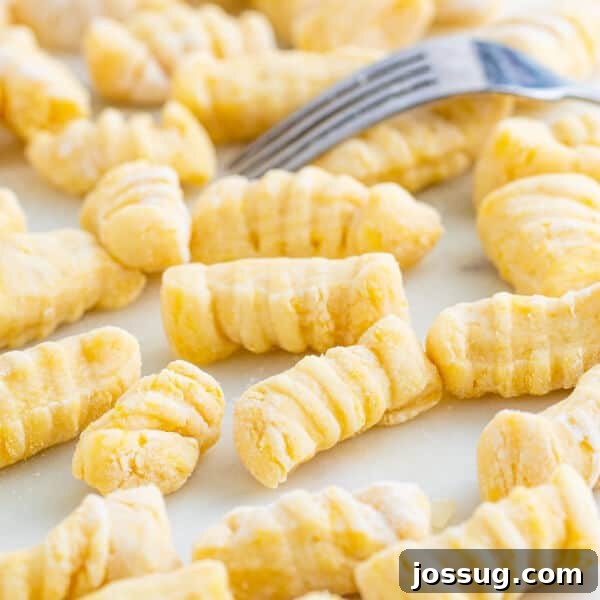
There’s nothing quite like sinking your teeth into a light, pillowy homemade potato gnocchi, tender to the bite and coated in a rich, savory sauce. This beloved Italian potato dumpling, often intimidating to novice cooks, is surprisingly simple to master in your own kitchen. Forget the dense, rubbery store-bought versions; making gnocchi from scratch offers an unparalleled freshness and delicate texture that will elevate any Italian meal to a gourmet experience. This comprehensive guide will walk you through every step, ensuring your homemade gnocchi are a resounding success, ready to be enjoyed in countless delicious ways.
The Art of Homemade Potato Gnocchi
Gnocchi, pronounced “NYOH-kee,” are small, soft dough dumplings typically made from potatoes, flour, and egg. They are a staple of Italian cuisine, cherished for their versatility and comforting nature. While they might appear complicated, the process is quite straightforward and incredibly rewarding. The beauty of homemade gnocchi lies in its superior taste and texture compared to its mass-produced counterparts. When made fresh, gnocchi are melt-in-your-mouth tender, absorbing the flavors of your chosen sauce beautifully. Moreover, the simple act of creating these delightful dumplings can be a wonderfully therapeutic kitchen activity.
Why Homemade Gnocchi Is Always Best
Many home cooks might shy away from making pasta or dumplings from scratch, opting for the convenience of store-bought alternatives. However, gnocchi is one of those dishes where the difference between homemade and store-bought is monumental. Commercial gnocchi often contain more flour to ensure shelf stability, resulting in a denser, chewier, and sometimes even gummy texture. Homemade gnocchi, on the other hand, prioritizes a delicate balance of ingredients, resulting in light, airy pillows that practically dissolve in your mouth. You control the quality of the potatoes, the amount of flour, and the freshness of the egg, all contributing to a superior product that tastes truly authentic. Plus, there’s immense satisfaction in preparing a dish from scratch that is so deeply rooted in culinary tradition.
Mastering the Gnocchi Grooves: An Optional but Recommended Step
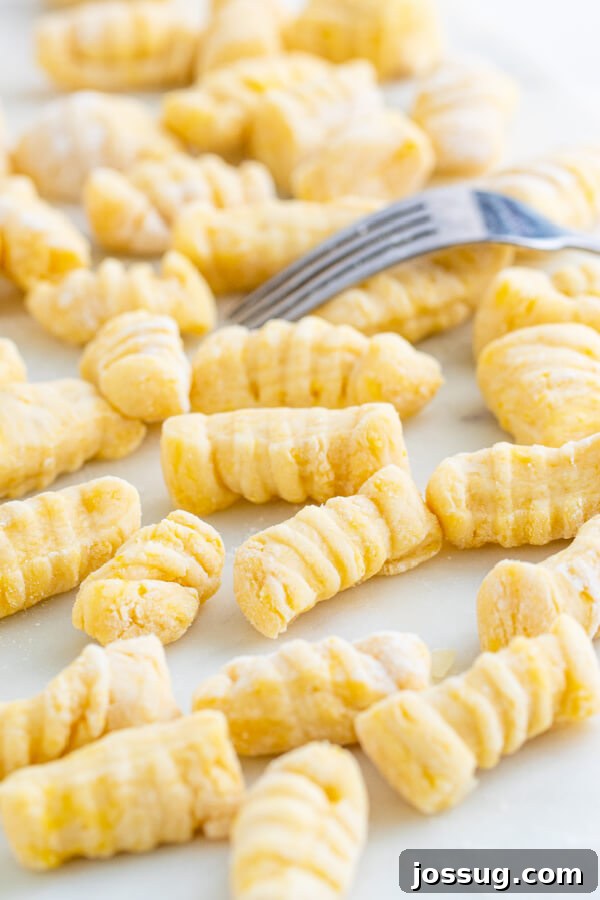
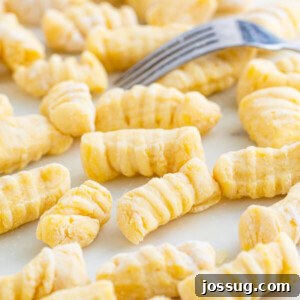
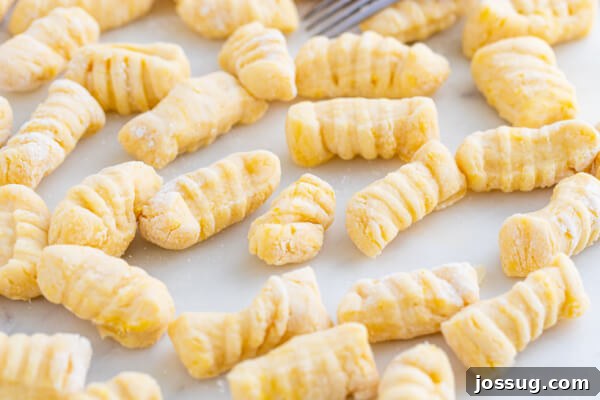
You’ll notice that many traditional gnocchi recipes call for shaping them with grooves. These ridges, typically made by rolling each piece against the tines of a fork or a gnocchi board, aren’t just for aesthetics. They serve a functional purpose: to create little pockets and surfaces that better capture and hold your delicious sauces. Imagine a tiny scoop for marinara, pesto, or brown butter! While this step is entirely optional – your gnocchi will taste fantastic even without them – it adds a delightful textural element and enhances the overall dining experience. If you have a few extra moments and enjoy the tactile process of cooking, we highly recommend taking the time to create these charming grooves. It transforms each dumpling into a miniature canvas for flavor, ensuring every bite is perfectly coated.
Storing and Freezing Your Homemade Gnocchi: Prep Ahead and Enjoy Later
One of the many benefits of making gnocchi from scratch is the ability to prepare a batch ahead of time. This makes it a fantastic option for meal prepping or entertaining, allowing you to enjoy fresh-tasting gnocchi whenever the craving strikes without the immediate rush. Proper storage is key to maintaining their delicate texture and preventing them from sticking together. Whether you plan to use them within a day or several weeks, there’s a perfect method for preserving your culinary creations.
How to Store Fresh Gnocchi
If you’re not planning to cook your gnocchi immediately, you have a couple of options for short-term storage. For use within a couple of hours, lightly dust the uncooked gnocchi with a thin layer of flour to prevent sticking, then arrange them on a baking sheet or clean surface. Cover them with a light tea towel to keep them from drying out and store them at room temperature for up to 2 hours. This brief resting period can actually help them firm up slightly, making them easier to handle.
For longer storage, homemade gnocchi can be refrigerated for 1 to 2 days. The key here is to prevent moisture absorption and sticking. First, lightly dust each piece of gnocchi with flour, ensuring an even coating. Then, spread them out in a single layer on a baking sheet, making sure no pieces are touching. This spacing is crucial to prevent them from clumping into a single, unmanageable mass. Once arranged, cover the baking sheet thoroughly with plastic wrap. This not only keeps them from drying out but also protects them from absorbing any unwanted odors from other items in your refrigerator. When you’re ready to cook, simply remove them from the fridge and drop them into boiling water as usual.
How to Freeze Homemade Gnocchi for Long-Term Freshness
Freezing gnocchi is an excellent way to extend its shelf life, allowing you to enjoy homemade goodness for up to two months. The freezing process needs to be done correctly to maintain their individual shapes and prevent them from turning into a frozen lump. Start by lightly dusting the uncooked gnocchi with flour, just as you would for refrigeration. Arrange them in a single layer on a baking sheet, ensuring plenty of space between each dumpling. Place the baking sheet flat in your freezer for approximately 3 hours, or until the gnocchi are completely frozen solid. This “flash freezing” step prevents them from sticking together when stored in bulk.
Once frozen solid, transfer the gnocchi to resealable freezer bags. Remove as much air as possible before sealing the bags tightly to prevent freezer burn. Label the bags with the date for easy tracking. When you’re ready to use your frozen gnocchi, there’s a golden rule: do not thaw them! Thawing can make them mushy and difficult to handle. Instead, add them directly from the freezer into a pot of boiling water. You may need to allow a little bit of extra cooking time compared to fresh gnocchi, but they will still cook up beautifully, maintaining their delightful texture.
Versatile Ways to Serve Your Potato Gnocchi: Beyond the Basics
The beauty of homemade potato gnocchi lies not only in its delightful texture but also in its incredible versatility. These tender dumplings are a blank canvas, ready to soak up the flavors of a myriad of sauces and preparations. While a classic marinara is always a crowd-pleaser, don’t limit yourself to the ordinary. Explore these creative and delicious ways to serve your freshly made gnocchi:
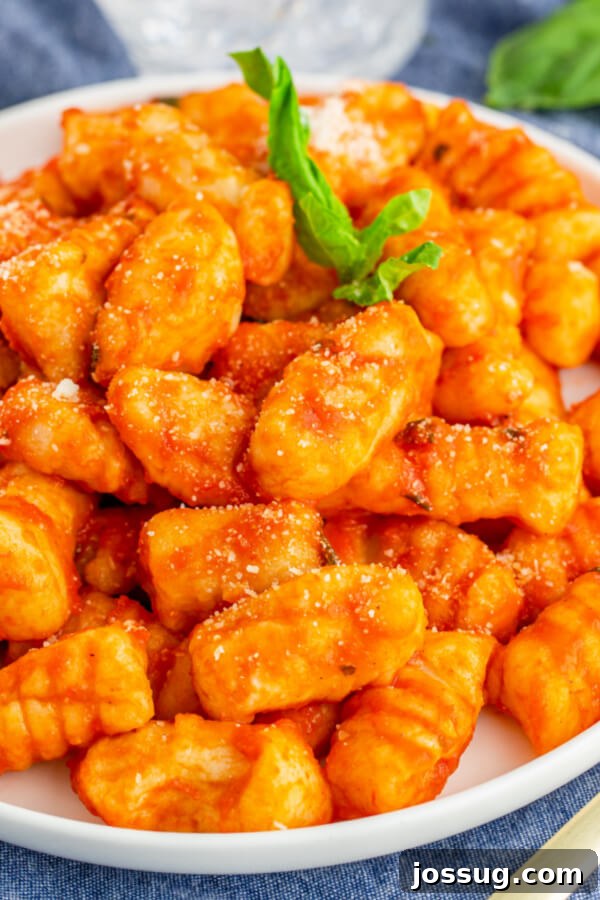
- Classic Marinara: A rich, slow-simmered tomato sauce is a timeless pairing. The acidity of the tomatoes and the herbal notes perfectly complement the earthy potatoes. Garnish with fresh basil and a generous dusting of Parmesan cheese.
- Pesto Cream Sauce: For a vibrant and luxurious option, toss your gnocchi in a creamy pesto sauce. The nutty, herbaceous notes of basil pesto combined with rich cream create an irresistible coating that clings beautifully to the gnocchi’s delicate ridges. Try this delightful pesto cream sauce recipe.
- Browned Butter and Sage: This simple yet elegant preparation truly highlights the gnocchi itself. Browned butter (beurre noisette) offers a nutty, deep flavor, while fresh sage leaves infuse an aromatic warmth. The simplicity allows the gnocchi’s texture and potato flavor to shine.
- Creamy Chicken and Mushroom Sauce: For a hearty and comforting meal, serve gnocchi with a decadent sauce featuring tender chicken pieces, earthy mushrooms, and a rich cream base. This is a wonderfully satisfying dish that feels both gourmet and homey.
- In Casseroles: Gnocchi can be a fantastic, unexpected substitute for pasta in baked dishes. Its soft texture provides a lovely contrast to baked toppings and cheesy goodness. Explore using them in a delicious gnocchi and meatball bake.
- Dropped in Soup: For a touch of Italian comfort, add gnocchi to your favorite soups and stews. They cook quickly and absorb the broth’s flavors, adding substance and tenderness. Imagine them in a hearty vegetable soup or a creamy chicken broth. This pesto chicken and gnocchi soup is a must-try!
- Skillet Fried: For a delightful textural contrast, try pan-frying cooked gnocchi until golden and slightly crispy. This method adds a wonderful chewiness and a beautiful exterior. Serve them with a light sauce or simply seasoned. Crispy pesto gnocchi with tomatoes offers a fantastic skillet-fried option.
Each of these options offers a unique culinary experience, proving that homemade potato gnocchi is not just a side dish but a star player capable of transforming any meal.
Frequently Asked Questions About Homemade Gnocchi
Even with an easy recipe, some common questions often arise when venturing into the world of homemade gnocchi. Addressing these can help ensure your success and build your confidence in the kitchen.
Is Potato Gnocchi Gluten-Free?
The traditional recipe for potato gnocchi, including the one presented here, uses all-purpose wheat flour, which contains gluten. Therefore, this specific recipe is not gluten-free. While it is possible to make gluten-free gnocchi using alternative flours such as rice flour, potato flour, or a gluten-free all-purpose blend, adapting the recipe requires careful experimentation. Gluten plays a crucial role in providing structure and elasticity to the dough, and substituting it can significantly alter the texture of the gnocchi, sometimes making them more fragile or dense. I have not personally experimented with gluten-free flours for this particular recipe, so I cannot provide specific guidance on successful substitutions. For best results with gluten-free gnocchi, it’s often recommended to seek out recipes specifically developed and tested with gluten-free ingredients.
Why Did My Gnocchi Fall Apart?
Having your gnocchi disintegrate in the boiling water can be disheartening, but it’s a common issue with easily identifiable causes. Usually, gnocchi fall apart due to one of two main reasons:
- Overcooked Potatoes or Too Much Moisture: The key to light gnocchi is using starchy potatoes (like Russets) that have been cooked until tender but not waterlogged. If the potatoes absorb too much water during boiling, the dough will be excessively wet, requiring more flour to bind it. Too much flour leads to tough gnocchi, and still, the high moisture content can make them unstable in hot water. Ensure your potatoes are thoroughly drained and mashed while still hot to allow moisture to evaporate.
- Insufficiently Combined Dough or Too Little Flour: Conversely, if the dough isn’t kneaded enough to properly combine the ingredients, or if too little flour is added, the gnocchi might lack the structural integrity needed to hold together during cooking. The flour and egg are essential binders. However, the goal is a soft, pliable dough – overworking it can develop the gluten too much, resulting in a rubbery texture. It’s a delicate balance: enough flour for cohesion, but not so much that the gnocchi become tough or heavy. Always aim for the minimum amount of flour necessary.
Other factors, such as potatoes with low starch content or incorrect boiling temperatures, can also contribute. Practice and careful attention to the dough’s consistency are your best allies.
Choosing the Right Potatoes for Gnocchi
The type of potato you use significantly impacts the final texture of your gnocchi. For the lightest, most tender gnocchi, starchy potatoes are your best friend. Russet potatoes, also known as Idaho potatoes, are universally considered the perfect choice for this task. Their high starch content and low moisture content mean they absorb less water during cooking and require less flour to form a cohesive dough. This results in gnocchi that are wonderfully light and fluffy. Waxy potatoes, like red or new potatoes, contain more moisture and less starch, which would necessitate adding more flour, leading to a denser, heavier, and potentially gummy gnocchi. Always opt for Russets for authentic, melt-in-your-mouth results.
The Perfect Homemade Potato Gnocchi Recipe
Homemade Potato Gnocchi
By Jamie Sherman
Homemade Potato Gnocchi – an Italian potato dumpling that is easy to make at home and tastes great in your favorite Italian recipes!
Prep Time: 15 mins
Cook Time: 20 mins
Total Time: 35 mins
Servings: 4 servings
Rating: 4.26 out of 5 stars (based on 63 votes)
Equipment
- Spider Strainer
- 12-Quart Classic Stainless Steel Stockpot with Lid
- Cutting Board
- Knife
- Mixing Bowl
- Measuring Cups and Spoons
- Potato Masher (or a potato ricer for even lighter gnocchi)
- Pot and Pan Set
Ingredients
- 2 medium Russet potatoes, peeled (approx. 1 lb / 450g)
- 2 cups all-purpose flour (approximately, you may need slightly less or more)
- 1 large egg, slightly beaten
- Pinch of salt
- Extra flour for dusting
Instructions
- Cook and Mash the Potatoes: Place the peeled potatoes in a medium saucepan. Cover them with cold water, ensuring the water level is about an inch above the potatoes. Bring the water to a rolling boil over high heat, then reduce heat slightly and cook until the potatoes are fork-tender but still firm, approximately 15 minutes. It’s crucial not to overcook them to avoid waterlogging. Drain the water thoroughly and immediately mash the hot potatoes with a potato masher or, for a finer texture, pass them through a potato ricer. Allow them to cool slightly to let excess steam escape, but work while they are still warm.
- Prepare the Dough and Form the Gnocchi: Measure out 1 cup of the mashed potatoes into a medium bowl. If you have remaining mashed potatoes, reserve them for another use or discard. Add the all-purpose flour, the slightly beaten egg, and a pinch of salt to the bowl with the mashed potatoes. Gently knead the mixture by hand until it just comes together to form a cohesive ball. Be careful not to overwork the dough, as this can develop the gluten in the flour and result in tough gnocchi. The dough should be soft, pliable, and slightly tacky but not sticky.
- Shape the Gnocchi: Divide the dough ball into 4 equal portions. On a lightly floured surface, roll each portion into a long “snake” or rope, about ½-inch to ¾-inch in diameter. Use gentle, even pressure. Once rolled, cut each rope into ½-inch to ¾-inch pieces. For the traditional gnocchi grooves (which help hold sauce), gently roll each piece down the back of a fork’s tines, applying light pressure with your thumb to create the characteristic ridges. Alternatively, you can use a gnocchi board.
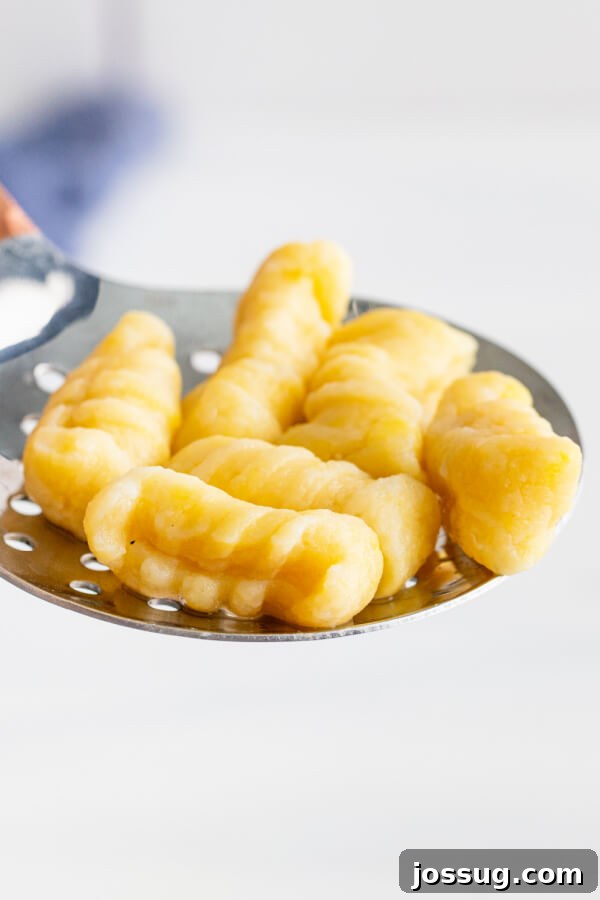
- Cook the Gnocchi: Bring a large pot of heavily salted water to a rolling boil. Carefully drop the gnocchi into the boiling water in batches, ensuring not to overcrowd the pot. Cook the gnocchi until they float to the surface, which typically takes about 3-5 minutes. Once they float, let them cook for another 30 seconds to a minute to ensure they are fully cooked through.
- Drain and Serve: Use a slotted spoon or a spider strainer to carefully remove the cooked gnocchi from the water. Allow any excess water to drain. Transfer the gnocchi directly into your warmed favorite marinara sauce, pesto, browned butter with sage, or any Italian recipe of your choice. Toss gently to coat and serve immediately.
Recipe Notes & Expert Tips
- Potato Choice Matters: For the best results, always use starchy potatoes like Russets (Idaho potatoes). Their low moisture and high starch content lead to light, fluffy gnocchi that require less flour.
- Don’t Overdo the Flour: Flour is essential for structure, but too much will make your gnocchi tough and heavy. Start with the recommended amount and add only a little more if your dough is excessively sticky. The dough should be soft and slightly tacky.
- Gentle Handling: When rolling the dough and shaping the gnocchi, be gentle. Heavy-handed kneading or rolling will overdevelop the gluten, resulting in dense, chewy dumplings rather than light, tender ones.
- Work While Warm: Mash the potatoes while they are still hot to allow moisture to evaporate. Incorporate the flour and egg while the potatoes are still warm (but not hot to the touch) for easier mixing and a smoother dough.
- Test Batch: If you’re unsure about your dough, cook one or two gnocchi in boiling water before cooking the entire batch. If they fall apart, knead a tiny bit more flour into the dough. If they are too firm, it might be due to too much flour or overworking.
- Serving Fresh: Gnocchi are best served immediately after cooking when they are at their freshest and most tender.
Nutrition (Approximate)
Calories: 327kcal, Carbohydrates: 66g, Protein: 10g, Fat: 2g, Saturated Fat: 1g, Polyunsaturated Fat: 1g, Monounsaturated Fat: 1g, Trans Fat: 0.01g, Cholesterol: 47mg, Sodium: 25mg, Potassium: 532mg, Fiber: 4g, Sugar: 1g, Vitamin A: 71IU, Vitamin C: 21mg, Calcium: 29mg, Iron: 4mg
Nutrition information is automatically calculated and should only be used as an approximation. Individual results may vary based on exact ingredients and preparation methods.
More Delicious Recipes You May Enjoy
If you loved making and enjoying this homemade potato gnocchi, you’ll surely want to explore other delightful recipes that either feature gnocchi or offer similar comforting Italian flavors. Here are some fantastic suggestions to expand your culinary repertoire:
- Pesto Chicken and Gnocchi Soup: A hearty and flavorful soup combining tender chicken, aromatic pesto, and soft gnocchi for a comforting meal.
- Gnocchi with Pesto Cream: Indulge in the rich and creamy goodness of gnocchi coated in a luscious pesto cream sauce.
- Gnocchi and Meatball Bake: A delightful casserole that pairs tender gnocchi with savory meatballs, baked in a rich tomato sauce with melted cheese.
- Crispy Pesto Gnocchi with Tomatoes, Black Olives, and Feta Cheese: For a fresh and vibrant twist, try pan-fried gnocchi with Mediterranean-inspired ingredients.
- Homemade Enchilada Sauce: While not Italian, this versatile sauce is perfect for exploring other homemade comfort foods.
Originally published on April 9, 2014. Updated on May 1, 2021.