
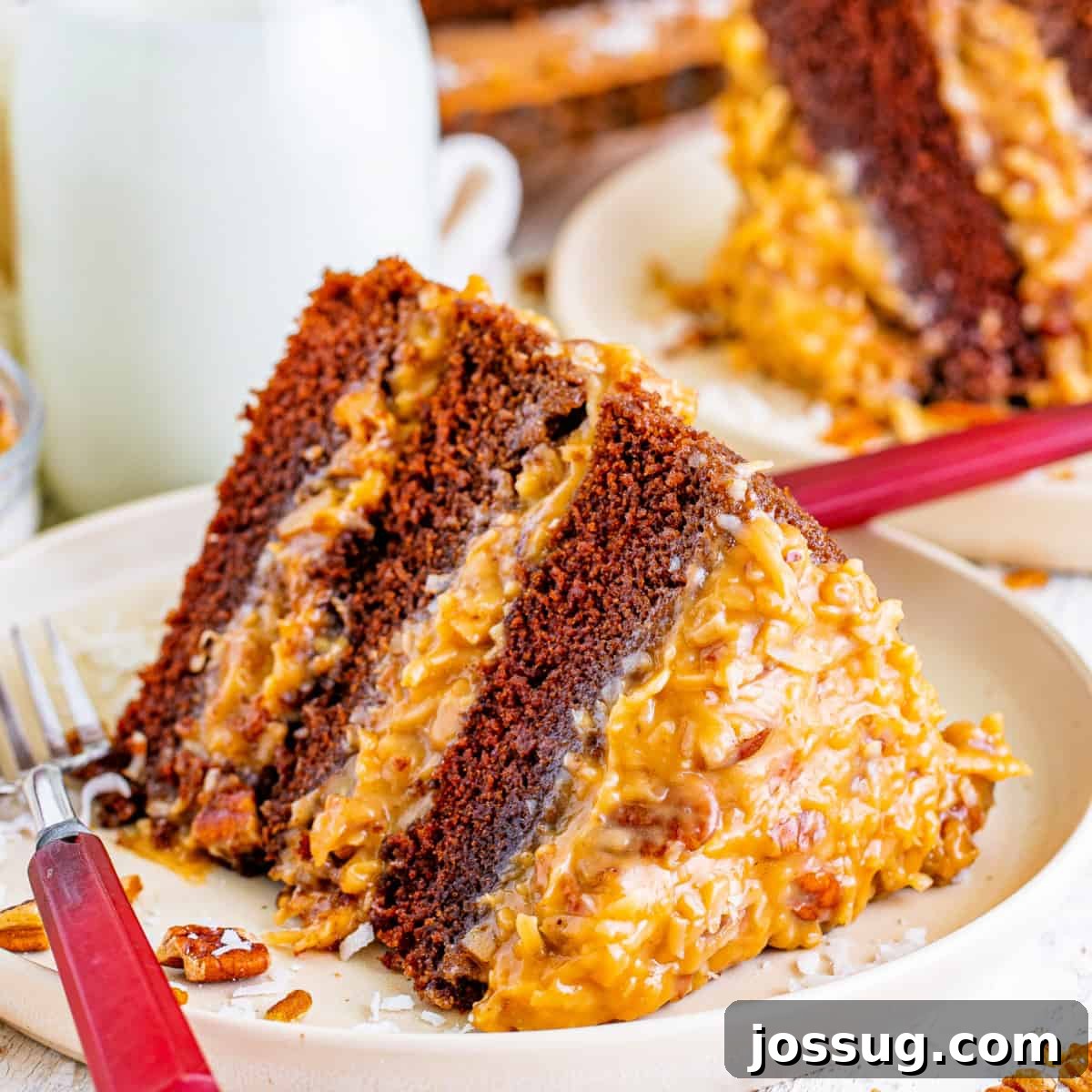
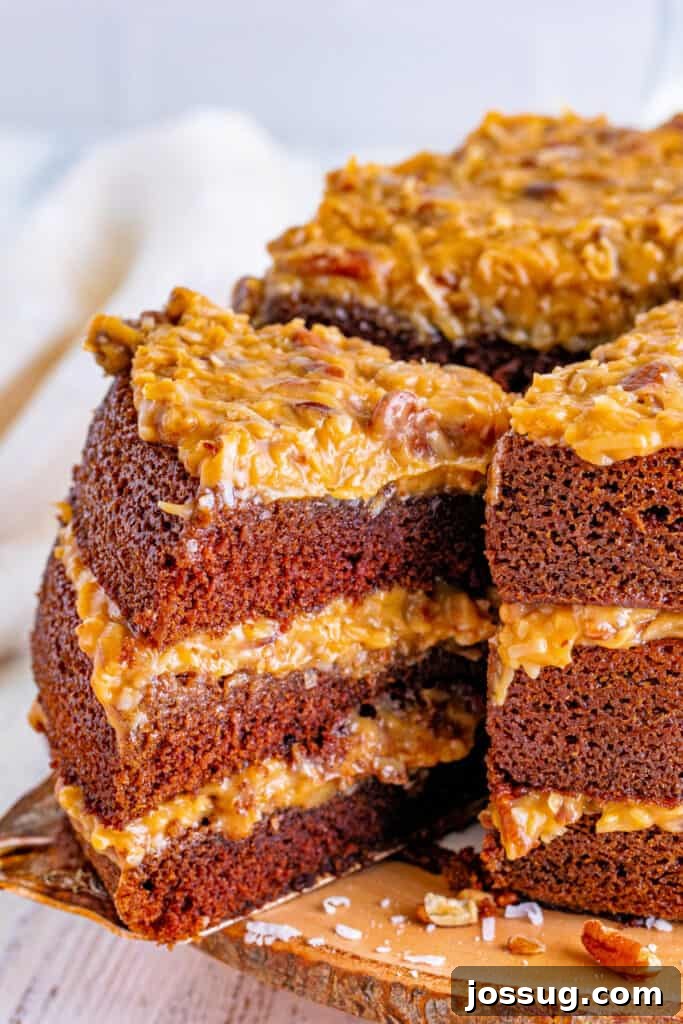
Prepare to delight your senses with a truly exceptional German Chocolate Cake. This timeless dessert offers an exquisite combination of moist, decadent chocolate layers perfectly complemented by a rich, dreamy coconut-pecan frosting. It’s a slice of pure heaven that promises to impress at any gathering or simply elevate your everyday sweet cravings.
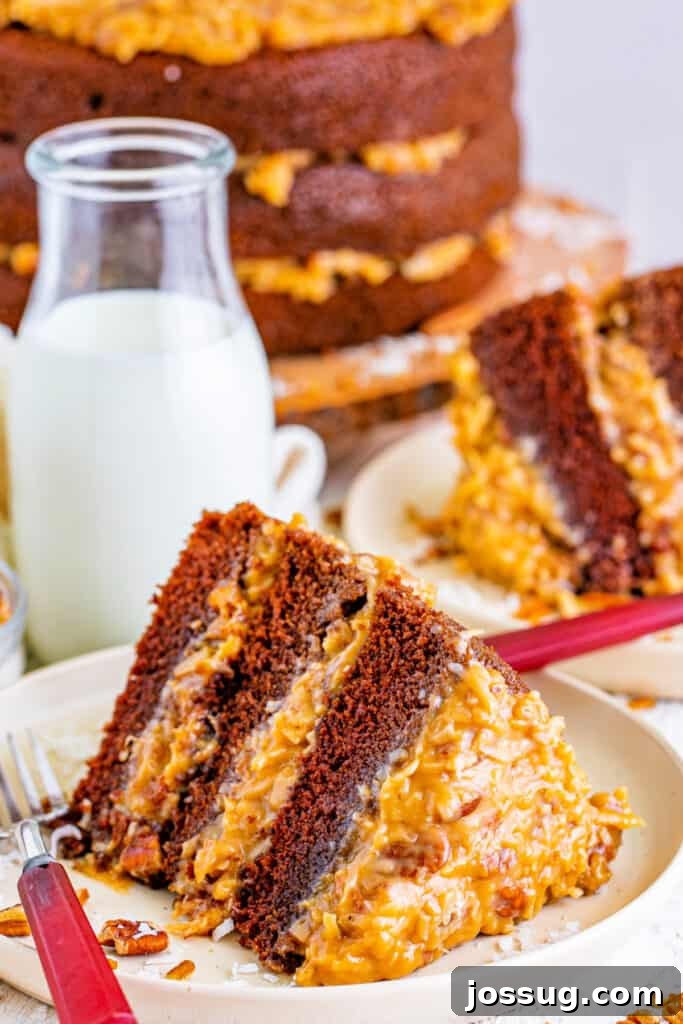
The Ultimate Guide to Baking a Homemade German Chocolate Cake
Are you searching for a German Chocolate Cake recipe that consistently delivers a moist, flavorful cake with that iconic, irresistible frosting? Look no further! This comprehensive guide will walk you through creating an absolutely incredible homemade German Chocolate Cake, ensuring your taste buds dance with delight. Whether it’s for a special occasion or a weekend treat, this recipe is designed to become your go-to for this beloved classic.
The Rich History and Essence of German Chocolate Cake
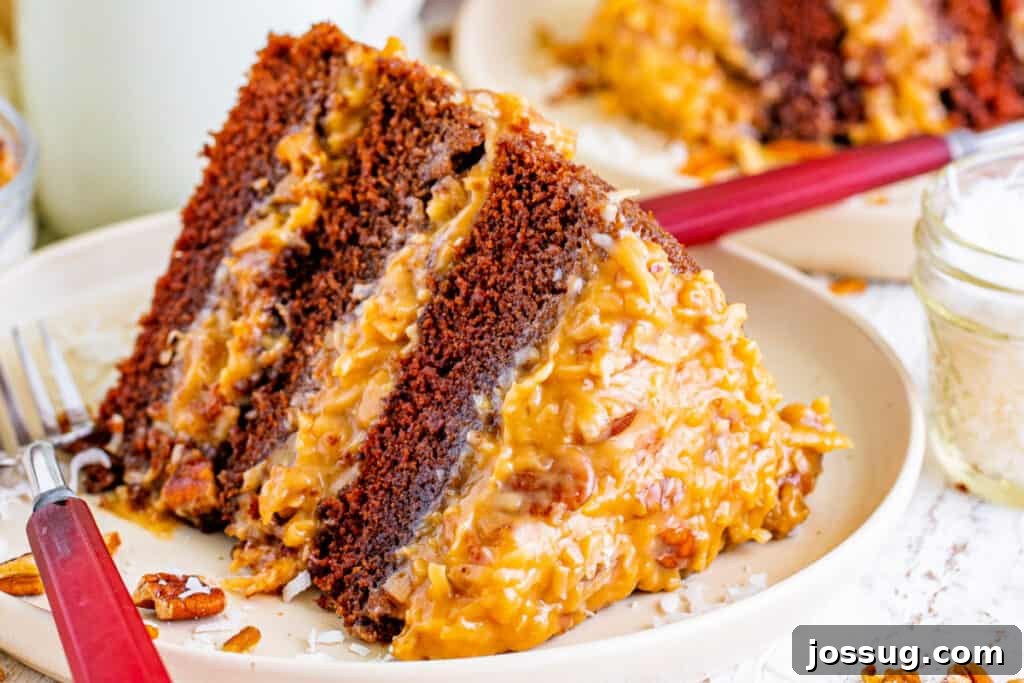
Despite its name, German Chocolate Cake is not an invention from Germany. Its origins trace back to the United States, named after Samuel German, an American baker who developed a dark baking chocolate bar for Baker’s Chocolate Company in 1852. This specific type of chocolate, “Baker’s German’s Sweet Chocolate,” became central to the original recipe, which gained widespread popularity in the 1950s after appearing in a Dallas newspaper. This historical twist adds to the charm of the cake, which is celebrated for its distinct profile: tender, deeply chocolatey cake layers and a signature caramel-like frosting studded with coconut and pecans. It’s a dessert that evokes nostalgia and comfort, a true staple for generations of sweet tooths.
Crafting the Perfect Harmony: Cake and Coconut-Pecan Frosting
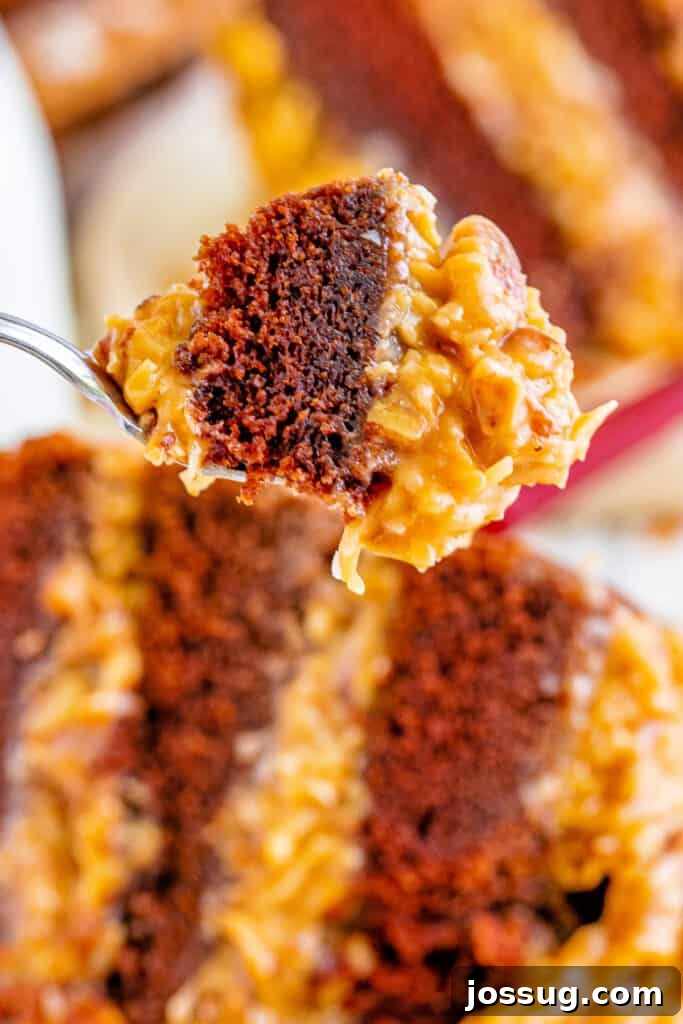
The magic of German Chocolate Cake lies in the intricate balance of its components. The cake itself is more than just a chocolate cake; it boasts a unique depth of flavor, often enhanced by buttermilk, which contributes to its incredible moisture and tender crumb. But what truly sets it apart is the opulent coconut-pecan frosting. This isn’t just any topping; it’s a cooked custard-like mixture, rich with evaporated milk, egg yolks, butter, sugar, toasted pecans, and shredded coconut. The sweetness of the coconut, the crunch of the pecans, and the creamy, caramelized base of the frosting create an unparalleled textural and flavor experience that perfectly complements the dark chocolate layers. Each bite offers a symphony of tastes – sweet, nutty, chocolatey, and utterly satisfying.
The Rewarding Journey of Homemade Baking
Embarking on the journey of baking a German Chocolate Cake from scratch is a labor of love that yields immense satisfaction. For baking enthusiasts, the process is as enjoyable as the outcome. There’s a unique pleasure in carefully measuring ingredients, watching the batter come together, and experiencing the delightful aroma filling your kitchen. From preparing your pans to meticulously assembling the layers and spreading that luscious frosting, each step is a mindful act of creation. The end result is not just a dessert, but a masterpiece born from your own hands—a testament to your passion and dedication. The superior taste, freshness, and personal touch of a homemade German Chocolate Cake make it an experience far beyond anything store-bought, transforming any occasion into something truly special.
Homemade German Chocolate Cake: Essential Ingredients & Smart Substitutions
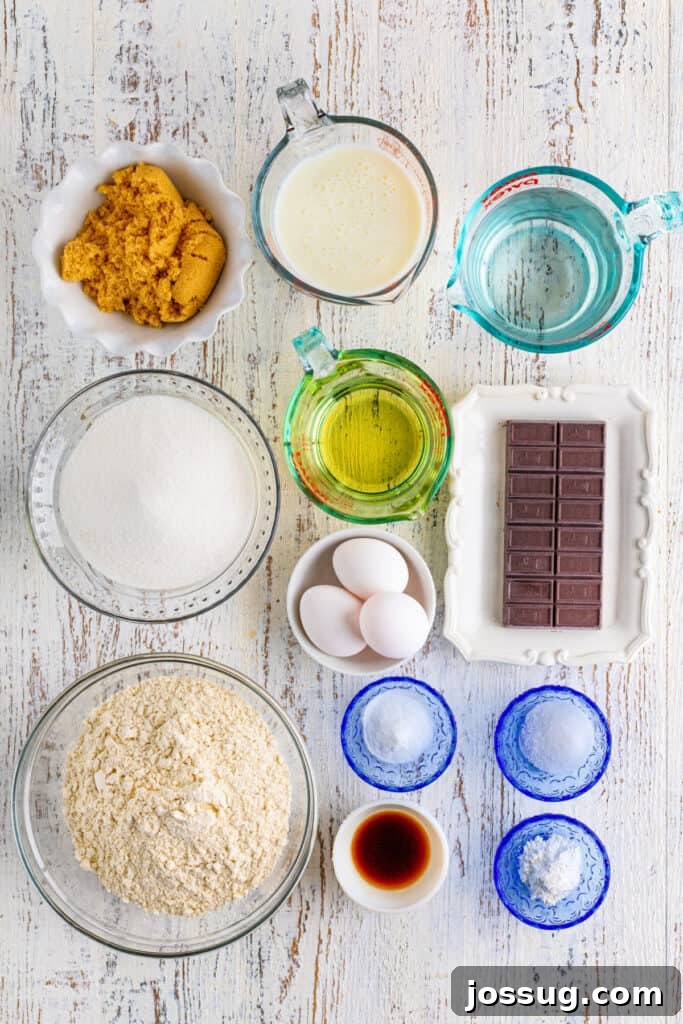
Creating this magnificent German Chocolate Cake requires a careful selection of ingredients, each playing a vital role in achieving the perfect texture and flavor. However, we understand that sometimes you might need to make adjustments due to dietary needs or what you have on hand. Here’s a detailed look at the ingredients and some helpful substitutions:
Key Ingredients
- All-purpose flour: The structural backbone of our cake. For those with dietary restrictions or allergies, high-quality gluten-free all-purpose flour blends can be used as a direct 1:1 substitute. Be sure the blend contains xanthan gum for best results.
- Baking powder: A crucial leavening agent that helps the cake rise, contributing to a light and airy texture.
- Salt: Essential for balancing the sweetness and enhancing the deep chocolate flavors.
- Baking soda: Reacts with the buttermilk to provide additional lift and tenderness.
- Granulated sugar: Provides sweetness and contributes to the cake’s moistness.
- Light brown sugar: Adds a subtle caramel note and extra moisture, giving the cake a richer, deeper flavor. If unavailable, an equal amount of granulated sugar can be used, though it might slightly alter the cake’s flavor and moisture level.
- Vegetable oil: Ensures a wonderfully moist cake. Neutral oils like canola oil or even melted coconut oil (ensure it’s liquid at room temperature) are excellent substitutes, maintaining the cake’s tender crumb without imparting strong flavors.
- Large eggs: Act as binders, provide structure, and add richness. If you have an egg allergy or prefer a vegan option, alternatives like unsweetened applesauce, mashed ripe bananas (use 1/4 cup per egg), or yogurt can be used. These substitutes may slightly change the texture, but will still yield a delicious result.
- Buttermilk: A key ingredient for a tender and moist crumb, and its acidity reacts with baking soda for leavening. If you don’t have buttermilk, you can easily make a substitute: add 1 tablespoon of white vinegar or lemon juice to 1 cup of regular milk, stir, and let it sit for 5-10 minutes until it slightly curdles. Use this homemade buttermilk substitute in the same quantity as the recipe calls for.
- Vanilla extract: A flavor enhancer that complements the chocolate and brings out the sweetness.
- German chocolate baking bar: The namesake ingredient, providing a unique sweet chocolate flavor. While the recipe specifies German chocolate baking bar, you can achieve a rich chocolate flavor with semi-sweet or dark chocolate bars, finely chopped and melted. Use the same quantity to ensure proper consistency.
- Boiling water: This hot liquid bloom the cocoa, intensifying the chocolate flavor, and keeps the batter fluid and moist. As a fantastic alternative that also enhances the chocolate notes, consider using hot coffee in place of boiling water. It deepens the chocolate profile without making the cake taste like coffee.
- Coconut Pecan Frosting: The star of this cake! This recipe specifically calls for our delicious homemade version. While you could technically use a different frosting, the classic coconut-pecan is what defines a German Chocolate Cake. We highly recommend sticking to the original for the authentic experience.
Remember, while these substitutions are generally effective, they might introduce subtle changes in the final taste, texture, or moisture of your cake. Always consider your personal preferences and dietary requirements when adapting any recipe.
Step-by-Step: How to Make German Chocolate Cake
Baking this classic cake is a rewarding process. Follow these detailed steps to create a show-stopping dessert that will impress everyone.
Delightful Serving Suggestions for German Chocolate Cake
While German Chocolate Cake is a masterpiece on its own, pairing it with certain accompaniments can elevate the experience even further. Here are some exquisite serving suggestions to make your cake truly unforgettable:
- Freshly Whipped Cream: A generous dollop of homemade sweetened whipped cream offers a light, airy contrast to the cake’s dense chocolate and rich frosting. Its delicate sweetness provides a perfect counterpoint to the cake’s decadence.
- Seasonal Fresh Berries: Brighten each slice with a vibrant array of fresh berries, such as ripe strawberries, tart raspberries, or sweet blueberries. The juicy, slightly acidic notes of the fruit cut through the richness of the cake, offering a refreshing balance.
- Vanilla Bean Ice Cream: For a classic indulgence, serve a warm slice of German Chocolate Cake alongside a scoop of premium vanilla bean ice cream. The warm-cold contrast and the creamy texture of the ice cream create a comforting and utterly satisfying dessert experience.
- Decadent Caramel Sauce: Drizzle warm homemade caramel sauce over individual slices. The buttery, sweet caramel adds an additional layer of richness and a delightful sticky texture that harmonizes beautifully with the chocolate and coconut-pecan flavors.
- Toasted Coconut Flakes: For an extra boost of flavor and texture, sprinkle lightly toasted coconut flakes over the frosting or around the base of the cake. Toasting enhances the coconut’s natural nuttiness and provides an appealing visual garnish.
- Extra Chopped Pecans: Reinforce the nutty crunch by scattering additional chopped pecans over the frosting or on the serving plate. This provides another layer of textural interest that complements the pecans already present in the frosting.
- Espresso or Rich Coffee: Pair your cake with a freshly brewed cup of strong espresso or a rich, dark roast coffee. The slight bitterness of the coffee acts as an excellent palate cleanser, balancing the cake’s sweetness and allowing its complex flavors to shine.
- Homemade Fruit Compote: Create a simple fruit compote using berries, peaches, or cherries, lightly sweetened and simmered until tender. Serving this alongside the cake offers a tangy, fruity counterpoint that adds moisture and freshness.
- Elegant Dusting of Cocoa Powder: For a touch of sophistication and an intensified chocolate aroma, lightly dust the top of the cake with unsweetened cocoa powder just before serving. This simple garnish adds an elegant finish.
- Fresh Mint Leaves: Garnish each slice with a small sprig of fresh mint. Beyond adding a pop of vibrant green color, the subtle herbal aroma of mint can provide a refreshing lift to the rich dessert.
German Chocolate Cake: Frequently Asked Questions
This is a common misconception! German Chocolate Cake is actually an American invention. It gets its name from Samuel German, an English-American baker who developed a sweet dark baking chocolate bar for Baker’s Chocolate Company in 1852. The original recipe, which became widely popular in the mid-20th century, used “German’s Sweet Chocolate” as a key ingredient, hence the name.
The defining characteristic of German Chocolate Cake is its unique coconut-pecan frosting. Unlike standard buttercream or ganache, this frosting is a rich, cooked custard-like mixture made with evaporated milk, egg yolks, butter, and sugar, generously studded with shredded coconut and chopped pecans. This distinctive topping, combined with moist, deep chocolate cake layers, creates its signature flavor and texture profile.
To maintain its freshness and moisture, leftover German Chocolate Cake should be stored in an airtight container. Keep it in the refrigerator for up to 5 days. For longer storage, individual slices or the entire cake can be wrapped tightly in plastic wrap and then aluminum foil before freezing for up to 3 months. Thaw frozen cake in the refrigerator overnight before serving.
German Chocolate Cake can be delicious served both ways. Chilling the cake for at least an hour after frosting helps the frosting set, making it easier to slice neatly. Many people prefer the firmness of a chilled slice, while others enjoy the softer texture and more pronounced flavors of a cake brought back to room temperature before serving. Experiment to find your preference!
Absolutely! German Chocolate Cake is an excellent make-ahead dessert, making it perfect for holidays or special occasions. The assembled cake can be stored in the refrigerator for 2-3 days before serving without compromising its quality. In fact, some argue that the flavors meld and deepen over a day or two, enhancing the overall taste.
To prevent sticking, always thoroughly grease and flour your cake pans, or use baking spray with flour. Lining the bottom of the pans with parchment paper is also a highly recommended step that provides an extra layer of protection, ensuring your cake layers release cleanly every time.
Yes, you can adapt this recipe for German Chocolate cupcakes! Simply line muffin tins with paper liners and fill them about two-thirds full with batter. Bake for a shorter duration, typically 18-22 minutes, or until a toothpick comes out clean. Frost them with the coconut-pecan frosting once cooled for a delightful individual treat.
Other Recipes You May Enjoy
- German Potato Salad
- German Chocolate Fudge
- Condensed Cream Soup Substitute
- Chocolate Kahlua Bundt Cake
- Chocolate Upside Down Cake
18
servings
German Chocolate Cake Recipe
Jamie Sherman
15
mins
28
mins
2
hrs
2
hrs
43
mins
Print Recipe
Equipment
-
Measuring cups and spoons
-
Hand mixer or Stand mixer with paddle attachment
-
Whisk
-
Rubber spatula or Wooden spoon
-
Mixing bowls (large and medium)
-
Parchment paper
-
Silicone Pot Holder Trivet Mats – Hot Pads Spoon Rest, Multipurpose Trivet for Hot Dishes Heat Resistant Food Grade Silicone Set of 4
-
Silicone Oven Mitt
-
Wire cooling rack
-
Three 9-inch cake pans
-
Cake stand or serving platter
Ingredients
- 2 ¾ cups all-purpose flour
- 2 ¼ teaspoons baking powder
- 2 teaspoons salt
- 2 teaspoons baking soda
- 2 ¼ cups granulated sugar
- ¾ cup light brown sugar, packed
- ¾ cup vegetable oil
- 3 large eggs
- 1 ½ cups buttermilk
- 1 tablespoon vanilla extract
- 6 ounces German chocolate baking bar, finely chopped and melted
- 1 ½ cups boiling water (or hot coffee for deeper flavor)
- 1 recipe Coconut Pecan Frosting (approximately 5 cups)
Instructions
- Preheat oven to 375°F (190°C). Lightly spray three 9-inch cake pans with baking spray.
- Place parchment paper in the bottom of each pan and set aside.
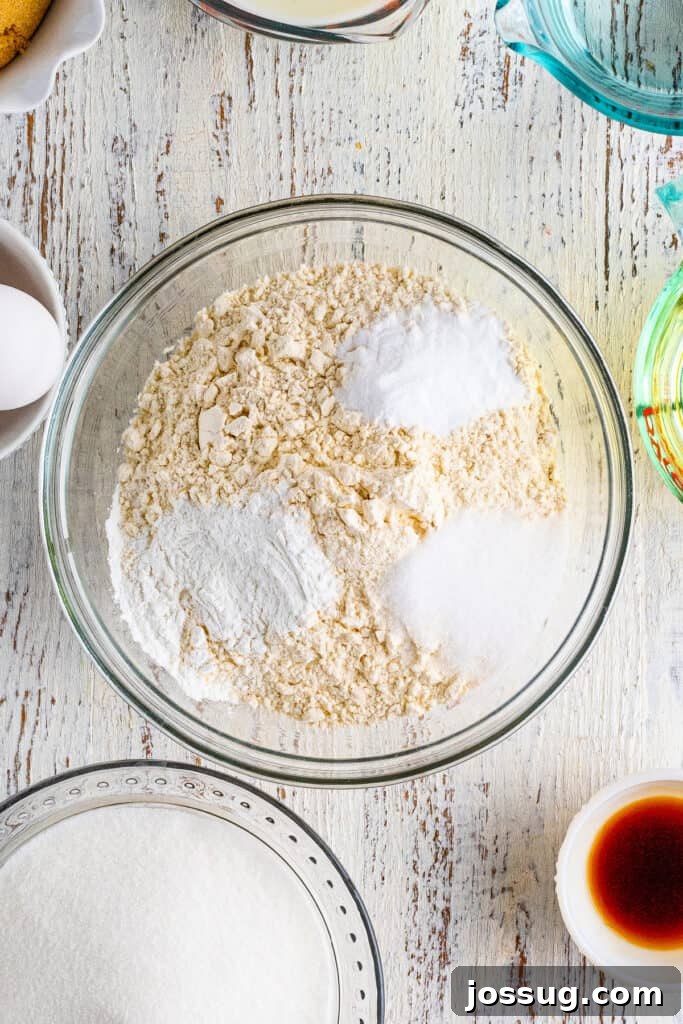
- In a large bowl, whisk together the flour, baking powder, salt, and baking soda. Set aside.
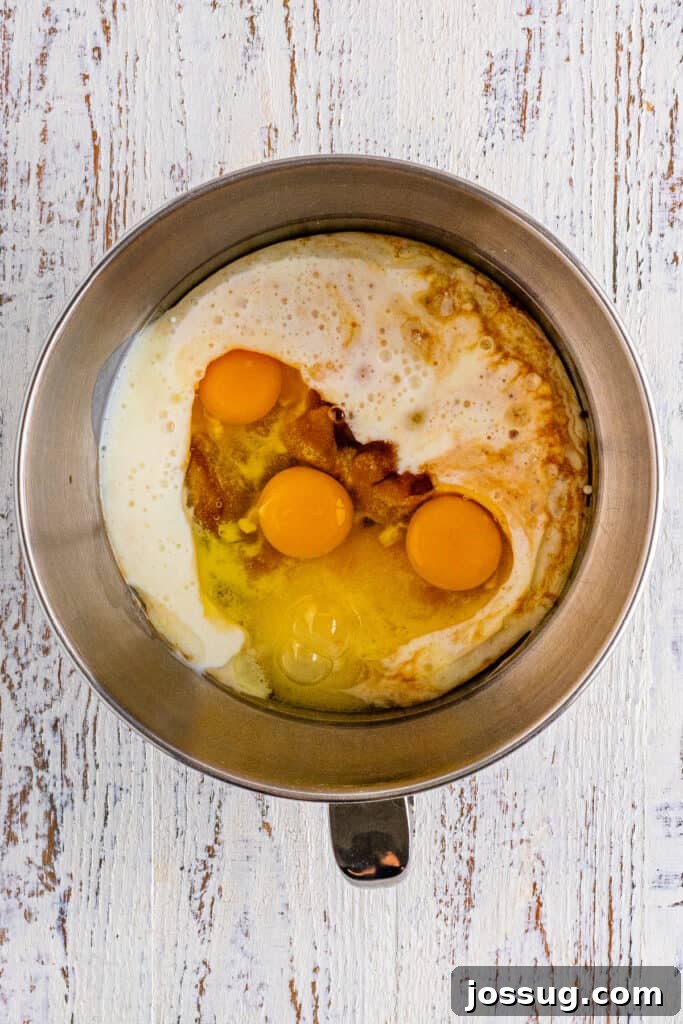
- In a medium-sized bowl, using an electric mixer, combine granulated sugar, light brown sugar, oil, eggs, buttermilk, and vanilla until smooth.
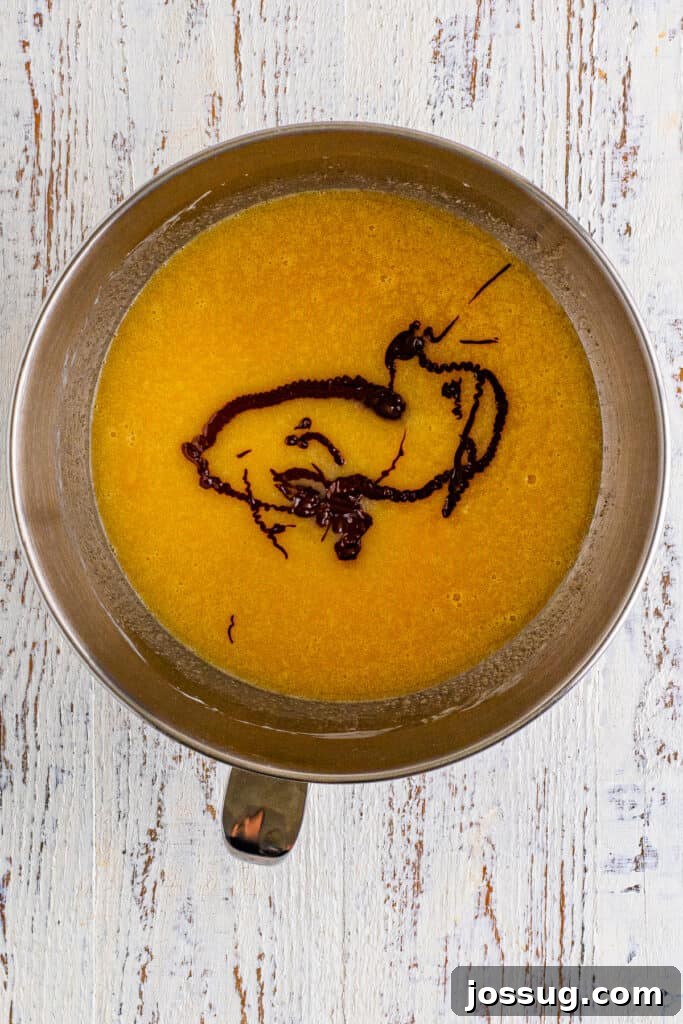
- Whisk in the melted German chocolate until fully combined.
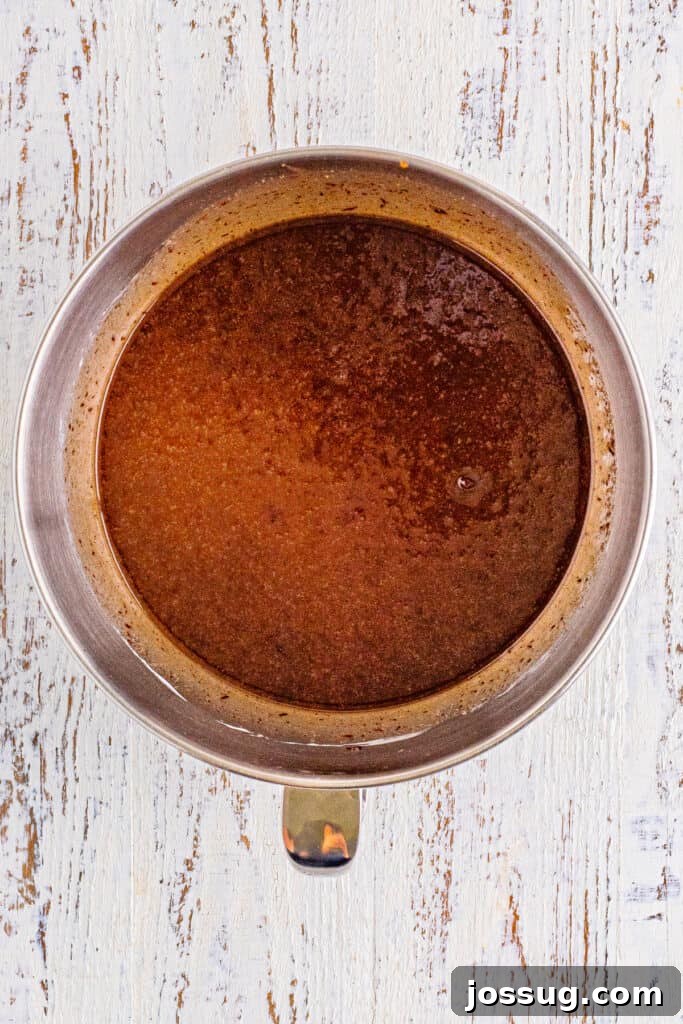
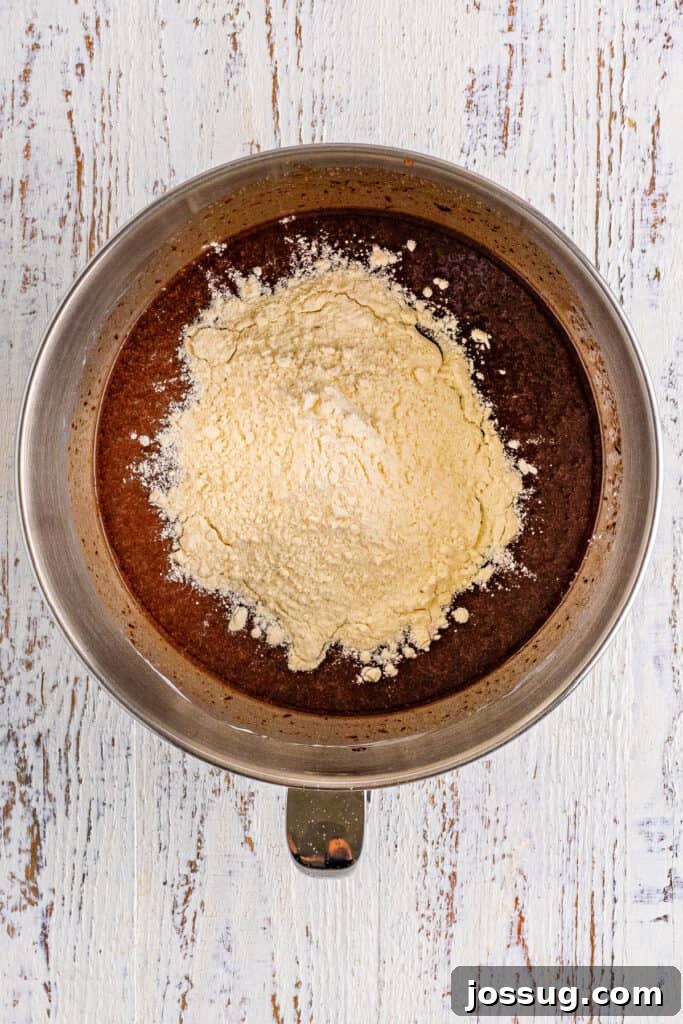
- Gradually add the dry mixture into the wet mixture, stirring until no lumps remain. Do not overmix.
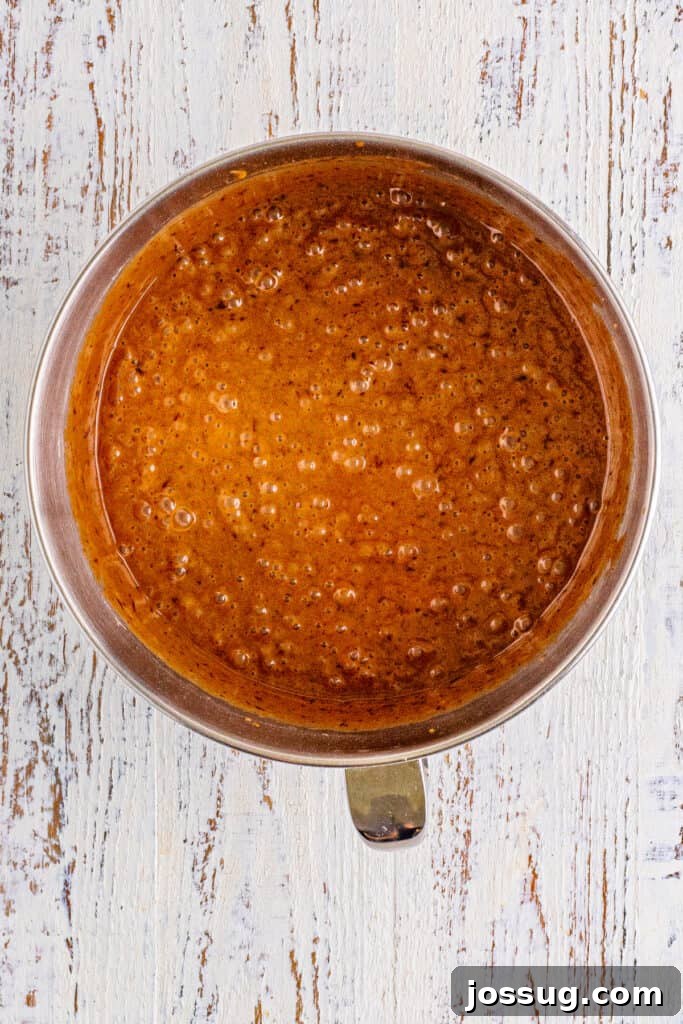
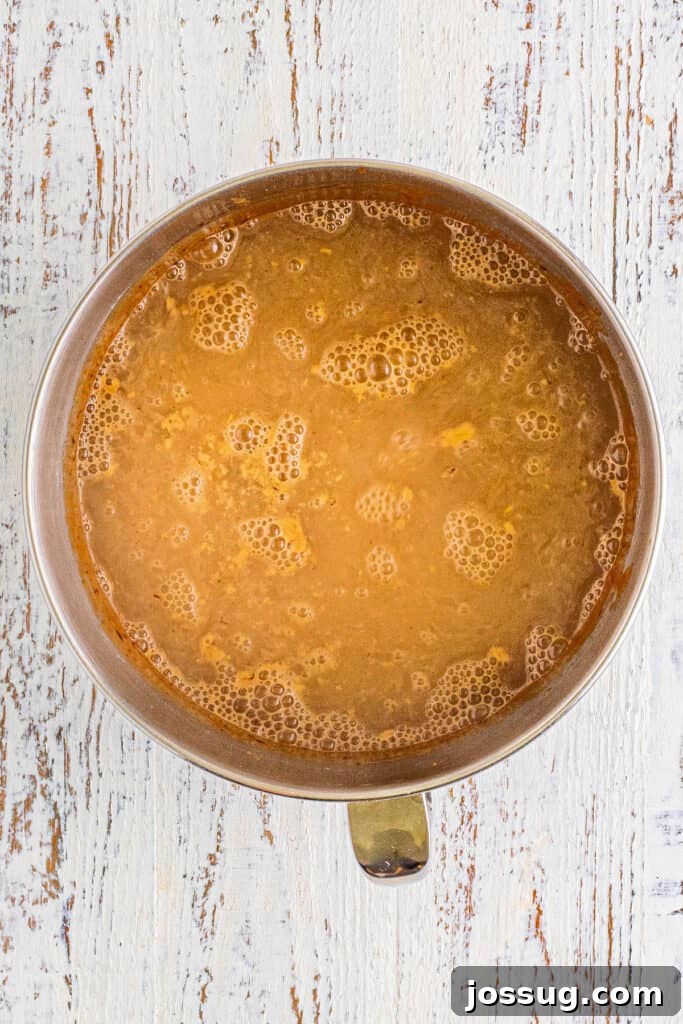
- Pour in the boiling water (or hot coffee) and whisk or stir to combine until the batter is smooth and thin.
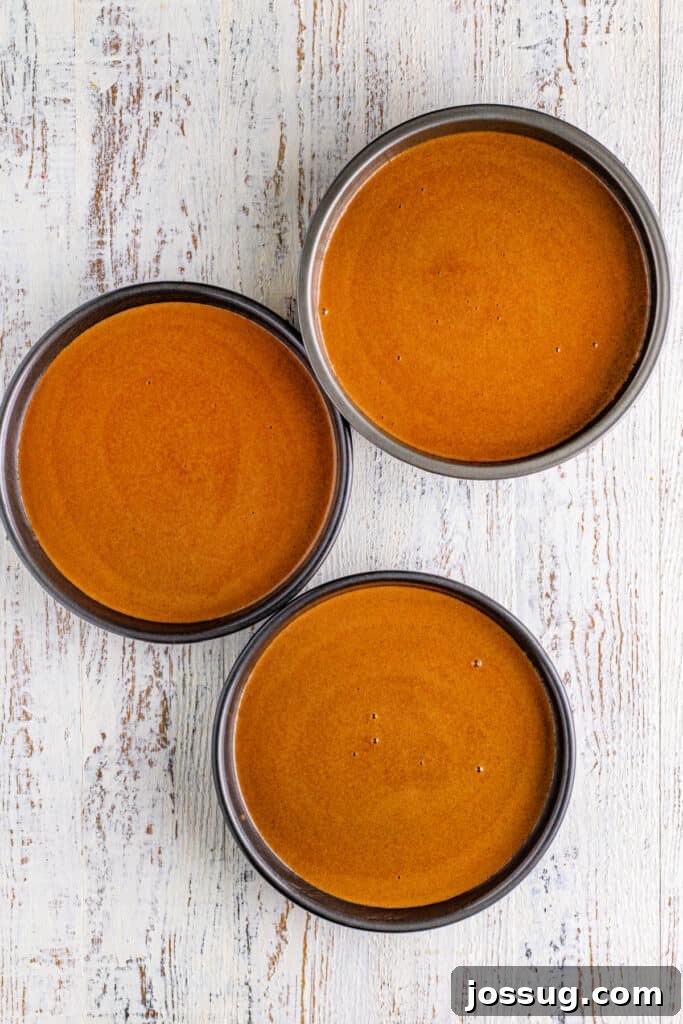
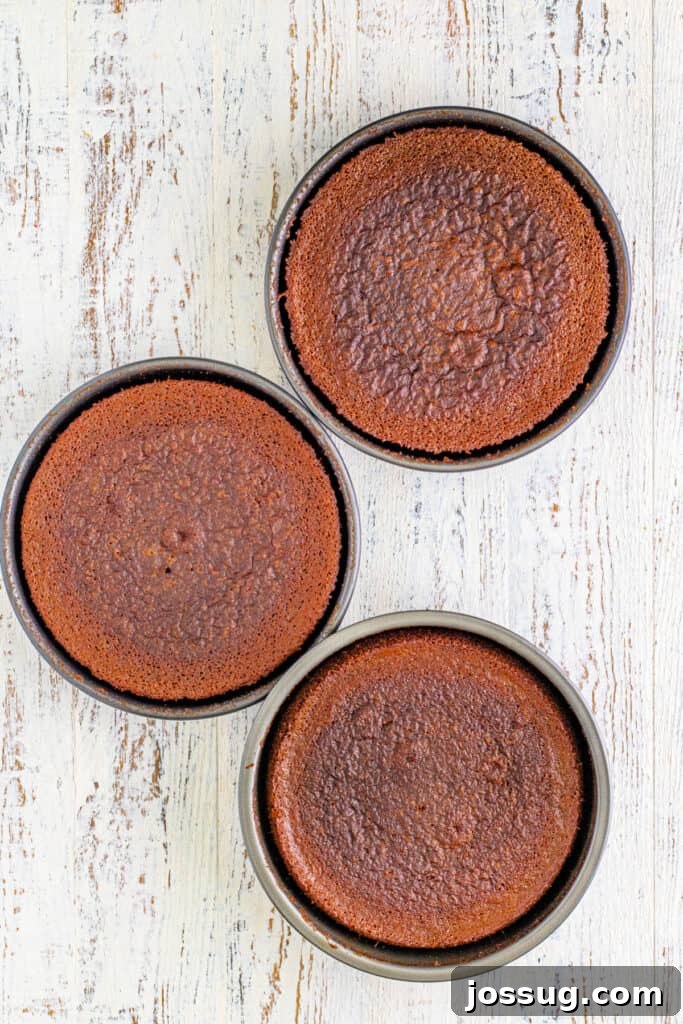
- Evenly distribute the batter between the three prepared cake pans. Bake for 23-28 minutes, or until a toothpick inserted into the center comes out clean.
- Let the cakes cool completely in their pans on a wire rack before handling.
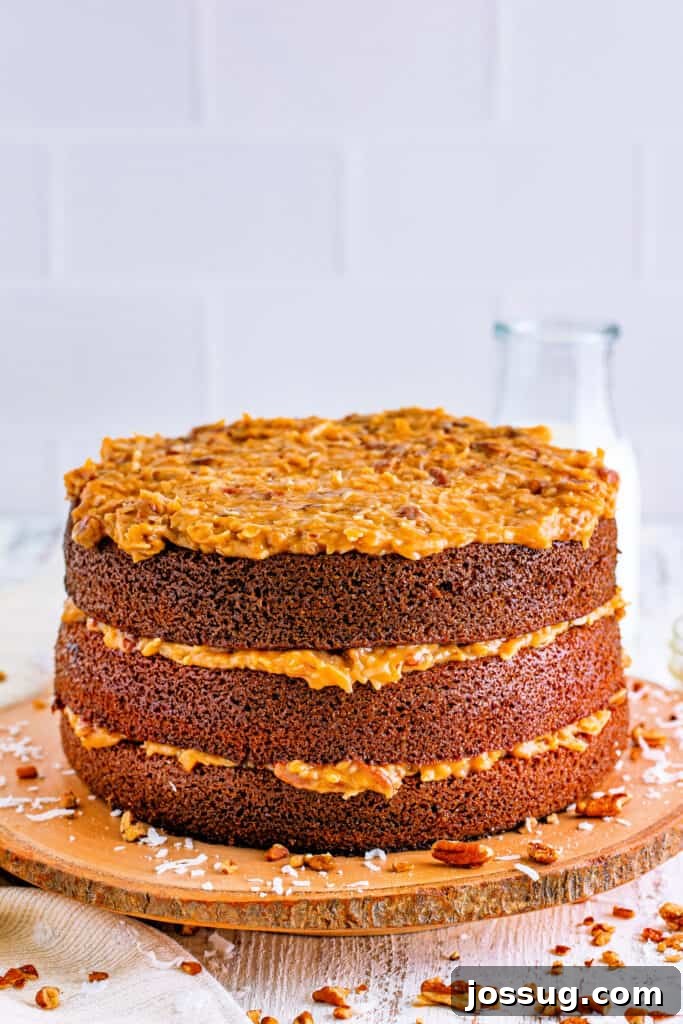
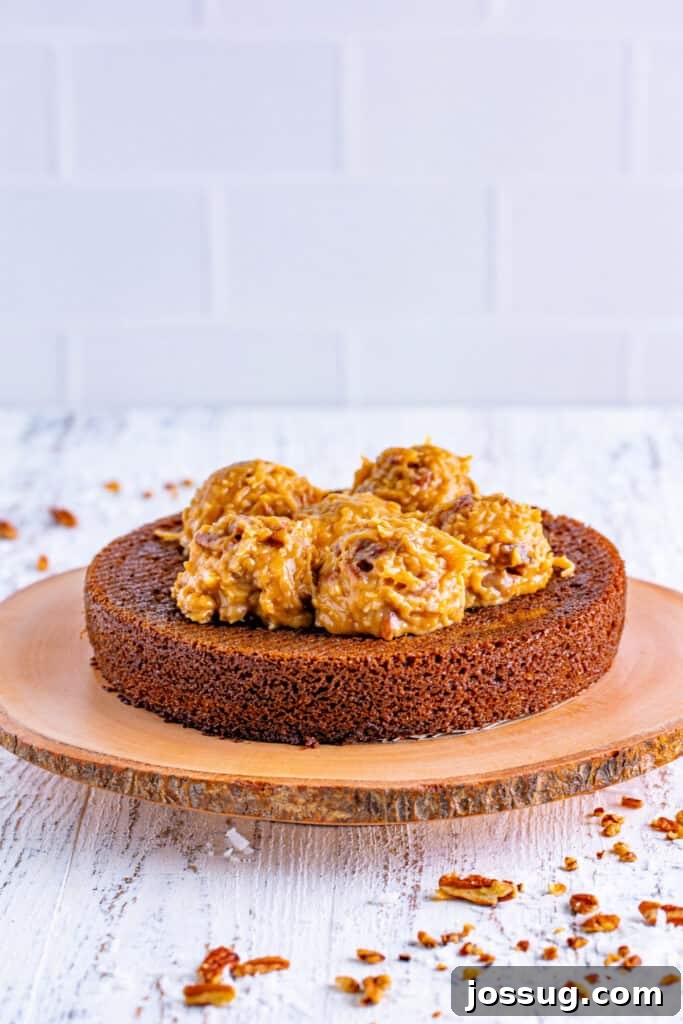
- Once cool, level the tops of the cakes with a serrated knife if necessary. Place one cake layer onto your serving platter.
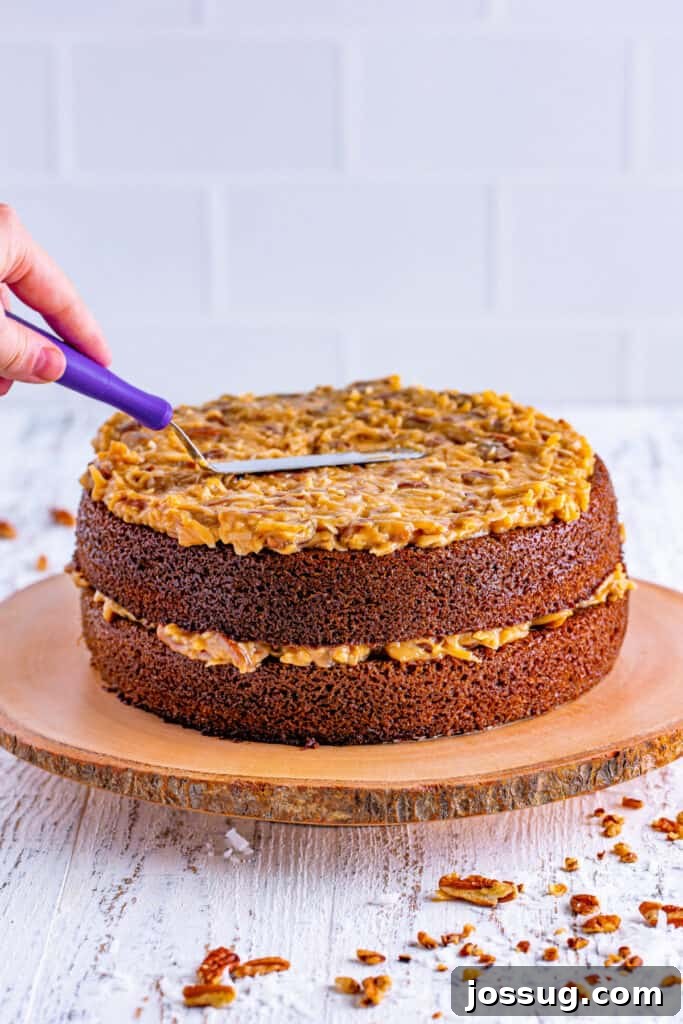
- Spread approximately one-third of the Coconut Pecan Frosting evenly over the top of the first layer. Repeat with the remaining two cake layers and frosting.
- Place the assembled cake into the refrigerator for at least 1 hour to allow the frosting to set before slicing and serving.
Notes
- Store any leftover cake in an airtight container in the refrigerator for up to 5 days. For longer preservation, freeze individual slices for up to 3 months.
- This recipe yields a rich and incredibly moist cake. It can be served either chilled directly from the refrigerator or allowed to come to room temperature for a softer texture.
Nutrition Information (Approximate Per Serving)
Serving Size: 1 slice
- Calories: 519 kcal
- Carbohydrates: 72g
- Protein: 5g
- Fat: 25g
- Saturated Fat: 8g
- Polyunsaturated Fat: 7g
- Monounsaturated Fat: 8g
- Trans Fat: 1g
- Cholesterol: 33mg
- Sodium: 545mg
- Potassium: 222mg
- Fiber: 3g
- Sugar: 50g
- Vitamin A: 80 IU
- Vitamin C: 0.1mg
- Calcium: 82mg
- Iron: 3mg
Nutrition information is automatically calculated, so should only be used as an approximation and can vary based on specific ingredients and preparation methods.
Enjoyed this recipe? Leave a comment below!