
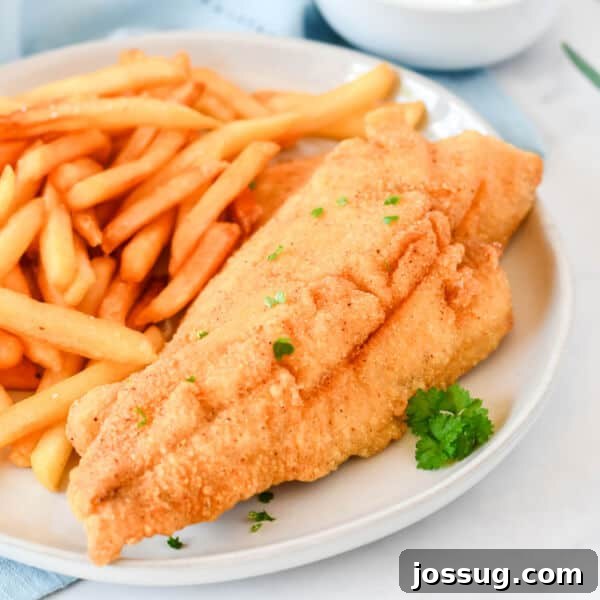
Welcome to the ultimate guide for crafting the most delectable **Fried Fish Recipe**! If you’re searching for a classic, old-fashioned battered and fried fish that promises a golden, crispy exterior and tender, flaky interior, you’ve come to the right place. This recipe transforms simple fish fillets into a delightful meal that’s perfect for any weeknight dinner or a festive family gathering. Get ready to impress your taste buds and loved ones with a dish that’s surprisingly easy to master.
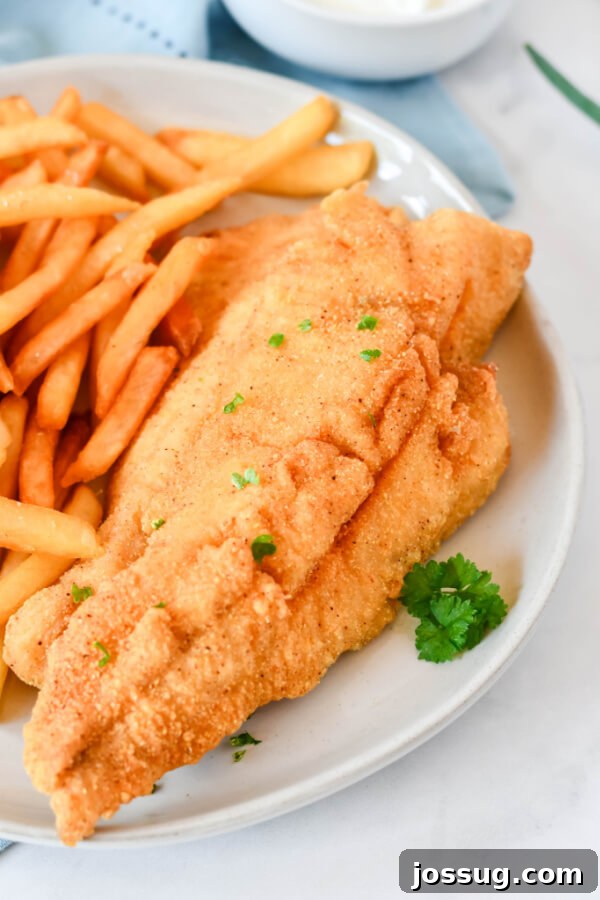
Classic Fried Fish: A Timeless Comfort Food
There’s a special kind of joy that comes with a perfectly executed fish fry. For me, growing up near the coast, it’s perhaps a bit surprising that seafood wasn’t a regular feature on our dinner table. While my parents enjoyed fish, it wasn’t until I reached adulthood that my culinary horizons truly expanded beyond the familiar “fish sticks.” This newfound adventurous spirit led me to discover the wonders of a well-prepared fish fry, particularly the famous fried catfish from a popular Midwest restaurant. That experience sparked a passion, and I’ve been perfecting my own homemade version ever since.
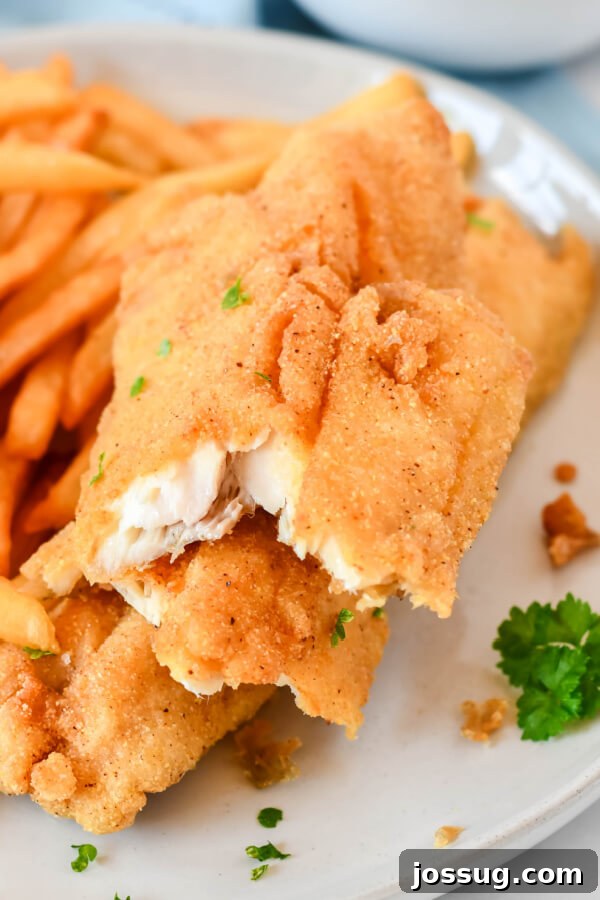
My preference leans towards boneless, skinless fish fillets, offering a more convenient and enjoyable eating experience. However, the beauty of homemade cooking is that you can always tailor it to your liking. Whether you prefer a whole fish or neat fillets, this versatile recipe provides the foundation for an unforgettable meal. The key is in the simple yet effective cornmeal batter that delivers that irresistible crunch we all crave. It’s a recipe that brings comfort and satisfaction with every bite, reminding us why fried fish remains a beloved classic.
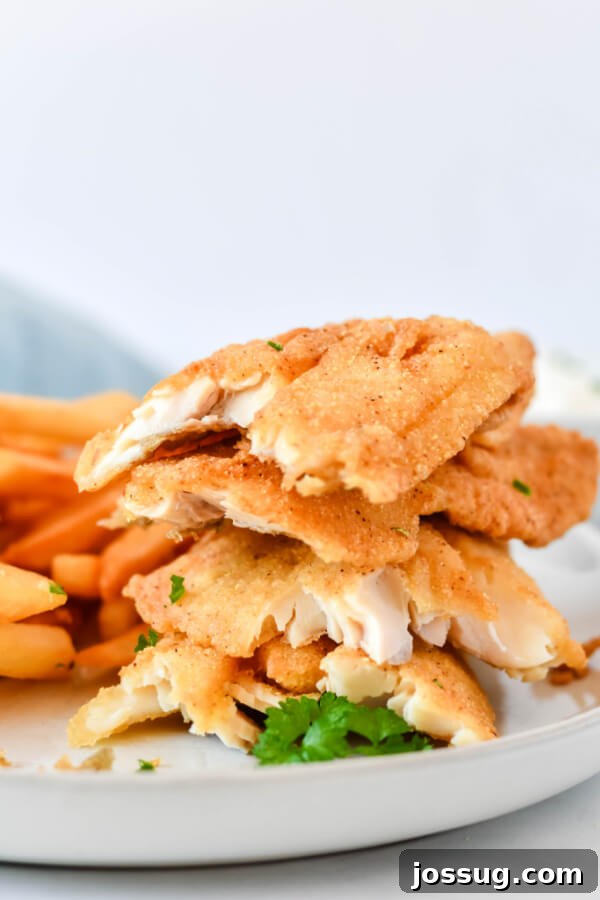
Choosing the Perfect Fish for Frying
The success of your fried fish largely depends on the type and freshness of your fish. For this recipe, we recommend using firm, white-fleshed fish fillets that can hold up well to the frying process and develop a beautiful crispy crust. Excellent choices include:
- Catfish: A classic for Southern-style fried fish, known for its mild flavor and firm texture.
- Haddock: A popular choice for fish and chips, offering a delicate flavor and flaky texture.
- Tilapia: Readily available and mild, making it a great option for those new to cooking fish.
- Cod: Another staple for frying, with its tender, flaky white meat.
- Bluegill & Crappie: Excellent choices for freshwater fish fries, offering a rich, sweet flavor.
Always opt for the freshest fish available. If using frozen fillets, ensure they are completely thawed and patted thoroughly dry before coating. Excess moisture can prevent the batter from sticking properly and result in a less crispy finish. Aim for fillets that are relatively uniform in thickness for even cooking.
The Secret to a Crispy Batter
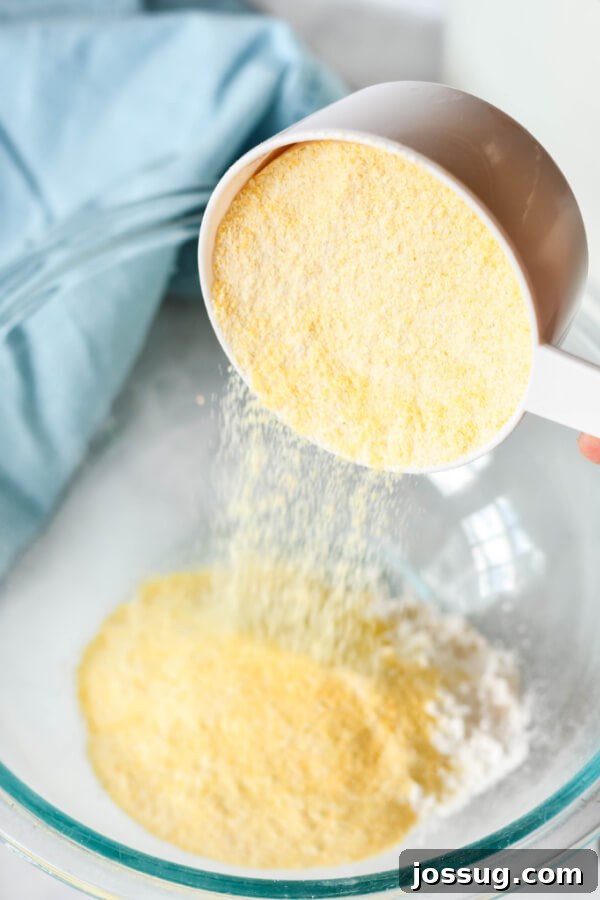
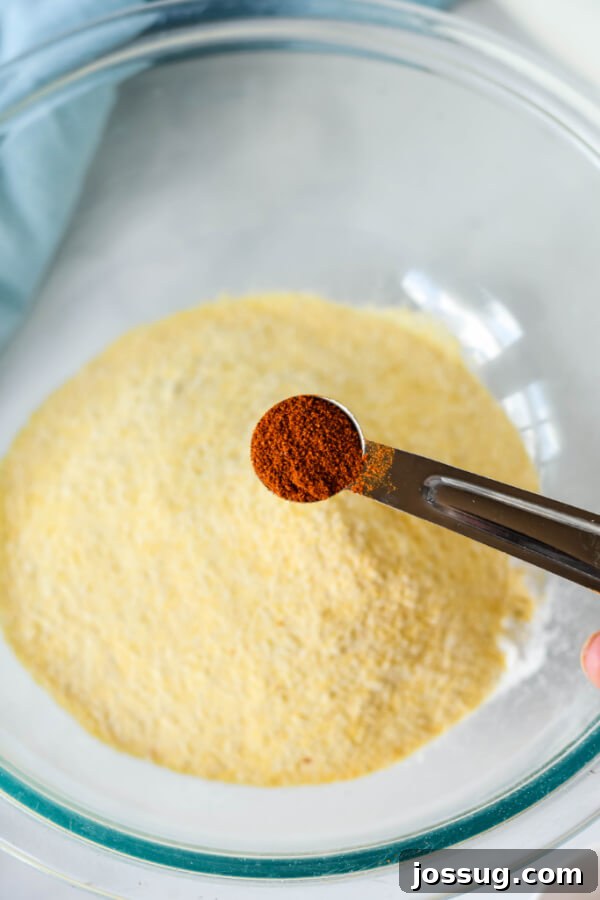
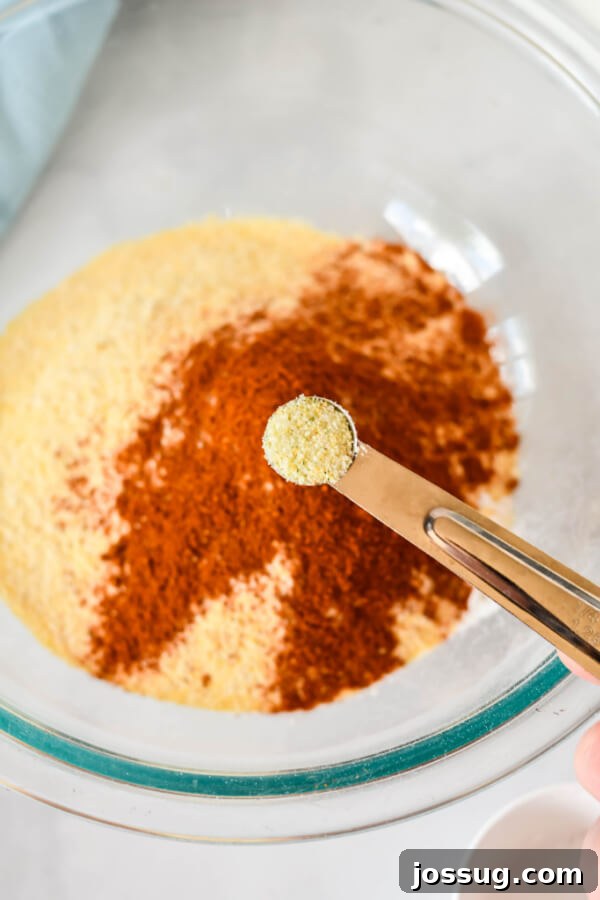
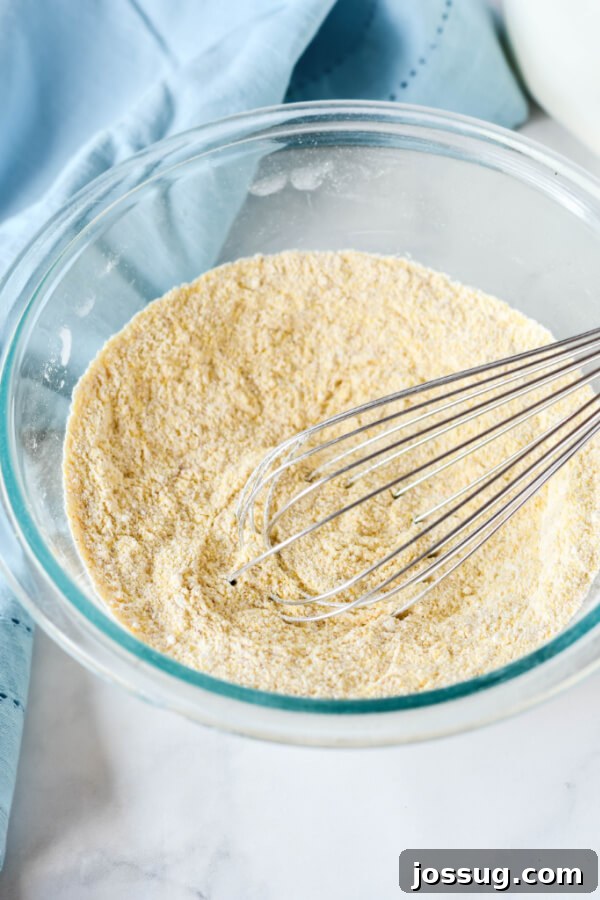
The simple yet incredibly effective batter is what sets this recipe apart. A blend of yellow cornmeal and all-purpose flour, seasoned perfectly, creates a robust coating that crisps up beautifully when fried. Yellow cornmeal provides that signature grainy texture and golden hue, while the flour ensures a light, airy crispness. The addition of salt, cayenne pepper, and garlic powder elevates the flavor profile, adding a subtle kick and aromatic depth that complements the fish without overpowering it.
Achieving the perfect crispy batter involves more than just the ingredients; it’s also about the technique. Ensure your fish fillets are dry before dredging. This helps the batter adhere evenly. After coating, a gentle shake removes any excess mixture, preventing a thick, doughy crust and promoting maximum crispness. This straightforward method guarantees a restaurant-quality fried fish experience right in your own kitchen.
Frying Techniques for Perfection
Frying fish might seem daunting, but with a few key techniques, you can achieve perfect results every time. The most critical factor is oil temperature. Heating your vegetable oil to 350°F (175°C) is essential. Oil that’s too cool will result in greasy, soggy fish, while oil that’s too hot can burn the exterior before the inside is cooked through. A reliable thermometer is your best friend here.
When placing the fish in the hot oil, do so carefully, laying it away from you to prevent splatters. Avoid overcrowding the skillet. Frying in a single layer ensures each piece cooks evenly and maintains the oil temperature. Overcrowding will cause the temperature to drop, leading to less crispy fish. Cook until golden brown, typically 5-7 minutes depending on fillet thickness. The fish should naturally release from the bottom of the pan when ready to flip, or when it’s cooked on one side. Once cooked, transfer the fried fish to a wire rack set over paper towels. This allows excess oil to drain off, keeping your fish beautifully crisp. Proper drainage is key to preventing sogginess and maintaining that delightful crunch.
Easy Fried Fish Recipe
This recipe serves 6 people and takes approximately 30 minutes to prepare from start to finish. It’s a straightforward method to get delicious, crispy fried fish on your table.
Ingredients
For the Fish
- 1 ½ – 2 pounds fish fillets (such as catfish, haddock, tilapia, cod, bluegill)
- ¾ cup yellow cornmeal
- ¼ cup all-purpose flour
- 1 ½ teaspoons salt
- 1 teaspoon cayenne pepper
- ¼ teaspoon garlic powder
- Vegetable oil, for frying
For Serving (Optional)
- Hot sauce
- Tartar sauce
- Malt vinegar
- Lemon wedges
Equipment
- Digital instant-read food thermometer
- Fish turner or wide spatula, stainless steel
- Tongs
- Pie plate or shallow bowl
- Large, heavy skillet (e.g., 15″ cast iron skillet)
Instructions
- Heat oil: In a large, heavy skillet, fill it about half full with vegetable oil. Heat the oil to 350°F (175°C). Use a digital thermometer to accurately monitor the temperature.
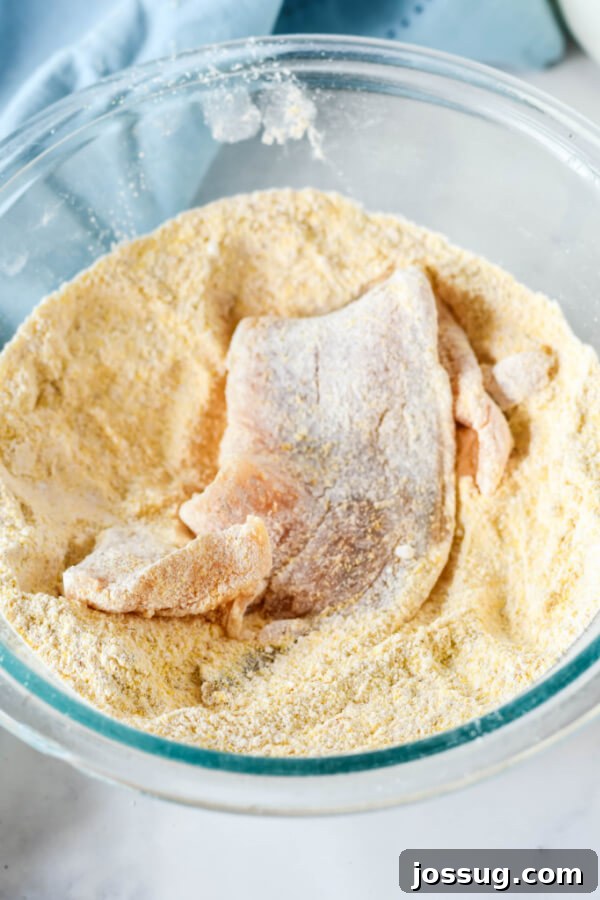
- Prepare cornmeal mixture: Meanwhile, in a pie plate or similar shallow bowl, combine the cornmeal, all-purpose flour, salt, cayenne pepper, and garlic powder. Whisk thoroughly to ensure all ingredients are well combined.
- Coat fish: Pat your fish fillets dry with paper towels. Dredge each fillet generously in the cornmeal mixture, ensuring it’s fully coated. Gently shake off any excess batter.
- Fry fish and drain: Carefully add the coated fish fillets to the hot oil in a single layer. Do not overcrowd the pan. Fry until golden brown and cooked through, approximately 5-7 minutes, depending on the thickness of the fish. Flip halfway through cooking if necessary to ensure even browning. Remove the fried fish from the oil and place it on a wire rack set over paper towels to drain excess oil.
- Serve: Serve your crispy fried fish immediately. Offer optional accompaniments such as hot sauce, creamy tartar sauce, tangy malt vinegar, or fresh lemon wedges on the side for a burst of flavor.
Tips for the Best Fried Fish
- Maintain Oil Temperature: Use a thermometer to keep the oil consistently at 350°F (175°C). Fluctuations can lead to greasy or undercooked fish.
- Don’t Overcrowd: Fry fish in batches to prevent the oil temperature from dropping too much. This ensures each piece gets crispy.
- Pat Fish Dry: Moisture is the enemy of crispiness. Always pat your fish fillets thoroughly dry before coating them in the batter.
- Rest the Coated Fish: For an even crispier crust, some chefs recommend letting the coated fish rest for 5-10 minutes before frying. This allows the batter to adhere better.
- Proper Drainage: After frying, place fish on a wire rack over paper towels, not directly on paper towels. This allows air to circulate and prevents the bottom from getting soggy.
- Season Well: Don’t be shy with seasoning the batter. A well-seasoned batter makes a huge difference in flavor.
Fried Fish: FAQs
Fried fish pairs beautifully with a variety of side dishes. Some popular and delicious options include:
coleslaw (for a creamy, crunchy contrast),
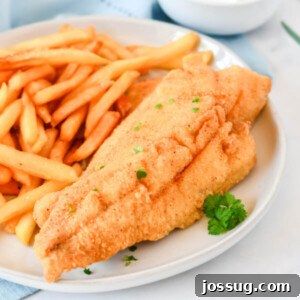
fries (classic combination),
Southern-style green beans,
corn on the cob,
a fresh side salad,
potato salad,
Cheddar Bay Biscuits,
and/or hushpuppies.
Properly cooked fish will flake easily with a fork at its thickest point and lose its translucent, raw appearance. The most accurate way to check for doneness is with a digital instant-read thermometer. Fish should reach an internal temperature of 140-145°F (60-63°C).
Mushy fried fish is often caused by using less-than-fresh fish or frying in oil that isn’t hot enough. Always buy the freshest fish you can find, and ensure your oil is heated to the correct temperature (350°F / 175°C) before adding the fish. Overcrowding the pan can also lower the oil temperature and lead to soggy results.
For best quality and food safety, any leftover fried fish should be stored in an airtight container in the refrigerator and consumed within 3-4 days.
Yes, fried fish can absolutely be reheated! For the crispiest results, avoid the microwave. Instead, reheat it in the oven. Place the fish on a baking sheet in a 275°F (135°C) oven for 15-20 minutes, or until it’s heated through and the crust has regained some crispness.
Yes, fried fish can be frozen. After frying, allow the fish to cool completely to room temperature. Then, transfer it to a freezer-safe container or wrap individual pieces tightly in plastic wrap and then foil. It will maintain its quality in the freezer for up to one month. Thaw in the refrigerator before reheating.
When planning for a fish fry or larger gathering, a good rule of thumb is to estimate 1/2 to 1 pound of fish per person, depending on appetites and what other side dishes are being served.
Other Seafood Recipes You May Enjoy
- Fish Nuggets
- Deli-Style Crab Salad
- Salmon Patties
- Sheet Pan Lemon, Garlic & Herb Salmon with Asparagus
- Tartar Sauce
This recipe was originally published on July 22, 2103, and was updated on November 1, 2020, to provide more detailed instructions and helpful tips.
6 servings
Classic Fried Fish
Jamie Sherman
20 mins
10 mins
30 mins
Print Recipe
Equipment
- Digital instant-read food thermometer
- Fish Turner, Stainless Steel
- Tongs
- Glass Pie Plate or shallow bowl
- Lodge Cast Iron Skillet, 15″ (or similar large, heavy skillet)
Ingredients
For the fish
- 1 ½ – 2 pounds fish fillets (catfish, haddock, tilapia, cod, bluegill, etc.)
- ¾ cup yellow cornmeal
- ¼ cup all-purpose flour
- 1 ½ teaspoons salt
- 1 teaspoon cayenne pepper
- ¼ teaspoon garlic powder
- Vegetable oil, for frying
For serving
- Hot sauce, tartar sauce, malt vinegar, lemon wedges (optional)
Instructions
- In a large, heavy skillet, fill it about half full with vegetable oil. Heat oil to 350°F (175°C).
- Meanwhile, in a pie plate or similar bowl, combine the cornmeal, flour, salt, cayenne pepper, and garlic powder.
- Coat the fish with the cornmeal mixture, shaking off excess.
- Add the fish in a single layer and fry until golden brown, about 5-7 minutes – depending on the size. Remove the fish from the oil and drain on paper towels.
- Serve immediately with hot sauce, tartar sauce, malt vinegar, or lemon wedges on the side, if desired.
Notes
- Fish will flake easily when it’s done, and it will lose its translucent or raw appearance. The best way to tell if your fish is done is by testing it with a fork at an angle, at the thickest point, and twist gently. Fish needs to be cooked to an internal temperature of 140-145°F (60-63°C).
- For larger gatherings or for a fish fry, plan on 1/2-1 lb. of fish per person.
Nutrition
Serving: 1 fillet, Calories: 206kcal, Carbohydrates: 19g, Protein: 25g, Fat: 3g, Saturated Fat: 1g, Polyunsaturated Fat: 1g, Monounsaturated Fat: 1g, Cholesterol: 57mg, Sodium: 641mg, Potassium: 420mg, Fiber: 2g, Sugar: 0.4g, Vitamin A: 139IU, Vitamin C: 0.3mg, Calcium: 14mg, Iron: 2mg
Nutrition information is automatically calculated, so should only be used as an approximation.