
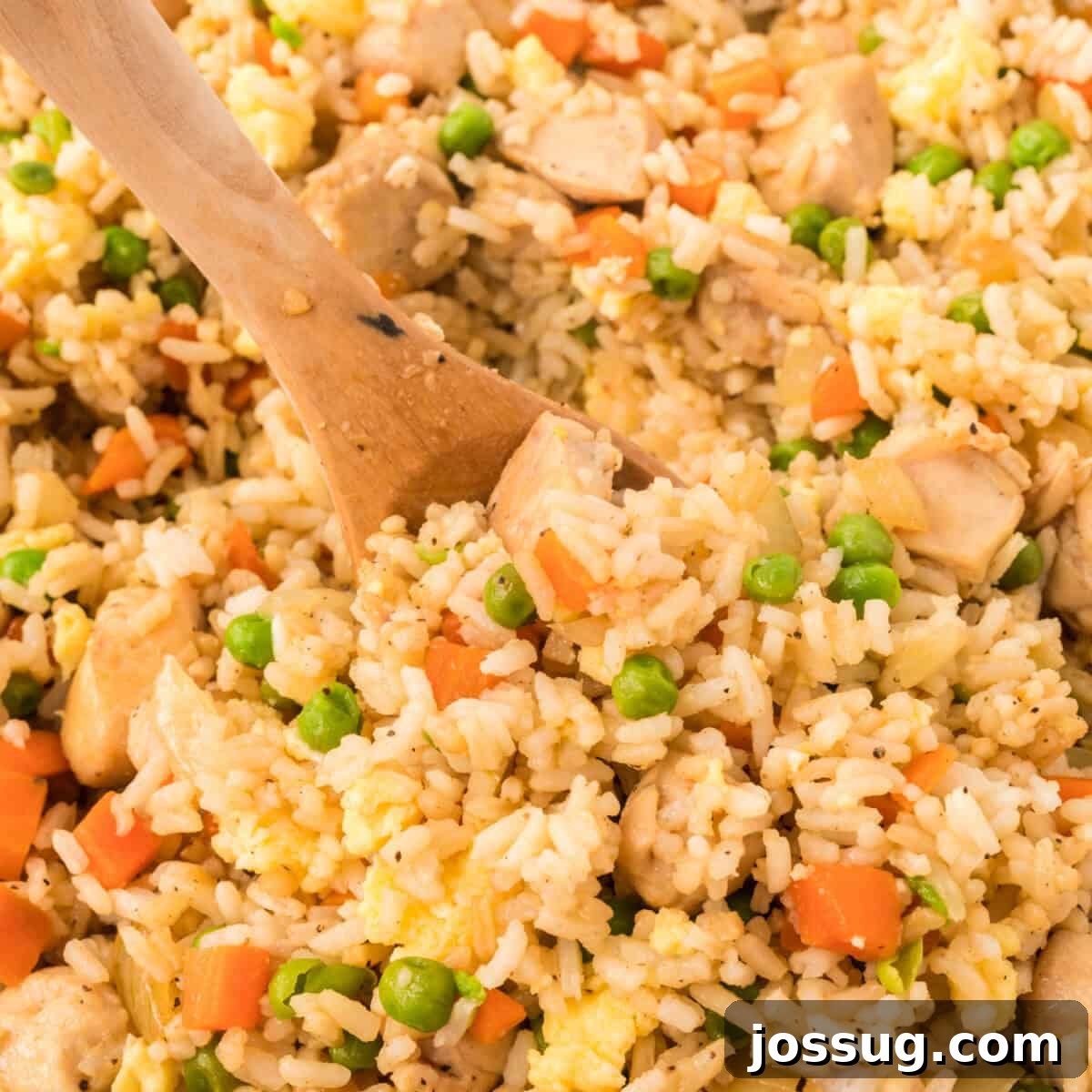
Ultimate Chicken Fried Rice: Your New Weeknight Favorite
Craving the delicious, savory flavors of your favorite takeout fried rice? Look no further! This ultimate Chicken Fried Rice recipe brings that beloved taste right into your kitchen. Not only is it incredibly economical, making the most of ingredients you likely already have, but it’s also wonderfully versatile. Forget bland meals; this dish breathes new life into leftovers and offers endless possibilities for customization. Get ready to impress your family and friends with a simple, satisfying meal that truly rivals any restaurant dish.
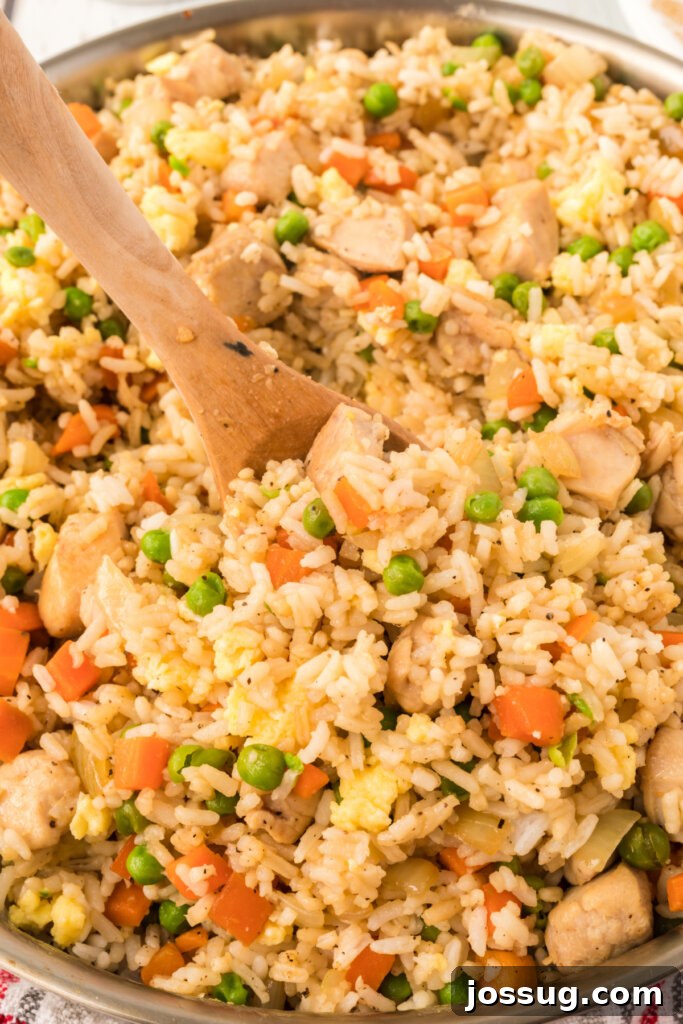
The Allure of Homemade Chicken Fried Rice
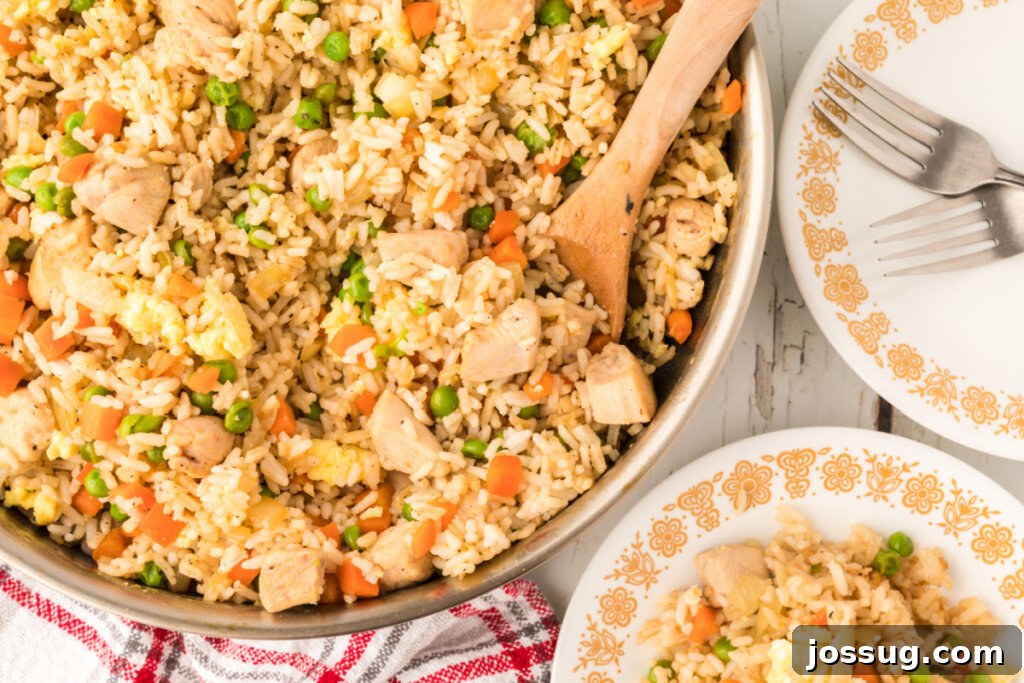
There’s something truly magical about a well-made plate of Chicken Fried Rice. It’s comfort food at its finest – a delightful medley of fluffy rice, tender chicken, vibrant vegetables, and perfectly scrambled egg, all brought together with a savory sauce. For many, it’s a go-to takeout order, but what if we told you that making it at home is not only achievable but often tastes even better? This particular recipe has become an absolute family favorite in our household. Its simplicity belies its incredible depth of flavor, proving that you don’t need fancy ingredients or complicated techniques to create a truly memorable meal.
One of the greatest advantages of preparing Chicken Fried Rice at home is the ability to control every aspect of the dish. You decide on the freshness of the ingredients, the quality of the protein, and the amount of seasoning. This means a healthier, more flavorful, and ultimately more satisfying meal than what you might get from a restaurant. Plus, the sheer joy of creating a dish that’s both quick and satisfying is unparalleled. Once you try this recipe, you might find yourself saying goodbye to takeout nights altogether!
The Secret to Perfect Fried Rice: It’s All About the Leftovers!
If there’s one golden rule for achieving restaurant-quality fried rice, it’s this: **use cold, day-old rice.** This isn’t just a suggestion; it’s a crucial step that prevents your fried rice from becoming mushy and clumpy. When rice is cooked and then chilled, the starches firm up and dry out slightly, allowing individual grains to separate beautifully when stir-fried. Freshly cooked, warm rice, on the other hand, contains too much moisture, leading to a sticky, unappetizing texture.
Beyond the rice, this dish is a masterclass in repurposing. Do you have leftover roast chicken from last night? Perfect! A handful of peas and carrots lingering in the freezer? Ideal! That half onion sitting in your pantry? Grab it! Fried rice is a celebration of what’s on hand, transforming simple ingredients into a brand new, exciting meal. It’s an economical marvel, reducing food waste and saving you money on groceries. The beauty of this approach means you almost always have the components readily available to whip up this quick and easy fried rice whenever the craving strikes.
Unleashing Creativity: Endless Variations for Your Fried Rice
While Chicken Fried Rice is a classic for a reason, its adaptability is truly one of its greatest strengths. Don’t feel confined to just chicken! The basic framework of this recipe allows for an exciting array of protein swaps. Consider succulent shrimp for a seafood twist, savory pork, salty ham, or even the unique flavor of Spam. For those looking for a plant-based option, simply omit the meat and focus on an abundance of vegetables, perhaps adding tofu or tempeh for extra protein.
The same goes for vegetables. This recipe calls for onion, garlic, peas, and carrots, but your options are limitless. Raid your fridge and add whatever fresh or frozen veggies you have: bell peppers, broccoli florets, corn, mushrooms, or even thinly sliced cabbage. For an extra layer of flavor and a touch of sweetness, try adding pineapple tidbits. A dash of grated fresh ginger can also elevate the aroma and give it an authentic Asian flair. Feel free to experiment with seasonings as well; a splash of sesame oil or a pinch of white pepper can make a surprising difference. This dish truly invites you to be creative and make it your own!
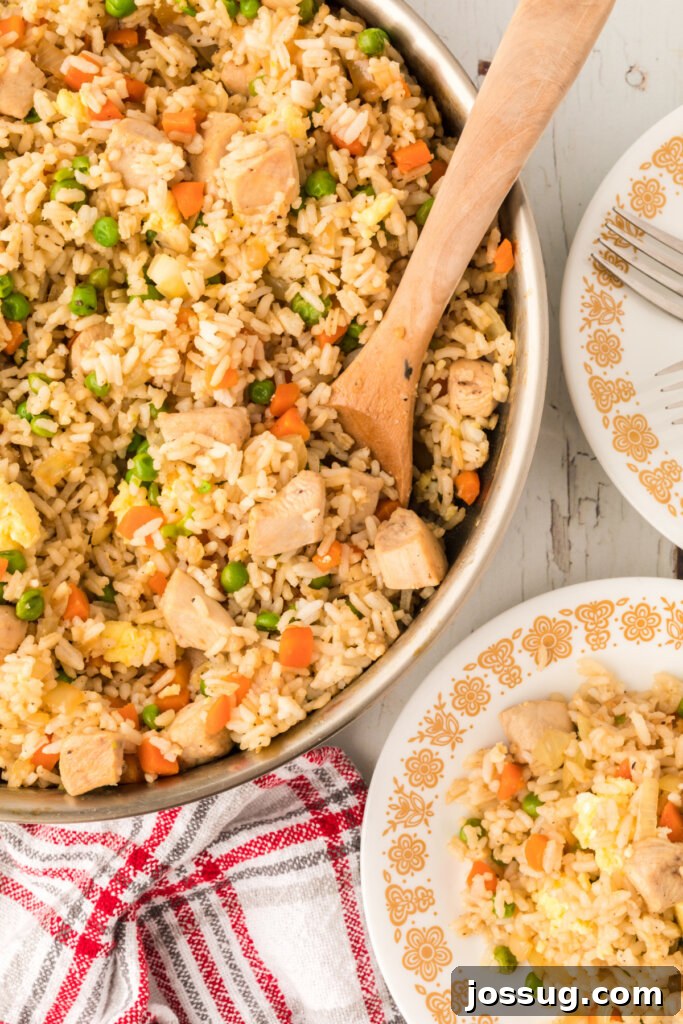
Essential Ingredients for Your Ultimate Chicken Fried Rice
Gathering your ingredients is the first step to creating this delectable fried rice. While the recipe is forgiving and allows for many substitutions, these core components form the foundation of its amazing flavor:
Core Components
- Eggs (Large, Water, Butter): These three simple items come together to create perfectly scrambled eggs, adding texture, color, and a rich, custardy element that is characteristic of classic fried rice.
- Chicken: Our star protein! While cooked chicken breast is often preferred for its lean texture, chicken thighs also work wonderfully and offer a bit more moisture and flavor. Feel free to use leftover rotisserie chicken, baked chicken, or quickly stir-fry fresh chicken before assembling the dish.
- White Rice (Cooked, COLD!): As mentioned, this is non-negotiable for fluffy, separated grains. Plan ahead by cooking your rice at least a few hours, or ideally, a day in advance. Store it uncovered in the fridge to help it dry out.
- Vegetable Oil: Essential for high-heat stir-frying. Canola oil is a great alternative, offering a neutral flavor and high smoke point.
- Onion (Medium, Chopped): Provides a foundational aromatic base and a subtle sweetness when sautéed. Yellow or green onions are both excellent choices, with green onions adding a fresher, milder flavor.
- Garlic (Cloves, Minced): A cornerstone of savory flavor in virtually all Asian-inspired dishes. Freshly minced garlic offers the best punch.
- Peas and Carrots (Frozen, Thawed, Optional): This classic combination adds sweetness, color, and essential nutrients. Using a frozen bag makes preparation incredibly simple. If you’re not a fan, feel free to swap them out for other vegetables.
- Soy Sauce: The quintessential seasoning for fried rice, providing umami depth and saltiness. We often recommend a low-sodium variety to better control the overall saltiness of the dish, allowing you to add more to taste without overdoing it.
- Black Pepper: A simple seasoning that enhances the overall savory profile.
Flavor Enhancers & Optional Additions
- Sesame Oil: A drizzle of toasted sesame oil at the very end adds a wonderfully nutty aroma and depth.
- Fresh Ginger: Minced fresh ginger can be added with the garlic for an extra layer of fragrant spice.
- Sriracha or Chili Garlic Sauce: For those who love a bit of heat, serve with hot sauce on the side or mix a small amount directly into the rice.
- Green Onions/Scallions: Sliced green onions are perfect for garnishing, adding a fresh, slightly pungent crunch and vibrant color.
- Pineapple Tidbits: For a sweet and savory Hawaiian-inspired twist.
Expert Tips for Mastering Homemade Fried Rice
Achieving truly great fried rice at home is simpler than you think, especially with a few key techniques. Follow these expert tips to ensure your dish is always a success:
- Always Use Cold, Cooked Rice: We can’t stress this enough! Day-old, chilled rice is essential for preventing a gummy, clumpy texture. If you’re planning to make fried rice, cook your rice a day ahead and store it in the refrigerator.
- High Heat is Your Friend: Fried rice needs to be cooked quickly over high heat. This gives it that characteristic slightly smoky, toasted flavor and ensures the ingredients cook evenly without steaming. A wok is ideal, but a large, heavy-bottomed skillet also works well.
- Don’t Overcrowd the Pan: Cooking in batches, if necessary, is crucial. Overcrowding lowers the pan’s temperature, leading to steamed rather than fried ingredients. This results in a soggy dish.
- Prep All Ingredients Ahead: Stir-frying is a rapid process. Have all your ingredients chopped, measured, and ready to go before you even turn on the heat. This is often called “mise en place.”
- Switch Up Your Protein: Experiment with different meats like shrimp, pork, ham, or even tofu. For a quick protein, consider using pre-cooked rotisserie chicken or even Spam for a unique twist.
- Vary Your Veggies: Don’t limit yourself to just peas and carrots. Bell peppers, mushrooms, corn, bean sprouts, or broccoli florets can all add delicious flavor and texture.
- Add Ginger for Extra Zing: Freshly grated ginger can impart a wonderful aromatic warmth to your fried rice. Add it along with the garlic for the best results.
- Customize with Condiments: Serve your fried rice with optional additions like Sriracha sauce for heat, extra soy sauce for saltiness, or a drizzle of toasted sesame oil for nutty richness.
- Taste and Adjust: Always taste your fried rice before serving. You might find it needs a little more soy sauce, a pinch of salt, or a dash of black pepper to achieve your perfect flavor balance.
Why Cold Rice is Non-Negotiable for Perfect Fried Rice
The recommendation to use cold, day-old rice in fried rice recipes isn’t just an old wives’ tale; it’s a culinary principle backed by science. When rice is freshly cooked, the starch granules absorb a significant amount of water, making the grains plump, soft, and moist. If you attempt to stir-fry this warm, hydrated rice, it will inevitably clump together, stick to the pan, and turn into a sticky, mushy mess rather than distinct, separate grains. The high moisture content causes the rice to steam instead of fry, preventing the development of that desirable slightly toasted texture and flavor.
Chilling cooked rice fundamentally changes its structure. As it cools, the starch retrogrades, meaning it undergoes a process where the starch molecules realign and become firmer. This process effectively dries out the surface of the rice grains and makes them less prone to clumping. When these cold, firm grains hit a hot wok or skillet, they can be easily separated and tossed, allowing them to truly “fry” and develop a slightly crispy exterior. This results in the perfect texture: tender on the inside, with a satisfying bite on the outside, and each grain beautifully distinct. So, resist the urge to use fresh rice; planning ahead is key for superior homemade fried rice.
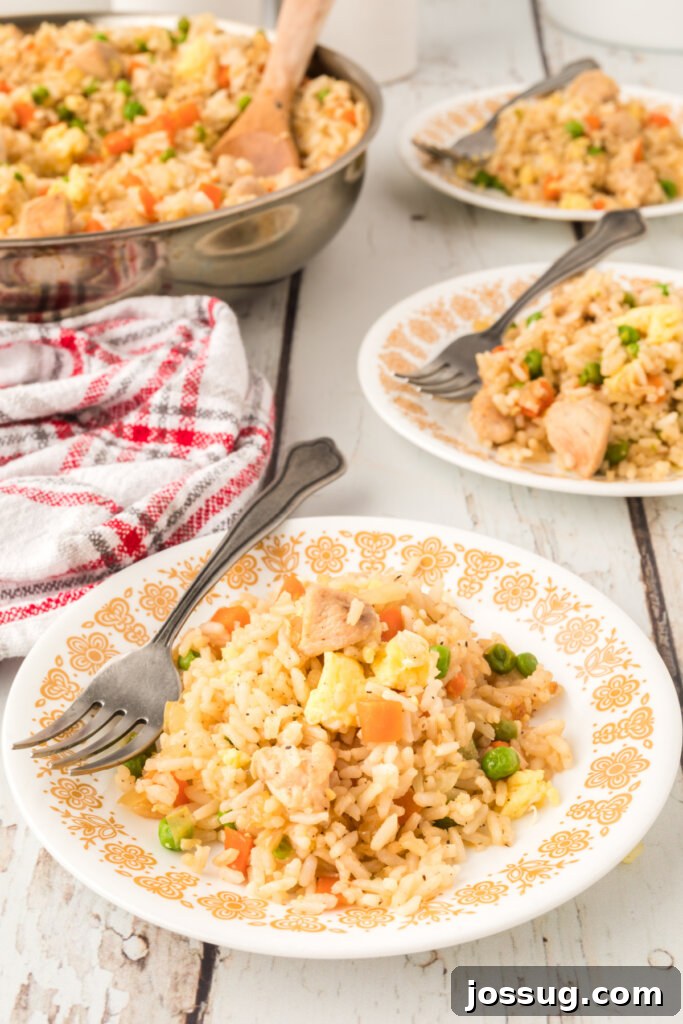
Step-by-Step Guide: How to Cook Chicken Fried Rice Like a Pro
Follow these simple steps to create a delicious and authentic chicken fried rice that will rival any restaurant:
Preparation
- In a small bowl, whisk together the eggs and water until well combined. This ensures fluffy scrambled eggs.
- Thaw your frozen peas and carrots, if using. Have your chopped onion, minced garlic, cold cooked chicken, and soy sauce measured and ready.
Cooking Process
- Melt the butter in a large skillet or wok over medium-low heat. Pour in the egg mixture and scramble until fully cooked through and slightly set. Remove the scrambled egg from the skillet and transfer it to a small bowl; set aside.
- Increase the heat to medium-high. Add the vegetable oil to the same pan. Once the oil is shimmering, add the chopped onion, minced garlic, and thawed peas and carrots (if using). Sauté for 3-5 minutes, stirring frequently, until the onion becomes soft and translucent and the garlic is fragrant. Be careful not to burn the garlic.
- Add the cold cooked white rice to the pan. Break up any clumps with your spatula. Pour in the soy sauce and sprinkle with black pepper. Add the cooked chicken meat.
- Stir-fry everything together for about 3-5 minutes. Ensure the rice is thoroughly coated with the soy sauce and seasonings, and all ingredients are well combined and heated through. The rice should develop a slight toasted aroma.
- Finally, add the reserved scrambled eggs back into the pan. Stir gently to incorporate them into the fried rice mixture.
- Serve hot and enjoy your homemade chicken fried rice!
Common Questions About Chicken Fried Rice (FAQs)
What kind of onions should I use?
For this recipe, both yellow onions and green onions (scallions) work wonderfully. Yellow onions provide a more robust, slightly sweet flavor when sautéed, forming a great base. Green onions, especially when added at the end or used as a garnish, offer a milder, fresher taste and a pop of vibrant color. You can use a combination of both for the best of both worlds!
Many recipes use sesame oil. Can I add it to this dish?
Absolutely! Toasted sesame oil is a fantastic addition to fried rice. Its distinctive nutty aroma and flavor truly enhance the overall profile of the dish. While this recipe is perfectly delicious without it, a small drizzle (about 1-2 teaspoons) at the very end, just before serving, can elevate the flavors significantly. Remember, a little goes a long way with sesame oil due to its potent flavor.
Can you use brown rice instead of white rice?
Yes, you certainly can! Brown rice makes a healthier and heartier fried rice, offering more fiber and nutrients. The key, just like with white rice, is to ensure it is cooked and then thoroughly chilled (preferably day-old) before stir-frying. This will help prevent it from becoming mushy. The cooking time for brown rice is longer, so plan accordingly.
What kind of soy sauce should I use?
When preparing this dish, we generally recommend opting for a low-sodium soy sauce. This gives you greater control over the saltiness of the fried rice, allowing you to season to taste without accidentally making it too salty. It’s also a healthier choice! However, if you prefer the robust flavor of regular soy sauce and are confident in your seasoning, feel free to use your preferred brand.
How many servings does this Chicken Fried Rice make?
This recipe is designed to yield approximately 6 to 8 generous servings. It’s usually enough for a small family to enjoy seconds, or for a medium-sized group as a main course. If you’re feeding a larger crowd or hosting a gathering, consider doubling the recipe or making two separate batches to ensure everyone gets plenty.
How long does it take to make Chicken Fried Rice?
One of the best aspects of this recipe is its speed! Once your rice is cooked and chilled, the active preparation time is remarkably short. You’ll spend about 10 minutes on prep (chopping veggies, whisking eggs) and roughly 20 minutes on cooking. This means you can have a fresh, flavorful meal on the table in just about 30 minutes total!
Serving Suggestions and Pairing
Chicken Fried Rice is a complete meal on its own, offering protein, grains, and vegetables. However, it also pairs beautifully with a variety of other dishes. For a classic Asian-inspired feast, consider serving it alongside crispy egg rolls, light and refreshing cucumber salad, or a simple bowl of hot and sour soup. A side of steamed dumplings or spring rolls would also complement the flavors perfectly. Don’t forget to offer optional condiments like Sriracha, extra soy sauce, or even a dash of chili garlic sauce for those who enjoy a little extra kick!
Storage and Reheating Your Delicious Fried Rice
One of the many benefits of fried rice is how well it keeps and reheats, making it an excellent option for meal prep or enjoying leftovers. Store any cooled fried rice in an airtight container in the refrigerator for up to 3-4 days. To reheat, you can use a microwave for convenience, but for best results, we recommend reheating it in a skillet over medium heat with a tiny bit of oil. This helps to bring back some of that wonderful fried texture. Stir occasionally until heated through. Add a splash of water or soy sauce if it seems too dry. Enjoying this dish again is almost as good as the first time!
More Asian-Inspired Recipes to Explore
- Cheeseburger Fried Rice
- Ham and Pineapple Fried Rice
- Asian-Baked Salmon with Veggie Fried Rice
- Stick of Butter Rice
- Ground Pork Egg Rolls
Chicken Fried Rice
10 mins
20 mins
30 mins
8 servings
Print Recipe
Equipment
- Cutting Board
- Knife
- Measuring Cups and Spoons
- Wok Spatula
- Wok – Traditional Hand Hammered Carbon Steel (14 Inch, Round Bottom)
Ingredients
- 2 large eggs
- 2 tablespoons water
- 2 tablespoons butter
- 2 tablespoons vegetable oil
- 1 medium onion, chopped
- 2-3 cloves garlic, minced
- 1 bag frozen peas and carrots, thawed, (optional), 12-16 oz.
- 4 cups cooked white rice, cold (see note below)
- ¼ cup soy sauce
- 1 teaspoon black pepper
- 2 cups cooked chicken meat, or meat of choice
Instructions
- In a small bowl, beat the egg with water until well combined.
- Melt butter in a large skillet or wok over medium-low heat. Add the egg mixture and scramble until cooked through. Remove the scrambled egg from the skillet to a small bowl and set aside.
- Heat vegetable oil in the same pan over medium-high heat. Add the chopped onion, minced garlic, and thawed peas and carrots. Sauté, stirring frequently, until the onion is soft and translucent (about 3-5 minutes).
- Add the cold cooked rice, soy sauce, black pepper, and cooked chicken to the pan. Stir-fry everything together for about 3-5 minutes, ensuring the mixture is well combined and heated through. Break up any rice clumps with your spatula.
- Finally, return the scrambled eggs to the pan. Stir gently to incorporate them into the fried rice.
- Serve hot immediately.
Notes
- It is very important to use COLD, cooked white rice for this recipe to achieve the best texture and prevent sogginess!
Nutrition
Carbohydrates: 28 g
Protein: 15 g
Fat: 10 g
Saturated Fat: 3 g
Polyunsaturated Fat: 3 g
Monounsaturated Fat: 3 g
Trans Fat: 0.1 g
Cholesterol: 80 mg
Sodium: 501 mg
Potassium: 237 mg
Fiber: 2 g
Sugar: 1 g
Vitamin A: 3542 IU
Vitamin C: 5 mg
Calcium: 37 mg
Iron: 1 mg
Nutrition information is automatically calculated, so should only be used as an approximation.
Originally published on April 26, 2012. Updated on June 13, 2022.