
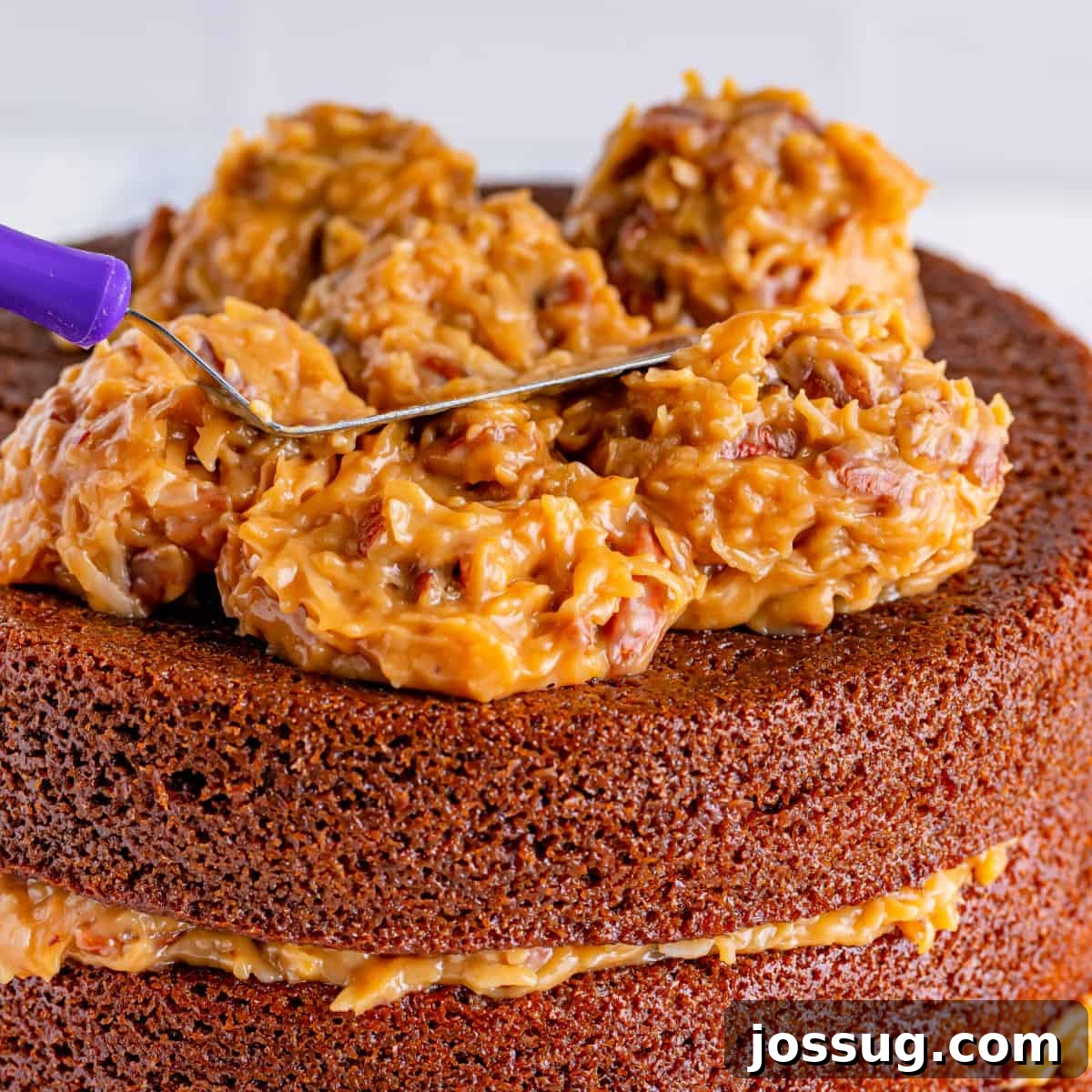
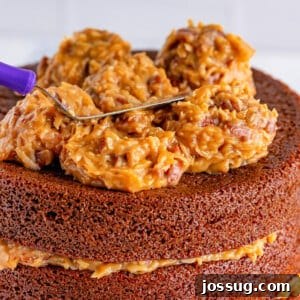
Experience the ideal companion for German Chocolate Cake with our easy-to-make Coconut Pecan Frosting. Thick, sweet, and buttery, it’s also a hit with cupcakes!
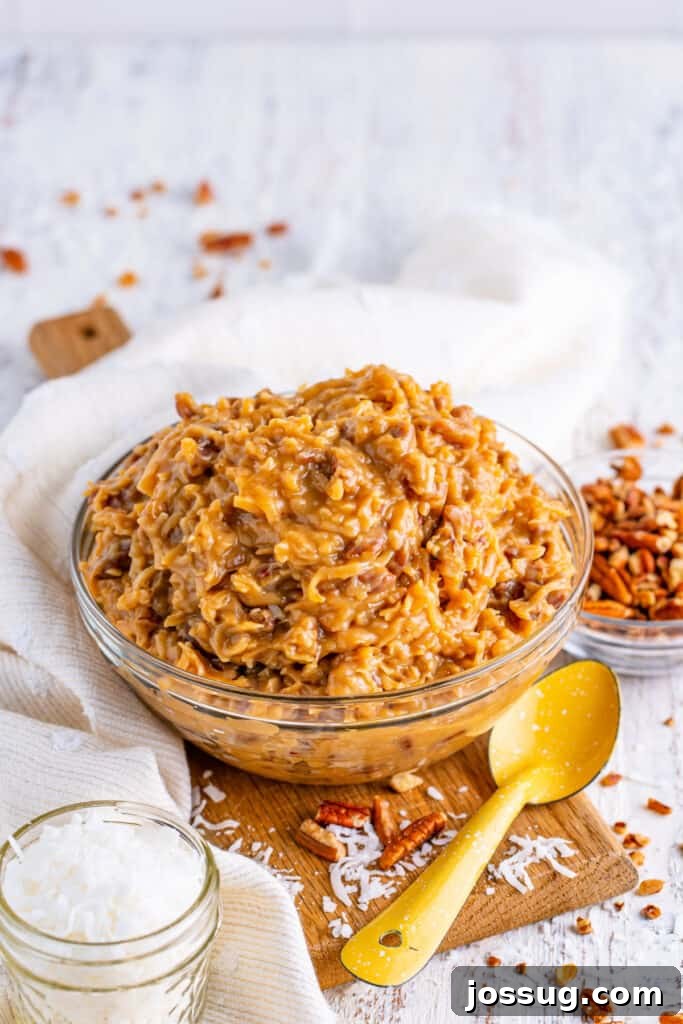
The Ultimate Coconut Pecan Frosting: A Homemade Delight for German Chocolate Cake & Beyond
For discerning dessert lovers, the German Chocolate Cake stands as a testament to deep, rich flavors and satisfying textures. Yet, what truly elevates this classic American dessert (despite its German-sounding name, referring to an American baker, Samuel German) is its iconic topping: the luscious Coconut Pecan Frosting. This extraordinary frosting isn’t just an afterthought; it’s a meticulously crafted complement designed to balance the intense cocoa notes of the cake with its own unique blend of sweetness, nuttiness, and irresistible chewiness. If you’re ready to transform your baking and create a truly memorable dessert, mastering this homemade Coconut Pecan Frosting recipe is your next step. Our guide provides an easy-to-follow method for achieving a thick, sweet, and buttery frosting that will make every bite of your German Chocolate Cake, or any other dessert, a pure indulgence.
Why This Homemade Coconut Pecan Frosting Recipe is a Game Changer
While the allure of convenience often leads us to pre-made frostings, the profound difference in taste and texture offered by homemade Coconut Pecan Frosting makes the endeavor undeniably worthwhile. Crafting this rich, creamy topping from scratch ensures a freshness and depth of flavor that simply cannot be replicated by store-bought alternatives. The process itself is surprisingly straightforward, culminating in a velvety, caramel-like concoction that promises to be the perfect counterpoint to any chocolate cake or sweet treat. Imagine the satisfaction of presenting a dessert adorned with a frosting made with your own hands, brimming with wholesome ingredients and unparalleled taste.
The Signature Taste: A Symphony of Sweet, Nutty, and Creamy
What makes Coconut Pecan Frosting so universally adored? It’s a masterful interplay of components that create a complex yet comforting flavor profile. The foundation is a rich, buttery custard, cooked to a perfect consistency, offering a smooth and luxurious base. Brown sugar lends deep, caramel-like undertones, adding warmth and a hint of molasses that pairs exquisitely with chocolate. Then come the stars: tender, moist flakes of sweetened coconut contribute a delightful chewiness and tropical sweetness, while crunchy, earthy pecans provide a welcome textural contrast and a rich, nutty depth. The overall result is a frosting that’s profoundly sweet yet perfectly balanced, incredibly creamy, and studded with pockets of satisfying texture. This isn’t just an icing; it’s an experience that defines the German Chocolate Cake and elevates any dessert it graces.
Beyond the Traditional: Versatility in Your Kitchen
While the German Chocolate Cake is the spiritual home of Coconut Pecan Frosting, its incredible deliciousness and robust character make it far too versatile to be limited to just one application. Its ability to marry rich, sweet, and nutty flavors means it can elevate a wide array of sweet treats. Picture fluffy chocolate or vanilla cupcakes crowned with a generous, artfully piped dollop of this frosting, transforming simple bakes into sophisticated delights. Think of it as a decadent topping for your favorite fudgy brownies, adding a layer of chewy, caramelized goodness. From dessert bars to even breakfast indulgences, the adaptability of this frosting means your culinary creativity knows no bounds. This recipe isn’t just for a specific cake; it’s an indispensable tool for any home baker looking to add a touch of gourmet flair.
Mastering the Recipe: Essential Ingredients and Smart Substitutions
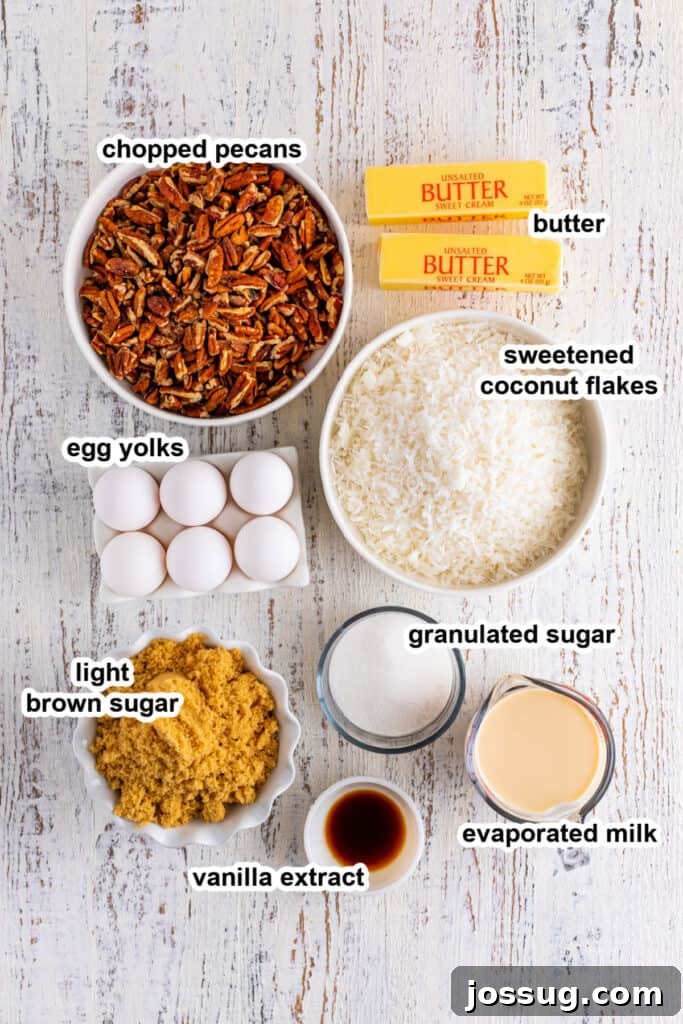
The journey to creating an unforgettable Coconut Pecan Frosting begins with understanding each ingredient and its vital role. This section breaks down the core components, explaining what they bring to the table, and offers practical substitutions to ensure you can whip up this delightful treat even with varied pantry supplies or specific dietary considerations.
Core Ingredients and Their Culinary Contribution
- Brown Sugar (Light, packed): More than just a sweetener, brown sugar is crucial for the frosting’s signature caramel-like depth and beautiful golden hue. Its molasses content also contributes to the frosting’s slightly chewy and moist texture, making it distinct from powdered sugar-based frostings.
- Granulated Sugar: This provides pure, straightforward sweetness, working in concert with the brown sugar to achieve the perfect balance. It also aids in the frosting’s structural integrity, contributing to its smooth consistency as it cooks and thickens on the stovetop.
- Unsalted Butter (cut into tablespoons): As the primary fat component, butter delivers unparalleled richness and that luxurious, melt-in-your-mouth quality. Using unsalted butter gives you precise control over the overall saltiness of the frosting, allowing the other flavors to shine without being overwhelmed.
- Egg Yolks (large): These are the secret to the frosting’s exceptional creaminess and velvety custard-like texture. Egg yolks act as a natural emulsifier, binding all the fats and liquids together, preventing separation, and adding a beautiful, naturally golden color. They create a truly decadent mouthfeel.
- Evaporated Milk (12 ounces can): This concentrated milk is fundamental to the frosting’s dense, creamy texture and profound flavor. Unlike regular milk, evaporated milk provides a thicker consistency and a subtle cooked-milk richness that deepens the overall taste, making the frosting incredibly satisfying.
- Vanilla Extract: A universal flavor enhancer, vanilla extract adds a warm, aromatic dimension to the frosting. It harmonizes with and magnifies the caramel notes from the brown sugar and the nutty flavors of the pecans, making the entire profile more complex and inviting.
- Sweetened Coconut Flakes: The star of the show, sweetened coconut flakes infuse the frosting with its characteristic tropical sweetness and chewy texture. They are essential for achieving that unmistakable coconut flavor and play a critical role in the overall mouthfeel.
- Chopped Pecans: Providing the “pecan” in Coconut Pecan Frosting, these nuts offer a delightful crunch and a distinctly rich, earthy, buttery flavor. Their presence provides a crucial textural contrast to the smooth frosting and complements the coconut beautifully.
Intelligent Ingredient Substitutions for Every Baker
Life happens, and sometimes you don’t have every ingredient. Here’s how you can adapt the recipe while still achieving a delicious outcome:
- Brown Sugar: If you only have dark brown sugar, use it – it will give the frosting an even deeper molasses flavor and richer color. For a light brown sugar substitute, you can mix 1 cup granulated sugar with 1 tablespoon of molasses, though this can slightly alter texture.
- Granulated Sugar: Powdered sugar (confectioners’ sugar) can be used cup for cup for an even smoother, slightly softer frosting. Alternatively, if seeking to reduce sugar, you might try a blend of granulated sugar with a sugar substitute, but monitor consistency and taste carefully as some substitutes behave differently when heated.
- Unsalted Butter: Salted butter is a viable substitute; simply omit any additional salt if the original recipe calls for it, or reduce it significantly. For a dairy-free version, a high-quality, plant-based butter alternative can be used, often with excellent results in terms of richness.
- Egg Yolks: For a vegan option, try replacing each egg yolk with 1 tablespoon of unsweetened applesauce or mashed banana (note: this will introduce a fruity undertone). Commercial egg replacers formulated for baking can also work, but always follow package instructions closely.
- Evaporated Milk: A combination of whole milk and heavy cream (roughly 3 parts whole milk to 1 part heavy cream) can mimic the richness. For a dairy-free and extra coconutty version, full-fat canned coconut milk (not the beverage kind) is an excellent choice.
- Vanilla Extract: Experiment with other extracts for a unique twist! Almond extract offers a sophisticated nutty flavor, rum extract can add warmth, or a touch of coffee extract can deepen the chocolate notes if pairing with a chocolate cake.
- Sweetened Coconut Flakes: Unsweetened coconut flakes can be used for a less sweet frosting. You might then want to increase the granulated sugar slightly to compensate, depending on your sweetness preference. Toasting either sweetened or unsweetened flakes before adding can boost their flavor profile.
- Chopped Pecans: If allergies or preferences dictate, chopped walnuts or almonds are excellent nutty substitutes. For a completely nut-free frosting, you can omit them or add toasted sunflower or pumpkin seeds for a similar crunch element.
Each substitution offers a chance to personalize this classic recipe, so don’t hesitate to tailor it to your dietary needs or simply to explore new flavor dimensions. Remember to taste and adjust as you go!
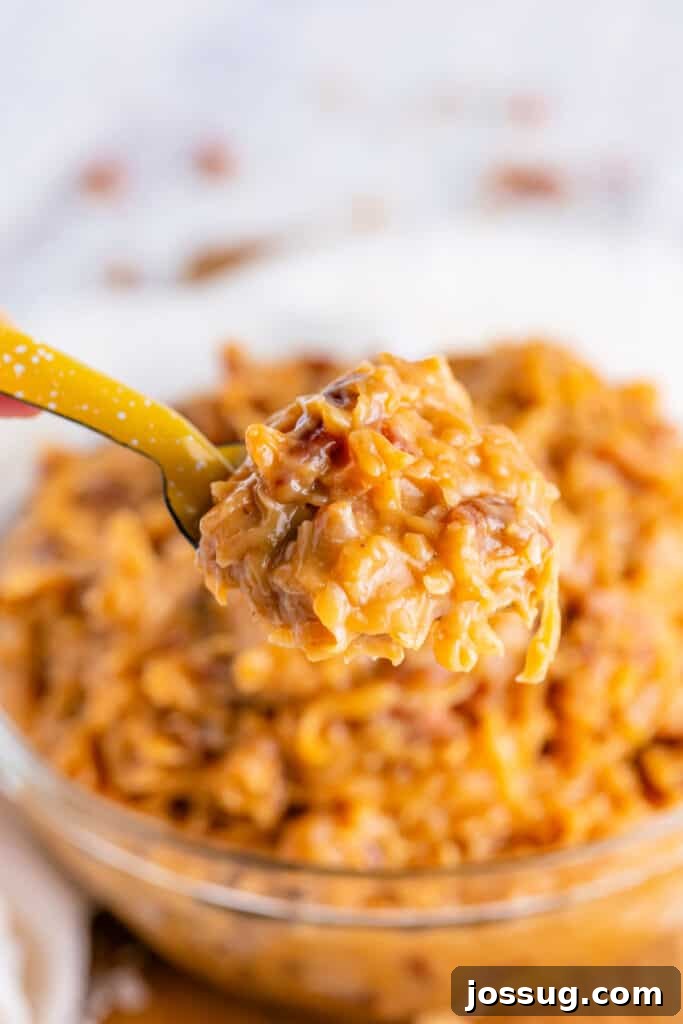
Step-by-Step Guide: Crafting Your Perfect Coconut Pecan Frosting
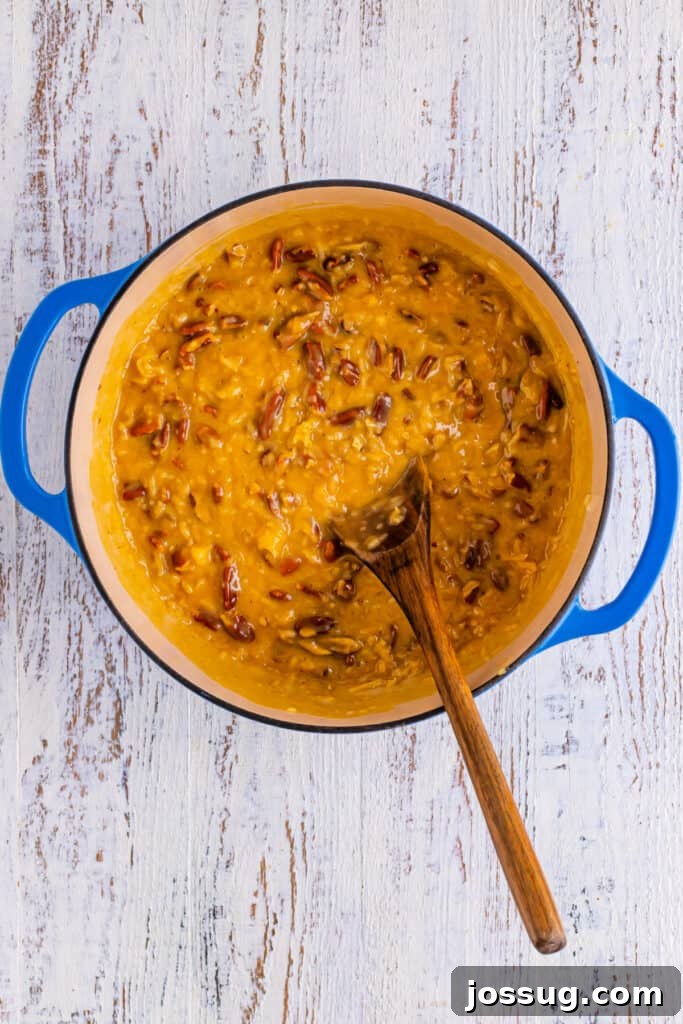
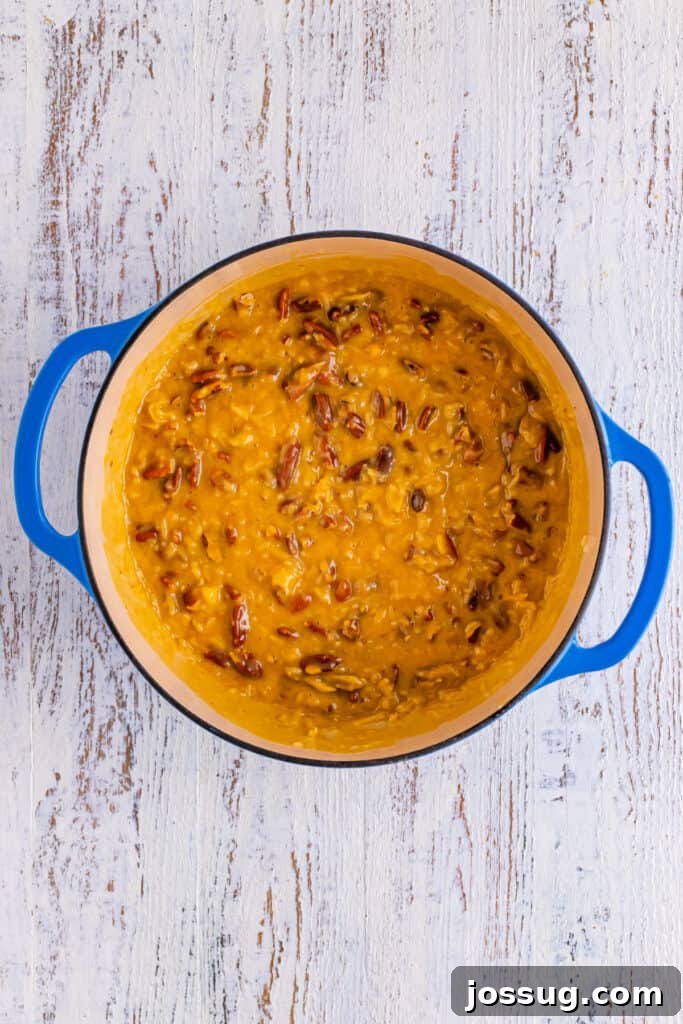
Creating this irresistible Coconut Pecan Frosting is a delightful process that’s easier than you might think. By following these clear, detailed steps, you’ll achieve a smooth, rich, and perfectly textured frosting every time. Pay close attention to the cooking and whisking, as these are key to success.
Creative Serving Suggestions for Your Homemade Coconut Pecan Frosting
While the classic German Chocolate Cake is the traditional, and perhaps most beloved, partner for this delectable frosting, its rich, sweet, and nutty profile makes it incredibly versatile. Don’t limit your culinary imagination! Explore these diverse and delicious serving suggestions to bring a touch of gourmet flavor and comforting sweetness to a wide array of desserts and even breakfasts.
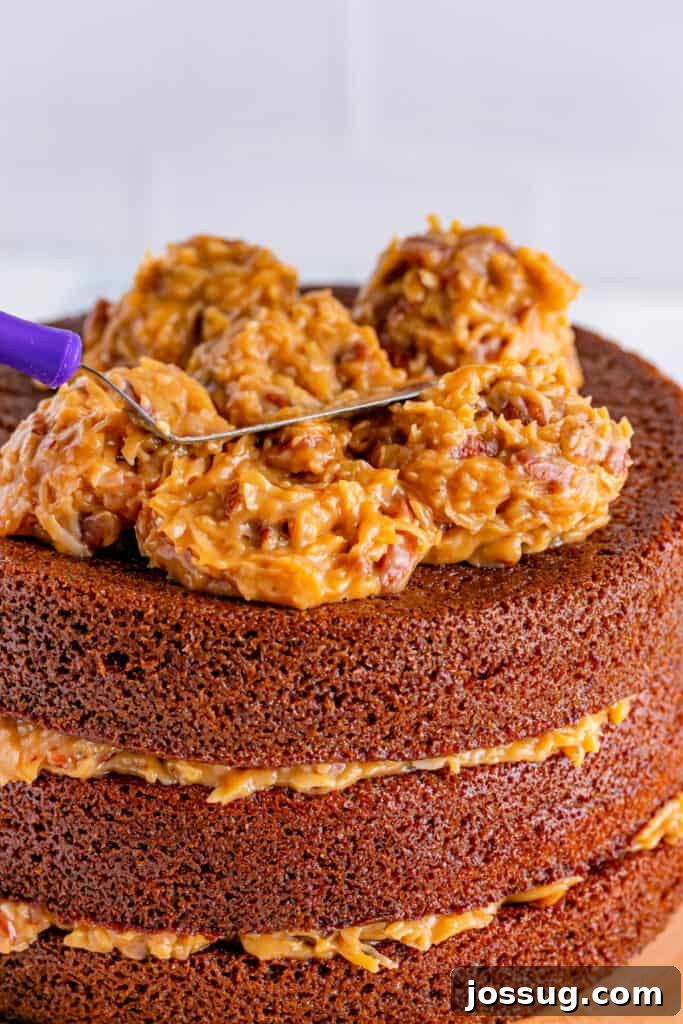
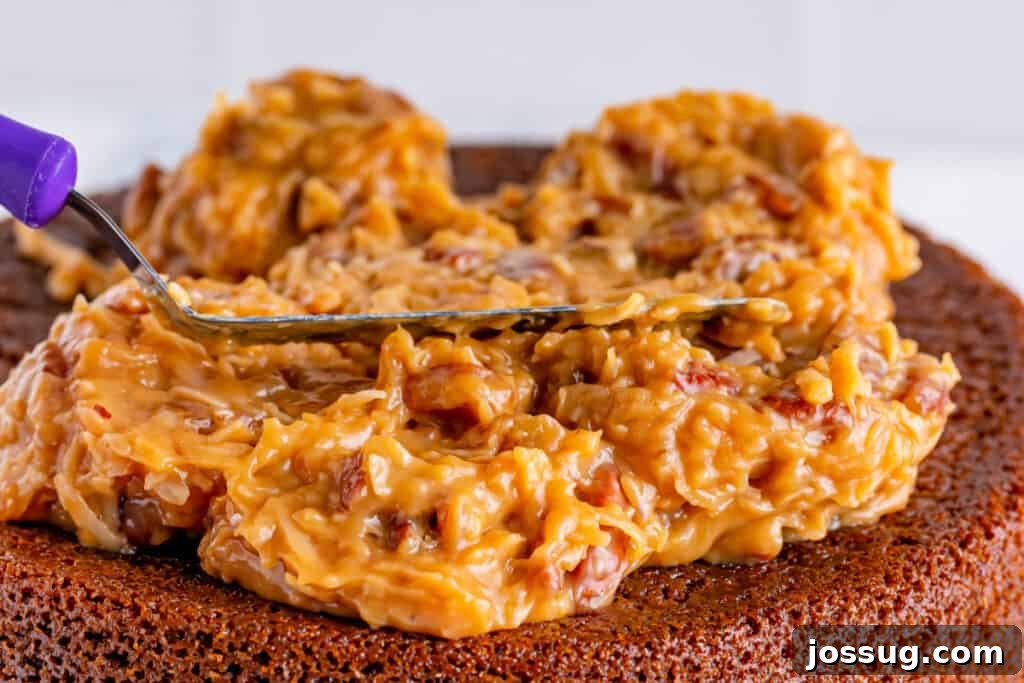
- The Quintessential German Chocolate Cake: This is its true calling. Spread generously between moist chocolate cake layers and lavishly over the top and sides. The complex notes of the frosting perfectly complement the deep cocoa, creating an iconic and harmonious dessert experience that’s truly unforgettable.
- Elevated Cupcakes: Transform ordinary chocolate or vanilla cupcakes into miniature gourmet treats. Pipe or artfully spoon a generous swirl of Coconut Pecan Frosting onto each cupcake. Garnish with a whole pecan or a light sprinkle of extra toasted coconut for a visually appealing and texturally rich bite.
- Decadent Brownie Topping: Move beyond simple fudge. Once your favorite fudgy brownies have cooled slightly, spread a luxurious layer of this warm or room-temperature frosting over them. The interplay between the dense, chewy brownie and the creamy, nutty frosting creates an irresistible dessert bar.
- Gourmet Cookie Sandwiches or Toppers: Elevate your cookie game by using this frosting as a filling. Sandwich a generous dollop between two soft oatmeal cookies, chocolate chip cookies, or even delicate shortbread for an incredible textural and flavor contrast. Alternatively, use it as a dollop on top of plain cookies for an instant upgrade.
- Innovative Pie Filling or Topping: While unconventional, this frosting can add an amazing, unexpected twist to pies. Consider using it as a luscious layer in a no-bake chocolate cream pie, or gently warm it and drizzle it over a classic apple or pumpkin pie for a surprising nutty, caramel-coconut flair.
- Warm Ice Cream Drizzle: For a delightful treat, gently warm the Coconut Pecan Frosting until it’s slightly pourable. Generously drizzle it over scoops of vanilla bean, chocolate, coffee, or even coconut-flavored ice cream. The warm, gooey frosting mingling with the cold ice cream creates an incredible sensory experience.
- Indulgent Breakfast Pancakes or Waffles: Turn a regular breakfast into a special occasion. Spread a thin layer of this frosting on warm, fluffy buttermilk pancakes or crispy golden waffles instead of traditional syrup. It offers a wonderfully rich, sweet, and satisfying start to your day.
- Layered Dessert Bars: Integrate this versatile frosting as a middle layer in various layered dessert bars, such as layered cookie bars, shortbread bars, or even a variation of pecan pie bars. It provides a sticky, sweet, and nutty dimension that enhances the complexity of your baked goods.
- Unique Fruit Dip: For an unexpectedly delicious and relatively lighter snack, serve chilled Coconut Pecan Frosting alongside slices of fresh fruit. It pairs beautifully with tart apples, sweet bananas, juicy strawberries, or crisp pear slices, offering a creamy, sweet contrast.
- Elegant Trifle Component: Assemble a stunning and delicious trifle by layering cubes of sponge cake, fluffy whipped cream, fresh berries, and generous dollops of Coconut Pecan Frosting. This creates a visually impressive dessert with layers of contrasting textures and flavors.
- Stuffed French Toast Filling: Elevate your French toast game! Spread a layer of this rich frosting between two slices of brioche or challah bread before dipping them in egg batter and pan-frying. The warm, gooey filling inside crispy French toast creates an unforgettable breakfast or brunch indulgence.
- Sweetened Yogurt Parfait: For a quick yet satisfying dessert or breakfast, layer creamy Greek yogurt, crunchy granola, and small dollops of Coconut Pecan Frosting. It adds a sweet, creamy, and nutty element that makes your parfait feel exceptionally special and decadent.
Frequently Asked Questions About Coconut Pecan Frosting
To ensure your Coconut Pecan Frosting turns out perfect every time and to address any common queries you might have, we’ve compiled a list of frequently asked questions. These tips cover everything from ingredient adjustments to storage, helping you confidently master this delicious recipe.
Yes, absolutely! If you prefer a less sweet frosting or wish to control the sugar levels more precisely, unsweetened coconut flakes are a perfect substitute. Keep in mind that you might need to slightly increase the granulated sugar in the saucepan mixture by a tablespoon or two to achieve your desired sweetness, so taste and adjust accordingly.
Once the frosting has fully cooled, transfer it to an airtight container and store it in the refrigerator for up to 5 days. For the best consistency and ease of spreading, always bring the frosting back to room temperature for at least an hour or two before you plan to use it. This will restore its creamy texture.
Indeed, this frosting freezes beautifully! You can store it in an airtight, freezer-safe container for up to 3 months. When you’re ready to enjoy it, simply transfer the container to the refrigerator to thaw overnight. Once thawed, let it come to room temperature and give it a good stir before using.
Yes, and it’s highly recommended for an even deeper flavor profile! Toasting the coconut flakes and chopped pecans before adding them to the frosting will significantly enhance their natural flavors and aromas. Spread them on a baking sheet and toast in a preheated oven at 350°F (175°C) for 5-10 minutes, stirring occasionally, until golden brown and fragrant. Let them cool completely before incorporating.
Absolutely! While it’s traditionally used with German Chocolate Cake, its rich, versatile flavor pairs wonderfully with other cakes. Consider using it on a classic vanilla cake, a moist carrot cake, or even a spicy pumpkin cake for an unexpected yet delicious combination. Feel free to experiment!
Yes, you can certainly adjust the sweetness. If you prefer a slightly less sweet frosting, you can reduce the amount of granulated sugar by 1-2 tablespoons without significantly impacting the consistency. Always taste the mixture once it has thickened (before adding vanilla, coconut, and pecans) and adjust to your preference.
If your frosting is too thin after cooling, you can gently reheat it over very low heat, whisking constantly, to allow it to thicken further. Be extremely cautious not to scramble the egg yolks. If it’s too thick, you can whisk in a tablespoon of evaporated milk (or regular milk) at a time until it reaches your desired, spreadable consistency. Ensure it’s at room temperature for an accurate assessment.
Explore More Delicious Recipes You Might Enjoy
- German Potato Salad
- German Chocolate Fudge
- Pumpkin Pecan Bread
- Coconut Cream Poke Cake
- Cherry Coconut Magic Bars
4.50 from 2 votes
20
servings
Coconut Pecan Frosting
Jamie Sherman
1
10
11
Pin This Recipe
Equipment
-
Can Opener
-
Measuring Cups and Spoons
-
Rubber Spatula or Wooden Spoon
-
Whisk
-
Medium Saucepan
Ingredients
- 1 ½ cups light brown sugar, packed
- ½ cup granulated sugar
- 1 cup unsalted butter, cut into tablespoons
- 6 large egg yolks
- 1 can evaporated milk, 12 ounces
- 1 tablespoon vanilla extract
- 2 ½ cups sweetened coconut flakes
- 2 ½ cups chopped pecans
Instructions
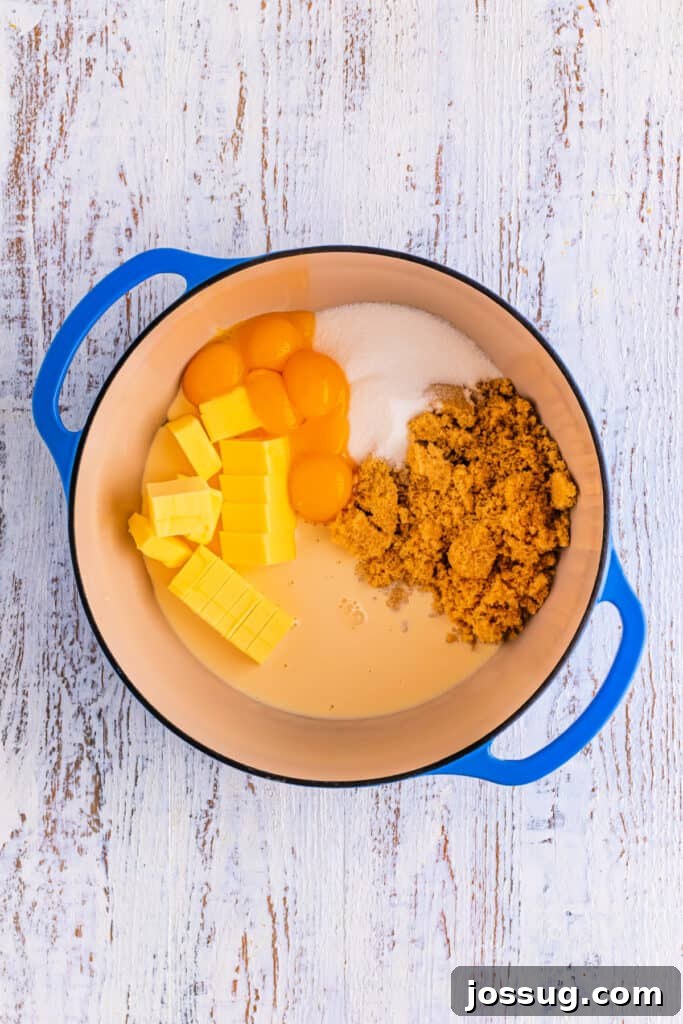
- Place the brown sugar, granulated sugar, butter, egg yolks, and evaporated milk in a saucepan.
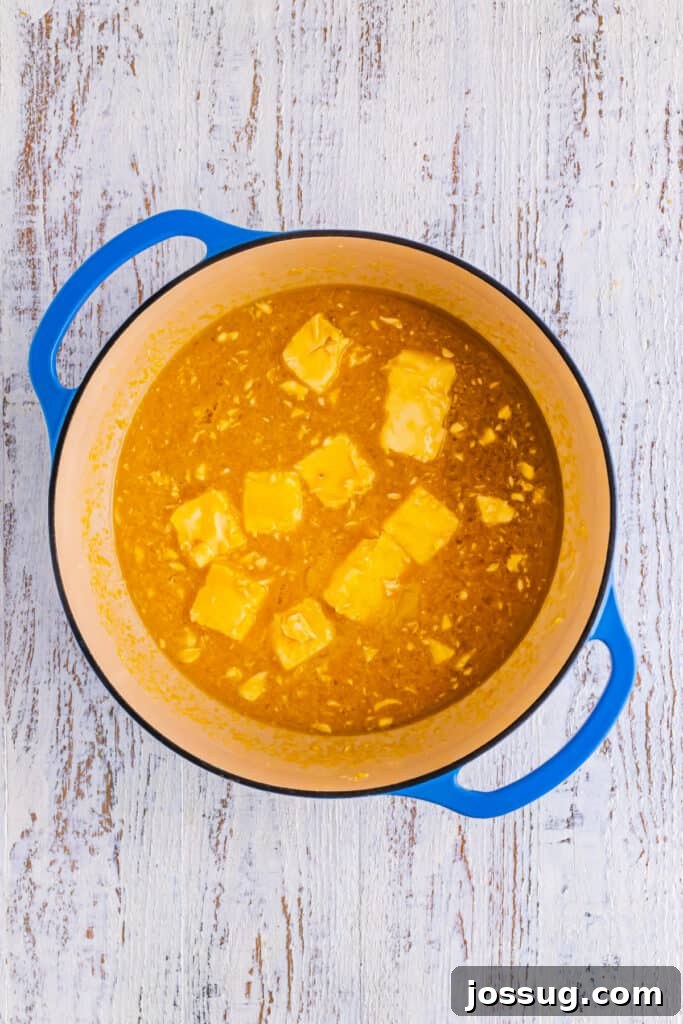
- Whisk until well combined; you may still see small chunks of butter, which is fine as they will melt during cooking.
- Place the saucepan over medium heat and cook, constantly whisking, until the mixture comes to a gentle simmer.
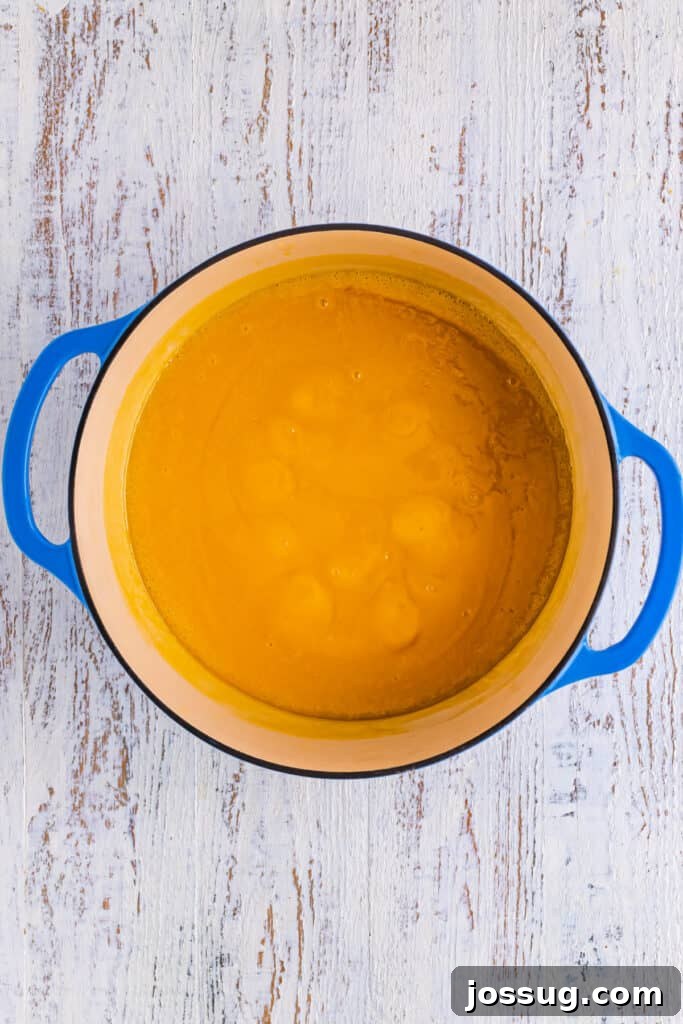
- Once simmering, continue to whisk steadily for about 2 minutes, or until the frosting visibly thickens to a consistency that coats the back of a spoon.
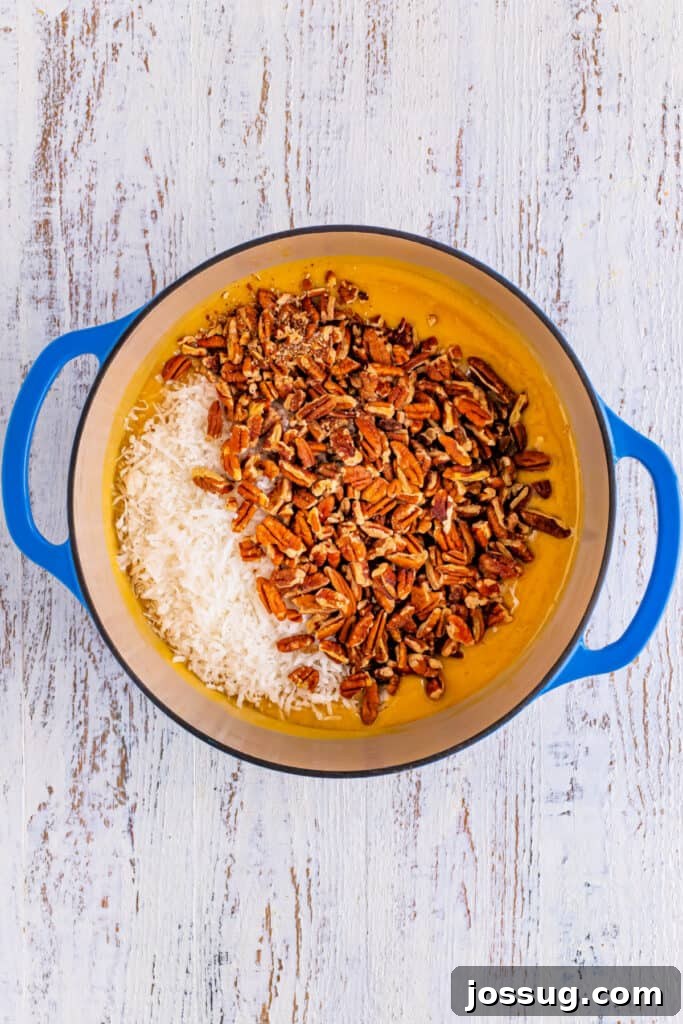
- Remove the saucepan from the heat. Stir in the vanilla extract, sweetened coconut flakes, and chopped pecans until all ingredients are evenly distributed.
- Transfer the mixture to a heatproof bowl and allow it to cool completely to room temperature before using. The frosting will thicken further as it cools.
Notes
- Once cooled, store the frosting in an airtight container in the fridge for up to 5 days. It is easiest to spread when at room temperature, so allow it to sit out for an hour or two before frosting cakes or cupcakes.
- You can freeze this frosting for up to 3 months. Thaw it in the refrigerator overnight, then bring it to room temperature and stir well before using.
- For an enhanced depth of flavor, consider lightly toasting the coconut and pecans before adding them to the frosting mixture.
- This recipe yields approximately 5 cups of frosting, which is enough to generously frost a 2-layer cake or provide a “naked” frosting for a 3-layer cake with lighter coverage.
- If the frosting seems too thick after cooling, you can whisk in a tiny bit of evaporated milk (a teaspoon at a time) until it reaches your desired consistency. If it’s too thin, a gentle reheat with constant whisking can thicken it further, but be cautious not to scramble the egg yolks.
Nutrition
Serving: 0.25 cup | Calories: 348kcal | Carbohydrates: 31g | Protein: 4g | Fat: 25g | Saturated Fat: 11g | Polyunsaturated Fat: 4g | Monounsaturated Fat: 9g | Trans Fat: 0.4g | Cholesterol: 85mg | Sodium: 57mg | Potassium: 179mg | Fiber: 2g | Sugar: 27g | Vitamin A: 407IU | Vitamin C: 0.5mg | Calcium: 80mg | Iron: 1mg
Nutrition information is automatically calculated and should be used as an approximation only.